10 Viral Foods People Only Pretend to Love on Instagram

Some foods are engineered for likes before they are ever judged for taste. From towering milkshakes to charcoal lattes, social media has helped turn novelty into status, even when the eating experience is messy, overpriced, or just plain underwhelming. This gallery looks at ten viral foods that became online darlings, and why so many people seem to admire them more in photos than on the plate.
Rainbow Bagels
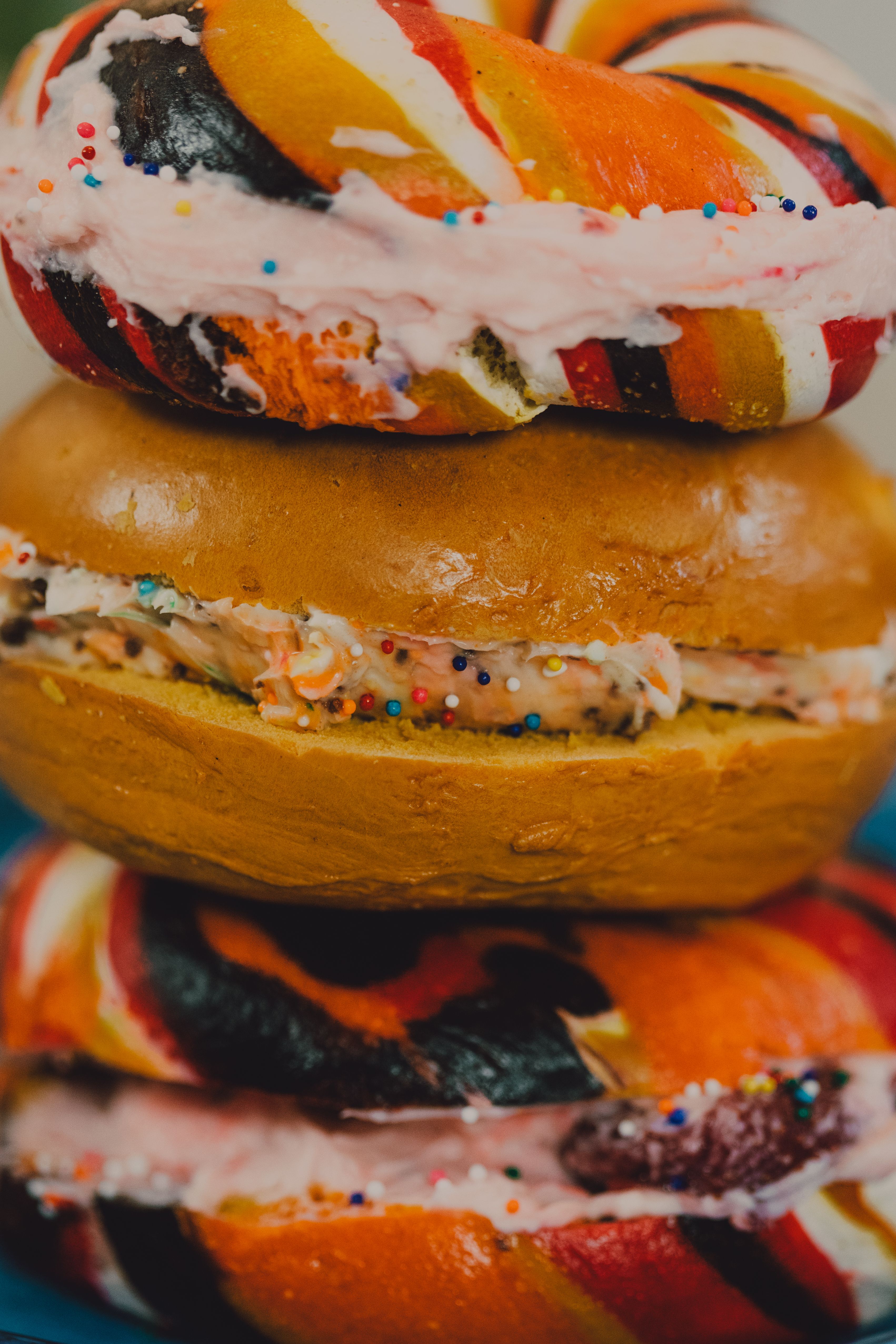
Rainbow bagels exploded online because they are visually irresistible. Their swirled neon interiors look custom-made for social feeds, especially when sliced open for that dramatic color reveal. The problem is that the spectacle usually outruns the flavor, and many versions taste like ordinary bagels with food dye doing most of the work.
They also create a weird expectation gap. People anticipate something magical, then get a dense, chewy bagel that is often paired with overly sweet cream cheese to match the gimmick. It is not that rainbow bagels are inedible. It is that the camera experience tends to be stronger than the breakfast experience.
Unicorn Frappuccinos and Similar Fantasy Drinks
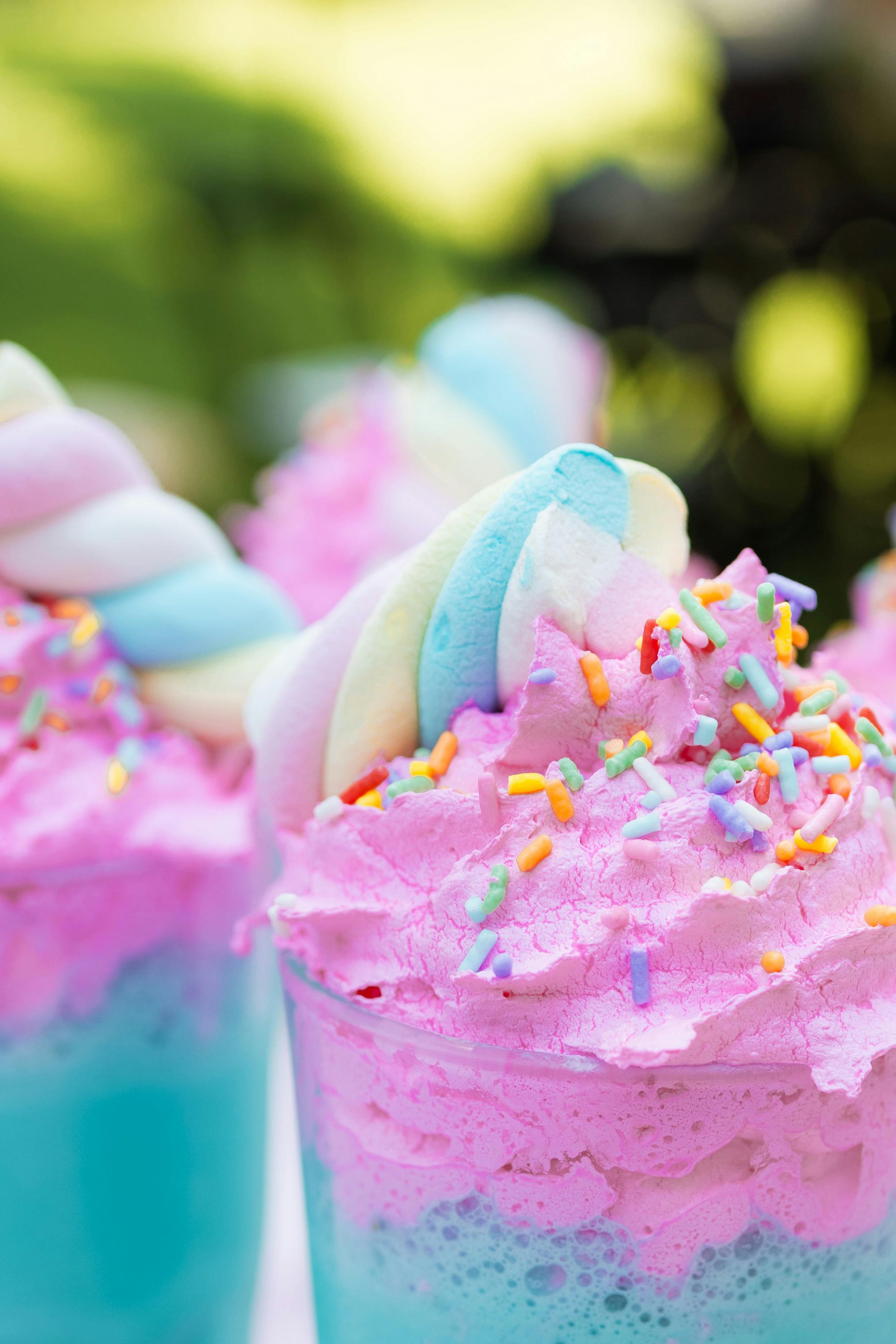
These candy-colored drinks were built for attention. Their pinks, blues, glittery toppings, and whipped cream peaks made them instant social media bait, and limited-time releases added urgency. Even major chains benefited from the buzz, knowing that a highly photogenic drink can become free advertising once customers start posting.
But the actual taste often lands somewhere between confusing and exhausting. Reviews frequently described these drinks as overwhelmingly sweet, artificially flavored, and difficult to finish. They are also messy as they melt, separate, or collapse quickly. In many cases, people wanted the evidence of ordering one more than they wanted to drink the whole thing.
Activated Charcoal Ice Cream
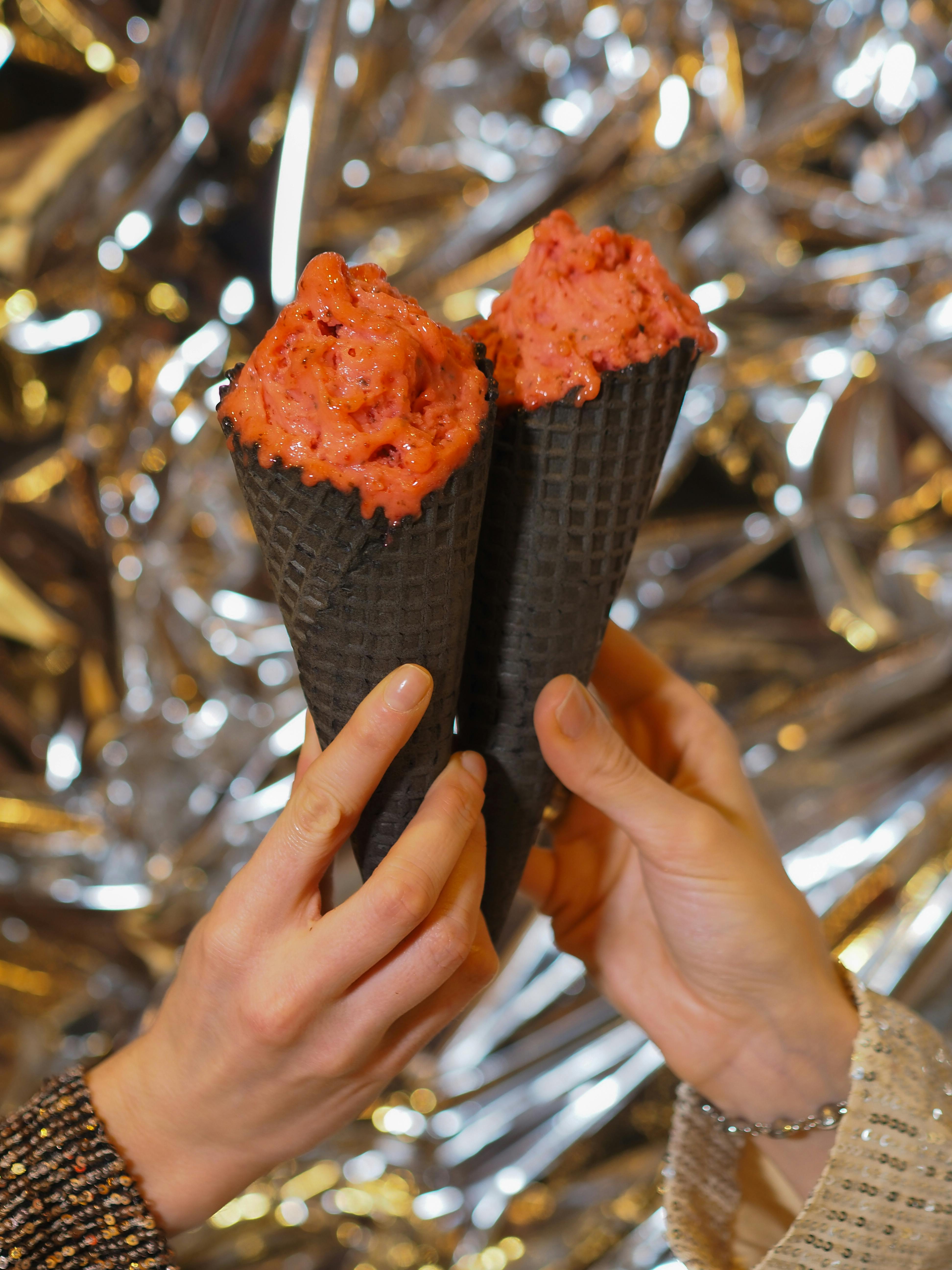
Black ice cream became a social media sensation because it looked dramatic, moody, and totally different from standard dessert counters. In a sea of beige cones and pastel scoops, activated charcoal gave shops an instant identity and gave customers a striking post. The novelty worked especially well in minimalist cafes and monochrome food photos.
Taste, however, was often beside the point. Many charcoal desserts were basically vanilla or coconut with a trendy black tint, which left people praising the look more than the flavor. Health claims also added confusion, since charcoal in food has faced scrutiny and can interfere with certain medications. The visual impact was real. The culinary payoff, less so.
Gold-Covered Desserts

Edible gold has become shorthand for luxury online. Wrap a donut, sundae, or slice of cake in shimmering metallic leaf and suddenly it looks exclusive, expensive, and highly shareable. Restaurants and dessert bars know the formula well: add sparkle, raise the price, and let the photos sell the fantasy.
The issue is that edible gold is mostly decorative. It has no meaningful flavor, no satisfying texture, and no practical reason to be there beyond visual signaling. That means customers are often paying for the optics of indulgence rather than a better dessert. In many cases, the underlying pastry or ice cream matters far more, and sometimes it is surprisingly average once the gold stops distracting you.
Overloaded Freakshakes
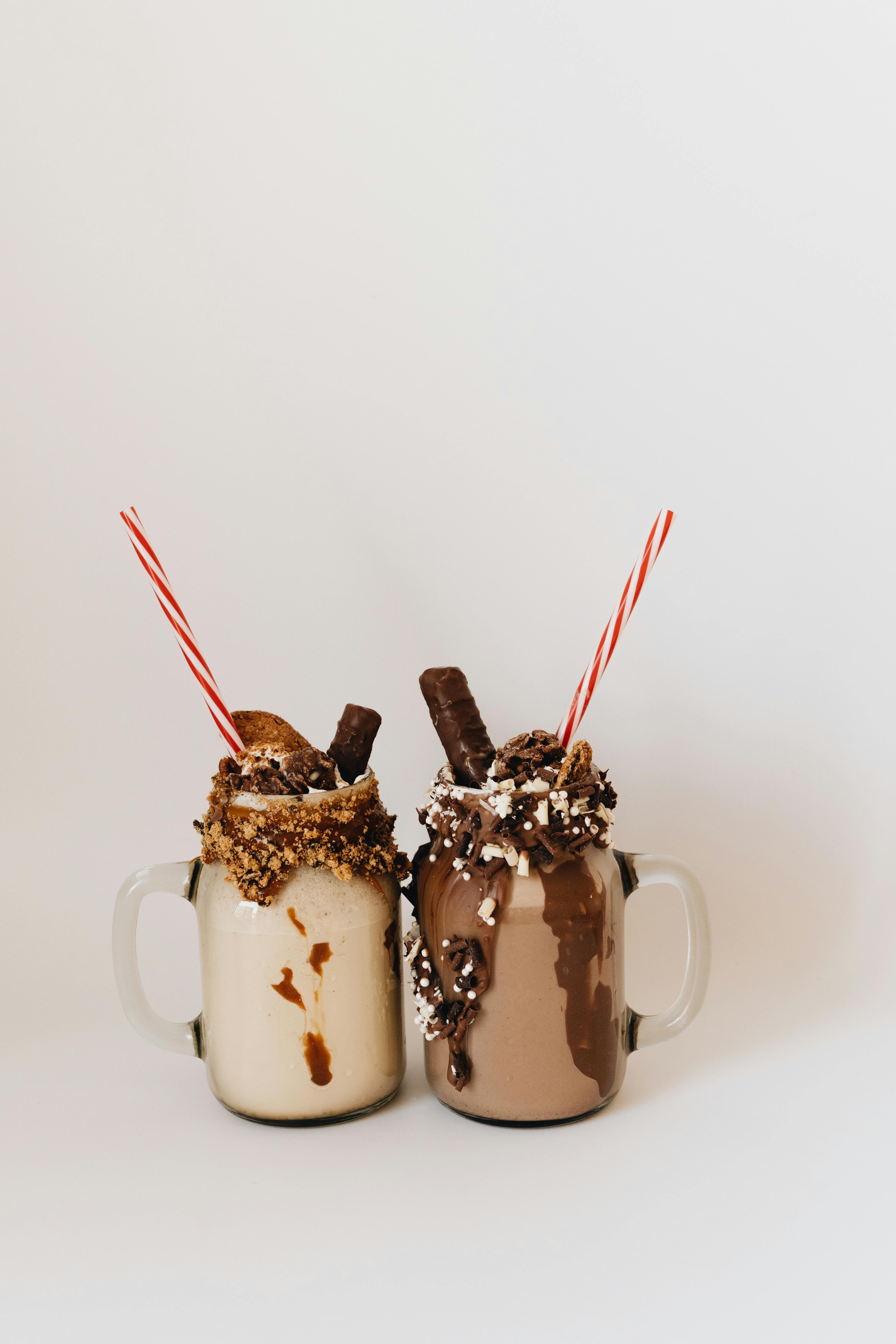
Freakshakes took the basic milkshake and turned it into an edible tower of excess. Cookies on the rim, cake slices on top, whole candy bars stacked at impossible angles, and drizzles running everywhere created the kind of visual chaos that thrives online. They are maximalist by design and practically demand a photo before the first sip.
Actually consuming one is another story. These shakes are often too rich, too sweet, and too unwieldy to enjoy comfortably. By the time you navigate the toppings, the drink itself may be melting into a thick sugar sludge. They can be fun as a shared novelty, but many people seem more committed to documenting the stunt than finishing the glass.
Cloud Eggs
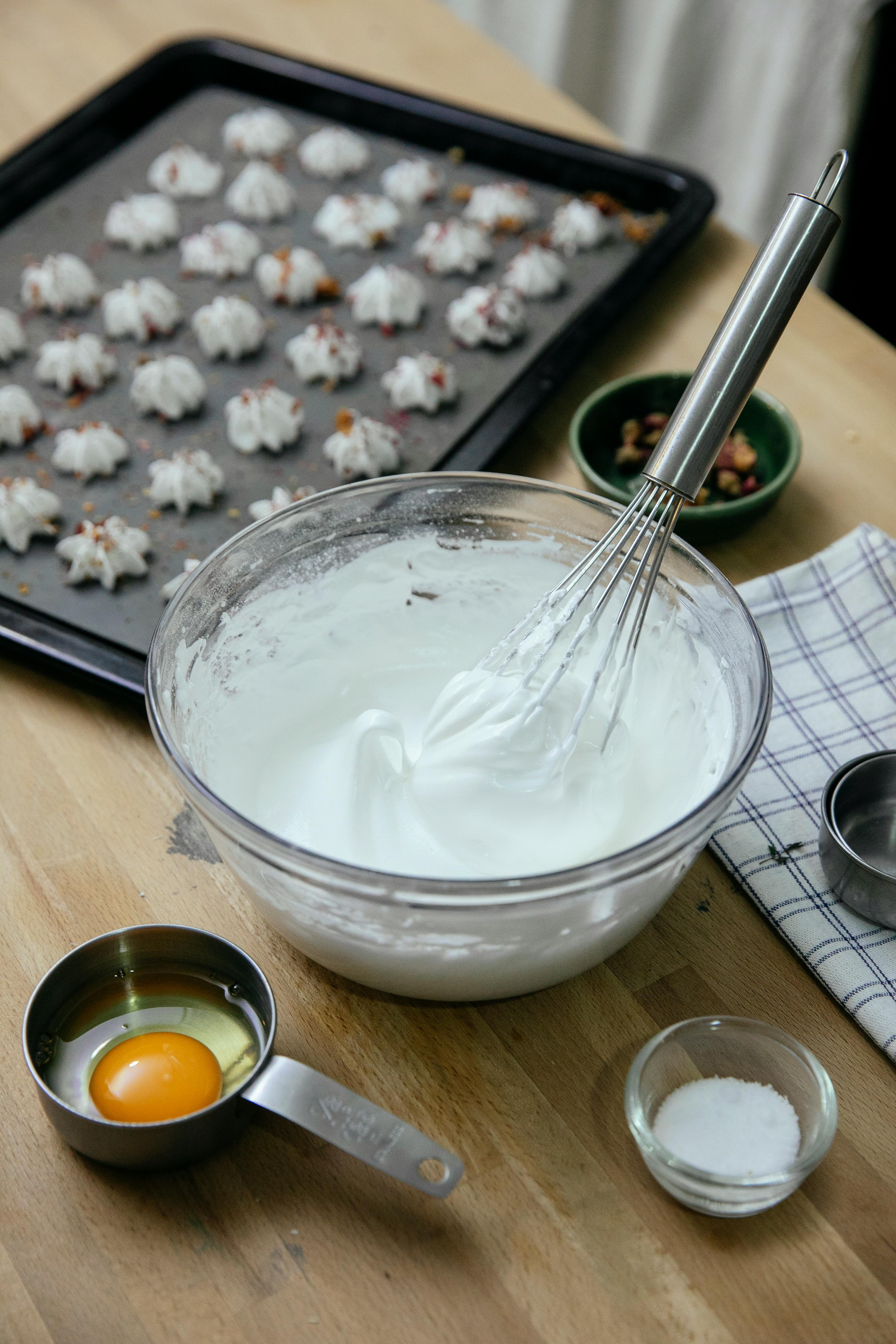
Cloud eggs briefly convinced the internet that breakfast had entered a whimsical new era. Whipped egg whites baked into fluffy mounds with a yolk nestled in the center looked elegant, airy, and just unusual enough to feel inventive. Food blogs and social platforms embraced them because they transformed a familiar ingredient into something theatrical.
In practice, the dish is more style than substance. The texture can turn dry or foamy, and the overall eating experience is not necessarily better than a well-cooked fried or poached egg. They also require extra effort for a result that many home cooks found underwhelming. Cloud eggs are not bad, exactly. They just solve no real breakfast problem except a need for novelty.
Cotton Candy Burritos

Cotton candy burritos were engineered for the reveal. A giant sheet of spun sugar wrapped around ice cream and toppings created a mash-up so absurd it was destined to travel online. The bright color, oversized shape, and carnival energy made it perfect for short videos and reaction posts.
The trouble is that cotton candy melts almost instantly and offers sweetness without much depth. Combined with ice cream and fillings, the whole thing can become sticky, messy, and cloying within minutes. It is a dessert that photographs best in a tiny window before it starts collapsing. For many people, one or two bites deliver the joke, and the rest feels like a sugary chore.
Avocado Toast at Luxury Prices
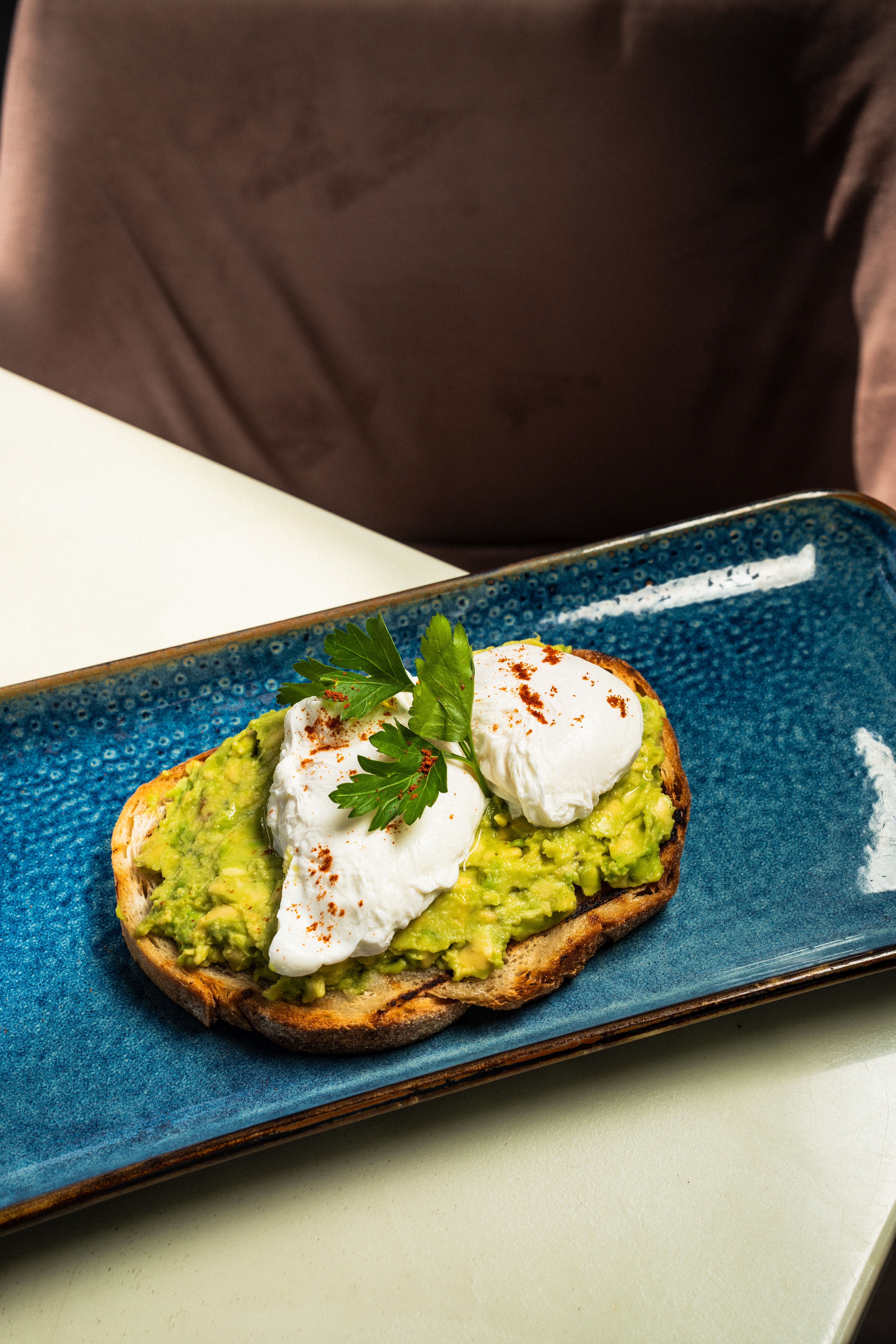
Avocado toast did not go viral because it was strange. It went viral because it became a symbol. Clean plating, artisan bread, chili flakes, seeds, and soft morning light turned a simple dish into a lifestyle image associated with wellness, urban cool, and expensive brunch culture.
The backlash came when the dish started showing up at inflated prices despite using relatively basic ingredients. Good avocado toast can absolutely be delicious, but plenty of versions rely on branding and aesthetics more than culinary skill. That is why it often gets mocked as a menu item people praise partly to signal taste, not just because mashed avocado on toast truly changed their lives.
Monster Bloody Marys
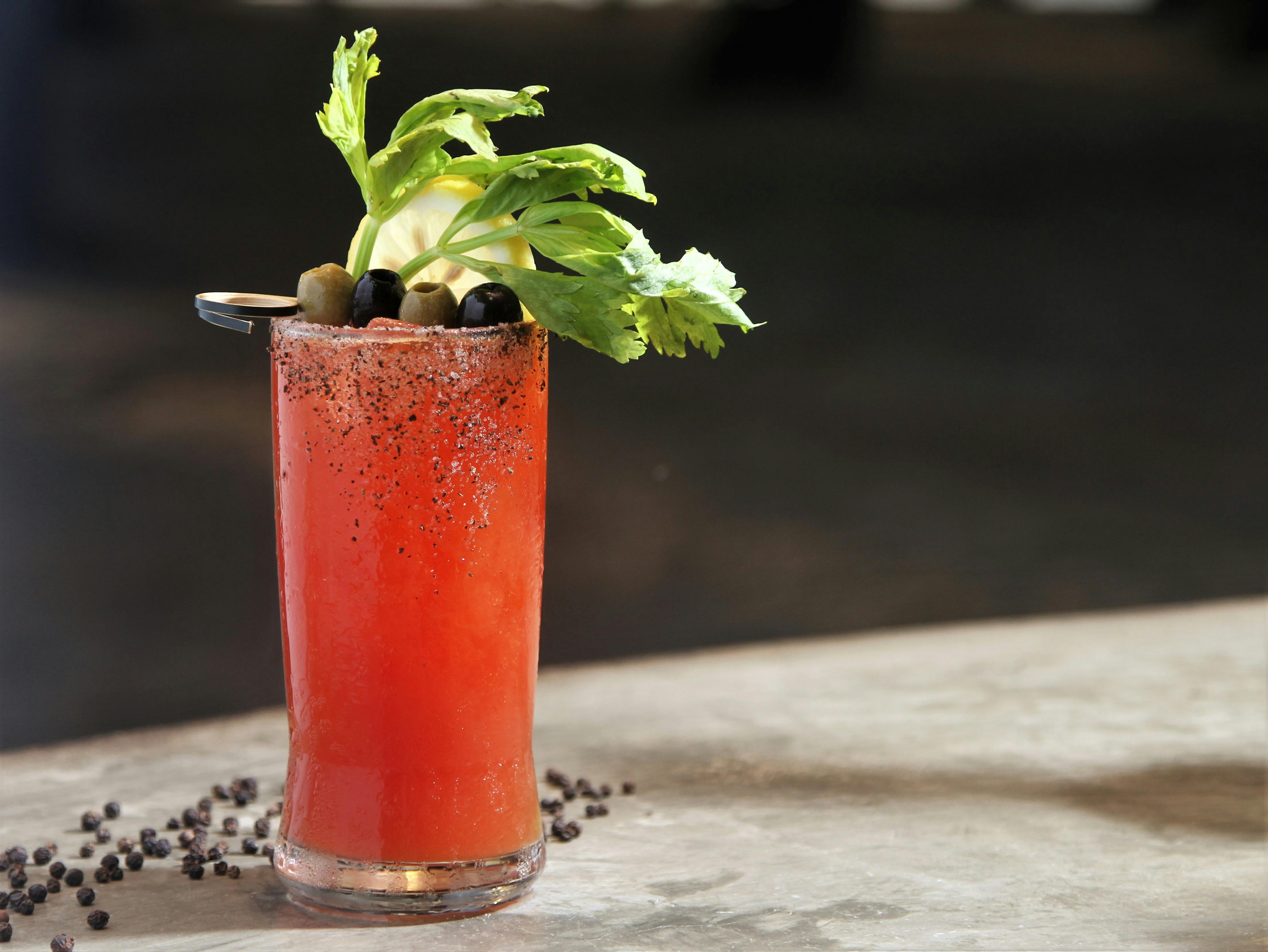
The classic Bloody Mary was once a savory cocktail with a practical garnish or two. Then social media pushed it into arms-race territory, with glasses topped by burgers, shrimp skewers, bacon, fried chicken, and even entire sandwiches. The visual absurdity is exactly why these drinks took off online.
But once a cocktail becomes a scaffold for lunch, the balance usually suffers. It is difficult to sip neatly, hard to serve elegantly, and often more about excess than flavor. The garnishes can feel random, and the drink beneath them may be an afterthought. People love posting these towering creations because they are outrageous, not because they represent the most enjoyable way to drink a Bloody Mary.
Cheese Pull Everything
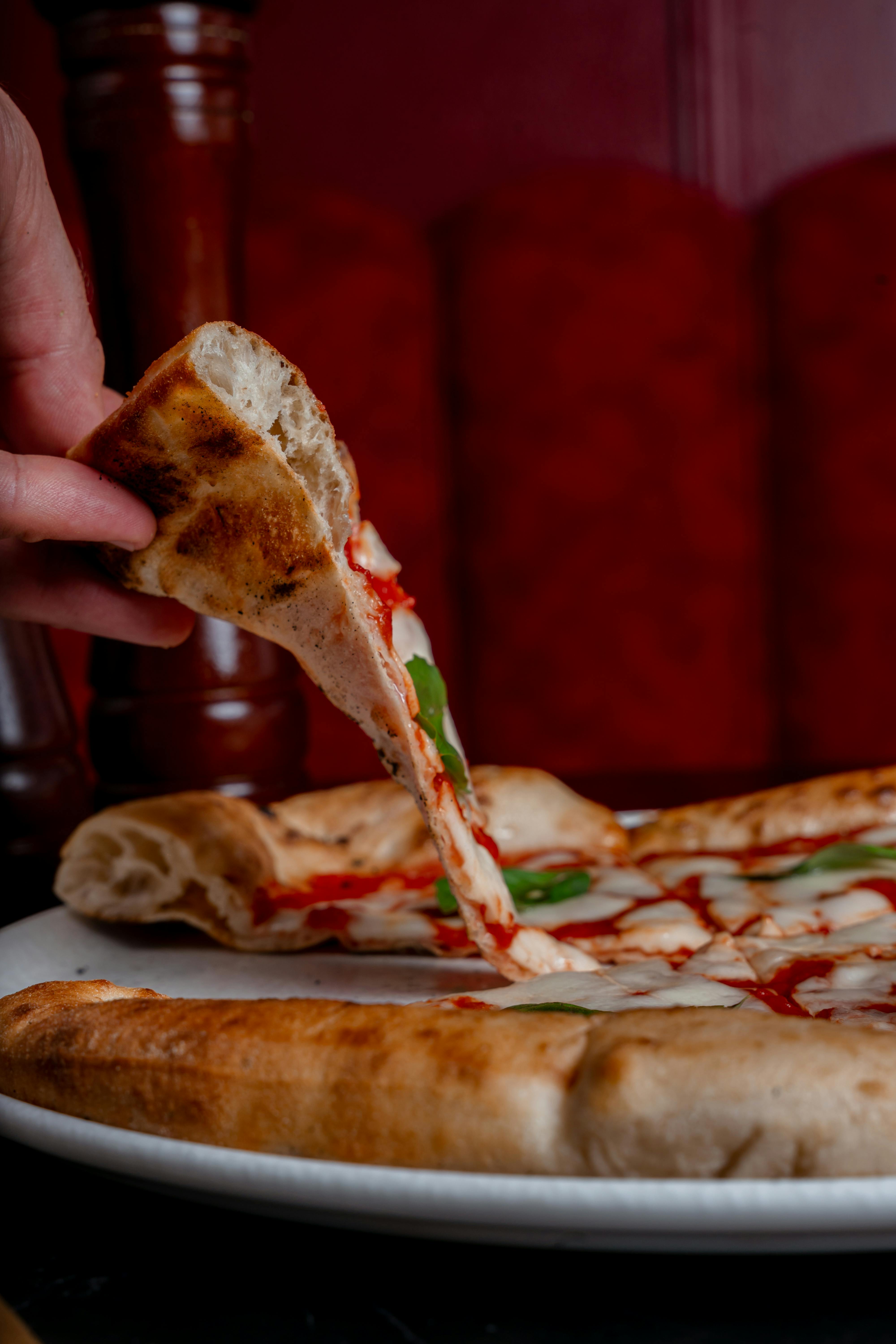
The cheese pull became one of the internet’s favorite food clichés for a reason. Stretchy mozzarella on pizza, burgers, corn dogs, and baked pasta creates instant sensory drama, especially on video. It signals indulgence and comfort in a way that is easy to understand in one glance.
Still, the obsession with maximum stretch often leads to food that is engineered for spectacle rather than balance. Extra cheese can smother other flavors, turn textures heavy, and make dishes awkward to eat while they cool too fast. A dramatic pull looks satisfying on camera, but it does not always mean the bite tastes better. Sometimes it simply means someone prioritized elasticity over actual flavor.