What Really Makes Italian Sausage Italian, According to a Butcher

Italian sausage shows up in everything from weeknight pasta to backyard grills, yet most people never stop to ask what actually makes it Italian. The answer isn’t just a spice label or a familiar flavor. It’s a careful balance of meat quality, fat ratio, traditional seasoning, and hands-on technique that butchers have relied on for generations. When you look closely at how Italian sausage is made and why certain ingredients matter, the difference between an authentic link and an average one becomes easy to taste. Understanding those details also explains why Italian sausage behaves the way it does in the pan, on the grill, and in slow-simmered sauces.
The Heart of Italian Sausage
Talk to a butcher about what makes Italian sausage truly Italian, and you quickly realize it’s not just a label stuck on the packaging. It’s a combination of tradition, ingredients, and flavor philosophy that has been shaped over centuries. What distinguishes Italian sausage from every other sausage on the map is its rootedness in regional Italian cooking and the way it’s traditionally made. In Italy, sausage is a reflection of local culture, climate, and palate. A butcher will tell you that calling something “Italian sausage” isn’t just about putting a few herbs into pork. It’s about a specific balance of savory and aromatic elements that have become synonymous with Italian food worldwide.
Italian sausage is both simple and expressive, built around a harmony of meat and seasonings that speak to the rich culinary history of Italy. Unlike generic sausages that might lean heavily on salt or filler, the Italian version aims for a rounded, layered profile. It’s designed to be versatile, robust enough to hold its own in pasta sauces, yet flavorful and nuanced when cooked on its own. This versatility is part of why Italian sausage has traveled so well beyond its homeland. Yet even with its global popularity, a butcher’s perspective underscores that authenticity still starts with time-honored techniques and respect for ingredients, not just a marketing tag on a package.
The Meat That Makes the Sausage
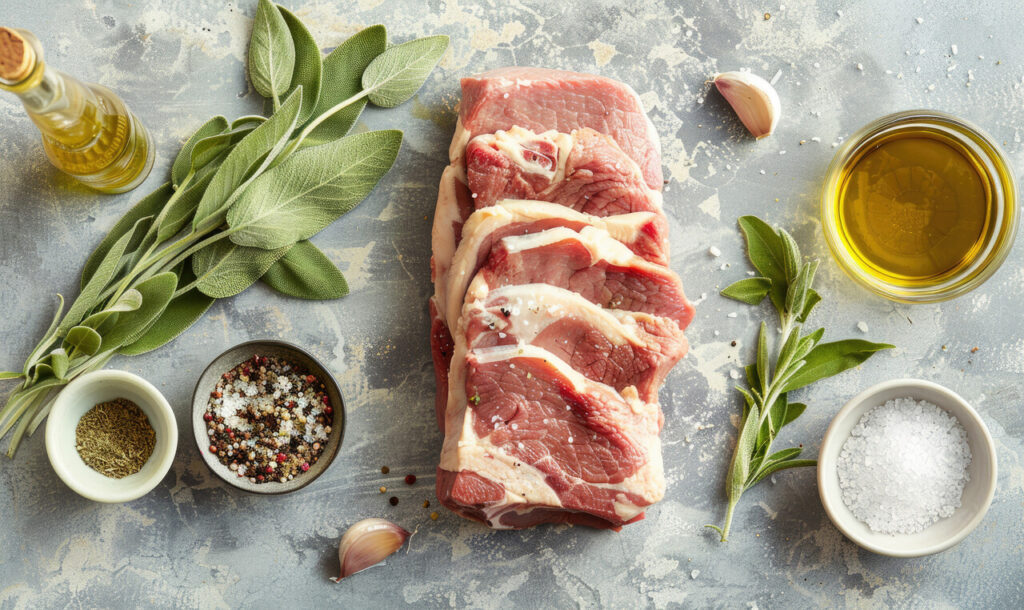
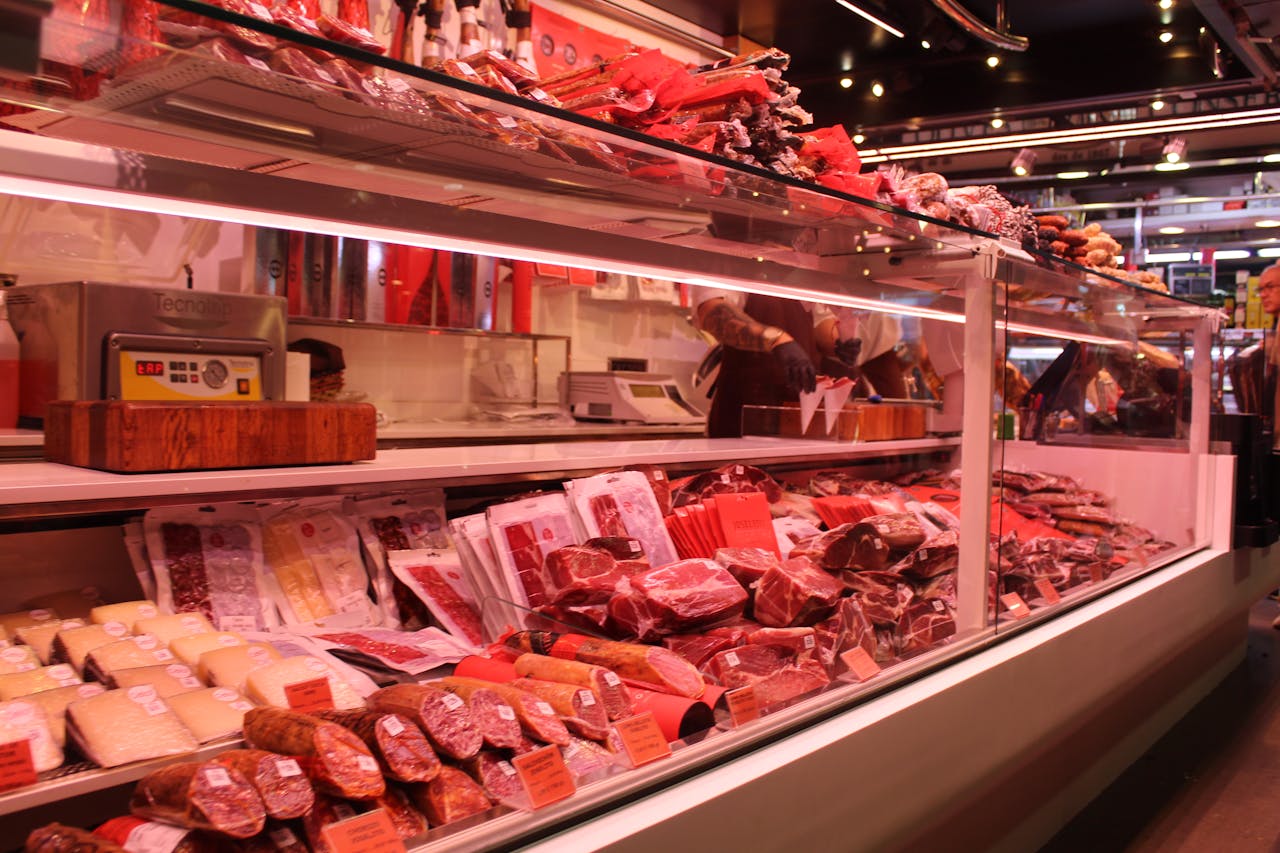
The foundation of any great Italian sausage is the meat itself, and most authentic versions are built on pork. But it’s not just pork in any form. A butcher will choose cuts with the right balance of lean meat and fat, typically aiming for a ratio around 70 to 30. That fat content is essential. Fat is what gives sausage its juicy mouthfeel and carries much of the flavor. Too lean, and the sausage dries out and feels tough; too fatty, and it becomes greasy and cloying. The selected cuts are usually shoulder or a mix of shoulder and belly, which naturally provide both flavor and texture without the need for artificial binders.
The grind of the meat also matters. Italian sausage is usually coarsely ground, giving it a hearty, satisfying bite that stands up to cooking in sauces or grilling over high heat. The texture should be distinct enough that you can see specks of meat and fat, not muddled into a uniform paste. A butcher’s skill at grinding affects how the sausage cooks and how the flavors distribute through each link. A consistent, well-formed grind ensures the sausage stays moist, holds together during cooking, and has a texture that feels rich without being dense. This attention to meat selection and grinding is one of the first key differences between Italian sausage and other homogenized sausage products.
The Spice Blend That Defines the Flavor
Seasoning is where Italian sausage really finds its identity. At its core, the spice blend uses ingredients that bring warmth, complexity, and a balance between savory and aromatic notes. The most recognizable elements are fennel seeds, either whole or crushed, which lend a sweet, licorice-like lift that many people instantly associate with Italian sausage. Black pepper adds depth and a gentle heat, while garlic, whether fresh or powdered, enhances the umami backbone of the meat. Salt, of course, is essential, but good Italian sausage does not rely on salt alone for flavor; instead, it uses seasoning as a partner to the meat itself.
Regional variations within Italy also play a role in shaping specific flavor profiles. In some parts of southern Italy, you might find red pepper flakes added for a spicier kick. In the north, herbs like parsley and white wine might be incorporated for a brighter, fresher character. These regional differences reflect local agricultural traditions and preferences, but they all share a common thread: the goal is depth of flavor without overpowering the pork. When a butcher talks about seasoning Italian sausage, the focus is on balance and purpose. Every spice has a role, and the job of the maker is to weave them together so that each bite feels rich, harmonious, and distinctly Italian in character.
From Mixing to Casing

Once the meat and seasonings are selected, the next stage is bringing them together through careful mixing and stuffing. The process begins by thoroughly blending the ground meat with the spice mix; this is not casual shaking in a bowl, but a thoughtful folding that ensures every bit of meat carries seasoning. Too little mixing and the flavors will be uneven; too much can overwork the meat and change the texture. A butcher knows just how long to work the mixture so it stays tender yet cohesive, ready for the next step.
Stuffing the seasoned meat into casings is another craft. Traditional Italian sausage uses natural casings, usually cleaned intestines, which have a texture and elasticity that synthetic alternatives struggle to match. Natural casings breathe, they hold in juices, and they give a satisfying snap when you bite into them. How the casing is filled matters too: overstuffed links will burst during cooking, while underfilled ones will be too loose and misshapen. Butchers take care to fill and twist links in consistent sizes so they cook evenly. This stage, more than any other, reveals the blend of art and science in sausage making, where technique impacts both aesthetics and eating experience.
Cooking and Serving With Intent
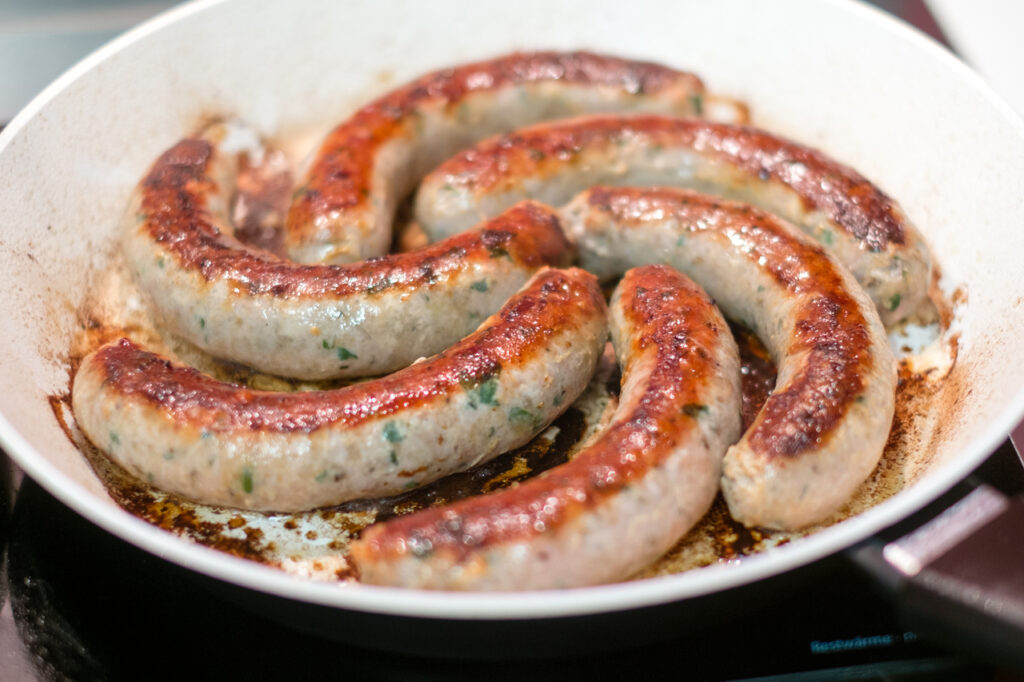
How Italian sausage is cooked affects how the flavors develop and how the texture feels in the mouth. Many recipes call for slow, gentle cooking in tomato sauces or braises, allowing the spicy aromatics to infuse the sauce and the meat to remain moist. Grilling and pan-searing are also common, especially for fresher sausages, and they bring out caramelization on the surface while keeping the interior tender. Italian sausage is versatile, designed to shine whether it’s the centerpiece of a simple grilled feast or a component in a rich pasta dish.
Pairing recommendations also reflect the sausage’s flavor profile. Tomato-based sauces are natural partners because the acidity and sweetness cut through the richness of the pork and enhance the fennel and garlic notes. Polenta, sautéed greens, and crusty bread are other traditional accompaniments that let the sausage’s flavors stand out without overwhelming the palate. A butcher will often advise cooking just a bit longer than you think, letting the spices bloom and the fat render fully so that each bite feels juicy and complete. These serving traditions and techniques underscore that Italian sausage is more than a mix of ingredients; it’s a crafted experience that rewards thoughtful preparation.
References
- What Makes Italian Sausage “Italian,” According to a Butcher – simplyrecipes.com
- How Are Italian Sausages Made? – nicoboston.com
- Italian Sausage – tasteofartisan.com