7 Grocery Store “Specialties” That Are Actually Worth the Money for Once

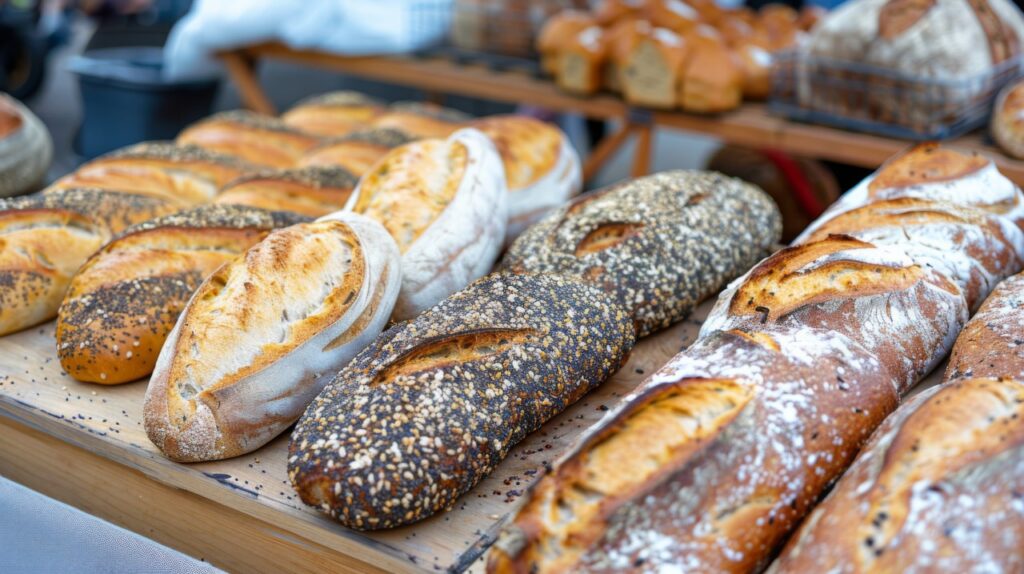
Grocery store shelves are filled with products labeled as specialties, promising better flavor, higher quality, or restaurant-level convenience. Most of the time, those claims come with higher prices and mixed results. Yet every so often, a few items genuinely earn their cost by saving time, reducing waste, or delivering noticeably better taste and texture. These are not impulse buys or trendy novelties. They are products shaped by smart sourcing, in-store preparation, or economies of scale that work in the shopper’s favor. When chosen carefully, they can make everyday meals easier, more satisfying, and sometimes even cheaper than starting from scratch.
1. Rotisserie Chicken
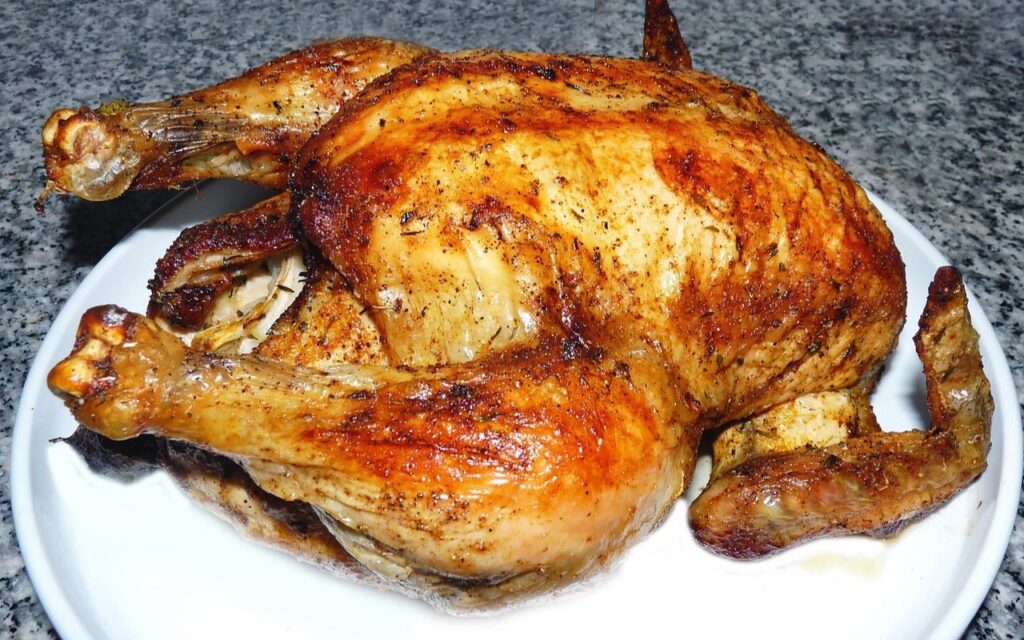
Few grocery store items blur the line between convenience and value as well as rotisserie chicken. It is often priced competitively, sometimes even lower than a raw whole chicken, because stores use it to draw shoppers inside. What makes it worth the money is not just the price but the work it replaces. The chicken is fully cooked, evenly seasoned, and ready to eat the moment you bring it home. When prepared correctly, the meat stays moist, especially in the legs and thighs, and the skin carries enough salt and fat to keep flavors balanced. Beyond the first meal, rotisserie chicken stretches further than most prepared foods.
2. Store-Baked Artisan Bread
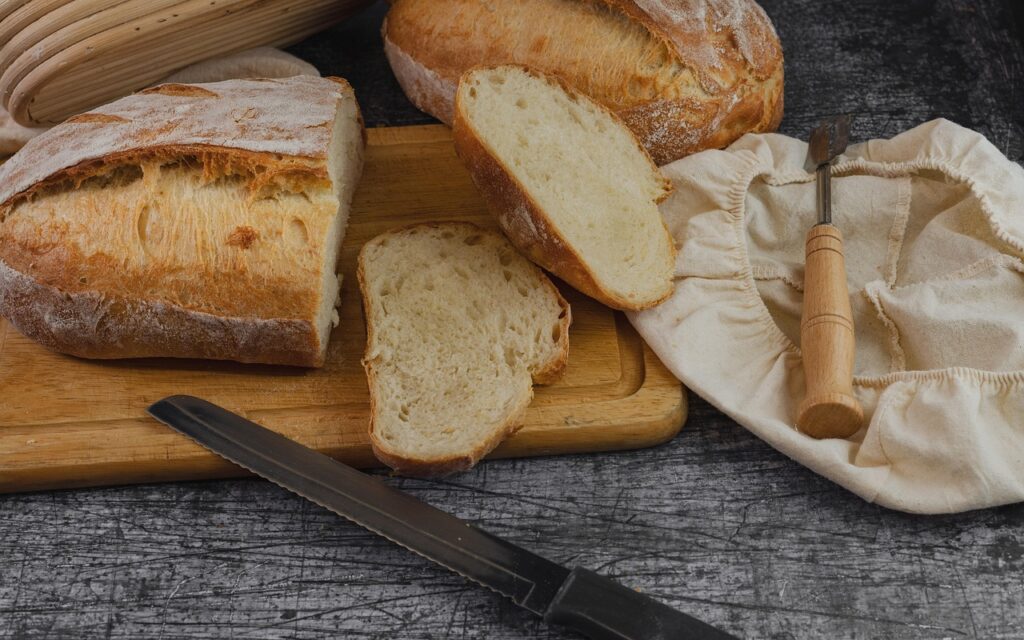
In-store bakeries have quietly improved over the years, and many now produce artisan-style loaves that genuinely earn their higher price. These breads are typically baked on site, often daily, which gives them a fresher crumb and better crust than packaged bread shipped from factories. Ingredients are usually simple, focusing on flour, water, yeast, and salt, rather than preservatives designed for long shelf life. The result is bread with structure, chew, and flavor that holds up well to both savory and sweet toppings. When eaten fresh, it offers texture and aroma that mass-produced sliced bread cannot match.
3. In-House Guacamole
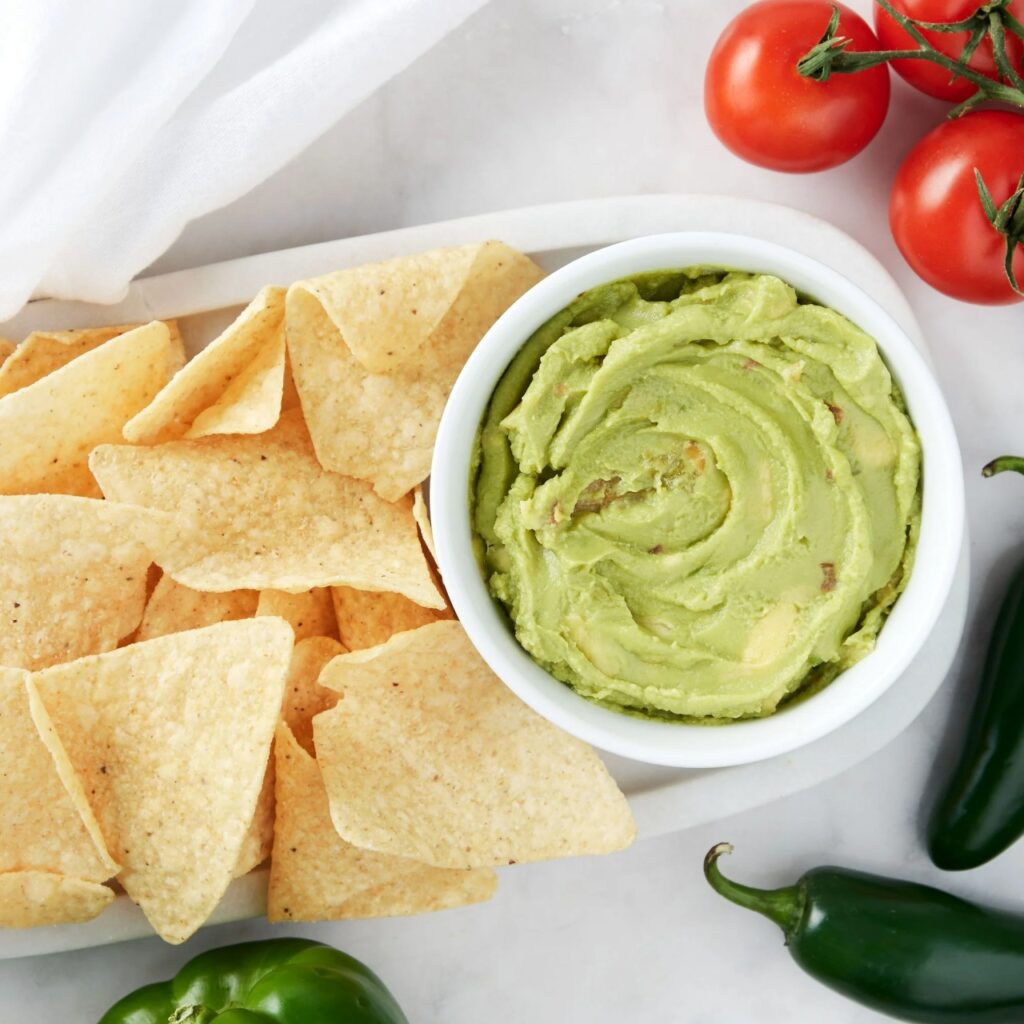
Grocery store guacamole earns its value when it is made fresh in-house rather than mass-produced in sealed tubs. These versions usually rely on a short ingredient list that includes ripe avocados, lime juice, onion, and salt. Without heavy preservatives, the texture stays creamy rather than pasty, and the flavor tastes clean instead of dull. While it costs more than buying whole avocados, the price reflects labor, timing, and reduced waste. Avocados ripen unpredictably, and store-made guacamole removes the guesswork. It also saves preparation time and cleanup, which matters when entertaining or planning quick meals.
4. Store-Brand Olive Oil
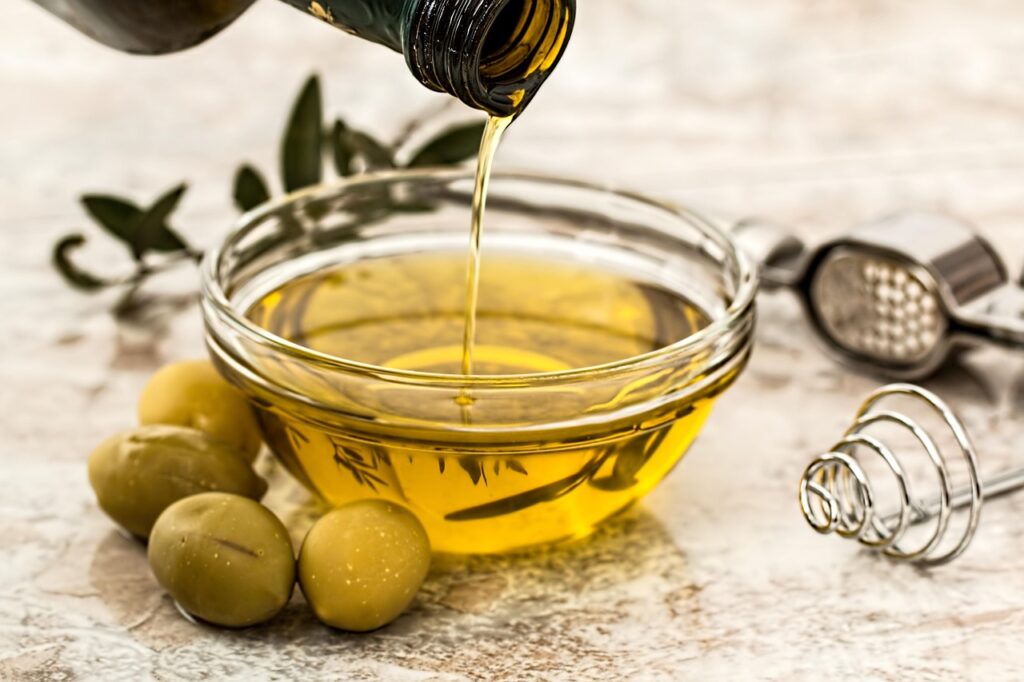
Private-label olive oil has become one of the most overlooked grocery values. Many store brands source their oils from the same regions and producers as national labels, but sell them at lower prices due to simpler packaging and marketing. When labels clearly list origin, harvest details, and certification, quality is often comparable to more expensive bottles. For everyday cooking, these oils provide clean flavor and reliable performance without unnecessary markup. They work well for sautéing, roasting, and finishing simple dishes. The key is transparency, not branding. When a store invests in sourcing and labeling standards, its olive oil becomes a smart purchase.
5. Fresh Pasta From the Refrigerated Case
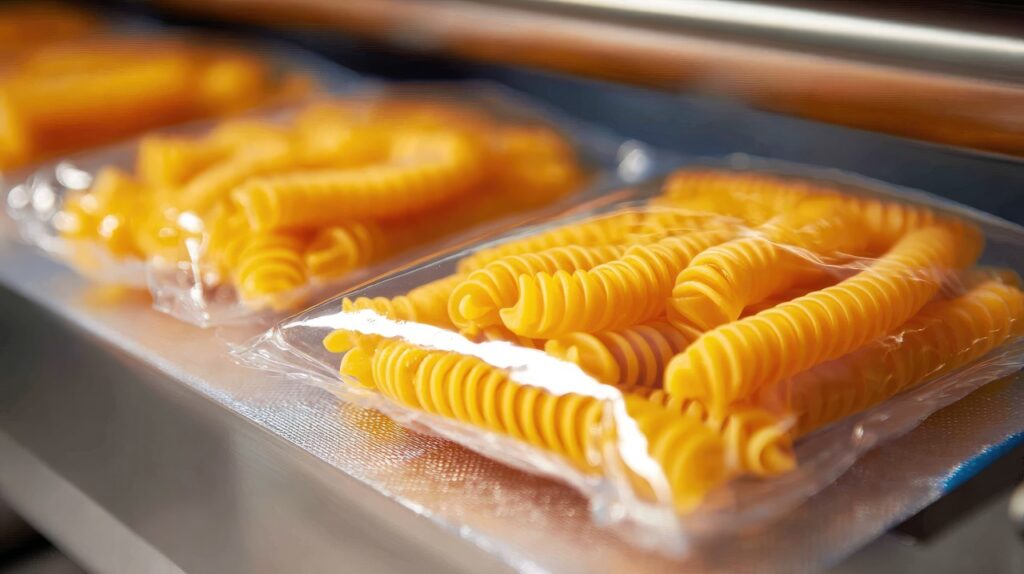
Fresh pasta costs more than dried, but the difference becomes clear once it hits boiling water. Made with eggs and minimal ingredients, fresh pasta cooks quickly and develops a tender, silky texture that dried pasta cannot replicate. Grocery store versions often strike a balance between artisan quality and accessibility. They pair especially well with simple sauces, where texture matters more than heavy seasoning. Because cook time is short, weeknight meals feel elevated without extra effort. The price reflects refrigeration, shorter shelf life, and higher ingredient costs. For dishes where pasta is the focus rather than a filler, fresh versions offer value that justifies the added expense.
6. Pre-Marinated Meats
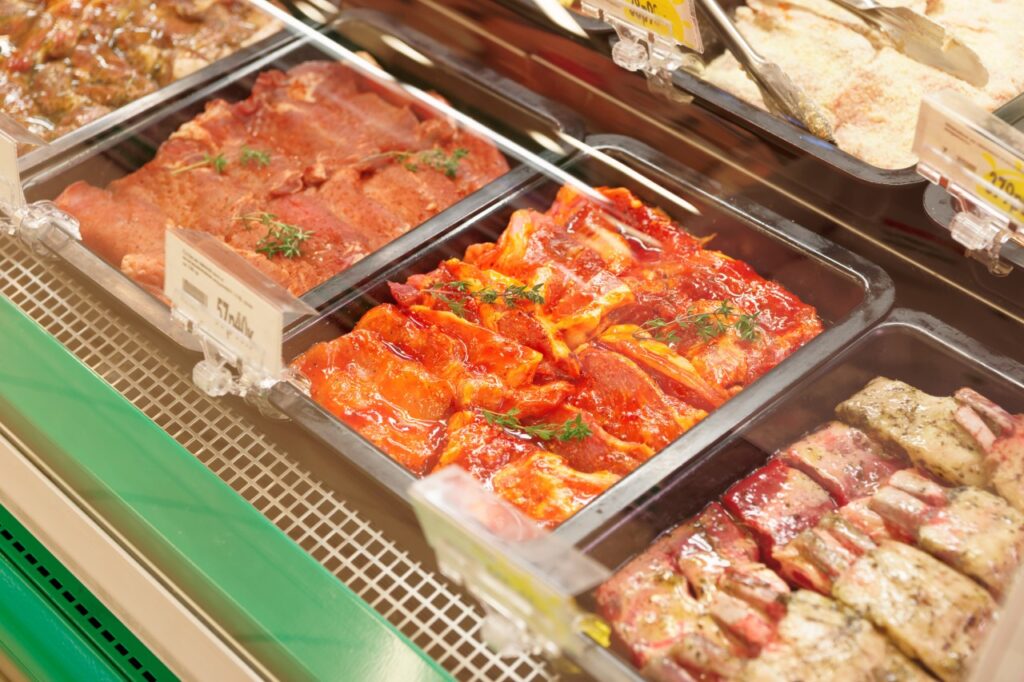
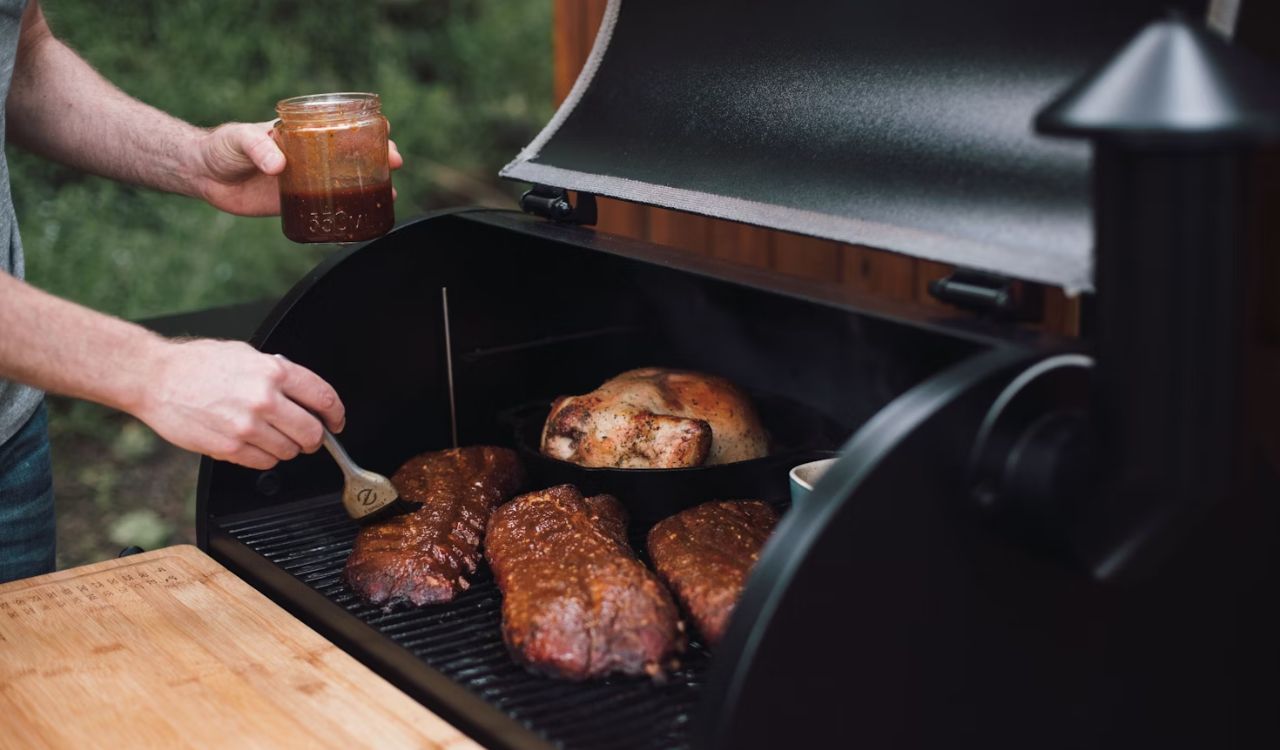
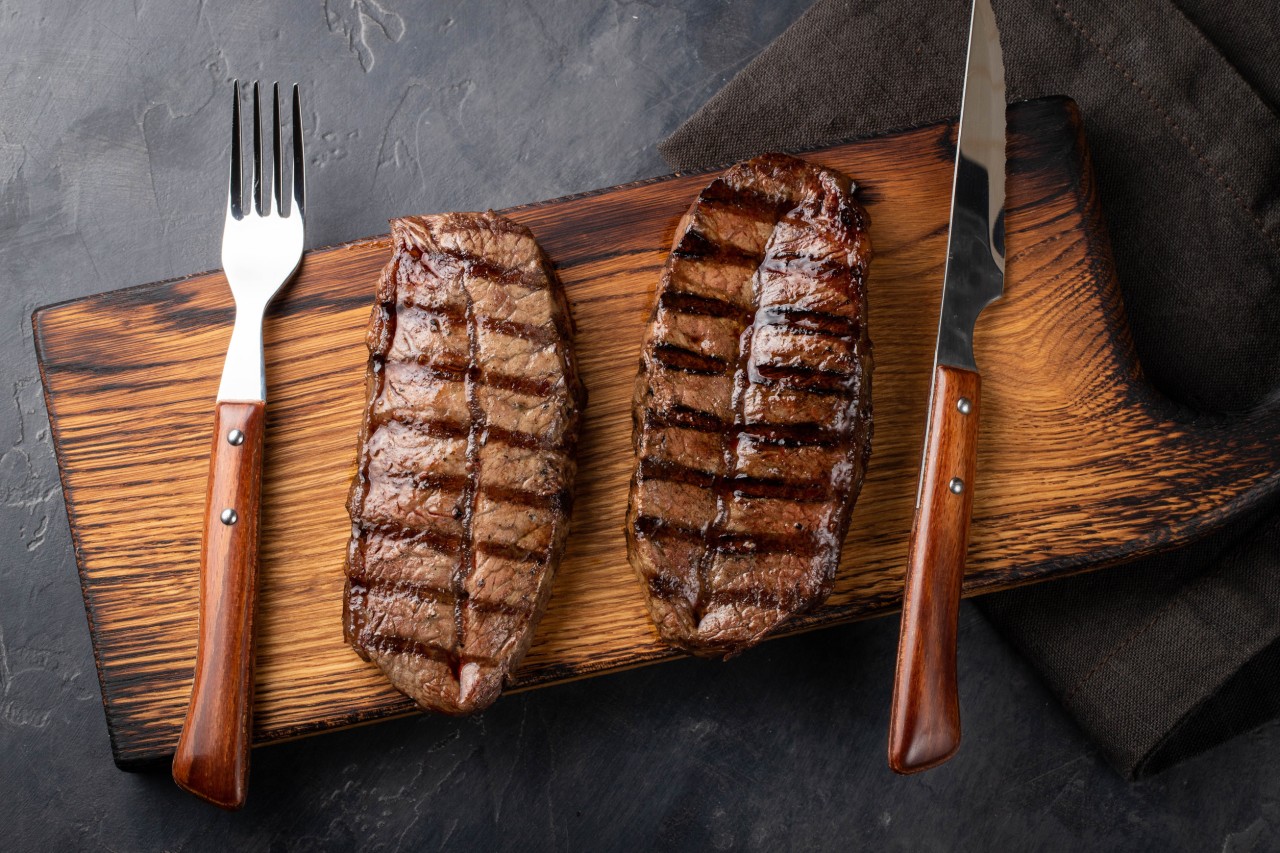
Pre-marinated meats can feel like a gamble, but well-prepared options from the butcher counter often deliver real value. These cuts save time by eliminating prep while using balanced seasoning that penetrates the meat evenly. When marinades rely on oil, acid, and spices rather than heavy sugars, they cook evenly and avoid burning. Quality depends on freshness and portion control, which is why in-store preparations tend to outperform packaged brands. These meats work especially well for grilling or roasting, where timing matters. While they cost more per pound, the savings come from reduced waste, consistent flavor, and convenience.
7. Frozen Specialty Desserts
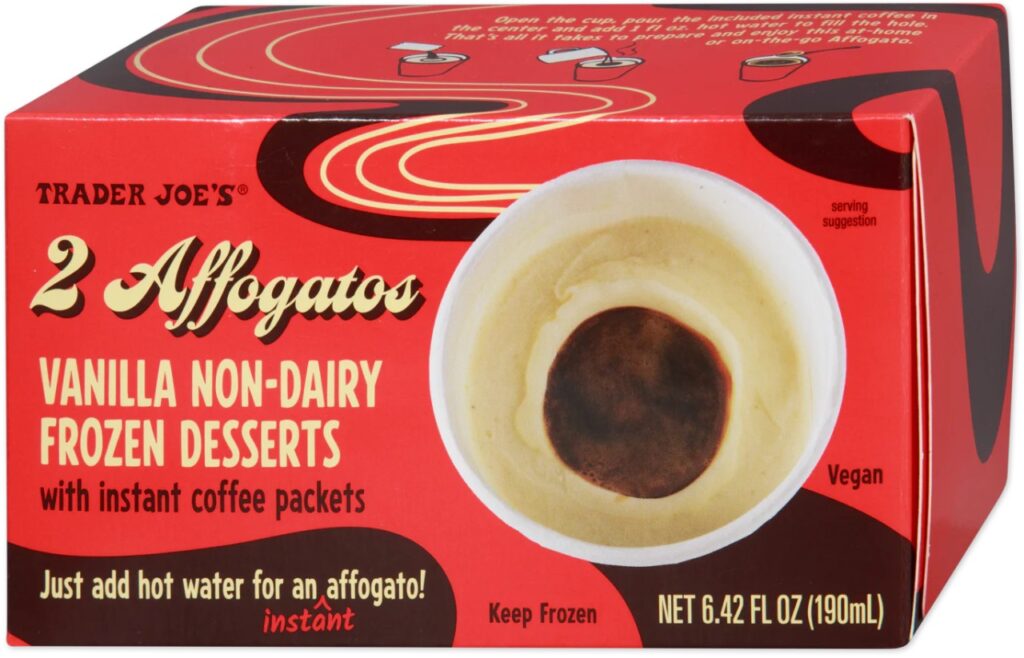
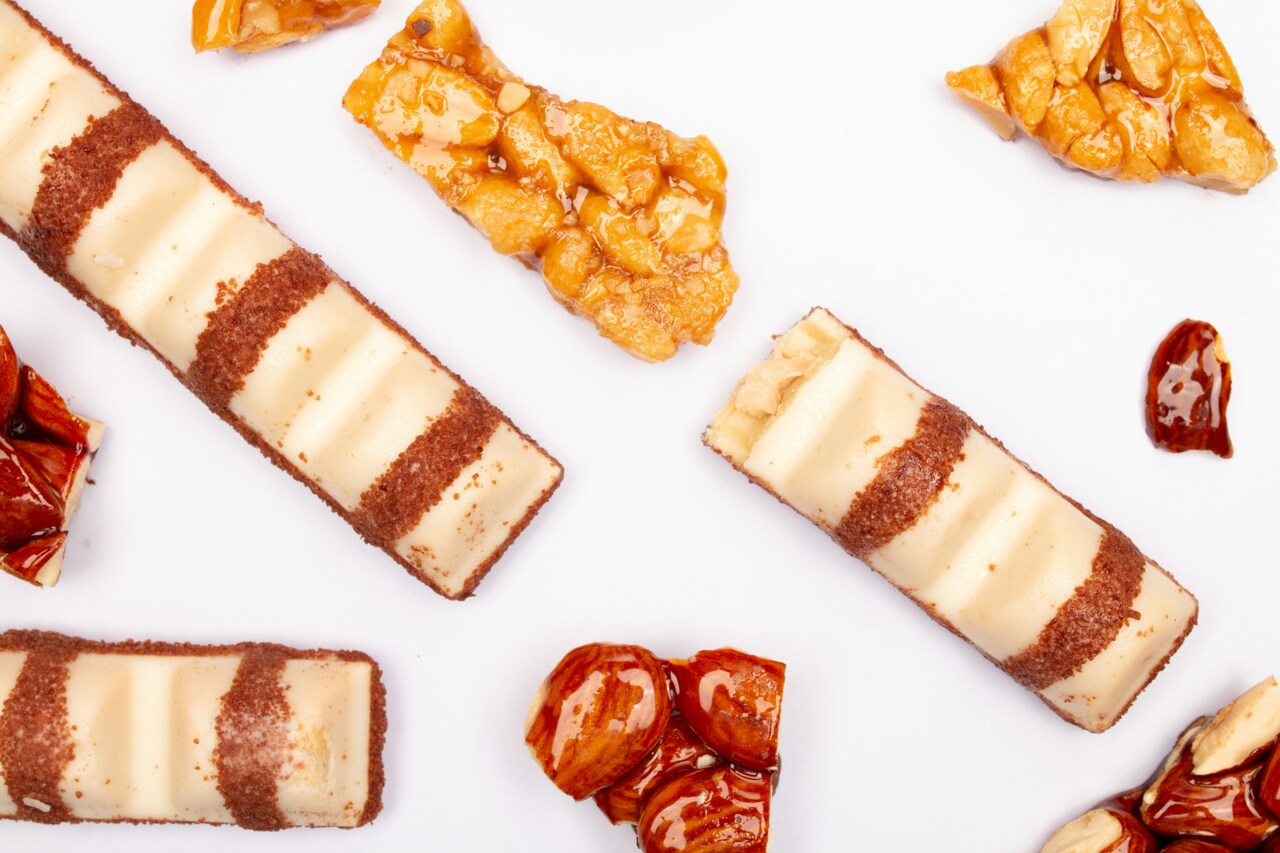
Not all frozen desserts are created equal, but certain grocery store offerings match the quality of premium brands at a lower price. Many are produced by the same manufacturers using similar ingredient lists, focusing on cream, sugar, and real flavorings rather than fillers. Texture is the giveaway. When ice cream is dense and smooth rather than icy, quality is usually high. Specialty pastries and desserts also benefit from controlled freezing, which preserves structure when done correctly. These products shine when kept simple, without excessive mix-ins or artificial flavors. For occasional treats, they deliver indulgence without requiring a trip to a specialty shop.