12 Vintage Dinner Recipes Built Around Bold Aged Cheeses

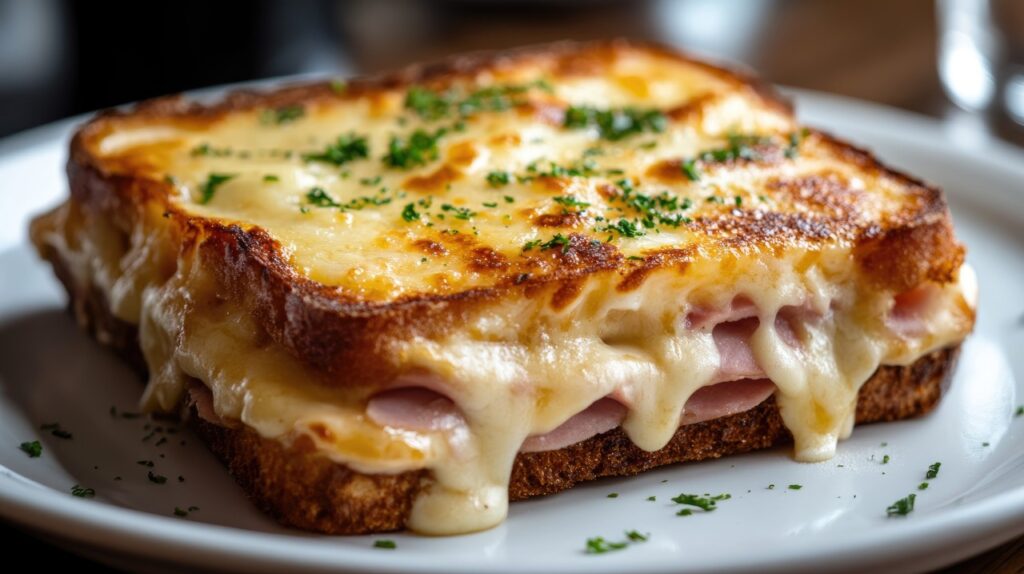
There was a time when dinner recipes were built proudly around strong, aged cheeses that brought depth, character, and confidence to the table. These dishes didn’t hide bold flavors or soften them for mass appeal. Instead, they celebrated sharp cheddars, nutty Gruyère, pungent blues, and alpine classics that could carry an entire meal on their own. Vintage cheese-based dinners were about technique, balance, and patience, letting aging do the work rather than piling on extras. From casseroles to soufflés, these recipes show how cooks once relied on mature cheeses to add richness, structure, and unmistakable personality.
1. Welsh Rarebit
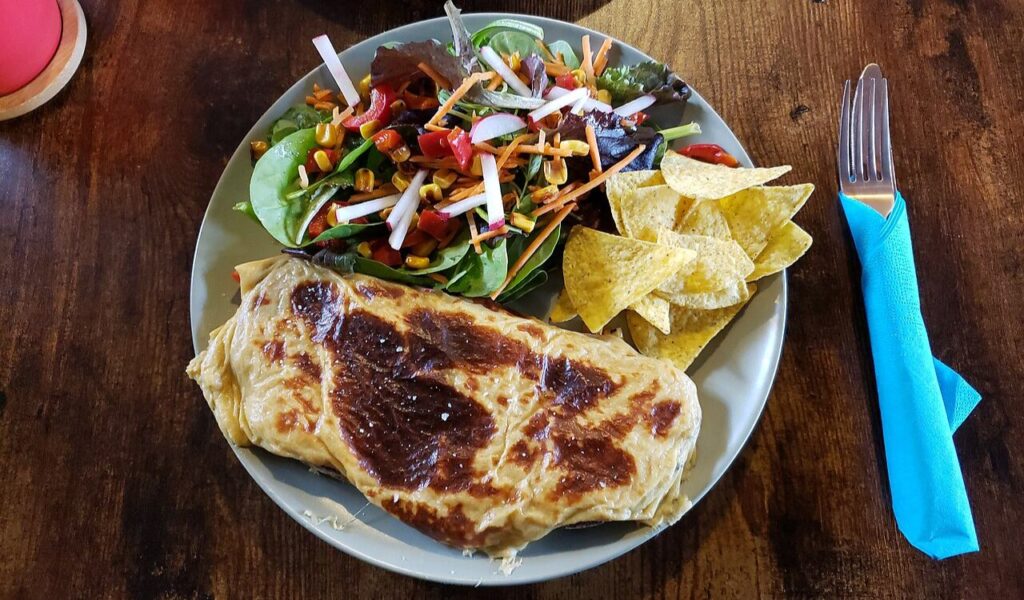
Welsh rarebit shows how aged cheese was once treated as a centerpiece rather than a topping. Sharp cheddar forms the backbone of the dish, bringing depth and savory bite that younger cheeses lack. Traditionally blended with mustard, ale, or Worcestershire sauce, the cheese sauce gains complexity through acidity and umami rather than creaminess alone. Toast provides structure, absorbing the sauce while keeping enough firmness to prevent sogginess. The dish was valued because it was filling, economical, and deeply flavorful without relying on meat. Aged cheddar melts smoothly while maintaining character, making each bite rich but balanced.
2. Classic Cheese Soufflé
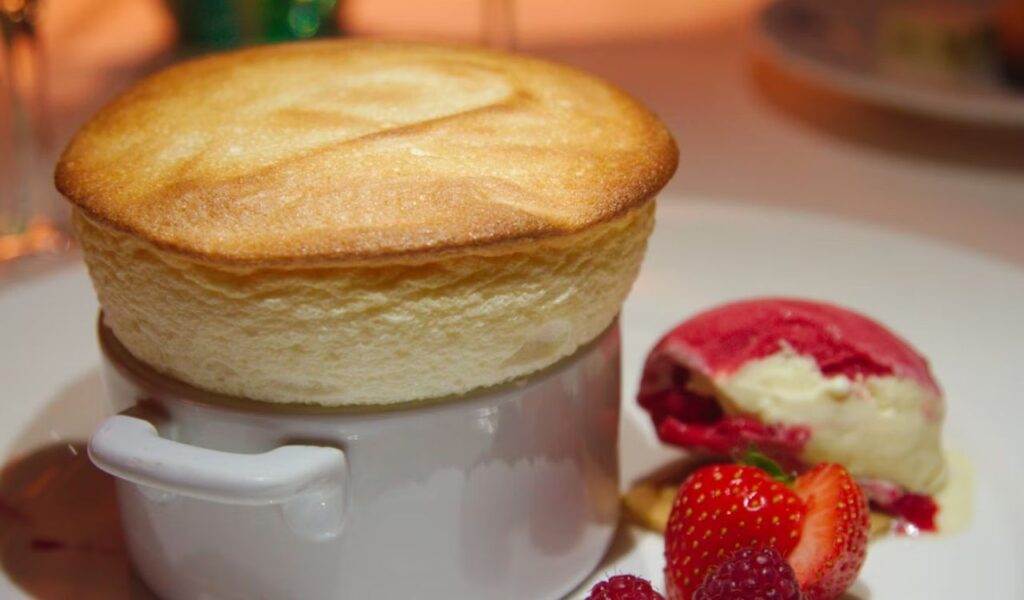
A classic cheese soufflé depends on aged cheese for both flavor and structure. Gruyère or aged Swiss is often used because it melts evenly and brings nutty depth that stands up to eggs. The base sauce carries the cheese flavor throughout the dish, while whipped egg whites provide lift and lightness. Aged cheese ensures the soufflé tastes full even though the texture is airy. Proper balance matters because too mild a cheese disappears once baked. This dish highlights skill and timing, reflecting an era when home cooks valued technique. The result is delicate but satisfying, showing how aged cheese can feel refined without losing richness or presence.
3. Baked Macaroni and Cheese with Aged Cheddar
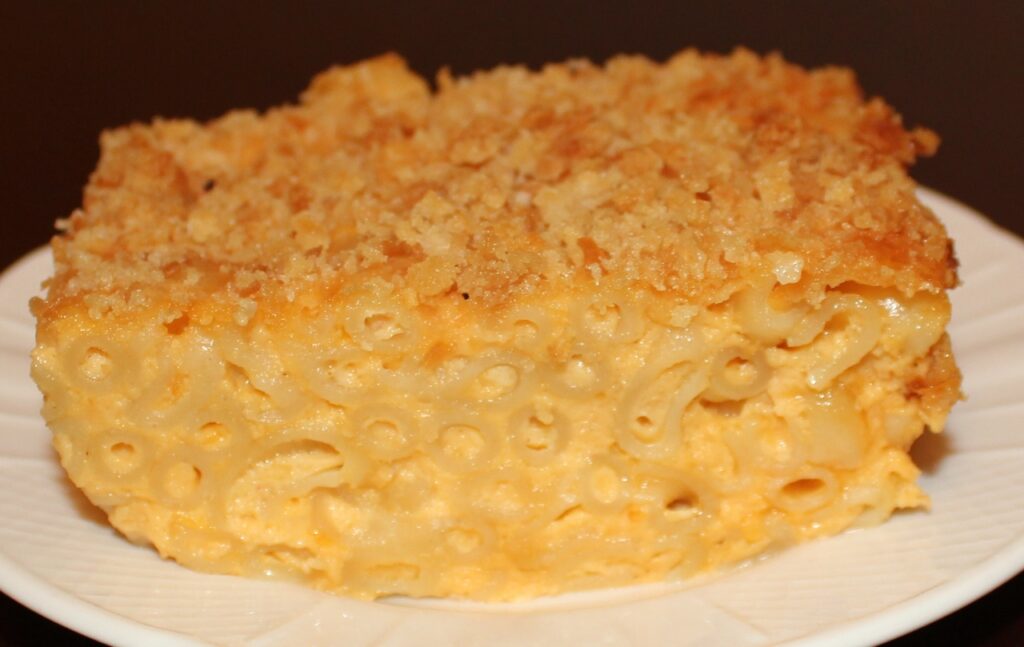
Vintage macaroni and cheese relied on sharp, aged cheddar to deliver boldness. Older recipes avoided excessive cream, instead letting cheese provide flavor and body. Aged cheddar melts into a sauce that clings to pasta, offering tang and depth rather than sweetness. Breadcrumb or baked tops added contrast and texture. This version was hearty and filling, designed to stand alone as a dinner. The aging process concentrates flavor, allowing smaller amounts of cheese to carry the dish. This recipe reflects practicality paired with indulgence, where cheese was respected for its strength rather than softened for mass appeal. It was meant to satisfy hunger, not just comfort.
4. French Onion Soup with Gruyère
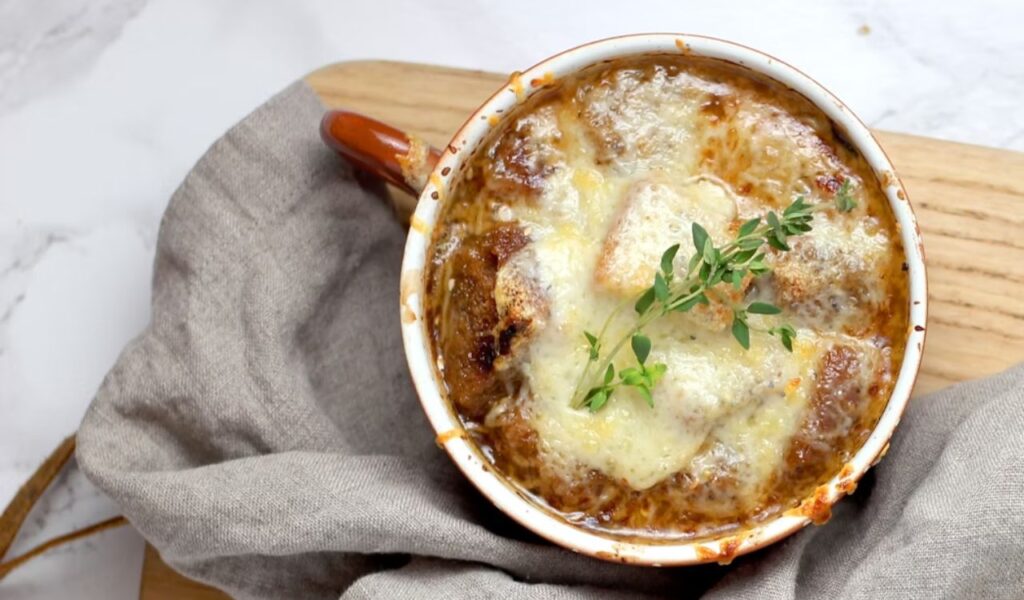
French onion soup is built around patience and aged cheese. Long-cooked onions develop sweetness that balances the nutty, slightly salty bite of Gruyère. The cheese forms a crust over the broth, melting into the bread while browning on top. Aged Gruyère stretches smoothly and holds flavor under heat, making it ideal for broiling. This soup was meant to be sustaining and comforting, using simple ingredients elevated through time and technique. The cheese is essential, not optional, providing richness and structure that complete the dish. It reflects classic European reliance on aged cheeses for depth.
5. Quiche Lorraine with Aged Swiss
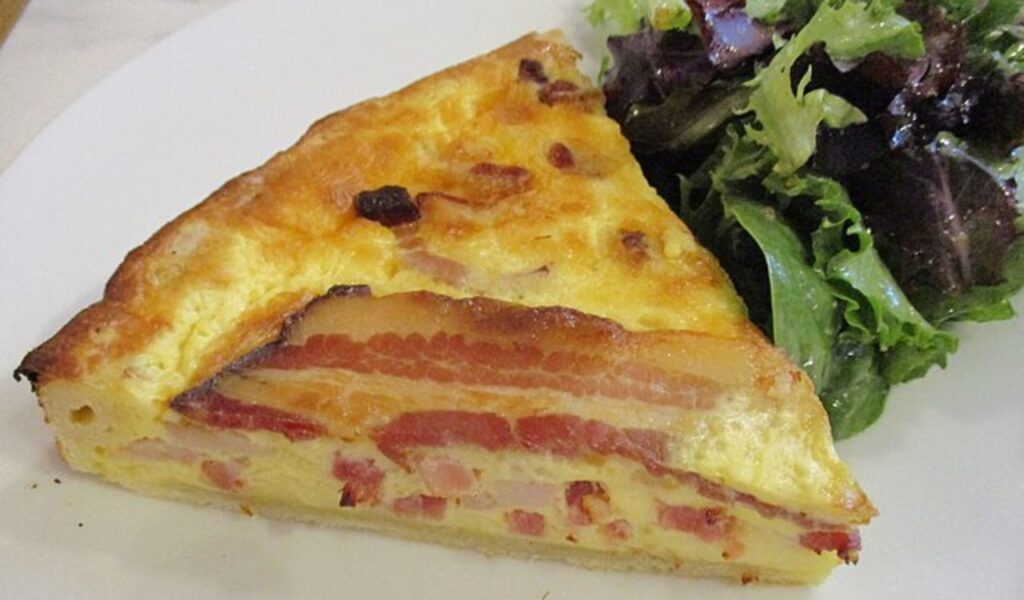
Quiche Lorraine traditionally uses aged Swiss or Gruyère for its firm texture and nutty flavor. The cheese integrates with eggs and cream to create a custard that sets cleanly without becoming rubbery. Aged cheese brings complexity that balances richness, preventing the quiche from tasting flat. The pastry shell adds contrast and structure. This dish was practical for serving groups and holding well at room temperature. The cheese plays a central role, reinforcing how vintage cooking relied on aging to build flavor naturally instead of layering seasonings. Aged Swiss keeps the custard flavorful even when cooled. This made quiche ideal for buffets and gatherings.
6. Cauliflower Gratin with Gruyère
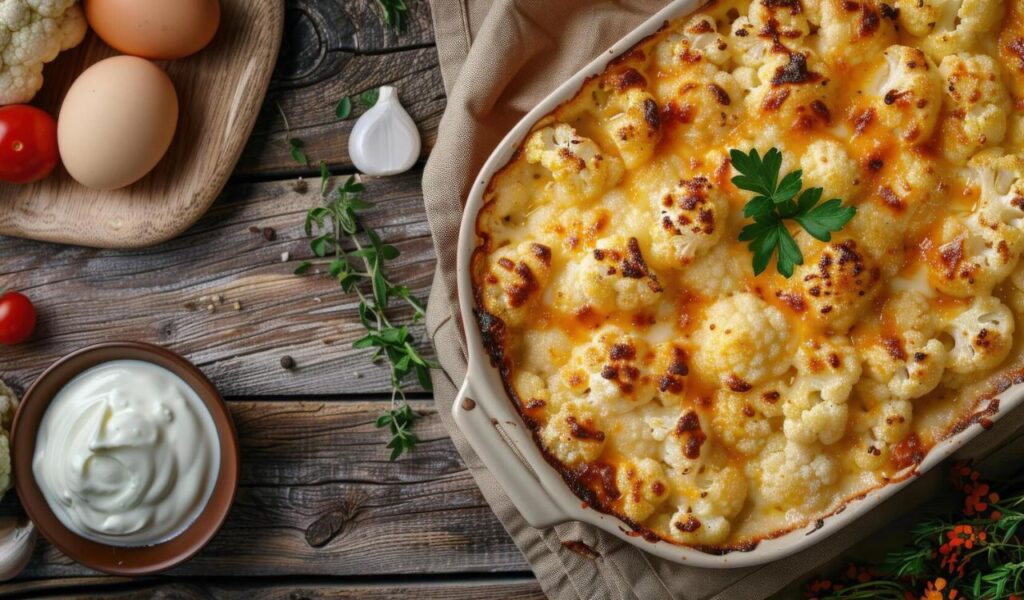
Cauliflower gratin turns a mild vegetable into a bold dinner by pairing it with aged Gruyère. The cheese melts into a sauce that coats the cauliflower, adding nuttiness and salt that the vegetable alone lacks. Baking allows the top to brown, creating texture and depth. Older recipes used restraint, allowing cheese flavor to lead rather than overwhelm. Gruyère’s aging gives the dish backbone, making it satisfying without meat. This gratin reflects a time when vegetables were elevated through cheese rather than hidden beneath it. The dish relies on balance rather than excess sauce. Aged Gruyère gives cauliflower purpose and presence.
7. Pasta al Gorgonzola
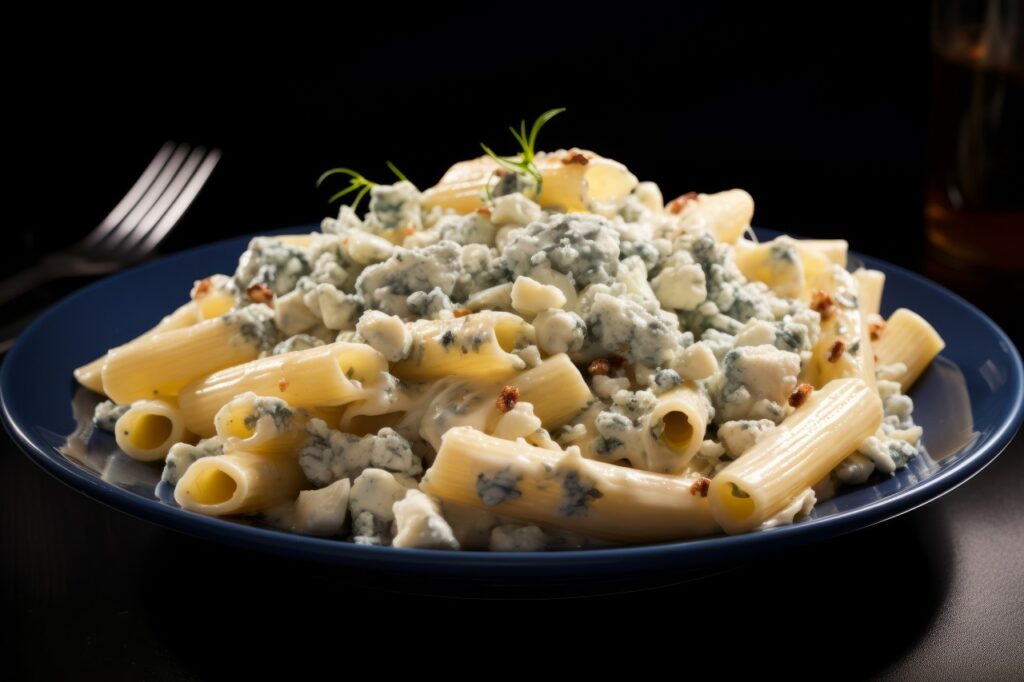
Pasta al Gorgonzola highlights how aged blue cheese was used confidently in vintage cooking. Gorgonzola melts into a creamy sauce with sharp, earthy notes that define the dish. The pasta provides neutrality and structure, allowing the cheese to shine. This dish relies on balance, since aged blue cheese can dominate if misused. Proper technique ensures smooth texture and bold flavor without harshness. It represents Italian tradition that respects aging as a source of richness and character rather than excess. The dish uses simplicity to showcase strength. Aged blue cheese replaces the need for heavy seasoning.
8. Spinach and Blue Cheese Casserole
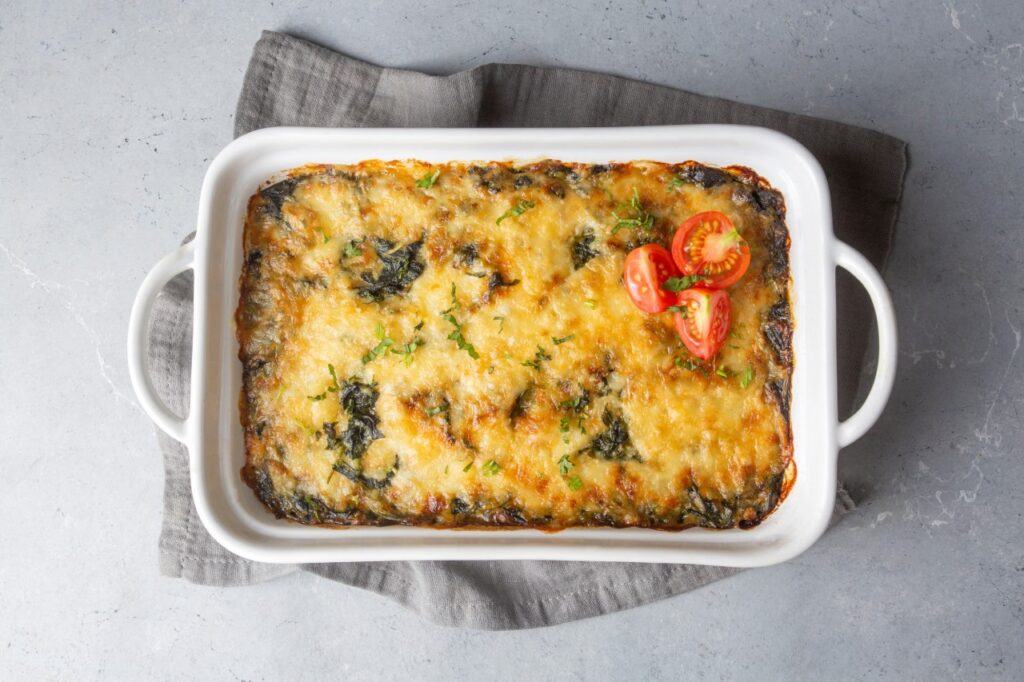
Spinach and blue cheese casseroles leaned on aged blue cheese for contrast and depth. Spinach brings mild bitterness and moisture, while blue cheese adds salt, tang, and complexity. Baking blends flavors while allowing the cheese to remain distinct. Vintage casseroles were designed to be filling and practical, often serving as a main dish. Aged cheese ensured the flavor held up through baking and reheating. This dish reflects confidence in strong flavors and an understanding of how cheese aging enhances structure and taste. The combination prevented spinach from tasting dull. Blue cheese gave the casserole identity and staying power.
9. Cheese-Stuffed Meatloaf with Sharp Cheddar
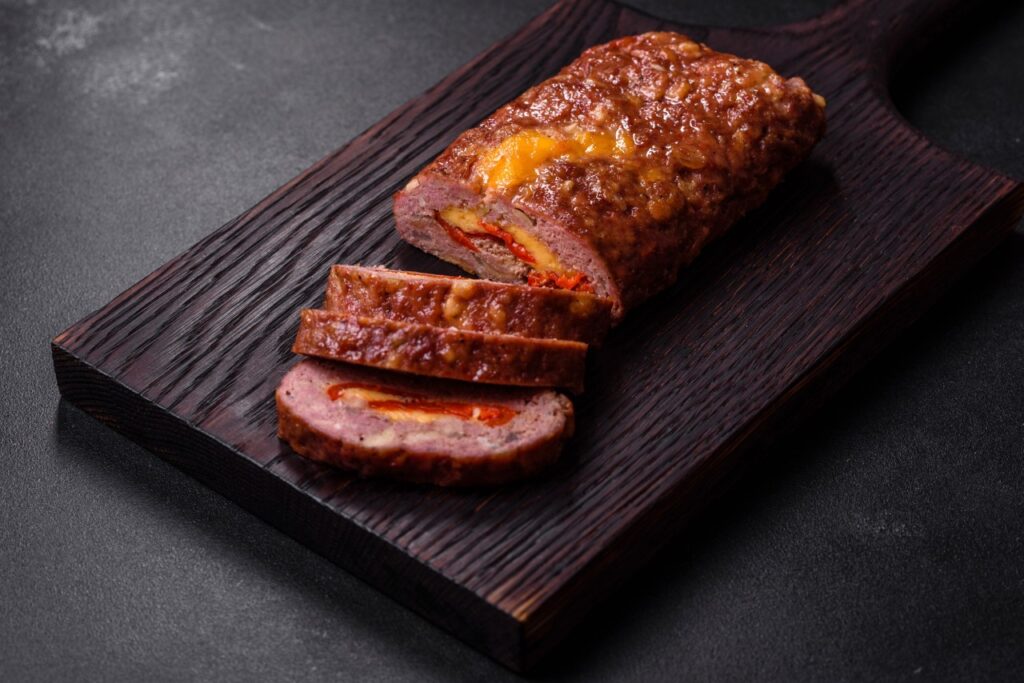
Stuffing meatloaf with sharp aged cheddar adds richness and surprise. The cheese melts slowly, creating a savory center that contrasts with seasoned meat. Aged cheddar holds flavor even when baked, preventing blandness. This dish was designed to stretch ingredients while increasing satisfaction. The sharpness of the cheese cuts through fat, keeping the dish balanced. It reflects mid-century cooking, where cheese elevated everyday meals into something memorable and comforting. The melted center made the leftovers just as appealing. Aged cheddar ensured flavor lasted beyond the first serving. It also encouraged thicker slices, since the cheese held its shape once cooled.
10. Fondue Savoyarde
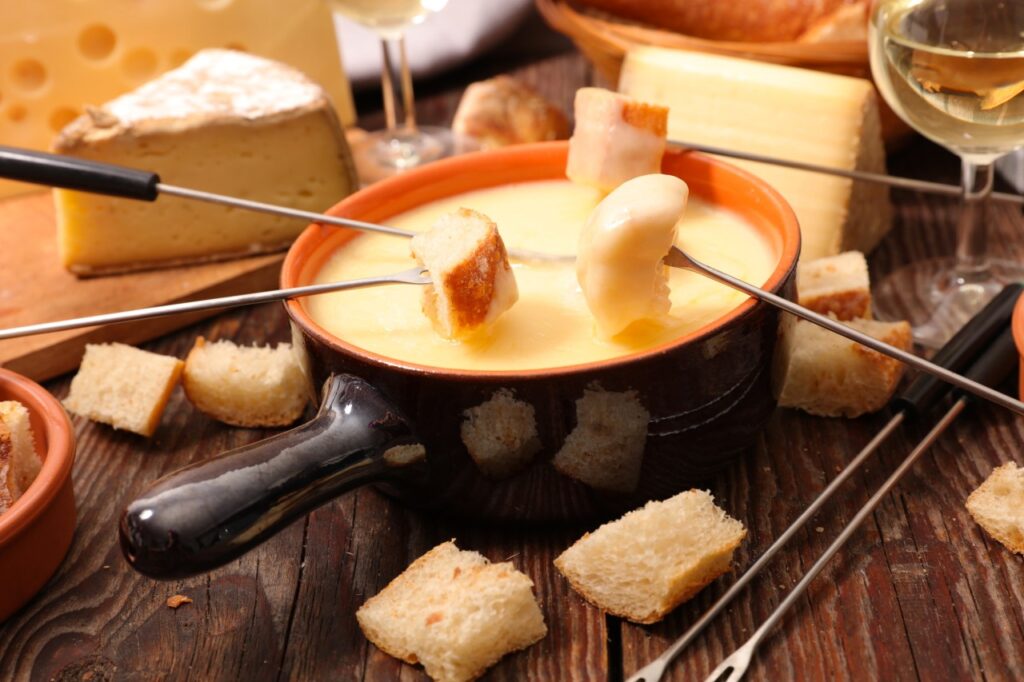
Fondue Savoyarde depends entirely on aged Alpine cheeses like Gruyère and Emmental. These cheeses melt smoothly and offer nutty depth that defines the dish. Wine and garlic balance richness while preventing separation. Fondue was designed as a communal meal, emphasizing warmth and shared experience. Aged cheese ensures flavor remains bold even when diluted by wine. This dish reflects European reliance on aging to build complexity naturally, turning simple ingredients into a complete dinner. Without aged cheese, fondue lacks structure. Aging gives the dish stability and depth. The slow-dipping ritual also keeps the meal social and unhurried.
11. Croque Monsieur

Croque Monsieur uses aged Gruyère to bring structure and flavor to a simple sandwich. The cheese melts evenly and browns beautifully, forming a crisp top. Its nutty depth balances ham and béchamel. Vintage versions relied on aged cheese to prevent the sandwich from tasting flat. The result is rich but controlled, reflecting classic French balance. This dish shows how aged cheese can transform everyday bread and meat into a refined meal. Gruyère gives the sandwich purpose beyond convenience. Aging elevates it from snack to dinner. The crisp exterior and soft interior create a contrast that keeps each bite interesting.
12. Twice-Baked Potatoes with Aged Cheddar

Twice-baked potatoes rely on aged cheddar for boldness and texture. The cheese melts into the potato, adding sharpness that balances starch and butter. Baking twice allows flavors to concentrate and textures to set. Aged cheddar ensures the filling tastes full without excess seasoning. This dish was practical, filling, and adaptable. It reflects vintage cooking values where aged cheese provided strength, comfort, and lasting flavor in simple, satisfying dinners. The sharp cheese prevents the filling from tasting flat. Aging turns a humble potato into a complete meal. It also helps the filling reheat cleanly without becoming watery.