9 South American Specialties That Taste Like Pure Culinary History

Some dishes do more than satisfy hunger. They carry the memory of land, labor, and people who cooked with what they had and passed those methods forward without writing them down. Across South America, certain foods still taste the way history shaped them, not polished or modernized beyond recognition. These specialties were built around survival, geography, and community long before they reached restaurant menus. Eating them today is not about novelty or trend. It is about tasting continuity, resilience, and traditions that remain alive because they were useful, nourishing, and deeply rooted.
1. Feijoada
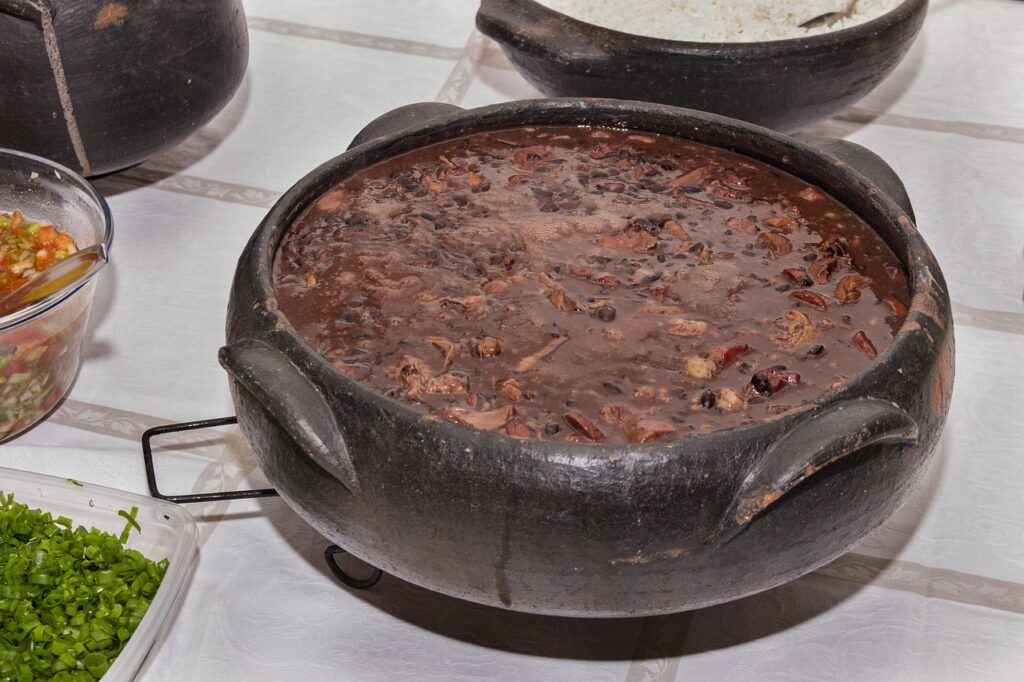
Feijoada tastes like history because it was born from survival and community rather than luxury. This slow-cooked black bean stew developed during Brazil’s colonial period, when enslaved Africans were given tougher cuts of pork that required long cooking to become edible. Beans provided affordable protein and structure, while pork added fat and depth. Over time, the dish evolved from necessity into a shared cultural ritual, traditionally cooked over hours and eaten together. The flavor is heavy, smoky, and grounding, reflecting the patience required to prepare it. Accompaniments like rice, sautéed greens, and orange slices are not decorative.
2. Ceviche
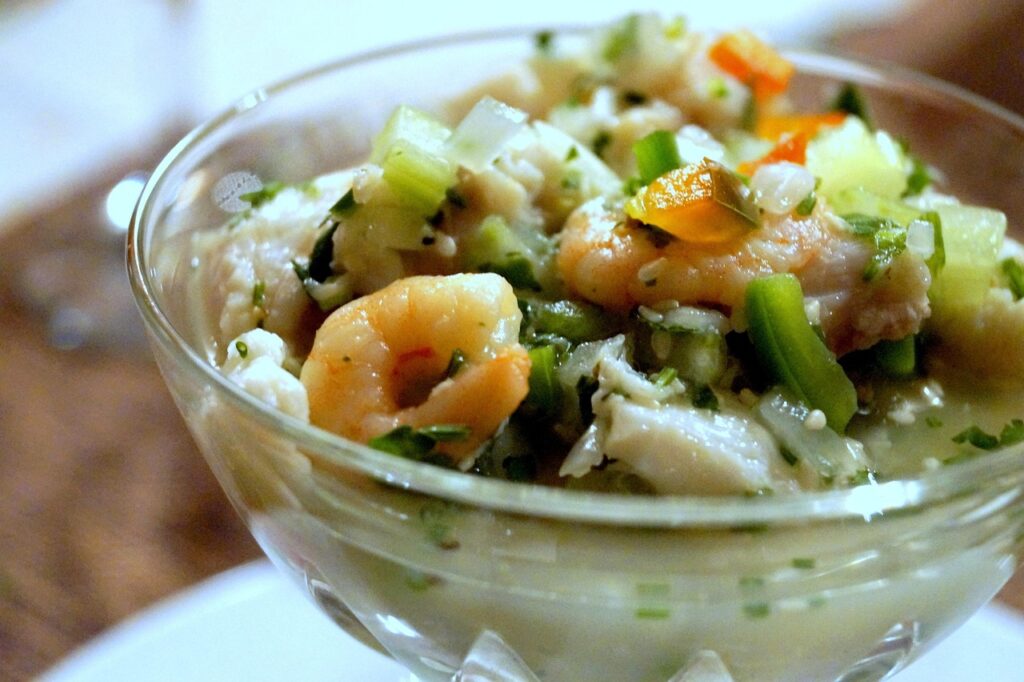
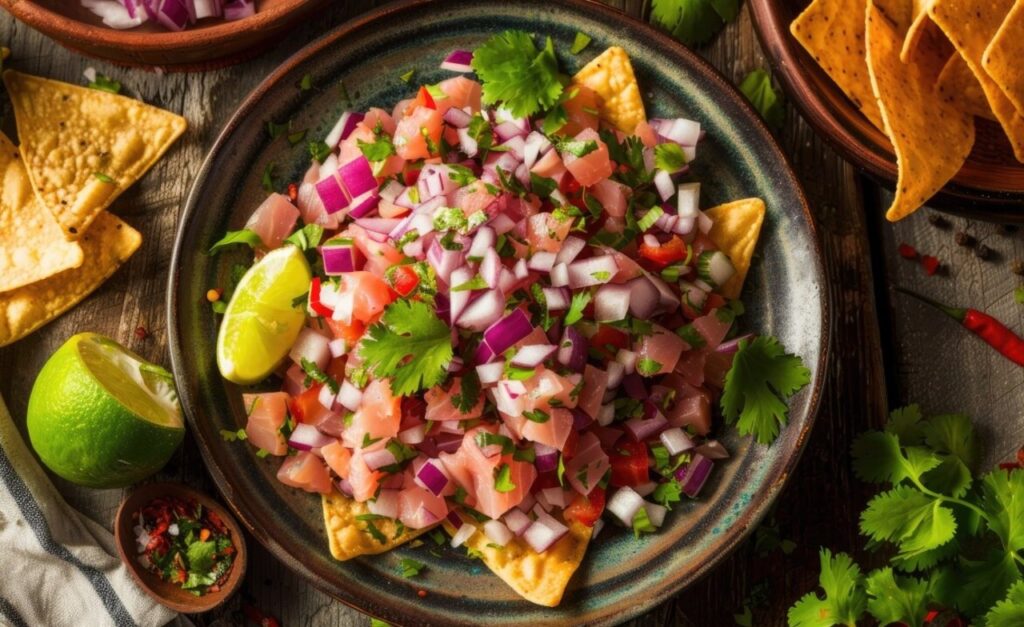
Ceviche tastes ancient because its foundation predates modern kitchens by centuries. Coastal Indigenous cultures in what is now Peru preserved fish using citrus, salt, and chili long before refrigeration existed. The sharp acidity denatures proteins, making fish safe to eat while enhancing flavor. When Spanish settlers arrived, ingredients like lime and onion reshaped the dish without erasing its original purpose. The result is clean, bright, and bracing, with no excess fat or heaviness. Every element serves a function. Fresh fish reflects proximity to the sea, citrus preserves and flavors, and chilies stimulate appetite. Ceviche is eaten quickly because freshness is essential.
3. Asado
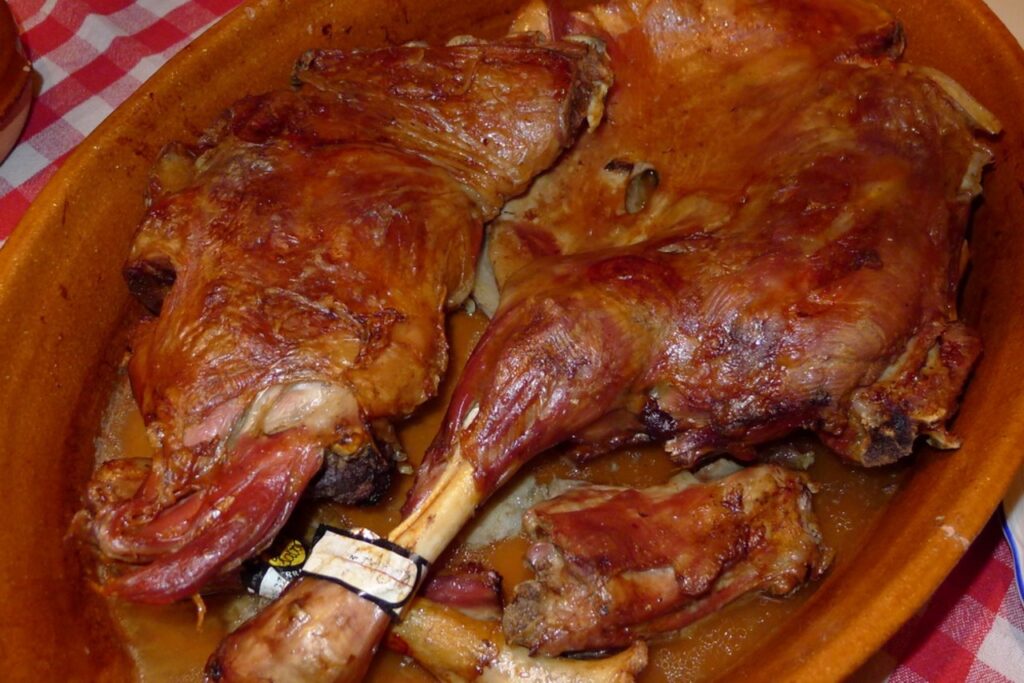
Asado feels historical because it reflects a way of life built around land and time. Developed by Argentine gauchos, this grilling tradition suited open plains where cattle were abundant, and kitchens were not. Meat was cooked slowly over wood or charcoal, seasoned simply with salt to let quality speak. The flavor comes from fire management rather than complex marinades. Asado is as much about gathering as eating. Cooking takes hours, encouraging conversation and patience. Cuts are served gradually, not rushed. The taste is deep and clean, highlighting beef raised on grass and cooked with restraint. This method values skill over speed.
4. Humitas
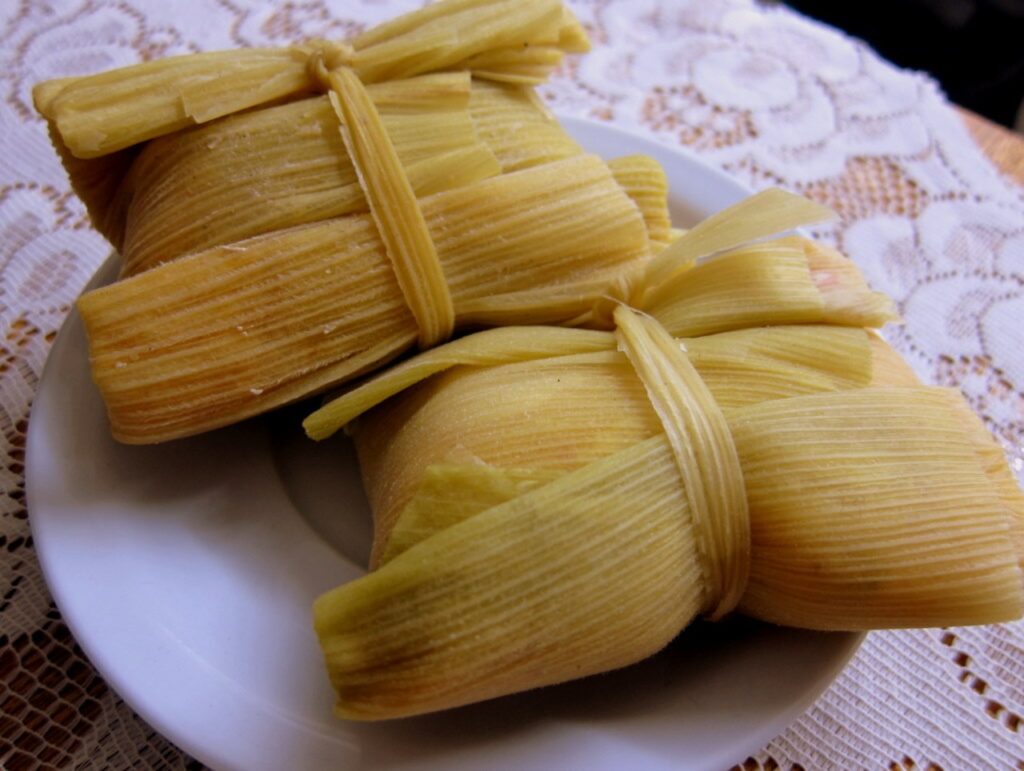
Humitas taste like agricultural history wrapped in corn husks. Originating in the Andes thousands of years ago, they reflect societies that relied heavily on maize as a staple. Fresh corn is ground into a paste, lightly seasoned, wrapped in its own husk, and steamed. This method preserved moisture and nutrients while making the food portable. The flavor is gently sweet and earthy, with texture shaped by grinding rather than refinement. Humitas were designed to nourish farmers and travelers, not impress elites. Variations exist, but the core technique remains intact across regions. When eaten today, humitas still reflect seasonal rhythms and hands-on preparation.
5. Chipa
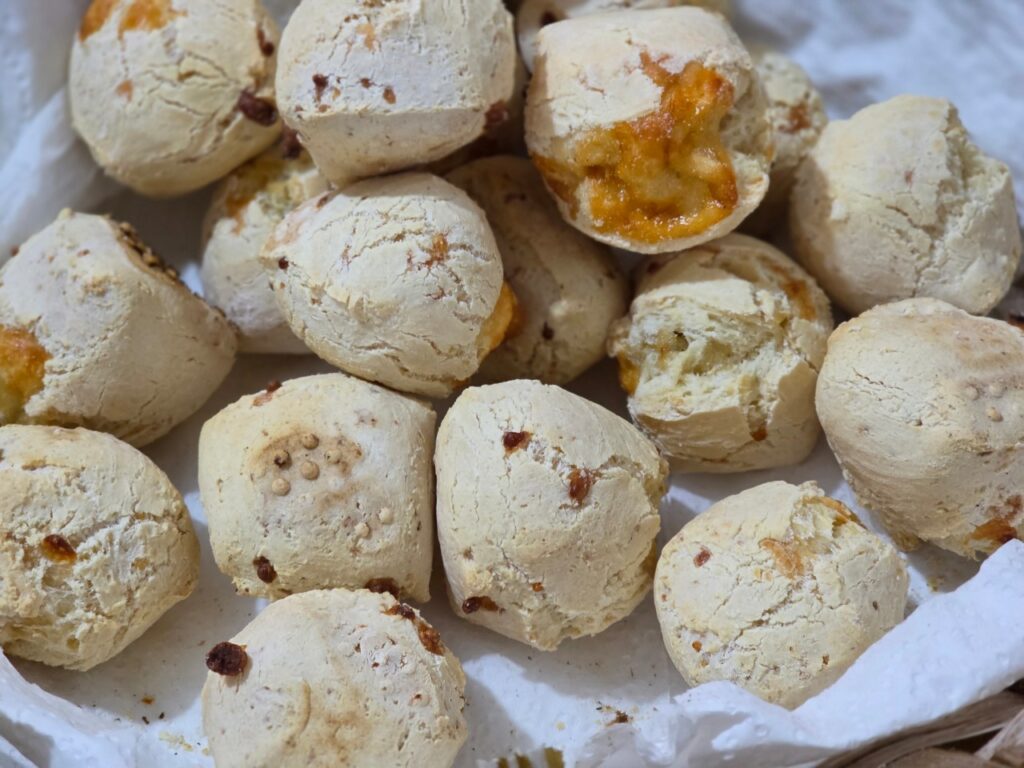
Chipa carries history through cultural blending rather than replacement. Developed in Paraguay, it combines cassava starch from Indigenous cooking with cheese introduced during colonization. Wheat was less reliable in the region, so cassava remained central. The result is dense, chewy bread with a distinct elasticity and mild saltiness. Chipa is baked, not fried, and relies on simple ingredients shaped by what was available locally. It became everyday food rather than a ceremonial dish, eaten warm and shared easily. The texture reflects adaptation rather than refinement. Eating chipa means tasting a region where Indigenous practices and colonial influences merged without erasing the other.
6. Locro
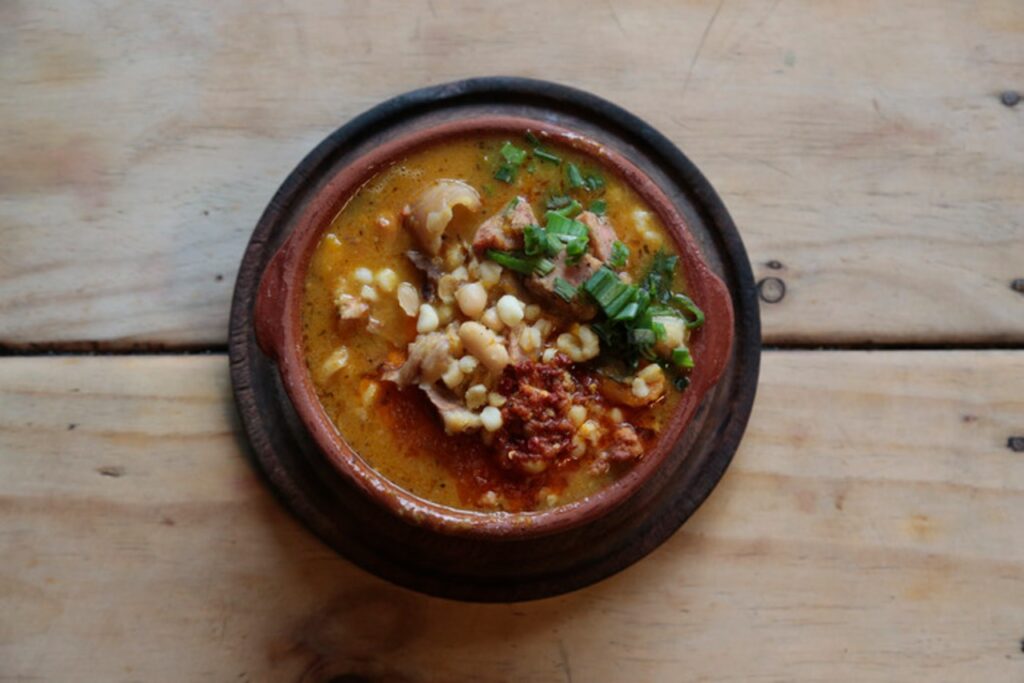
Locro tastes like endurance. This thick stew comes from Andean communities that cooked for altitude, labor, and cold. Corn, squash, beans, and meat are simmered together into a heavy, sustaining dish designed to release energy slowly. The texture is thick and comforting, not elegant. Locro was never meant to be light. It fueled long workdays and harsh climates. Ingredients were chosen for reliability and nutrition rather than status. Over time, locro became associated with festivals and national identity, but its core purpose never changed. The flavor is mild but deeply satisfying, built through time rather than seasoning.
7. Arepas

Arepas taste historical because they represent continuity. Made from ground corn, they existed long before wheat arrived in South America. Corn was soaked, ground, shaped, and cooked daily, forming the backbone of many diets. The flavor is intentionally mild, allowing fillings to vary, but the base remains unchanged. Arepas were portable, filling, and adaptable, making them ideal for daily life. Modern versions use precooked corn flour, but the method mirrors ancient preparation. Eating an arepa today connects directly to pre-colonial kitchens. It tastes simple because it was designed to be dependable. That simplicity is what gives it historical weight.
8. Anticuchos
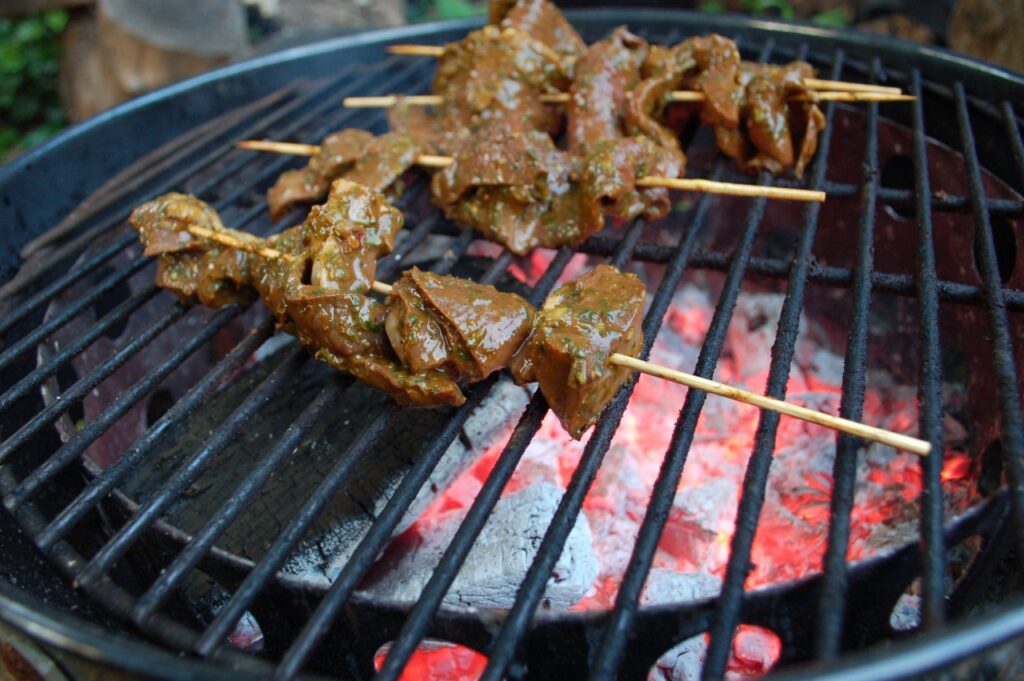
Anticuchos taste like history forged through constraint. Originating in the Andes and shaped during colonial times, they were developed by enslaved cooks who used discarded animal parts, especially heart. Marinades using vinegar, spices, and chilies tenderized tough meat while adding bold flavor. Skewering and grilling over fire made the food quick and accessible. The taste is smoky, tangy, and intense, reflecting efficiency rather than excess. Anticuchos became street food because they were affordable and filling. Their popularity endured because flavor overcame stigma. Today, they remain a visible reminder of resilience, turning scarcity into something deeply satisfying.
9. Moqueca
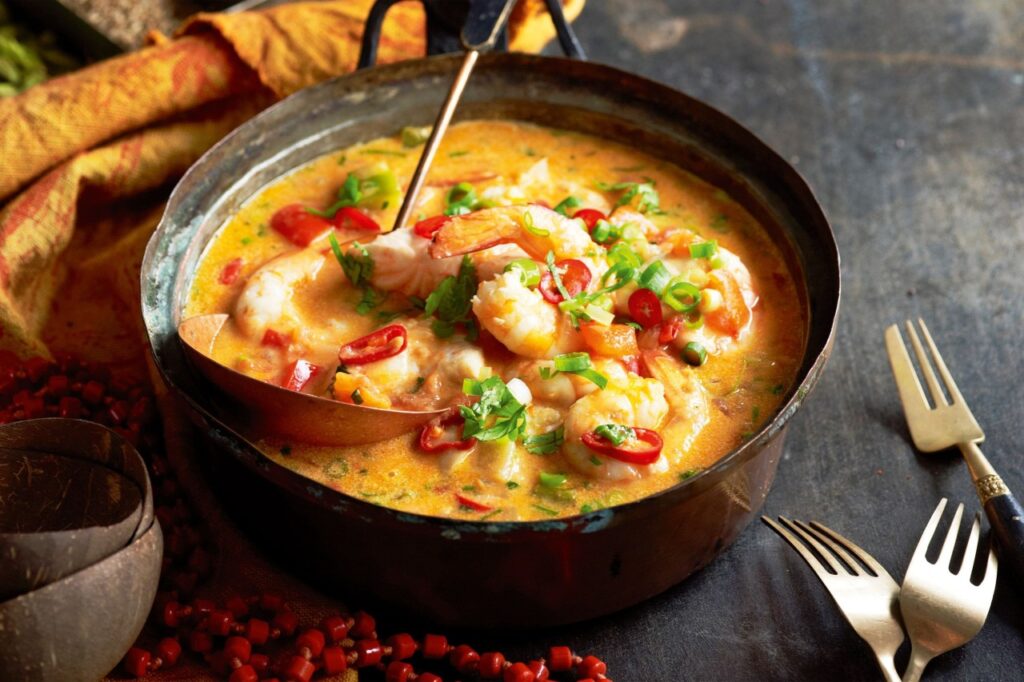
Moqueca tastes like a layered history simmered together. This Brazilian fish stew combines Indigenous cooking methods with African and Portuguese ingredients. Clay pots retain heat evenly, while coconut milk and palm oil add richness introduced through African influence. Seafood reflects coastal availability, and gentle cooking preserves freshness. Unlike aggressive stews, moqueca relies on balance rather than force. The flavor is warm, aromatic, and comforting, shaped by migration and geography. Each ingredient tells part of a story about movement, adaptation, and exchange. Moqueca remains regional and rooted, tasting less like a recipe and more like a memory passed through generations.