8 Boiled Dishes Americans Rarely Try but Totally Should

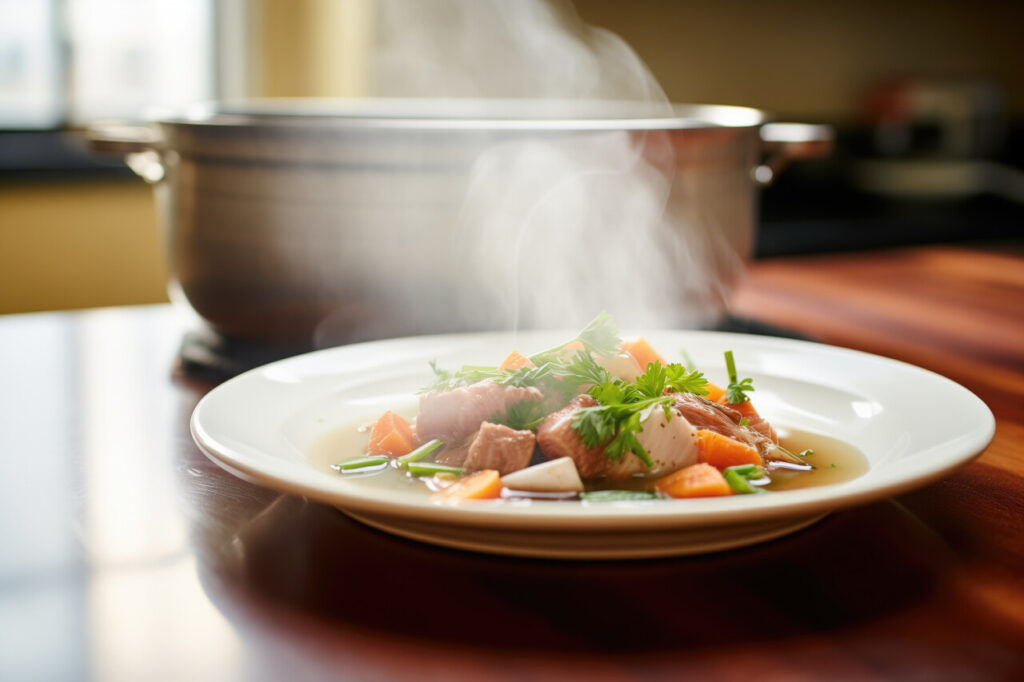
Boiling is often dismissed in American kitchens as bland or outdated, yet many of the world’s most comforting and flavorful dishes rely on gentle simmering to build depth and texture. When done well, boiling draws out natural sweetness, softens tough cuts, and creates broths that feel nourishing rather than heavy. These dishes show how patience, balance, and simple ingredients can turn a pot of simmering liquid into something deeply satisfying. Exploring boiled dishes opens the door to global comfort food that feels both wholesome and surprisingly rich in character.
1. Vietnamese Pho Bo That Builds Deep Flavor Through Gentle Simmering
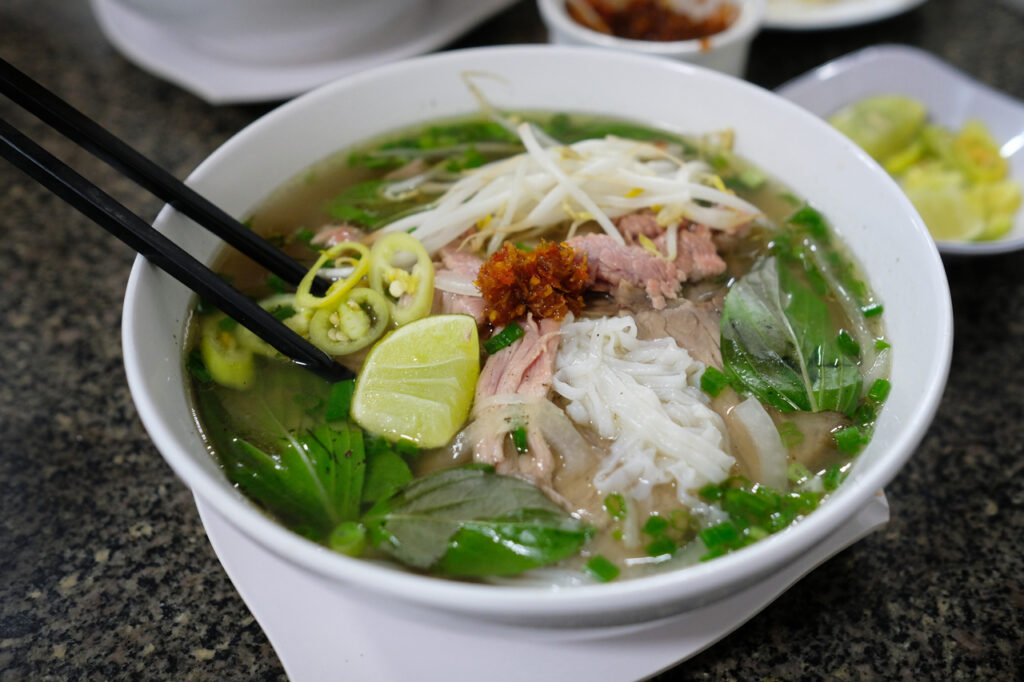
Pho Bo may appear simple at first glance, but its depth stems from hours of careful boiling and skimming. Beef bones are simmered slowly to release collagen and minerals, creating a clear yet deeply flavored broth. Aromatics like charred onion, ginger, star anise, and cinnamon are added to build warmth without heaviness. Thin slices of beef cook gently in the hot broth right before serving, keeping the meat tender rather than overdone. Fresh herbs, lime, and chili add brightness and contrast at the table. Many Americans associate boiling with blandness, but Pho Bo proves that careful simmering can create layers of flavor that feel clean, comforting, and deeply satisfying without relying on heavy fats or sauces.
2. Japanese Oden That Turns Simple Ingredients Into Comfort Food
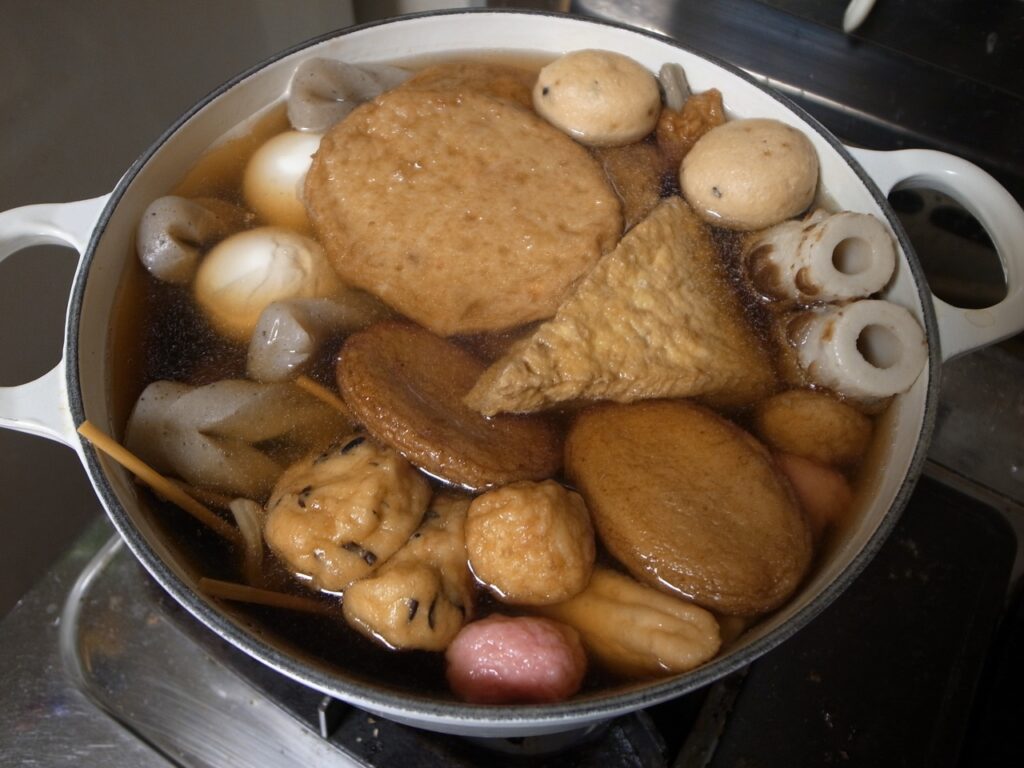
Oden is a winter staple in Japan, built around a lightly seasoned broth made from kombu and soy-based stock. Ingredients such as daikon radish, boiled eggs, tofu, fish cakes, and konjac simmer for hours, absorbing flavor while keeping their own textures. The magic of oden lies in patience. Slow boiling allows the broth to penetrate each ingredient gently rather than overpowering it. The result is a meal that feels warming and nourishing without being heavy. For Americans used to bold sauces and fast cooking, oden can feel unfamiliar, but its subtle balance highlights how boiling can enhance natural flavors and create comfort through simplicity and time.
3. Italian Bollito Misto That Celebrates Meat Through Slow Cooking
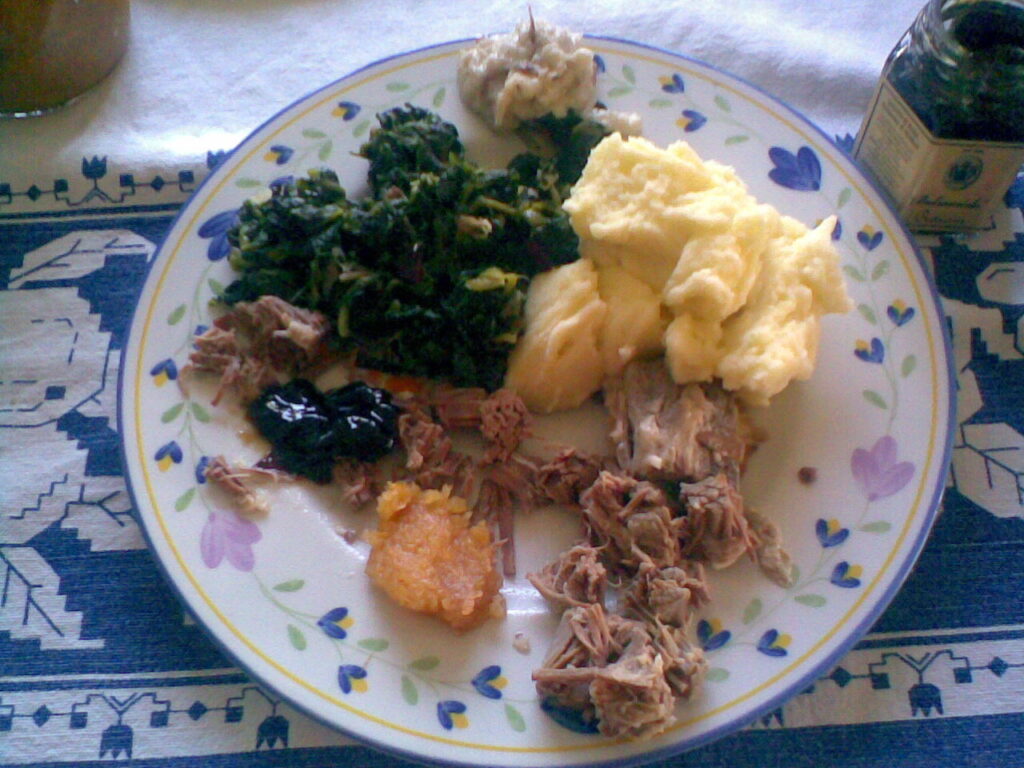
Bollito misto is a traditional Italian dish where several cuts of meat are gently boiled together, often including beef shank, brisket, tongue, or chicken. The slow simmer keeps the meat moist while drawing out rich broth that becomes part of the meal. The meats are sliced and served with bright sauces such as salsa verde or mustard fruits, which provide contrast to the tender texture. This method allows tougher cuts to become silky and flavorful without frying or roasting. Many American kitchens overlook boiling meats beyond soup, but bollito misto shows how boiling can preserve purity of flavor while delivering comfort and variety in one dish.
4. Korean Seolleongtang That Uses Time Instead of Spices for Depth
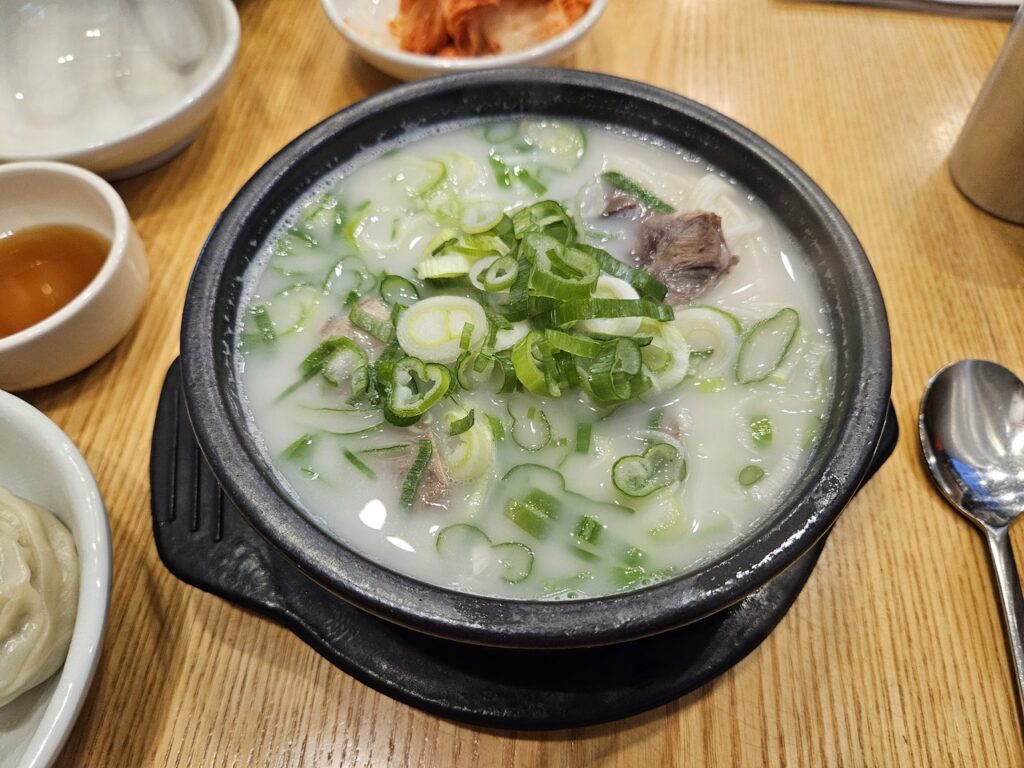
Seolleongtang is a milky white soup made by boiling beef bones, brisket, and knuckles for many hours until the collagen breaks down and turns the broth opaque. The flavor is clean, rich, and subtly beefy rather than heavily seasoned. Diners usually season their own bowls with salt, pepper, and scallions, allowing personal control of taste. The broth feels nourishing and soothing, especially in colder weather or when recovering from illness. Americans often expect bold seasoning upfront, but seolleongtang shows how patience and technique can create depth naturally through slow extraction rather than added spices or fat.
5. French Pot au Feu That Turns Boiling Into Elegant Comfort
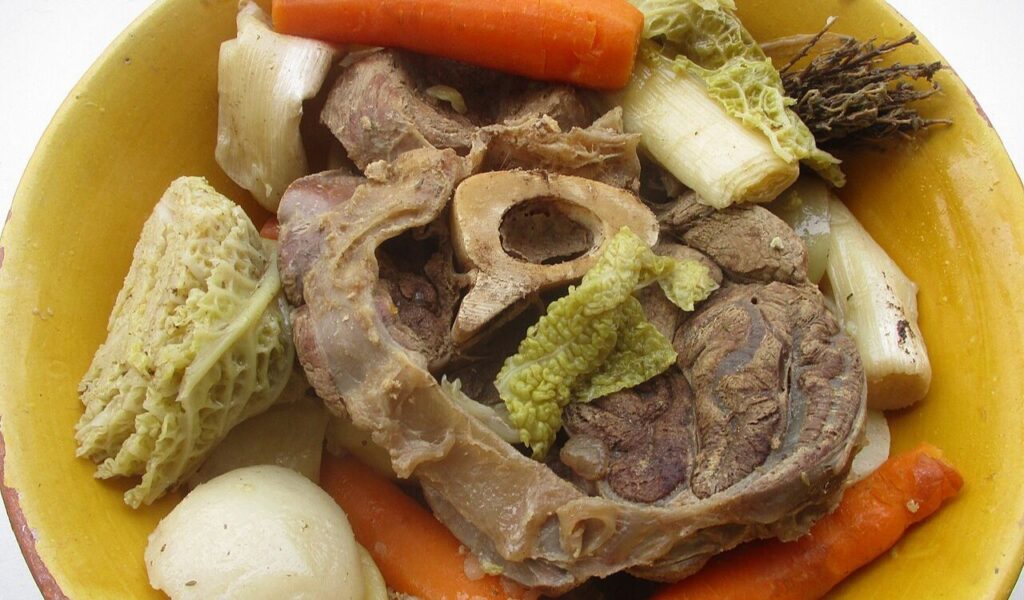
Pot au feu is France’s classic boiled dinner built around beef, marrow bones, and root vegetables simmered slowly together. The broth becomes clear and aromatic while the meat stays tender and juicy. Vegetables absorb savory richness without losing structure. The meal is often served in stages, broth first, then meat and vegetables with mustard or horseradish. This style emphasizes restraint and balance rather than intensity. Americans may associate boiling with hospital food, but pot au feu demonstrates how controlled simmering can deliver elegance, warmth, and satisfying depth using humble ingredients and careful timing.
6. Filipino Nilaga That Delivers Clean, Hearty Warmth
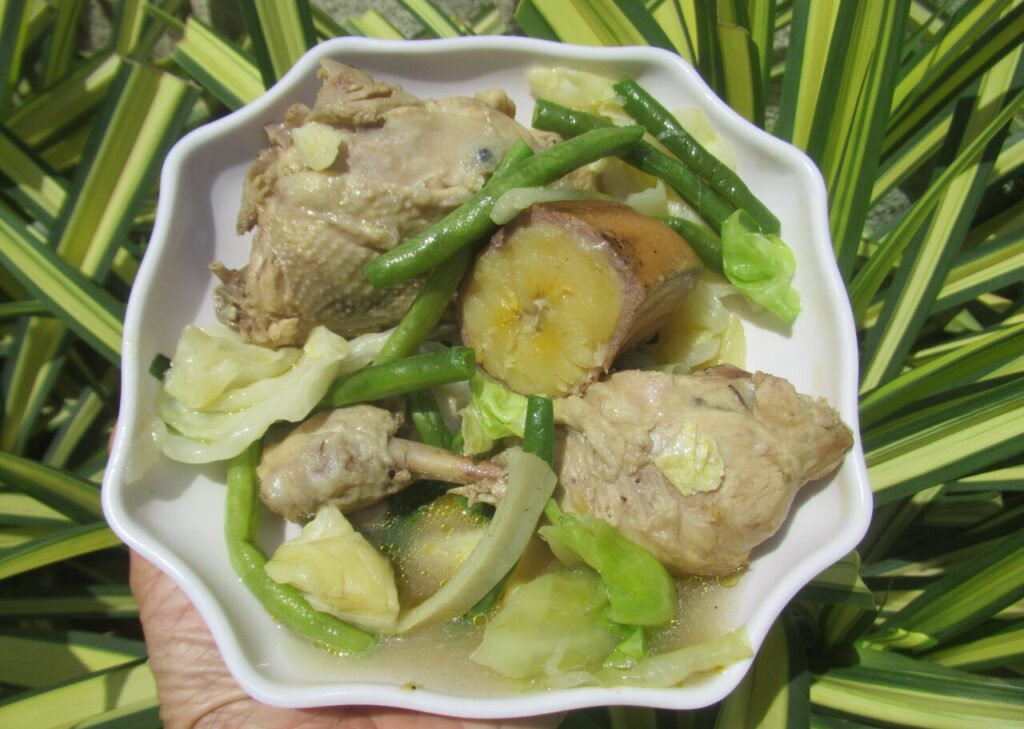
Nilaga is a comforting Filipino boiled stew featuring beef or pork, potatoes, corn, cabbage, and onions simmered together in a lightly seasoned broth. The result is a clean-tasting soup that highlights the natural sweetness of vegetables and the richness of the meat. Unlike heavily spiced stews, nilaga focuses on clarity and balance. It is filling without being greasy and easy to digest. For Americans unfamiliar with Southeast Asian boiled dishes, nilaga offers an approachable entry point because the flavors feel familiar while the cooking technique reveals how boiling can gently build complexity without overpowering ingredients.
7. Moroccan Harira That Balances Boiling With Layered Spices
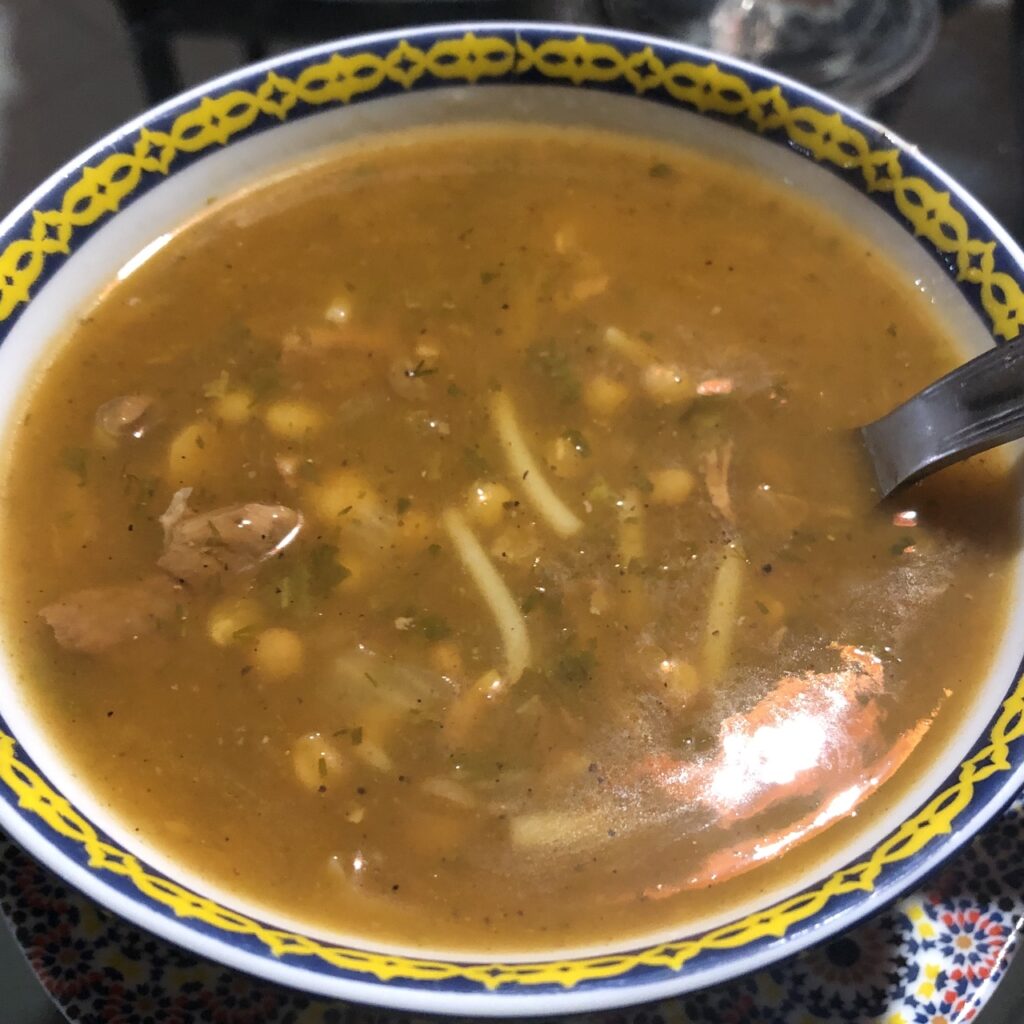
Harira is a Moroccan soup traditionally simmered with tomatoes, lentils, chickpeas, herbs, and meat. While boiling forms the base of the cooking method, careful spice layering brings warmth and aroma. The slow simmer allows legumes to soften and flavors to integrate smoothly. The soup is hearty yet balanced, offering protein, fiber, and hydration in one bowl. Americans often associate boiling with plain broths, but harira shows how simmering can support bold yet harmonious seasoning while maintaining nutritional balance and comfort.
8. Chinese Red Braised Pork Belly That Uses Gentle Simmering for Texture
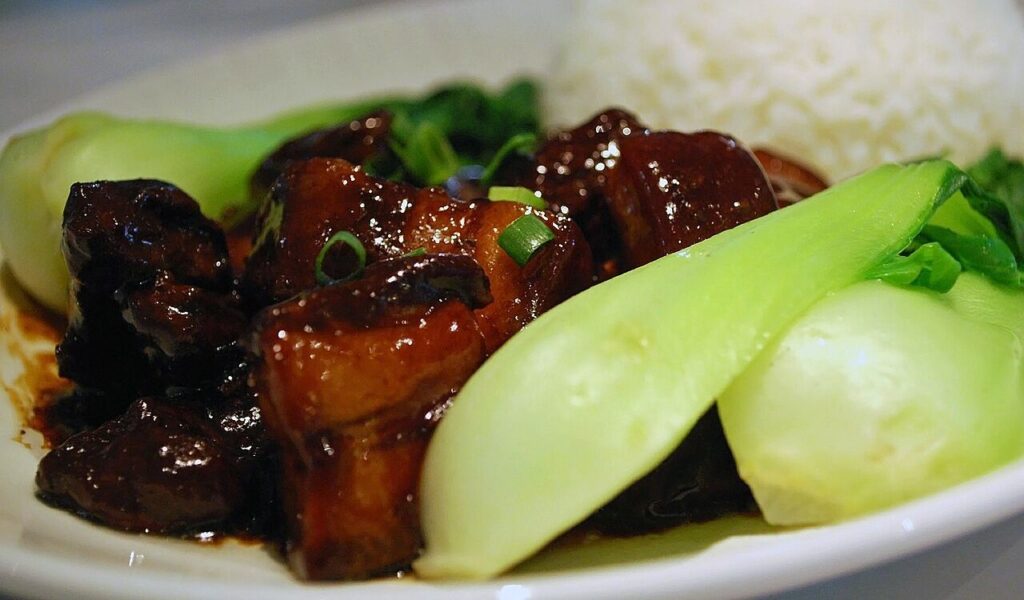
Red braised pork belly relies on slow simmering in soy sauce, sugar, aromatics, and water rather than high-heat cooking. The pork becomes meltingly tender as collagen breaks down, while the sauce thickens naturally around the meat. The boiling stage allows fat to render slowly and flavors to penetrate deeply. The result is rich but balanced, with sweetness and savory notes working together. Americans often shy away from long-simmered meats outside of barbecue or stew, but this dish highlights how boiling and gentle braising can transform tough, fatty cuts into deeply satisfying comfort food.