8 Fast Food Favorites Made with Lower Quality Ingredients

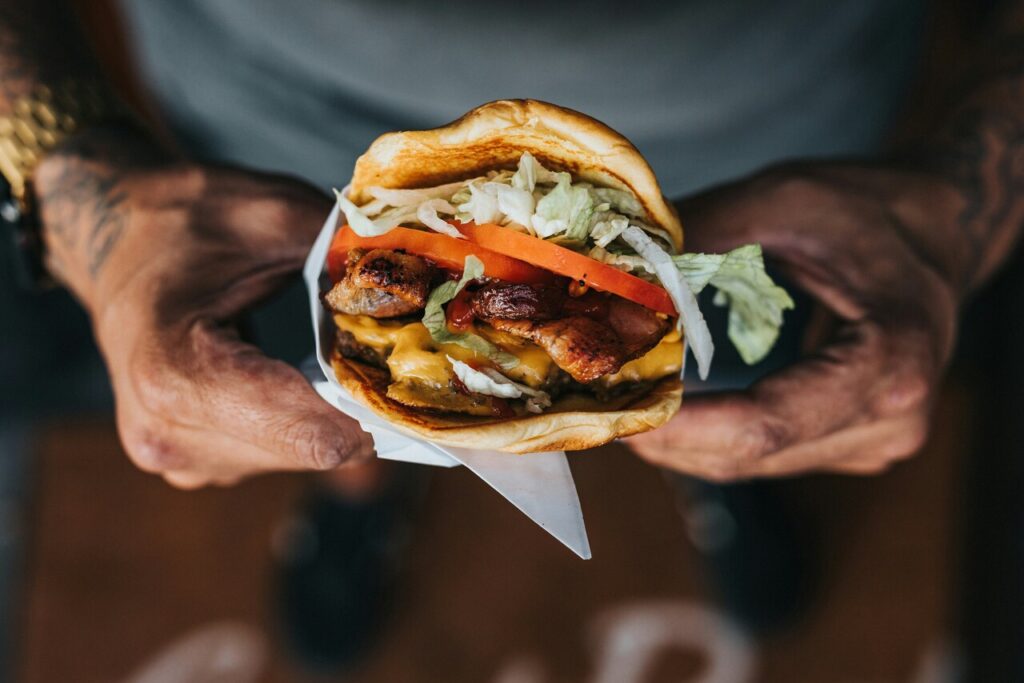
Fast food is built on speed, scale, and consistency, which often means ingredients are chosen for reliability rather than quality. Many popular menu items rely on processed meats, stabilizers, flavor enhancers, and engineered textures to deliver the same result every time. While these foods remain comforting and familiar, their construction tells a different story about how convenience reshapes what ends up on the tray. These favorites continue to sell well, not because of freshness, but because salt, fat, and repetition create dependable satisfaction that keeps customers coming back.
1. McDonald’s Chicken McNuggets
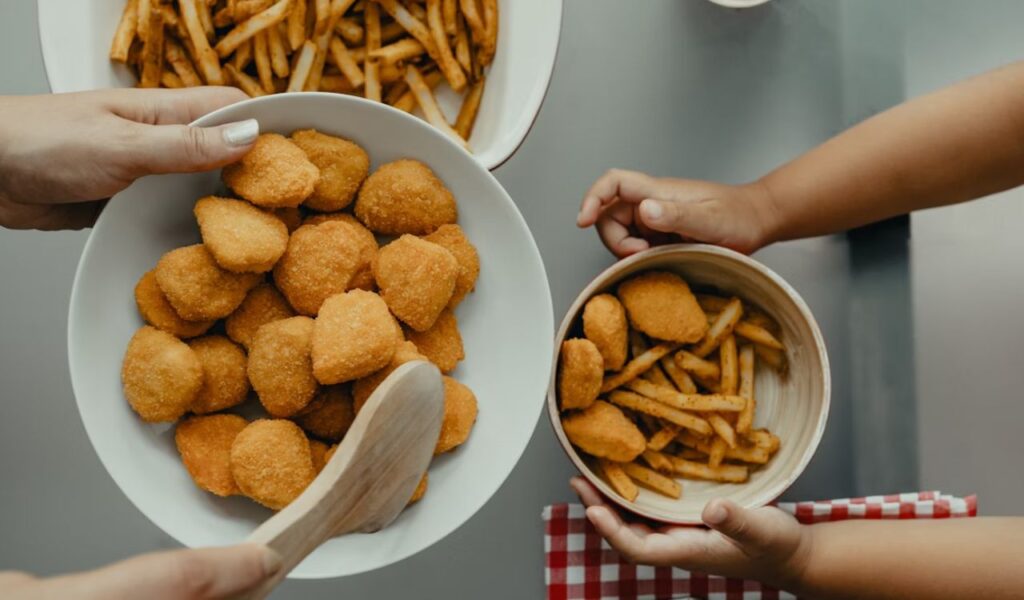
A lot of people associate these nuggets with comfort and consistency, but the ingredients tell a more complicated story. Chicken McNuggets are made from finely processed chicken rather than whole cuts, which changes both texture and flavor. Processing helps standardize shape and cooking time, but it also requires binders and stabilizers to hold everything together. Frying compensates for dryness that can occur during reheating. The result is a product engineered for speed and uniformity rather than freshness. While they remain popular, the eating experience is driven more by seasoning and sauce than by the quality of the chicken.
2. KFC Mashed Potatoes and Gravy
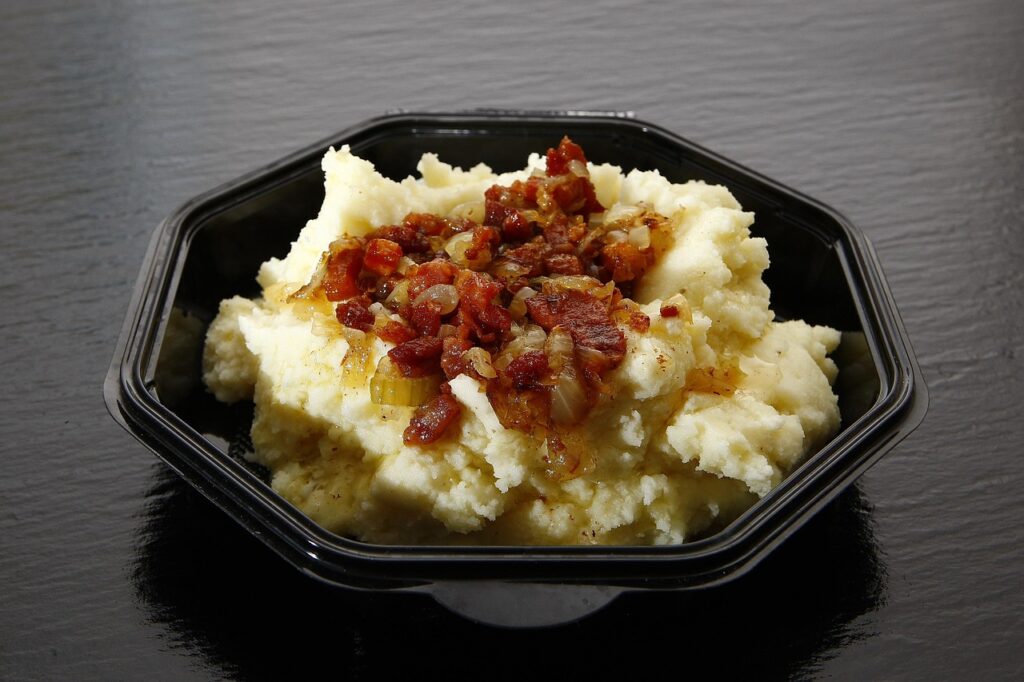
This side dish sounds simple and comforting, but it relies heavily on processed components. The potatoes are often reconstituted from flakes or mixes rather than freshly mashed tubers. That approach saves time and ensures consistency across locations, but it removes the natural texture and flavor variation that real potatoes provide. The gravy is designed to be thick and savory, yet it often depends on flavor enhancers instead of slow-cooked drippings. Together, the dish delivers warmth and salt but little depth. It fills space on the plate without contributing much substance. The appeal is familiarity, not ingredient quality.
3. Burger King Mac n’ Cheetos
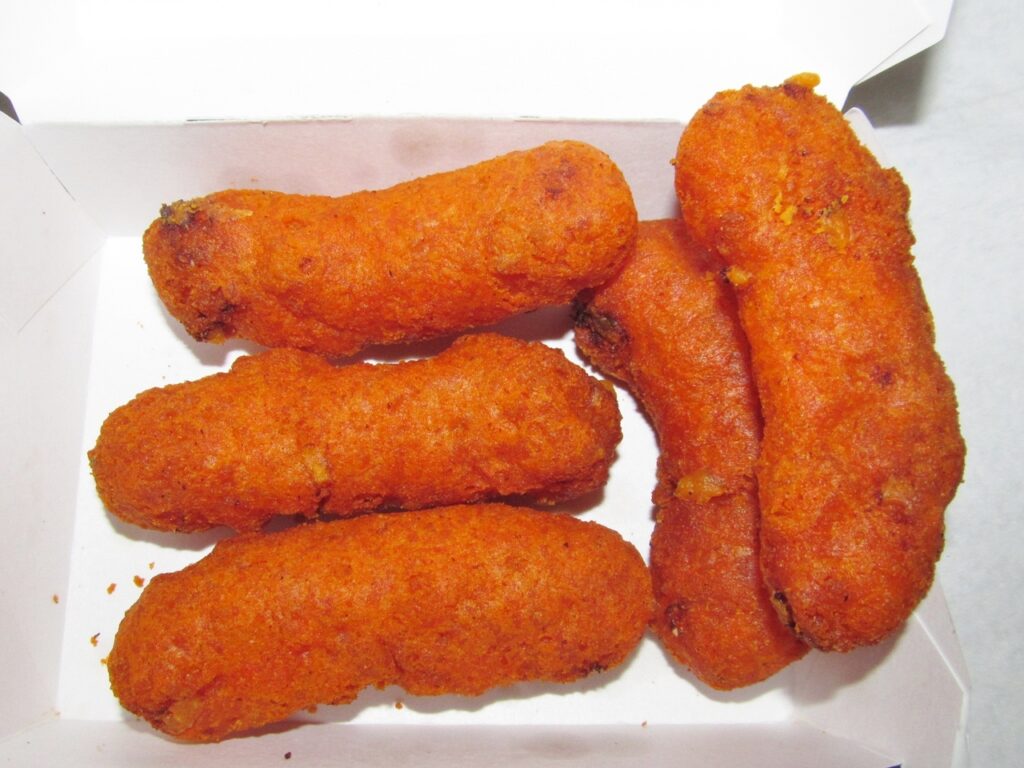
This item gained attention because of its novelty rather than its composition. Pasta and cheese filling wrapped in breading sounds indulgent, but the execution leans heavily on processed cheese powders and stabilizers. The interior lacks the elasticity and richness of real melted cheese. Frying adds crunch, yet it also highlights the absence of fresh dairy flavor. The pasta itself acts mostly as filler. What people taste most is salt and fat rather than recognizable ingredients. The popularity came from curiosity, not quality, and that difference becomes obvious after the first few bites. Once the novelty fades, the limitations stand out clearly.
4. McDonald’s McCrispy Sandwich
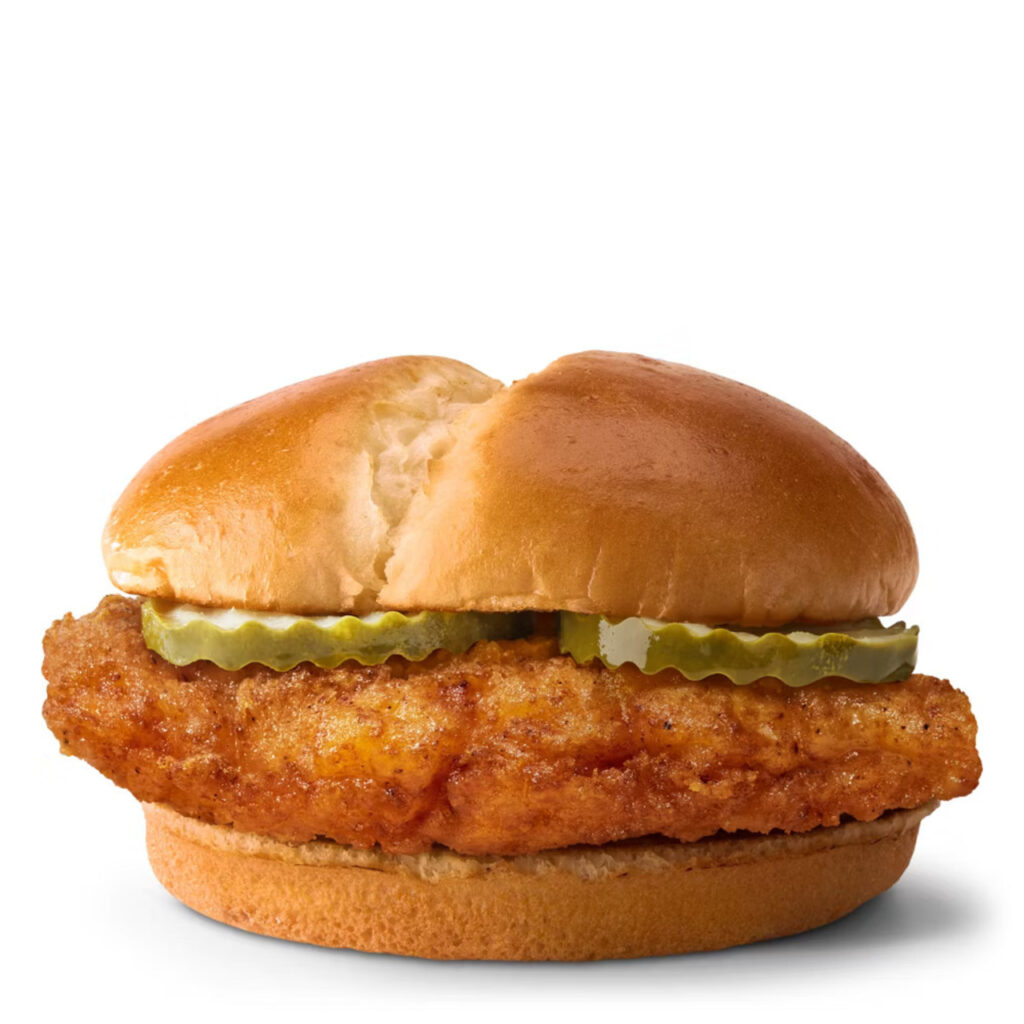
This sandwich was positioned as a step up, but many diners notice inconsistencies tied to ingredient sourcing. The chicken patty is processed for uniformity, which can lead to dryness when overcooked. Breading and sauce are meant to compensate, yet they often dominate the bite. The bun adds softness but little structure. When everything aligns, the sandwich is passable. When it does not, the texture suffers quickly. The experience depends more on assembly and frying accuracy than on the inherent quality of the meat. That reliance exposes the limits of lower-grade ingredients. Small errors become very noticeable.
5. Jack in the Box Tacos
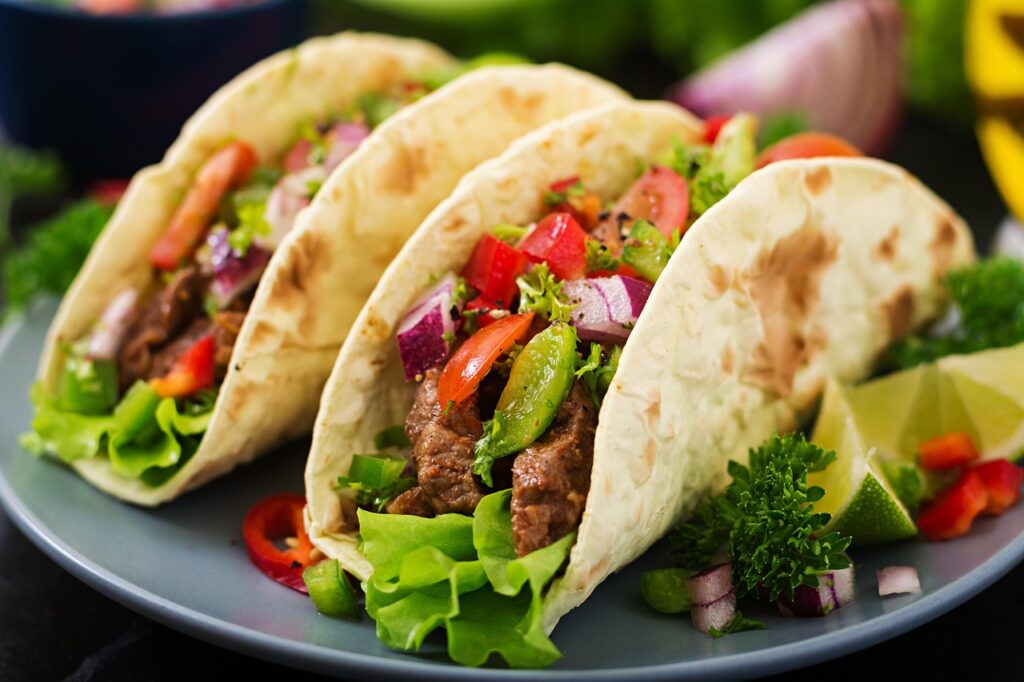
These tacos are famous for being cheap and oddly satisfying, but they are built on cost-cutting choices. The filling combines meat, fillers, and seasonings into a paste rather than using recognizable cuts. Shells are pre-fried and designed to hold shape rather than flavor. Lettuce and cheese provide contrast, but they are minimal. The taco succeeds because it is crunchy, salty, and nostalgic. It does not succeed because of ingredient integrity. People enjoy it knowing exactly what it is. That honesty is part of its appeal, even as quality takes a back seat. Expectations are low and usually met. The formula is designed around price first.
6. Taco Bell Cheesy Dipping Burrito
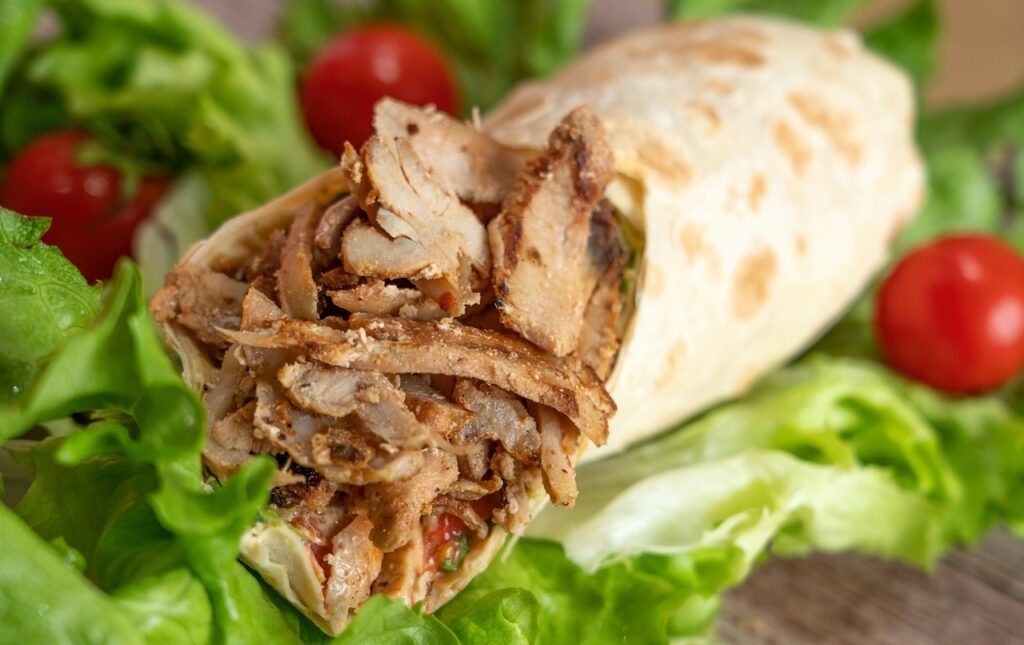
This burrito focuses on indulgence through melted cheese and sauce rather than fresh components. Tortillas are engineered to stay pliable, often containing conditioners that extend shelf life. The protein filling is heavily seasoned to compensate for its processed nature. Cheese sauces rely on emulsifiers for smoothness instead of real dairy richness. Everything is designed to dip, coat, and overwhelm the palate. Flavor comes from salt and fat rather than ingredient clarity. The burrito feels satisfying in the moment, but lacks the structure and freshness that make food memorable. Each bite blends into the next.
7. Fast Food Fries
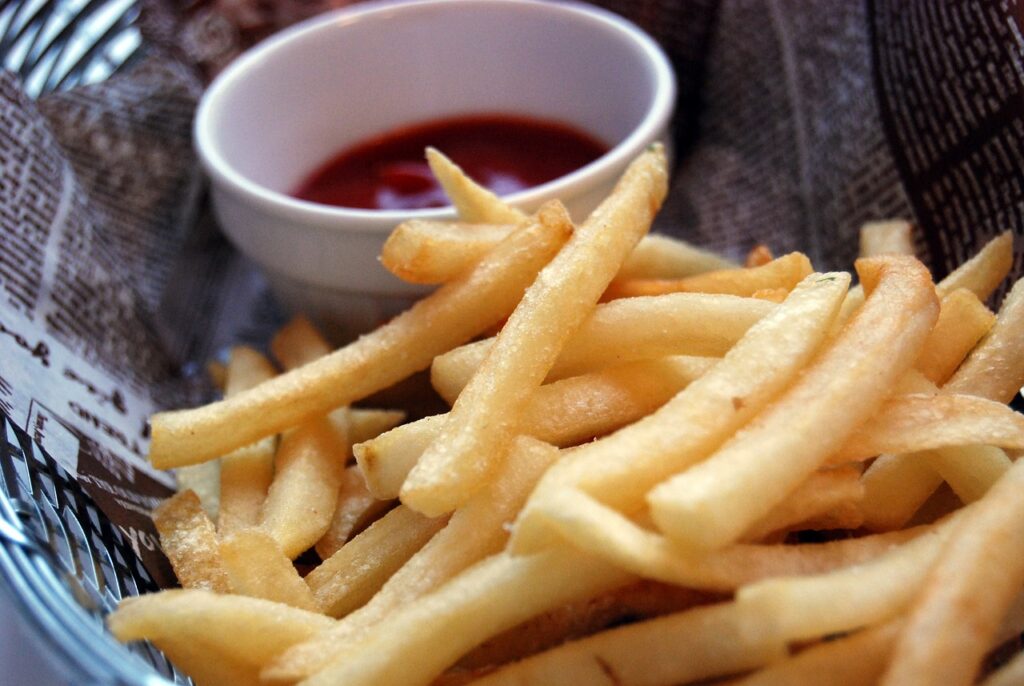
Fries are often treated as simple, yet fast food versions are among the most processed items on the menu. Potatoes are cut, blanched, and sometimes coated with additives to ensure color and texture. Oils are selected for stability over flavor. Salt becomes the primary taste driver. These steps allow fries to taste similar everywhere, but they strip away the natural sweetness and earthiness of fresh potatoes. What remains is crunch and familiarity. The fries succeed as a vehicle for salt and sauce, not as an expression of potato quality. Consistency matters more than character. Freshness is sacrificed for speed and scale.
8. Fast Food Soft Drinks
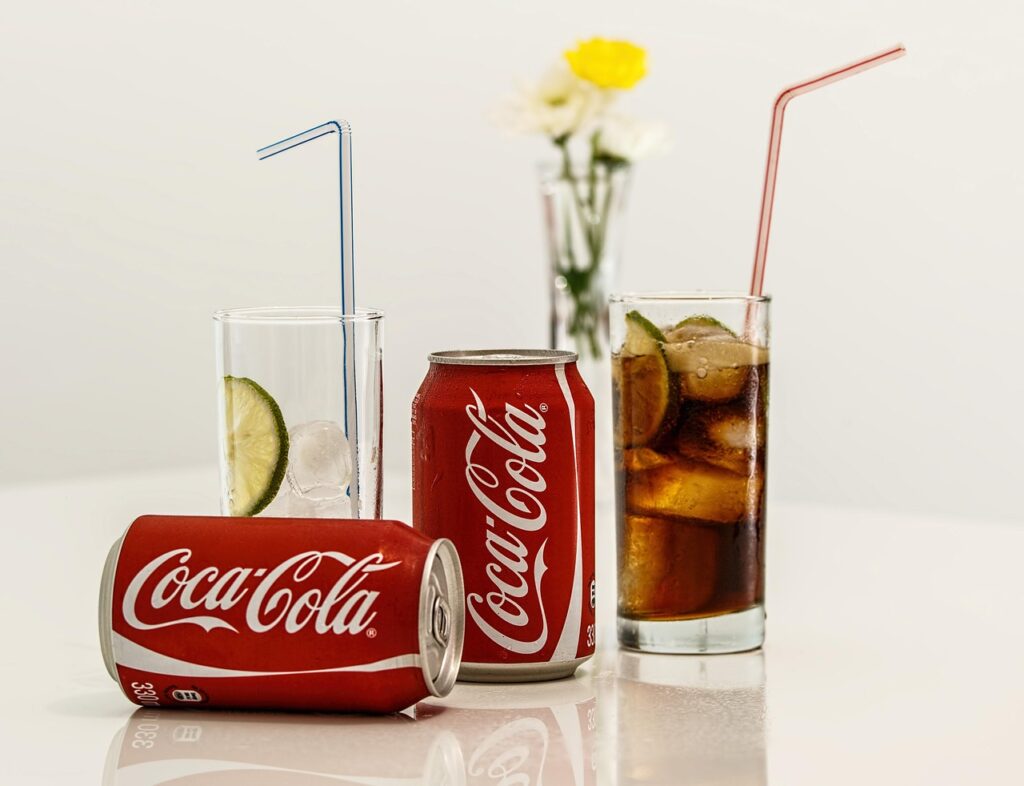
Soft drinks at fast food restaurants are engineered for maximum sweetness and consistency. Syrups rely on high fructose corn syrup or artificial sweeteners to reduce cost and extend shelf life. Carbonation heightens sweetness perception while masking aftertastes. Ice dilution is factored into the formula, which means the drink is designed to be strong at first and fade quickly. There is no emphasis on ingredient sourcing because the goal is refreshment at scale. These drinks deliver immediate pleasure, but they are built entirely around processing rather than quality inputs. Flavor is calculated rather than crafted. The result is predictable and disposable satisfaction.