8 Traditional French Recipes That Explain Why France Still Runs the Food World

French food still sets the standard because it turns simple ingredients into dishes that feel exacting, generous, and unforgettable. From peasant stews to polished bistro staples, these recipes show how regional traditions became global benchmarks. Together, they reveal why France continues to shape the way the world cooks, eats, and talks about flavor.
Boeuf Bourguignon

Boeuf Bourguignon is the kind of dish that makes French cooking look both luxurious and practical at once. It began as a Burgundian country stew, built to soften tougher cuts of beef with time, red wine, stock, and slow heat rather than expensive ingredients.
What makes it enduring is the balance. The wine brings depth, the aromatics build structure, and the bacon, mushrooms, and onions add sweetness and savor. It tastes refined, but its logic is rooted in thrift and patience.
That combination is a big reason French cuisine remains influential. It teaches that technique can elevate humble ingredients into something memorable enough to define a national food culture.
Coq au Vin
Coq au Vin is one of France’s clearest examples of turning necessity into culinary identity. Traditionally associated with braising an older rooster in wine, the dish developed from rural cooking methods that used liquid, aromatics, and time to coax tenderness from firm meat.
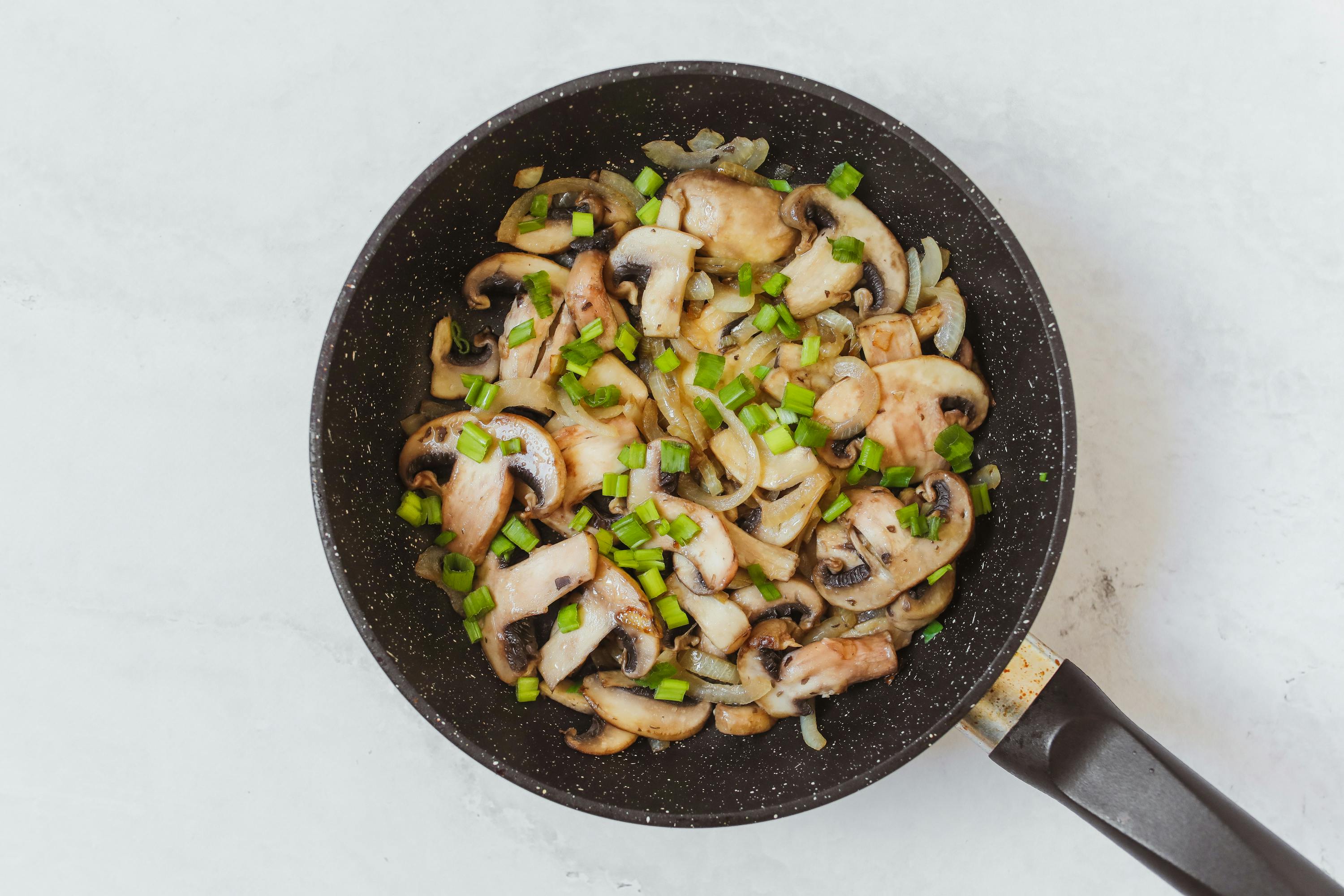
Modern versions usually use chicken, but the soul of the recipe remains the same. Wine, lardons, onions, mushrooms, and herbs create a sauce that feels layered without becoming heavy. Every element has a purpose, and that sense of order is part of the French signature.
It also shows how deeply regional wine culture shapes the table. In France, cooking and agriculture are not separate stories. They are the same one.
Cassoulet
Cassoulet is rich, slow, and unapologetically substantial, a perfect expression of southwestern French cooking. Centered on white beans and traditionally layered with duck confit, pork, and sausage, it grew from farmhouse traditions where preserving meat and stretching ingredients mattered.
Its greatness lies in accumulation. Fat, stock, beans, and browned crust all build flavor over hours, creating a dish that is more than the sum of its parts. Towns like Castelnaudary, Toulouse, and Carcassonne still debate the definitive version, which says plenty about their cultural weight.
French food earns respect partly through this kind of regional pride. Cassoulet is not just hearty. It is local history baked into a pot.
Ratatouille
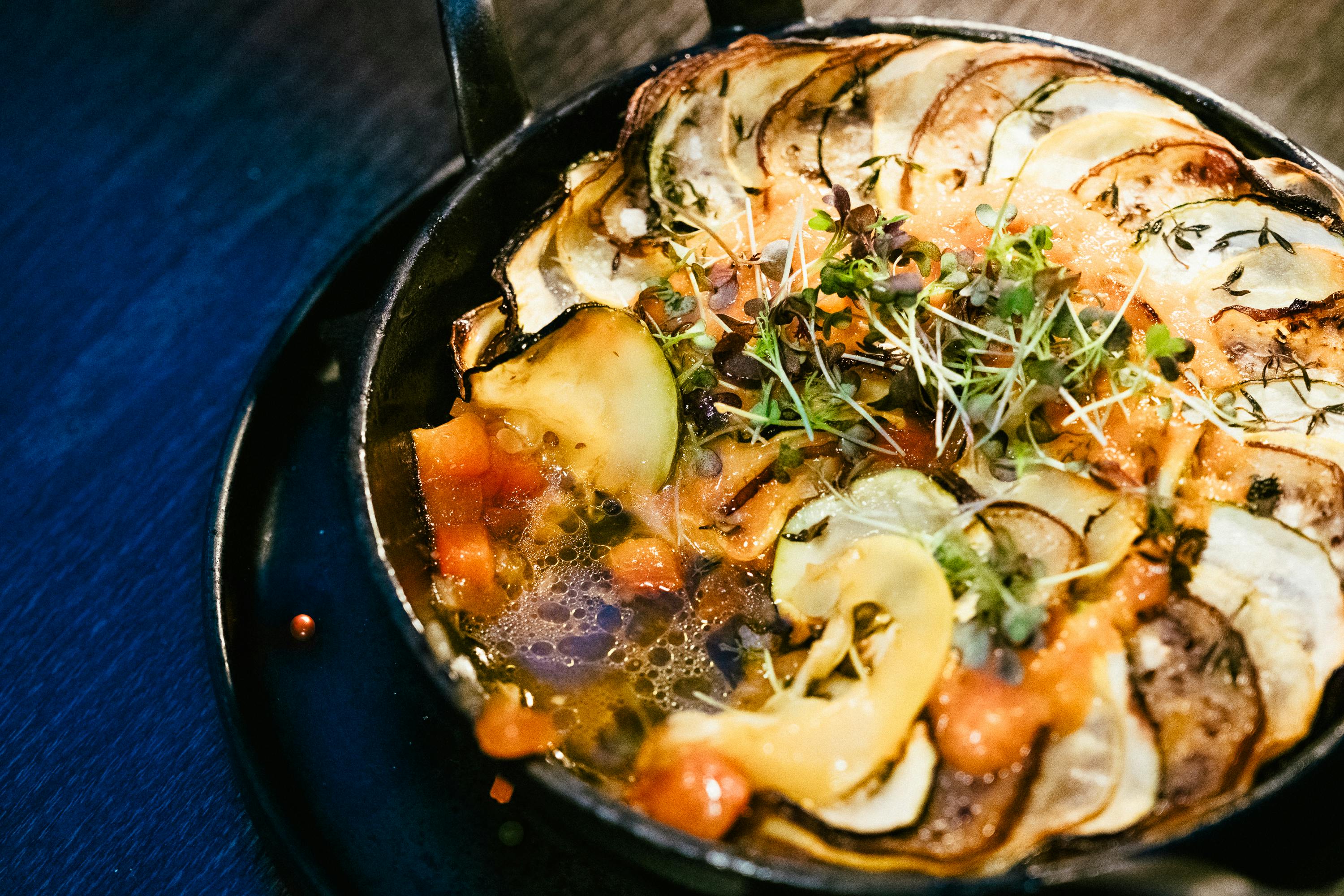
Ratatouille proves that French greatness is not limited to butter-rich sauces and meat-centered classics. Born in Provence, it turns summer vegetables like eggplant, zucchini, peppers, tomatoes, onions, and garlic into a dish that tastes bright, soft, and deeply composed.
The magic is in restraint and timing. Even when cooked simply, each vegetable contributes texture and sweetness, while olive oil and herbs tie the whole thing to the Mediterranean south. It can be rustic and spooned from a pot or carefully arranged in a more polished presentation.
That flexibility is part of its staying power. Ratatouille shows that French cuisine can be generous, seasonal, and elegant without relying on extravagance.
Duck Confit

Duck confit captures one of the smartest ideas in French cooking: preservation can create luxury. In the southwest, cooks salted duck legs, cooked them slowly in their own fat, and stored them for later. What started as a practical method became one of the country’s most prized preparations.
The result is extraordinary because the process does two jobs at once. It preserves the meat and transforms its texture into something silky, rich, and deeply savory. Crisping the skin before serving adds the contrast that makes the dish feel complete.
French cuisine has long excelled at these techniques that blend utility and pleasure. Duck confit tastes indulgent, but its roots are disciplined, rural, and intensely resourceful.
Quiche Lorraine

Quiche Lorraine shows how France can turn a modest savory tart into a global reference point. Originating in the Lorraine region, the classic version is built on pastry, eggs, cream, and lardons, with a custard that should be tender, not rubbery, and rich without feeling leaden.
Its appeal comes from precision disguised as ease. A good quiche depends on careful baking, proper seasoning, and textural balance between the crust and filling. It can anchor breakfast, lunch, or supper and still feel perfectly composed.
That everyday versatility helps explain France’s influence. French cooking is not only about grand restaurant dishes. It also excels at making ordinary meals feel unmistakably polished.
Sole Meunière
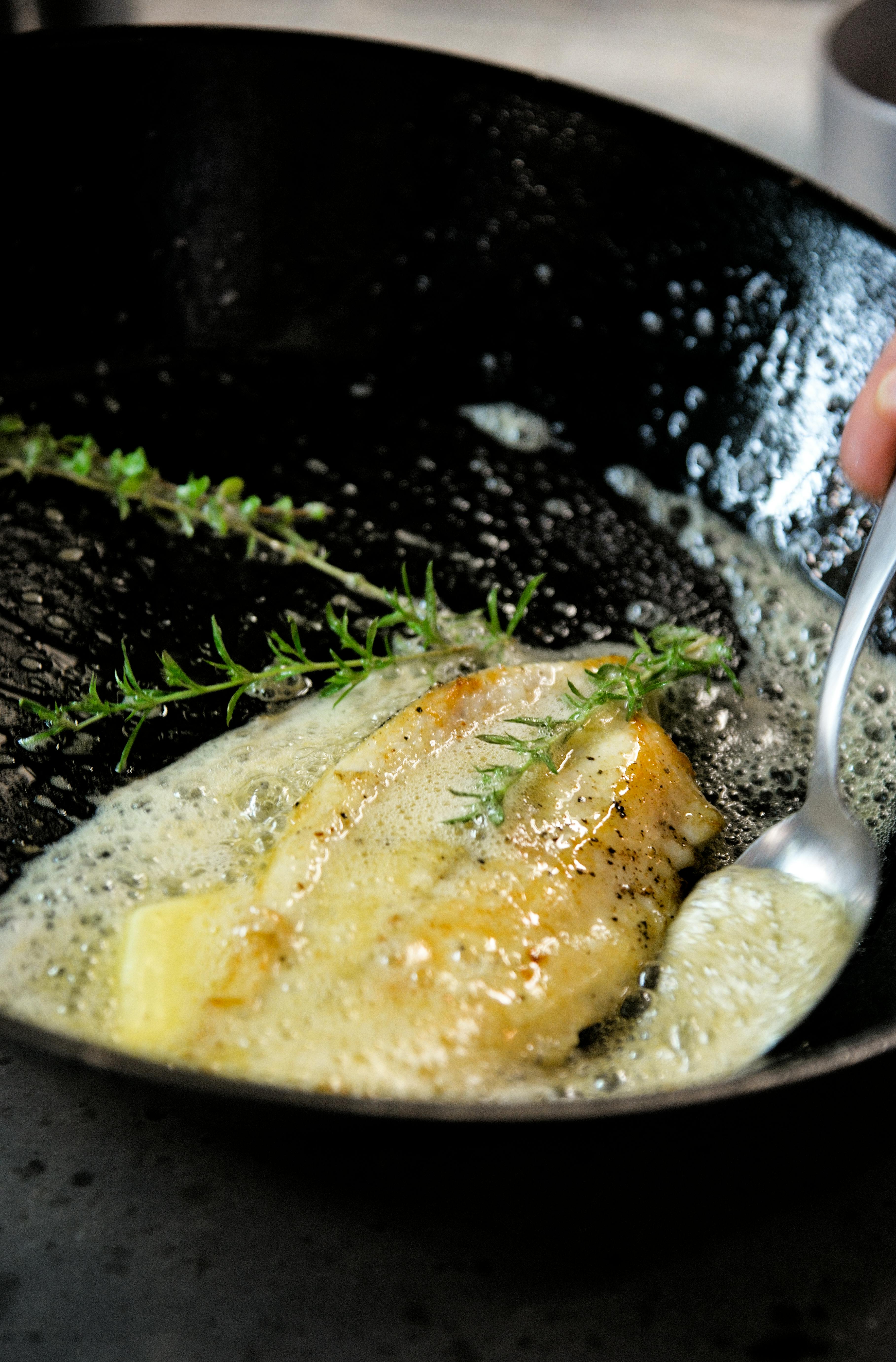
Sole Meunière is French cooking at its most stripped back and revealing. The dish is famously simple: lightly floured sole, cooked in butter, then finished with browned butter, lemon, and parsley. With so few components, there is nowhere to hide a weak technique.
That is exactly why it matters. It depends on timing, heat control, and ingredient quality more than ornament. When done properly, the fish stays delicate, the butter turns nutty rather than burnt, and the lemon sharpens everything just enough.
This is one reason France still commands culinary respect. It has a long tradition of dishes that seem effortless but quietly demand discipline, clarity, and confidence from the cook.
Tarte Tatin
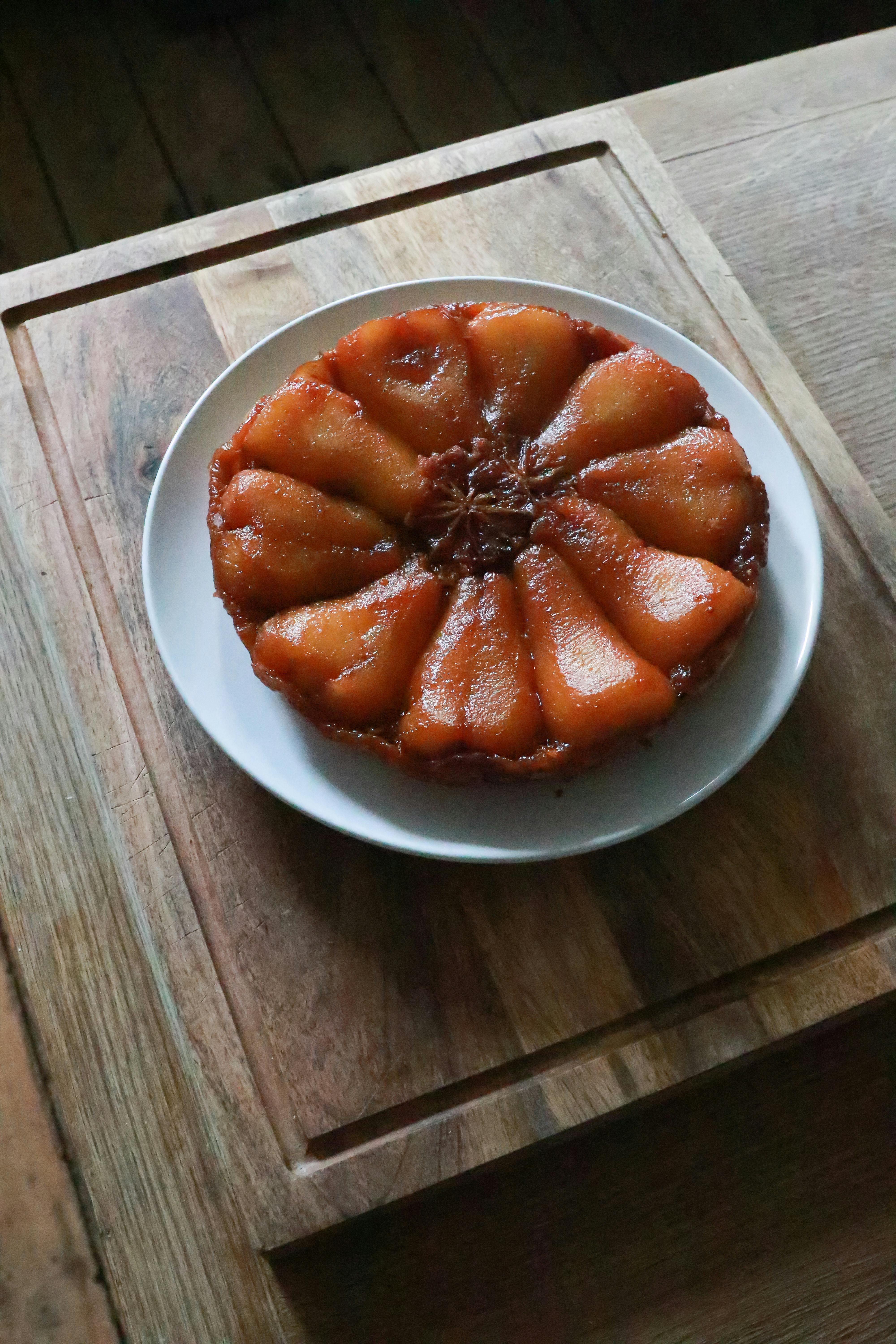
Tarte Tatin ends this list with a reminder that French desserts often rely on technique more than excess. The upside-down apple tart is linked to the Tatin sisters in the Loire Valley and is built from a few essentials: apples, sugar, butter, and pastry.
Its brilliance comes from control. The apples must soften without collapsing, the caramel needs depth without bitterness, and the final inversion has to preserve that glossy, burnished top. It feels rustic, yet the result can be every bit as elegant as a patisserie showpiece.
That is the French pattern in miniature. A short ingredient list, careful execution, and a finish that looks effortless. Tarte Tatin makes mastery seem natural, which is a powerful culinary illusion.