Walmart Is Leaning Into Store Brands More Than Ever and It Shows in 9 Ways

Walmart’s shelves are changing in a way many shoppers may not immediately notice. Store brands are no longer just budget-friendly backups. They are becoming a central part of the shopping experience, showing up across more categories with better quality and stronger presence.
What makes this shift interesting is how intentional it feels. From pricing and packaging to placement and variety, these products are designed to compete directly with national brands rather than sit quietly beside them. The difference is subtle but meaningful.
As these changes continue, shoppers are finding more reasons to choose store brands without hesitation. These are the ways Walmart is leaning into its own labels, and why it is becoming easier to see the impact.
1. Expansion of Private-Label Brands Across More Categories
Walmart is no longer limiting its store brands to a few basic shelves. Over time, it has steadily expanded private-label offerings into more categories, covering everything from groceries and clothing to home goods and electronics. This wider presence makes store brands a regular part of the shopping experience rather than an occasional option.
Brands like Great Value and Equate now appear across everyday essentials, making them easy to find and rely on. This consistent visibility builds familiarity and trust among shoppers.
By increasing category coverage, Walmart reduces dependence on external brands while offering customers more choices at lower price points, all within its own ecosystem.
2. Improved Product Quality to Compete With National Brands
Store brands once carried a reputation for being basic alternatives, but Walmart has worked to change that perception. There is a clear effort to improve product quality so that private-label items can stand alongside national brands without compromise.
This includes better sourcing, stricter quality checks, and refining product formulations. In many cases, differences between store brands and name brands have become less noticeable in everyday use.
As a result, shoppers feel more confident choosing store brands, not just for savings but for consistent performance. This shift is a key reason why private-label products are gaining wider acceptance.
3. Premium Store-Brand Lines Targeting Higher-End Shoppers
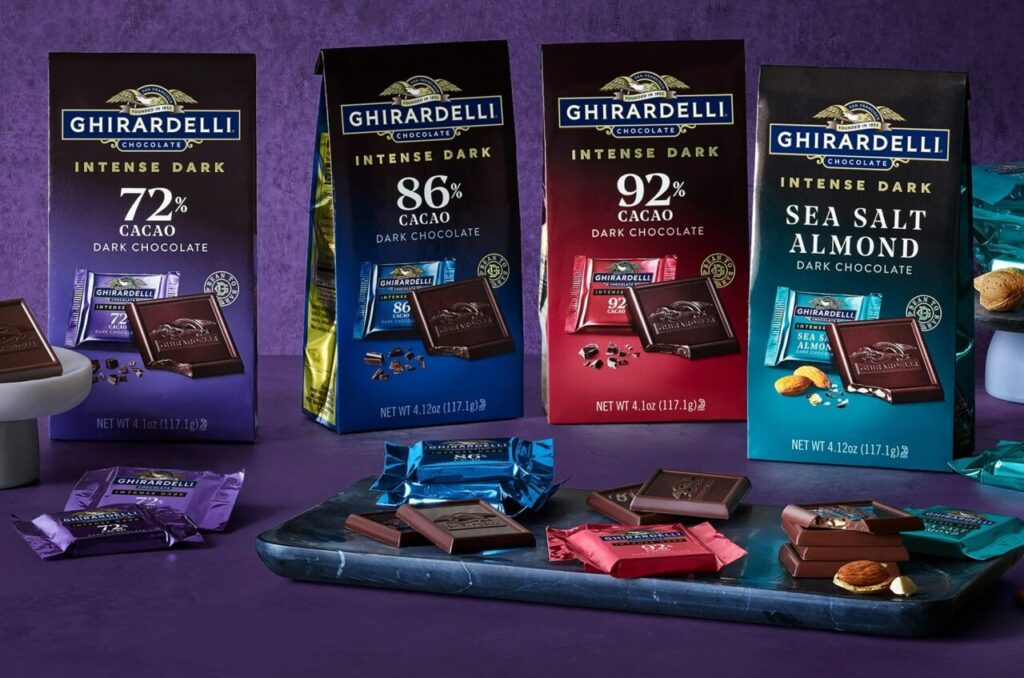
Walmart is not only focusing on affordability but also moving into premium territory. Lines like Sam’s Choice are designed to appeal to shoppers who want higher-quality ingredients and more refined options that feel closer to specialty products.
These products often feature better packaging, unique flavors, and elevated presentation. They are positioned to compete with specialty or gourmet items found in higher-end stores, while still staying within a more accessible price range.
This approach allows Walmart to serve a broader audience. Shoppers who once looked elsewhere for premium options can now find similar experiences within Walmart’s own brand range, making premium feel more approachable.
4. Pricing Strategies That Undercut Name Brands Consistently

One of Walmart’s strongest advantages is its pricing strategy. Store-brand products are typically priced lower than national brands, but the gap is structured to feel meaningful rather than minimal for everyday shoppers.
This is achieved through direct sourcing, large-scale production, and reduced marketing costs. Without the expense of heavy advertising, Walmart can pass savings directly to customers in a more consistent way.
For shoppers, the value is clear. When similar products are placed side by side, the lower price of store brands becomes a practical reason to switch, especially for frequent and routine purchases.
5. Packaging Upgrades That Feel Modern and Appealing
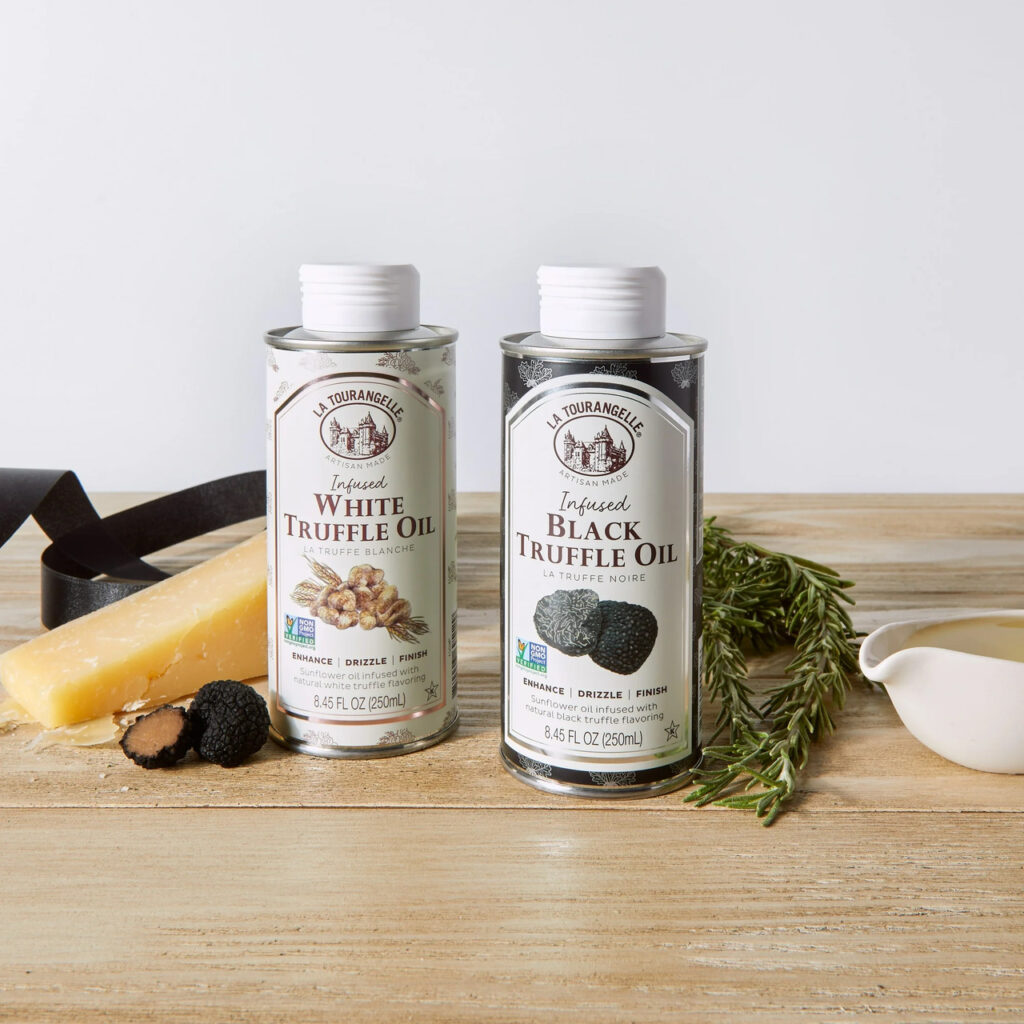
Packaging plays a major role in how products are perceived, and Walmart has invested in making its store brands look more modern and visually appealing across categories. Clean designs, better materials, and clearer labeling help products stand out on shelves.
This shift moves away from the plain, generic look often associated with older store brands. Instead, packaging now reflects current design trends, making products feel more premium and thoughtfully presented.
Improved packaging also enhances usability. Resealable options, clearer instructions, and durable materials make products easier to handle and store, adding practical value beyond just visual appeal.
6. Wider Shelf Placement and Visibility in Stores
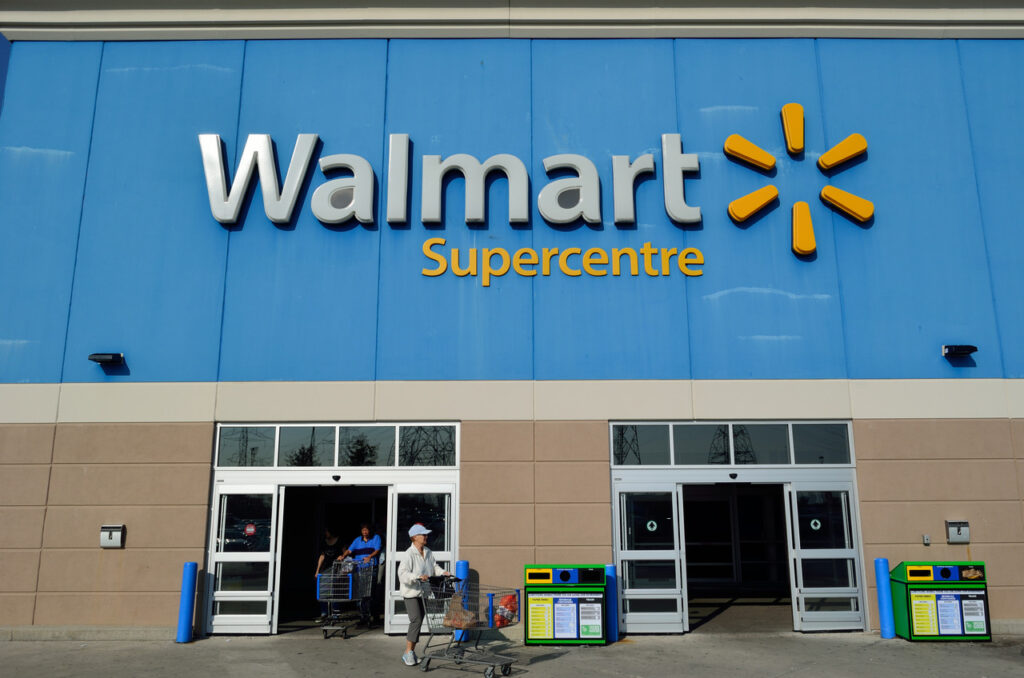
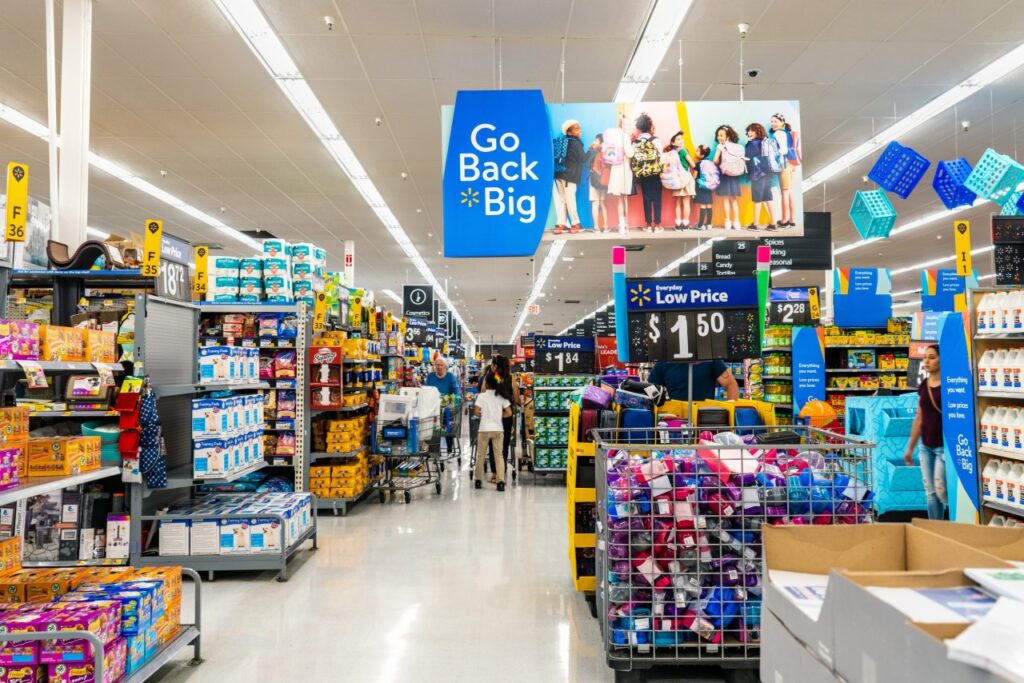
Visibility is a powerful tool, and Walmart ensures its store brands are easy to spot. Instead of being placed in less noticeable areas, these products are positioned alongside or even at eye level with national brands.
This strategic placement increases the likelihood of shoppers considering them during decision-making. When alternatives are clearly visible, comparisons become easier, quicker, and more natural during shopping.
By integrating store brands into key shelf spaces, Walmart reinforces its importance. It signals that these products are not secondary options but core parts of the store’s offerings and everyday value strategy.
7. Increased Focus on Food, Grocery, and Everyday Essentials

Walmart places strong emphasis on categories that shoppers buy frequently. Store brands are heavily represented in groceries, household supplies, and personal care items, where value matters most for daily living.
This focus ensures that customers encounter private-label options during routine purchases. Over time, repeated exposure builds familiarity and trust in these products, making them easier to choose.
Because these are high-volume categories, even small savings add up. This makes store brands especially appealing for households looking to manage everyday expenses without sacrificing quality or reliability.
8. Faster Rollout of Trend-Based and Seasonal Products
Retail trends move quickly, and Walmart has adapted by speeding up how it introduces new store-brand items. Whether it is seasonal flavors, limited-time products, or trend-inspired goods, the rollout is noticeably faster than before.
This agility allows Walmart to stay relevant and respond to changing consumer preferences. Shoppers can find current trends reflected in store-brand options without waiting for major brand releases to catch up.
Limited-time offerings also create urgency. When products are available for a short period, shoppers are more likely to try them, which helps drive interest, repeat visits, and stronger engagement.
9. Stronger Online Promotion and Integration With E-Commerce

Walmart’s store brands are not limited to physical shelves. They are prominently featured across its online platform, making them easy to discover through search results, recommendations, and targeted promotions.
Digital visibility helps reinforce awareness. Shoppers browsing online often encounter store-brand alternatives alongside national brands, making comparisons quick, convenient, and easier to evaluate.
With the growth of e-commerce, this integration becomes even more important. By aligning store brands with both in-store and online experiences, Walmart ensures consistent exposure and accessibility across all shopping channels.