You’re Paying Premium Prices for These 9 Groceries But The Cheap Version Tastes the Same

Grocery shopping often involves choosing between premium brands and more affordable store options. While higher prices can suggest better quality, that is not always the case. Many everyday ingredients are produced using standardized processes, which means the differences between brands can be minimal. From pantry staples to frozen foods, cheaper versions often deliver the same taste and performance as their premium counterparts. Understanding where these similarities exist can help you make smarter choices without compromising on flavor or quality.
1. Bottled Water

Few grocery items highlight pricing differences as clearly as bottled water. Premium brands often market themselves around purity, source, or mineral content, creating the impression that they offer something noticeably better than standard options.
In reality, many bottled waters come from similar municipal or filtered sources. Most people struggle to consistently identify premium brands in blind taste tests.
The higher price is usually tied to branding, packaging, and marketing rather than a meaningful quality improvement. Since water has a very neutral taste, small variations are hard to detect, which is why cheaper versions often deliver the same experience at a lower cost.
2. Pantry Staples Like Sugar and Flour
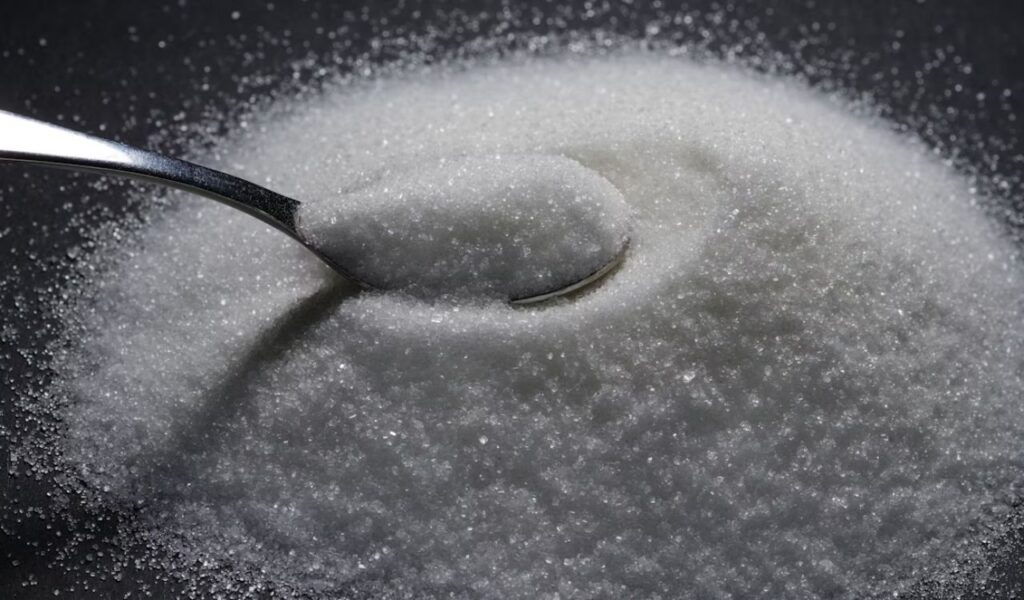
Staples like sugar and flour are among the most basic ingredients in any kitchen. They are used in baking, cooking, and food preparation where consistency matters more than brand identity.
Despite this, premium versions often come at a higher price due to packaging or brand reputation. When used in recipes, however, the final result is typically indistinguishable from dishes made with store brands.
This happens because these ingredients are highly standardized. Sugar and flour follow strict production processes, which means there is very little variation in their core properties. As a result, the cheaper option usually performs just as well.
3. Basic Spices and Seasonings
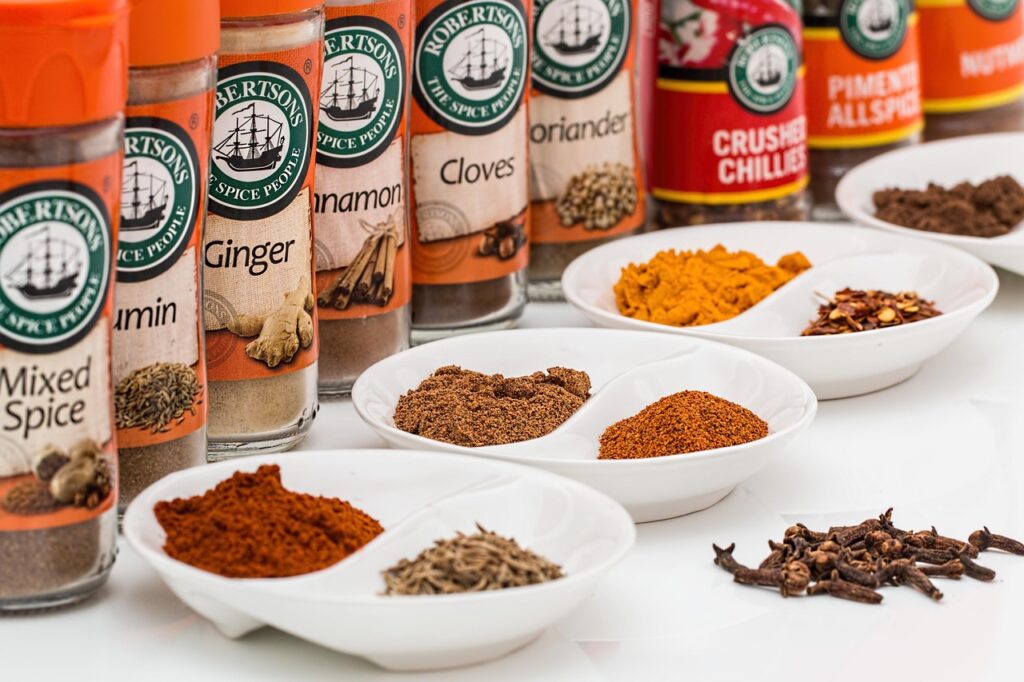
Spices are essential for adding flavor, and premium brands often emphasize quality and sourcing to justify higher prices. Attractive packaging and strong branding can make them feel more reliable or superior.
For everyday spices like salt, black pepper, or paprika, the difference is often less noticeable. In many cases, store brands use similar ingredients and processing methods, especially for widely used seasonings.
Flavor intensity can vary slightly depending on freshness, but for most home cooking, the gap is small. When spices are used in combination with other ingredients, the difference becomes even harder to detect, making cheaper options a practical choice.
4. Milk

Milk is a staple in many households, used for drinking, cooking, and baking. Premium brands often highlight factors like sourcing, processing methods, or packaging to set themselves apart.
However, most milk is produced under strict standards that ensure safety and consistency. The taste difference between premium and store brands is often minimal, especially when both are fresh and properly stored.
Because the product itself is highly regulated, variation is limited. This means the higher price is often linked to branding rather than a significant change in flavor or quality, making generic options just as effective for everyday use.
5. Eggs

Eggs are another common grocery item where pricing can vary widely. Premium options may focus on labels such as organic or free range, which can influence buying decisions.
While these factors can affect how the eggs are produced, the taste difference is not always noticeable in typical cooking. Once eggs are scrambled, baked, or mixed into recipes, these variations become even less apparent.
The cooking method plays a larger role in flavor than the brand itself. For many dishes, standard eggs deliver the same results, which is why cheaper options are often just as satisfying in everyday use.
6. Frozen Vegetables
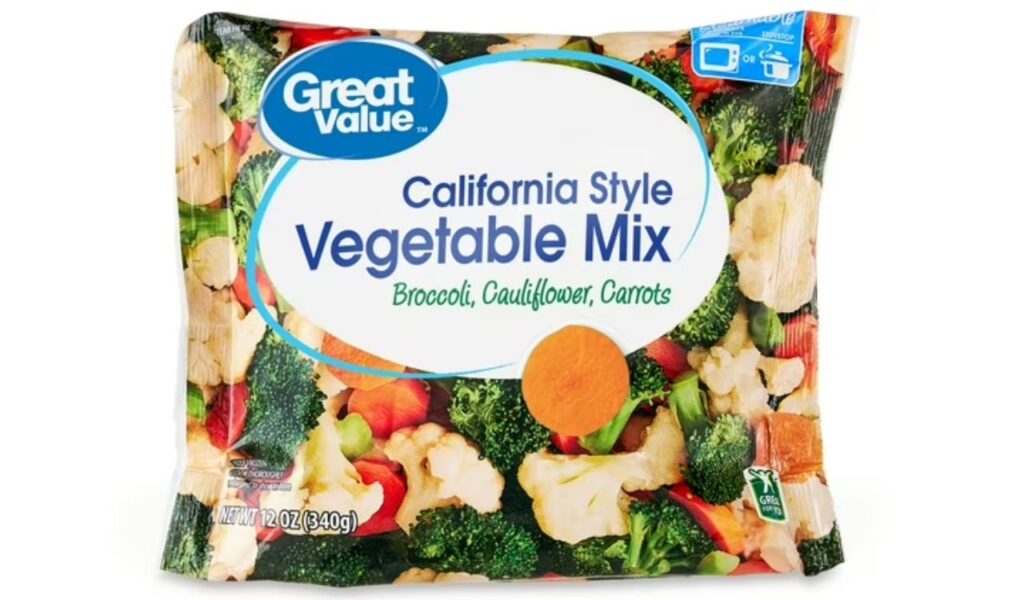
Frozen vegetables are designed for convenience, offering a quick way to include produce in meals without worrying about spoilage. Premium brands often emphasize quality and freshness at the time of freezing.
In practice, many frozen vegetables are processed using similar methods regardless of brand. They are typically frozen shortly after harvest, which helps preserve nutrients and flavor.
Because the freezing process standardizes the product, differences between brands are often minor. When cooked, most frozen vegetables taste similar, making store brands a cost-effective alternative without sacrificing quality.
7. Pasta

Pasta is a simple food made from a few basic ingredients, usually wheat and water. Premium brands often highlight traditional methods or specific wheat varieties to justify higher prices.
For everyday dishes, the difference between premium and store-brand pasta is often subtle. Once cooked and combined with sauces, the pasta itself plays a supporting role rather than being the main source of flavor.
Texture can vary slightly depending on production methods, but for most home cooking, the results are comparable. This makes cheaper pasta a practical choice without noticeably affecting the final dish.
8. Canned Goods
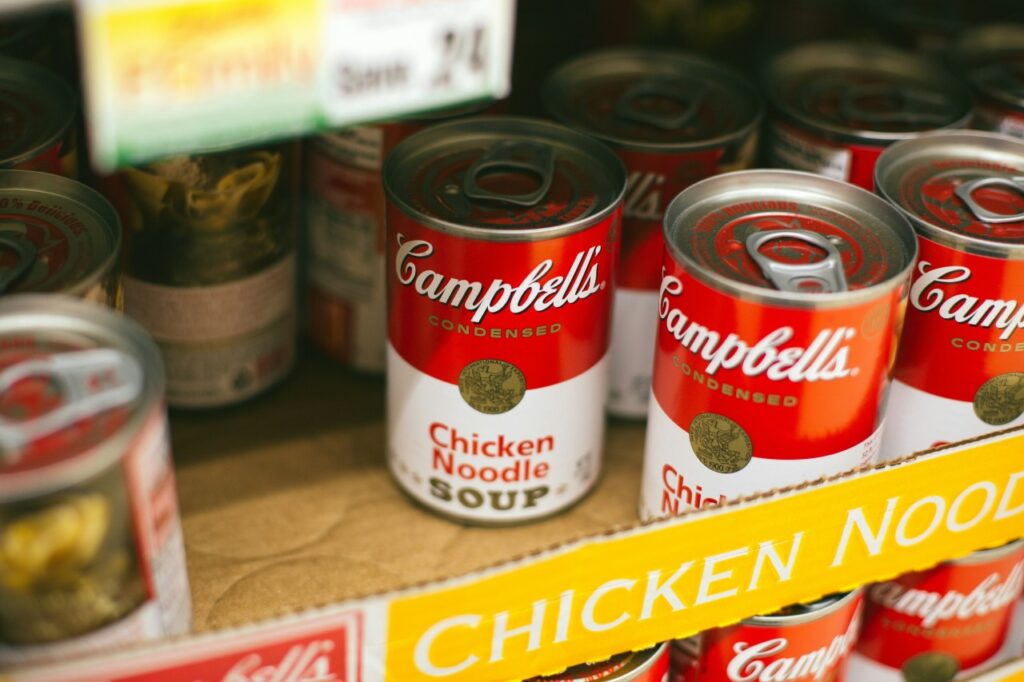
Canned foods like beans and tomatoes are pantry staples valued for their convenience and long shelf life. Premium brands often promote better sourcing or processing to stand out on shelves.
In many cases, the contents are very similar across brands. The ingredients are preserved in liquid, which reduces variation and keeps the flavor relatively consistent. This uniformity makes it harder for brands to differentiate themselves.
When used in cooking, these ingredients are usually combined with spices, sauces, or other elements. This makes any small differences even less noticeable, allowing cheaper versions to perform just as well in most recipes.
9. Basic Baking Ingredients

Basic baking ingredients are essential for structure and function rather than flavor. Items like salt and baking soda are used in precise amounts to achieve specific results in recipes.
Premium versions may come in more refined packaging or carry brand recognition, but the actual ingredients are chemically identical in most cases. Their role in cooking depends on consistency rather than variation.
Because these products follow strict standards, there is little room for noticeable difference. Cheaper options work the same way in recipes, making them just as reliable for baking and cooking tasks.