8 Once-Reliable Food Brands Shoppers Say They No Longer Trust

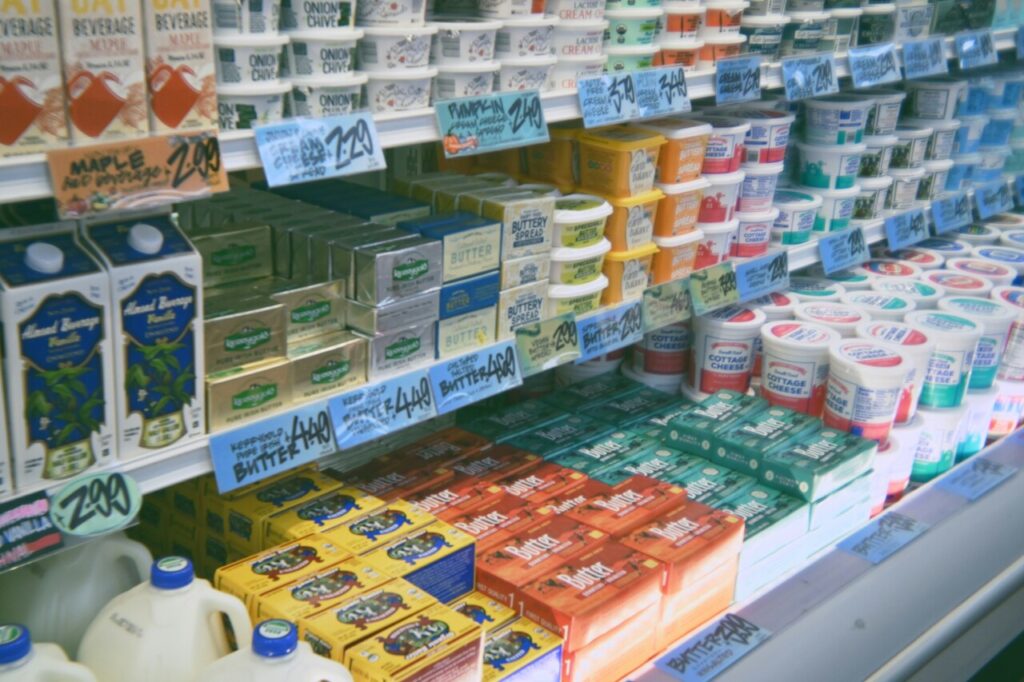
Many food brands that once defined American grocery shopping now face growing skepticism from longtime customers. Rising prices, ingredient changes, and concerns about processing or product quality have led shoppers to rethink purchases they once made without hesitation. As consumers pay closer attention to value and transparency, loyalty toward familiar names weakens. The shift reveals how quickly trust can fade when products no longer match expectations built over generations of dependable shopping.
1. Kraft Heinz Faces Changing Expectations
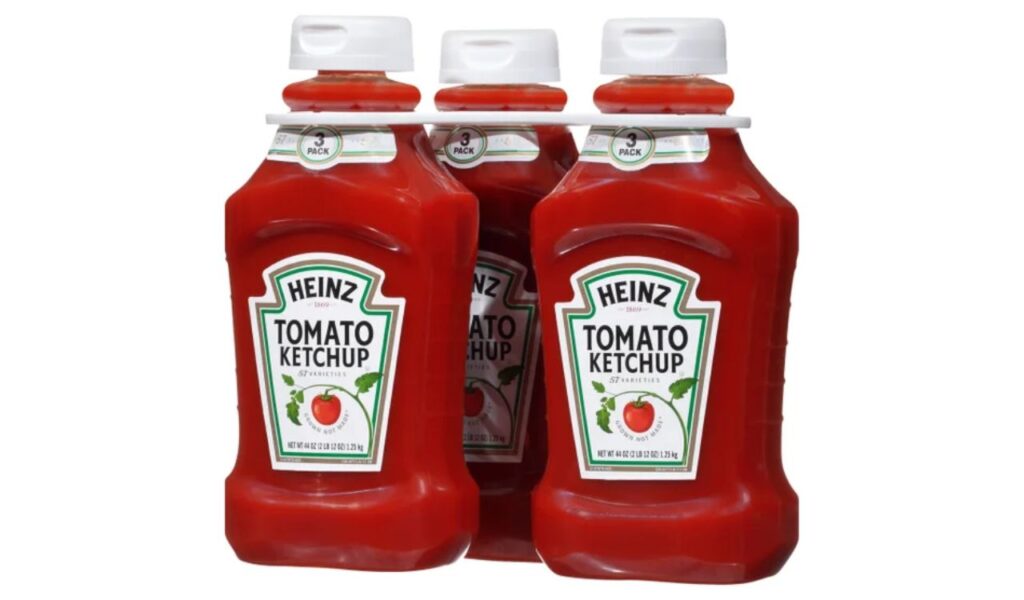
Kraft Heinz products have anchored American kitchens for decades, with items like macaroni and cheese and ketchup becoming household staples trusted for consistency and convenience.
Consumer expectations have shifted toward fresher ingredients and cleaner labels, causing some shoppers to question heavily processed products. Younger buyers often compare ingredient lists closely, looking for simpler formulations that better match modern health preferences.
Although the company continues launching new variations, some shoppers feel innovation has lagged behind changing tastes. As alternatives promising fresher ingredients gain popularity, trust in legacy packaged brands weakens among consumers seeking products aligned with current dietary priorities.
2. Lay’s
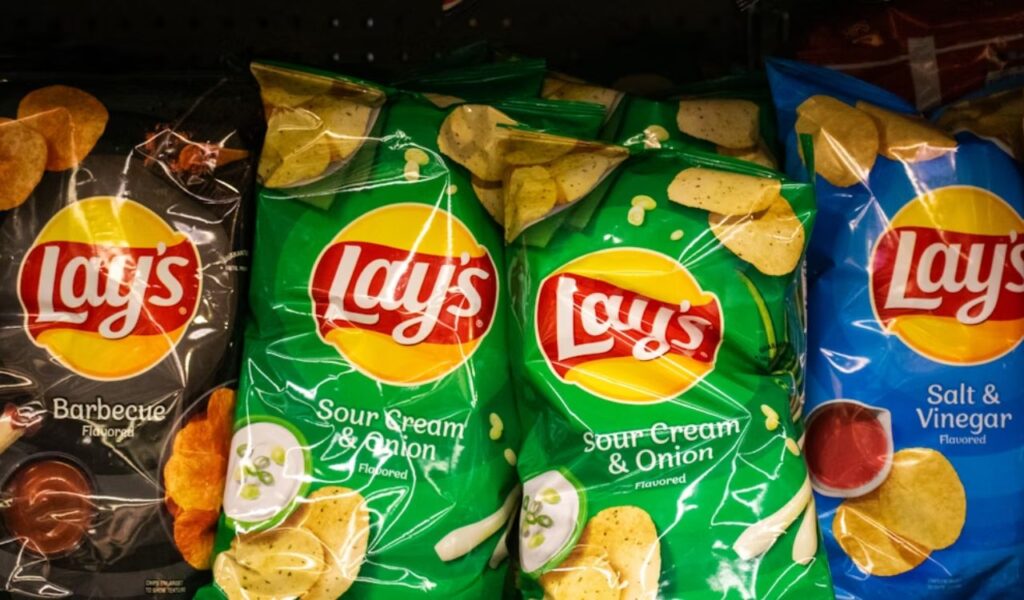
Lay’s chips long dominated snack aisles, becoming a go-to comfort food for parties, lunches, and late-night cravings. Their consistent flavor and availability made them one of the most recognizable snack brands in American homes.
Recently, shoppers have begun questioning whether the price of branded chips still matches their perceived value, especially when store brands now offer similar taste at a lower cost. Inflation and shrinking package sizes have made some buyers rethink impulse snack purchases.
Although Lay’s remains popular, more shoppers now compare prices and occasionally switch brands. When a once-affordable treat begins to feel expensive, trust in the brand’s value weakens, even if flavor remains familiar.
3. Stouffer’s Frozen Meals
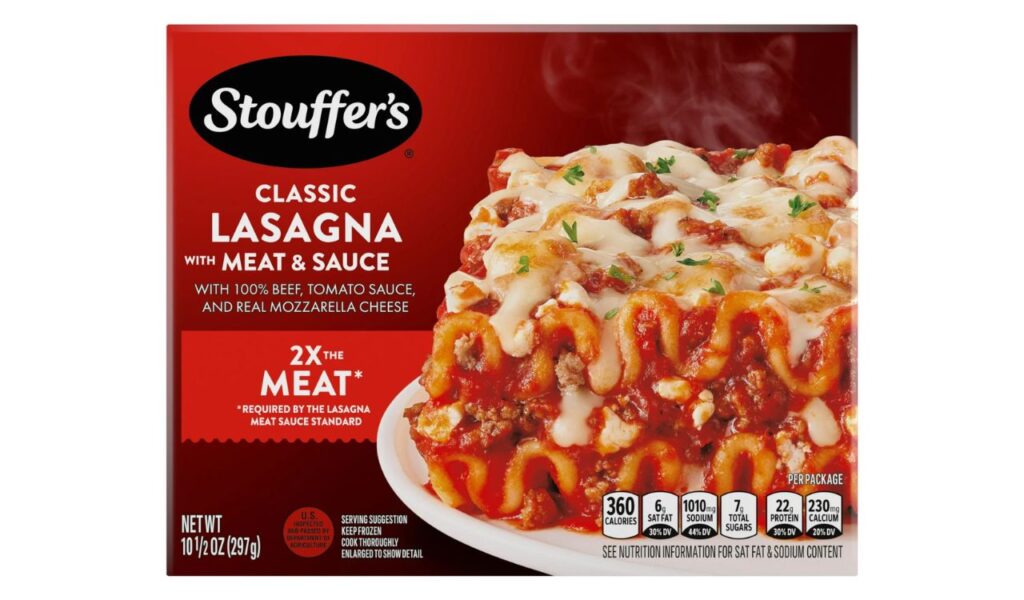
Stouffer’s built its reputation on frozen comfort foods like lasagna and baked pasta dishes that offered easy solutions for busy households. For years, these meals represented reliable convenience without sacrificing familiar flavors.
However, growing awareness of sodium levels and processed ingredients has led some shoppers to reassess frozen meal choices. Consumers seeking fresher or lighter options sometimes view these meals as less aligned with current health goals.
While Stouffer’s continues updating portions and recipes, some buyers feel newer competitors offering fresh or minimally processed alternatives better match modern expectations, gradually weakening trust in traditional frozen meal brands.
4. Gerber Baby Food
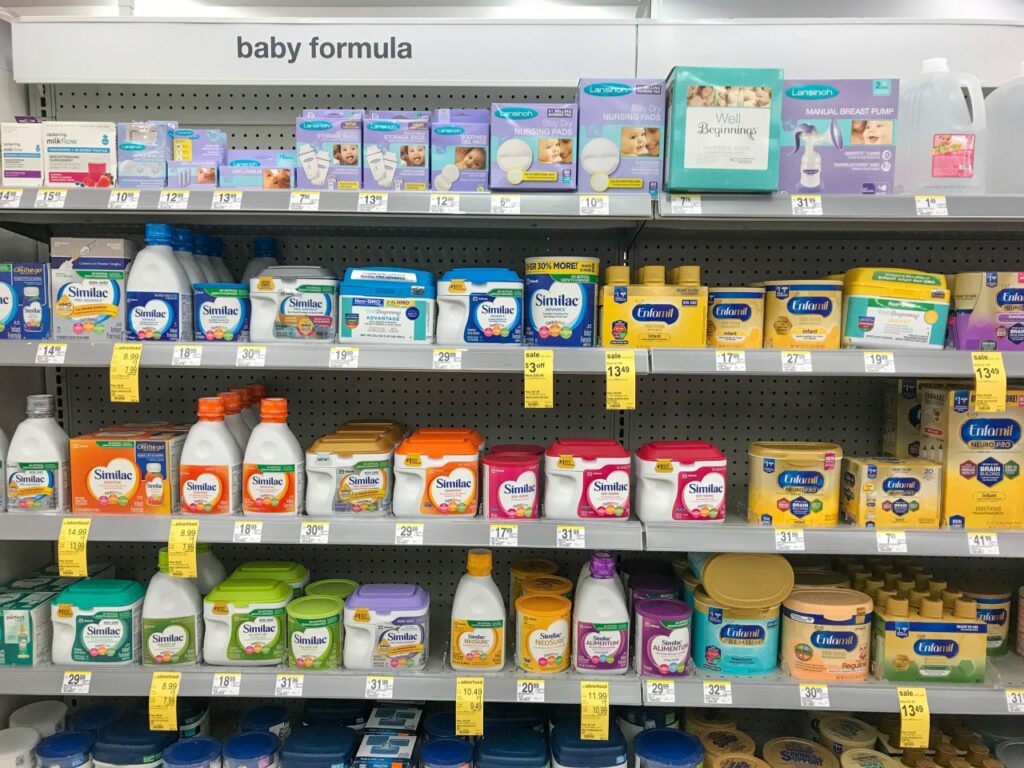
Gerber became synonymous with baby food, trusted by generations of parents seeking safe and convenient nutrition for infants and toddlers. Its products symbolized dependability at a time when families heavily relied on packaged options.
Recent recalls and reports tied to contamination concerns have unsettled some parents, even when issues were quickly addressed. Feeding infants involves deep trust, and any safety concern can leave lasting doubts for caregivers.
As a result, some families now prefer homemade purees or newer brands promoting transparency and organic sourcing. Even a well-known name like Gerber must work harder today to reassure cautious parents.
5. Kroger Store Brands
Kroger’s private-label products once appealed to shoppers seeking reliable alternatives to national brands at lower prices. Many customers trusted these store brands for delivering acceptable quality while keeping grocery bills manageable.
In some regions, shoppers now feel price differences between store brands and national labels have narrowed, reducing the perceived advantage. When savings shrink, consumers begin questioning whether quality justifies continued loyalty.
As competition grows from discount chains and warehouse clubs, shoppers increasingly compare options across stores. Trust in store brands weakens when value no longer feels clear or consistent from one shopping trip to the next.
6. Walmart’s Great Value
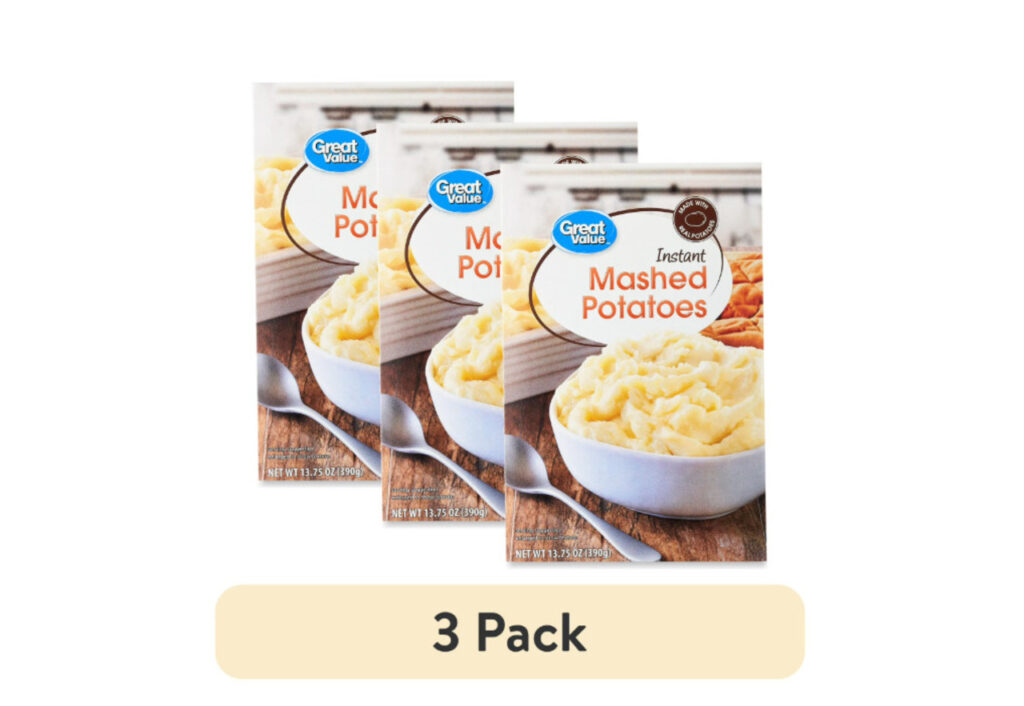
Walmart’s Great Value line became a dependable option for shoppers looking to stretch grocery budgets without sacrificing everyday essentials. Many households relied on these products as affordable alternatives to national brands.
In recent years, some shoppers have voiced frustration that price gaps between store brands and national labels have narrowed. Occasional concerns about recipe changes or ingredient quality have also led certain buyers to compare alternatives more carefully.
As grocery costs rise, shoppers scrutinize every purchase, and when private-label products no longer feel like clear bargains, trust weakens. Consumers increasingly switch between retailers seeking better value, making loyalty to once-reliable store brands less automatic than before.
7. Blue Bell Creameries
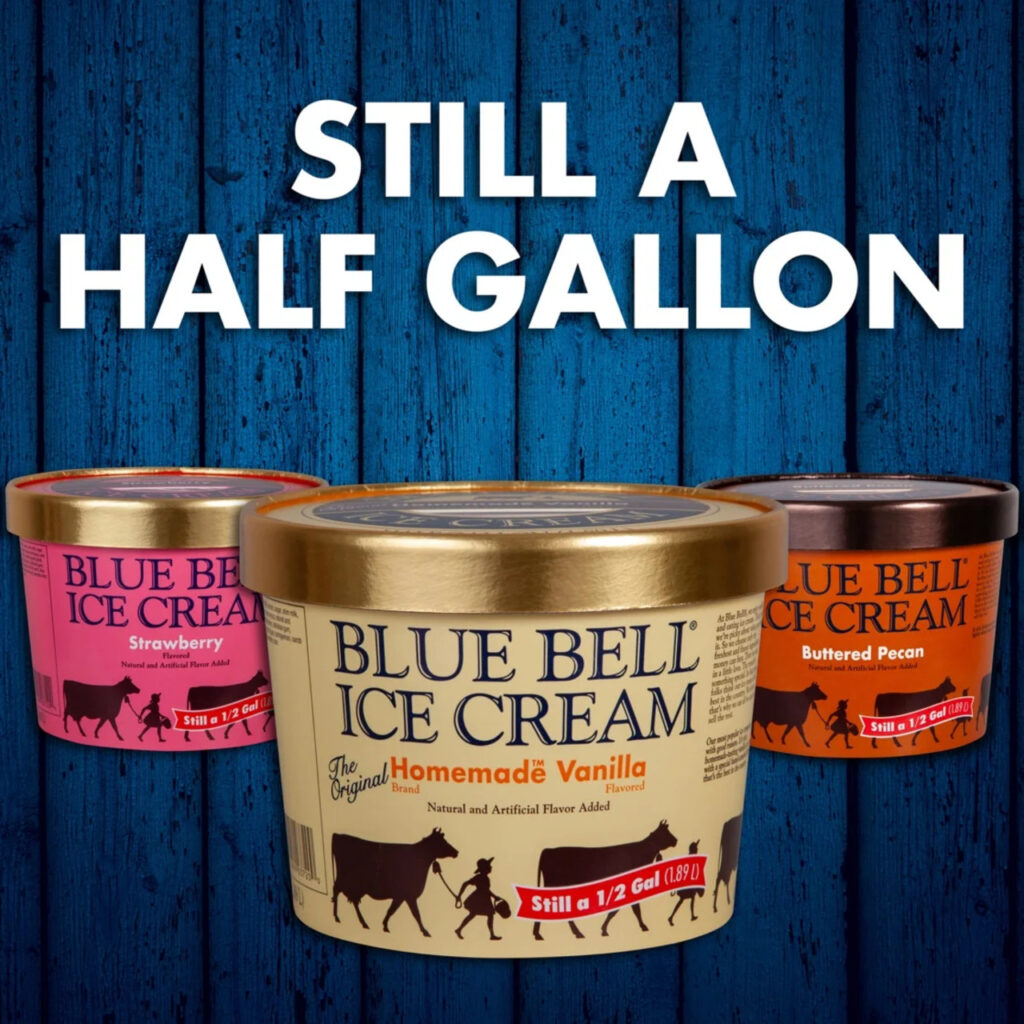
Blue Bell ice cream built strong regional loyalty through rich flavors and nostalgic branding, making it a beloved treat across many American households. For decades, consumers associated the brand with indulgent comfort.
A major listeria outbreak several years ago led to widespread recalls, shaking public confidence and temporarily removing products from shelves. Even after corrective action, memories of safety concerns lingered among cautious consumers.
Although Blue Bell has since regained many customers, some shoppers remain hesitant, showing how food safety incidents can permanently affect brand trust even after operations improve.
8. Beyond Meat
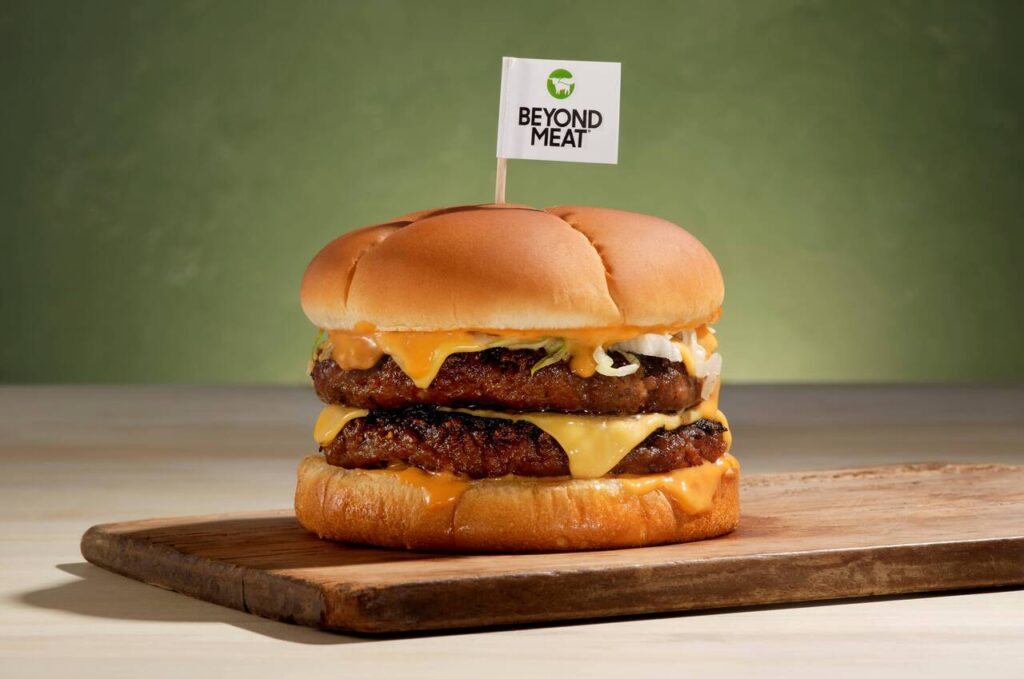
Beyond Meat gained rapid popularity as consumers embraced plant-based alternatives promising environmental and health benefits. Many shoppers initially trusted the brand as a modern replacement for traditional meat products.
Over time, some buyers began questioning long ingredient lists and processing levels in certain plant-based meats. When products feel heavily engineered rather than natural, trust can diminish among health-focused consumers.
Although plant-based options remain in demand, shoppers increasingly seek simpler ingredient profiles. Brands perceived as overly processed face challenges in maintaining the confidence of consumers who originally sought cleaner alternatives.