7 Pantry Condiments That Don’t Need Refrigeration


Many condiments end up in the refrigerator out of habit rather than necessity. In reality, some of the most common pantry staples are naturally preserved through fermentation, acidity, salt, or sugar. These built-in defenses make refrigeration unnecessary for safety, even after opening in many cases. Understanding why certain condiments remain stable at room temperature helps reduce fridge clutter and prevents unnecessary texture or flavor changes. It also builds confidence in how foods are designed to be stored, not how they are traditionally treated. From fermented sauces to high-acid liquids and concentrated sweeteners, these condiments are formulated to withstand time without spoiling.
1. Soy Sauce
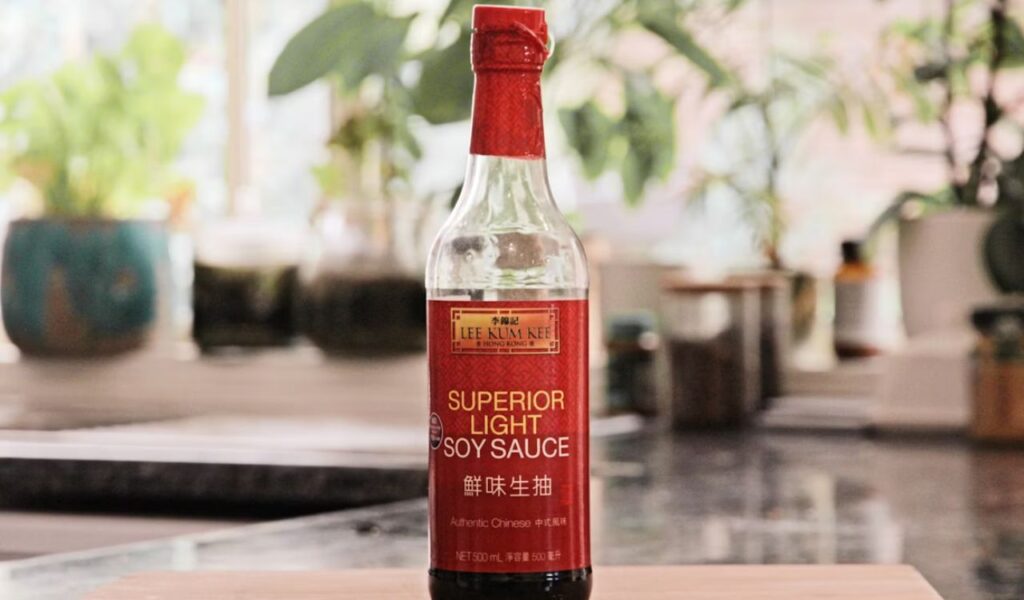
Soy sauce is shelf-stable because it is built on preservation from the very beginning. Traditional soy sauce is fermented for months using soybeans, wheat, salt, and water. That fermentation process creates compounds that inhibit harmful microbial growth, while the high salt concentration further prevents spoilage. Salt levels in soy sauce are far higher than what most bacteria can tolerate, which is why refrigeration is not required for safety. When stored at room temperature, soy sauce may slowly darken or lose some aromatic sharpness due to oxidation, but this is a quality issue rather than a safety one.
2. Honey
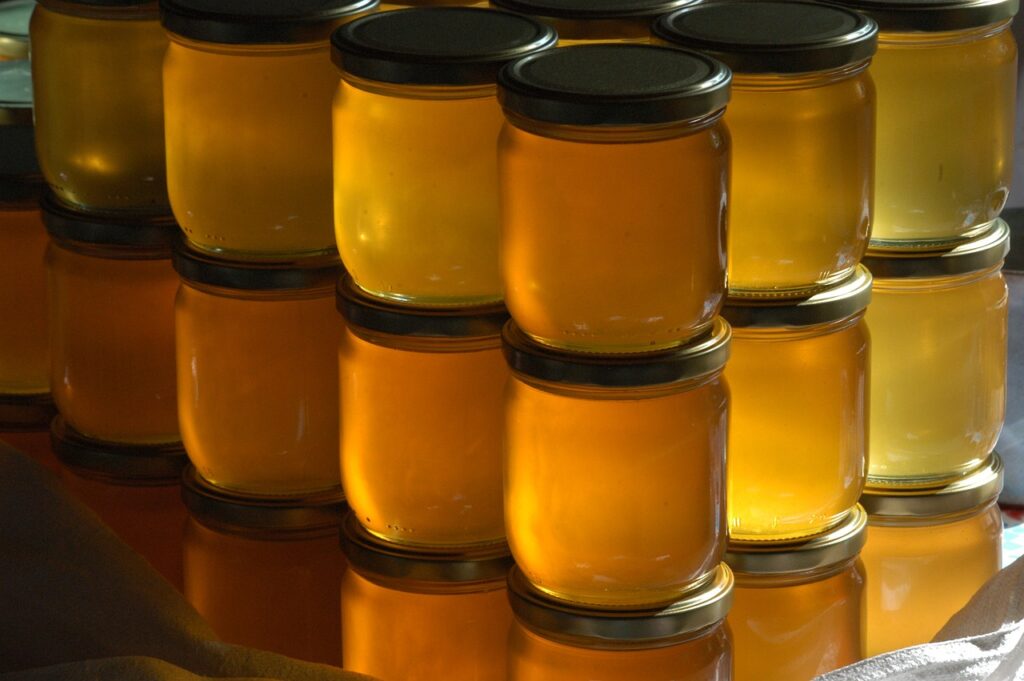
Honey is one of the few foods that does not spoil under normal conditions. Its stability comes from extremely low moisture content and natural acidity, both of which create an environment where bacteria and mold cannot survive. Honey also contains enzymes that produce small amounts of hydrogen peroxide, adding another layer of protection. Because of this, refrigeration is unnecessary and can actually make honey harder to use by accelerating crystallization. When honey crystallizes, it is not a sign of spoilage but a natural process caused by glucose separating from water. Gentle warming reverses it without damaging the quality.
3. Olive Oil
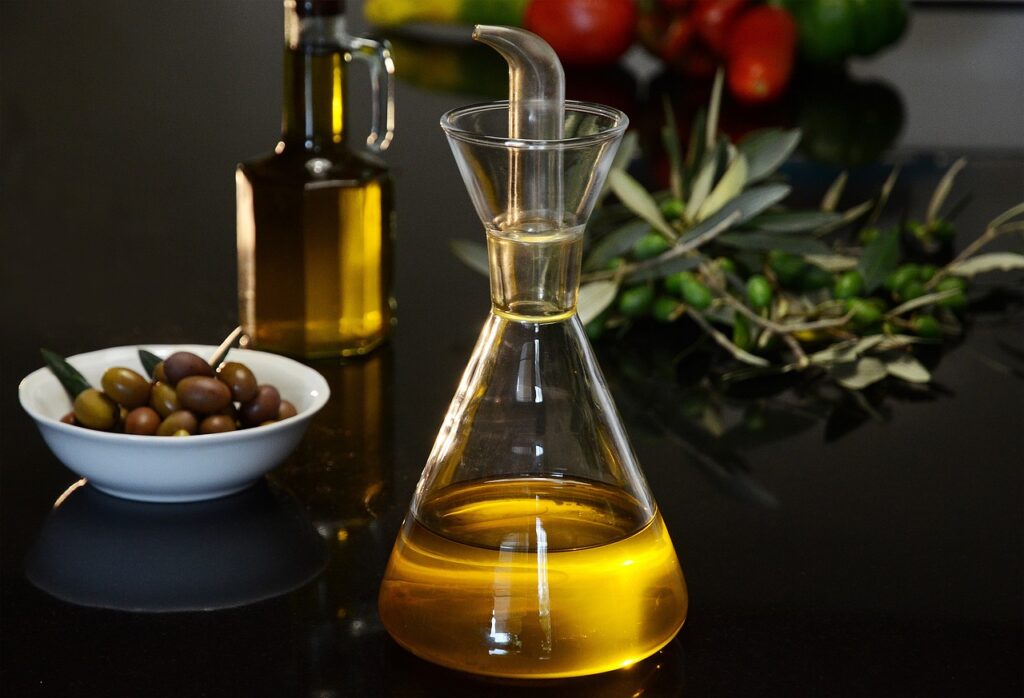
Olive oil does not require refrigeration because it contains no water and is composed almost entirely of fat. Microorganisms need moisture to grow, and olive oil simply does not provide it. Refrigeration can cause olive oil to cloud or solidify, which may be visually confusing but does not indicate spoilage. The real threats to olive oil quality are light, heat, and oxygen. These factors accelerate oxidation, leading to rancid flavors over time. Storing olive oil in a cool, dark pantry slows this process significantly. While refrigeration can extend shelf life slightly, it is unnecessary for safety and inconvenient for everyday use.
4. White Vinegar

White vinegar is one of the most stable condiments found in any kitchen. Its high acetic acid content creates an environment where harmful bacteria cannot survive. This acidity makes vinegar self-preserving, eliminating the need for refrigeration. Even after opening, white vinegar remains safe at room temperature indefinitely. Changes that may occur over time, such as cloudiness or sediment, are harmless and do not affect safety. White vinegar is produced specifically for stability and consistency, which is why it is commonly used for cleaning, pickling, and food preservation. Pantry storage is not a compromise but the intended method for maintaining its effectiveness and safety.
5. Hot Sauce
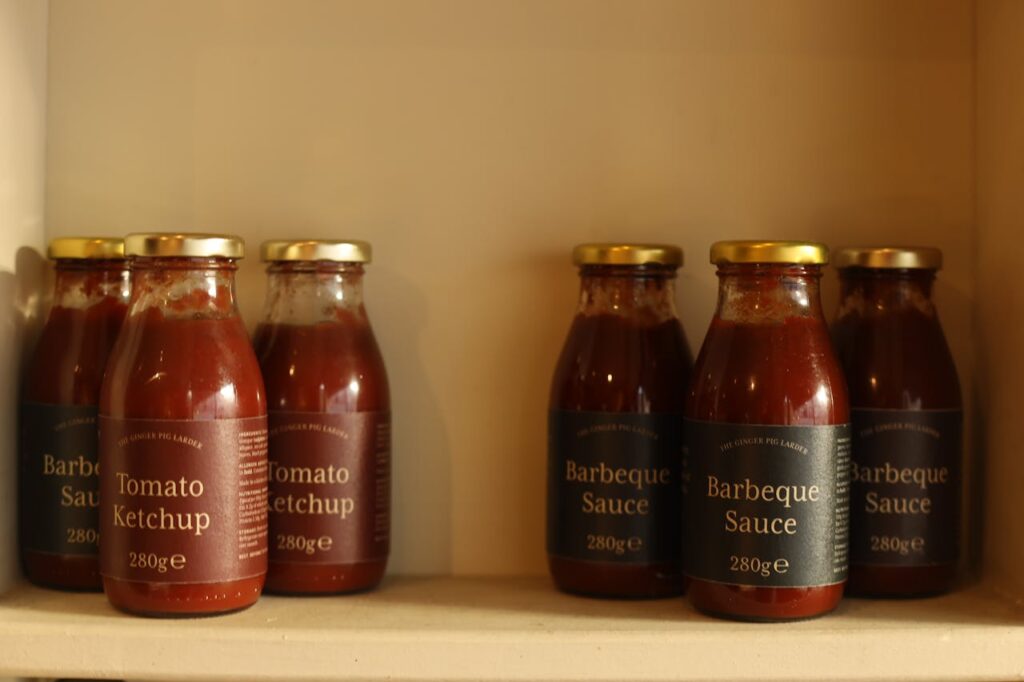
Most hot sauces are shelf-stable due to a combination of acidity and capsaicin. Vinegar is often the primary ingredient, lowering pH levels to inhibit bacterial growth. Capsaicin, the compound responsible for heat, also has antimicrobial properties. Together, these elements create a hostile environment for spoilage organisms. While refrigeration can slow color fading or flavor changes, it is not required for safety. Over time, hot sauce stored at room temperature may darken slightly or lose some brightness, but it remains safe to consume. Keeping the bottle tightly sealed and away from heat sources preserves quality. Pantry storage aligns with how most hot sauces are formulated.
6. Fish Sauce
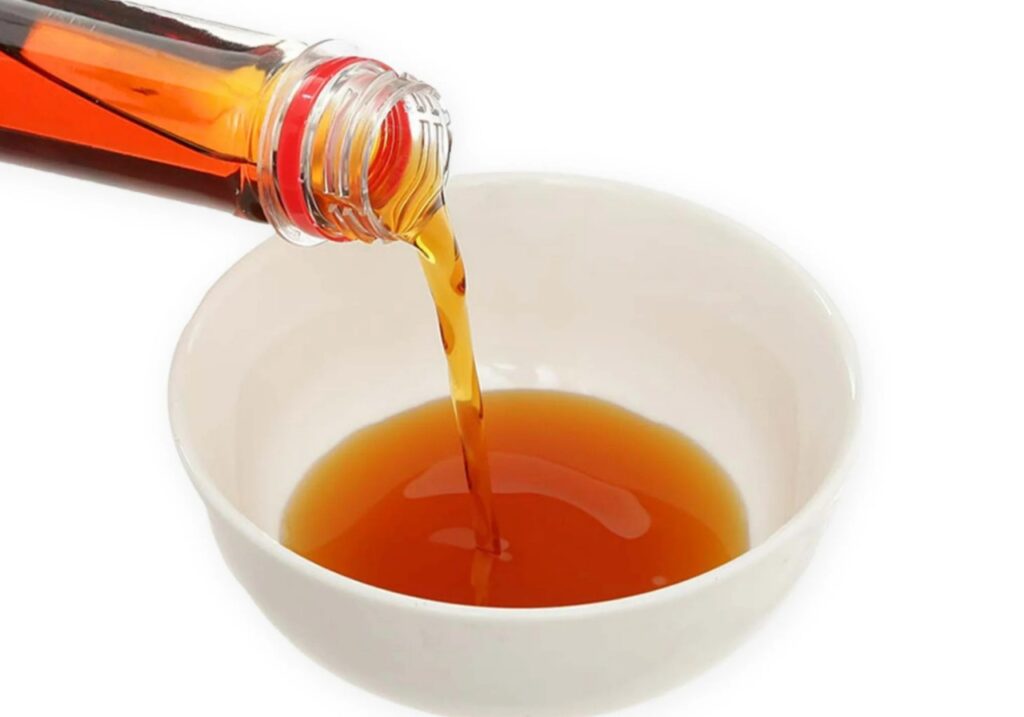
Fish sauce remains shelf-stable because it is heavily salted and fermented over long periods. During fermentation, fish proteins break down into amino acids, creating deep flavor while the salt prevents harmful bacteria from growing. Salt concentrations in fish sauce are extremely high, making refrigeration unnecessary for safety. When stored at room temperature, fish sauce may darken or develop stronger aromas, but this is a natural progression rather than spoilage. Properly sealed bottles kept away from heat maintain quality for long durations. Refrigeration is optional and usually done to slow aroma changes, not because of food safety concerns.
7. Pure Maple Syrup
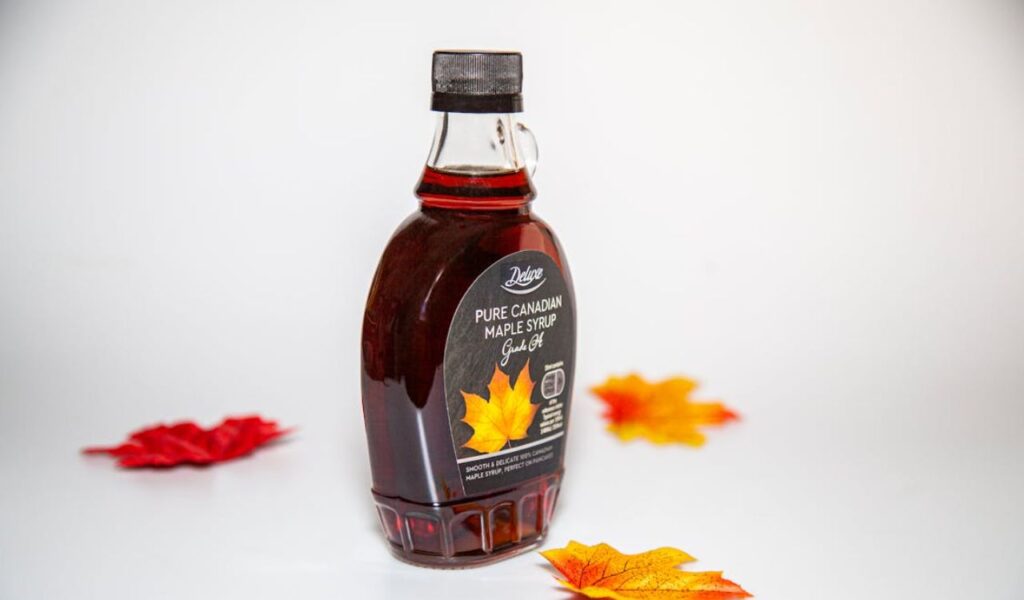
Pure maple syrup does not need refrigeration before opening because it is boiled to a high sugar concentration during production. This process removes water and creates an environment that resists microbial growth. An unopened bottle stored at room temperature remains safe until opened. Once opened, exposure to air can introduce mold, which is why refrigeration is recommended afterward. However, unopened maple syrup is designed for pantry storage. Its stability comes from concentration and heat processing rather than preservatives. Keeping it sealed and stored away from heat ensures both safety and flavor integrity until the bottle is opened.