
Why Online Restaurant Ratings Can Vary Widely by Location

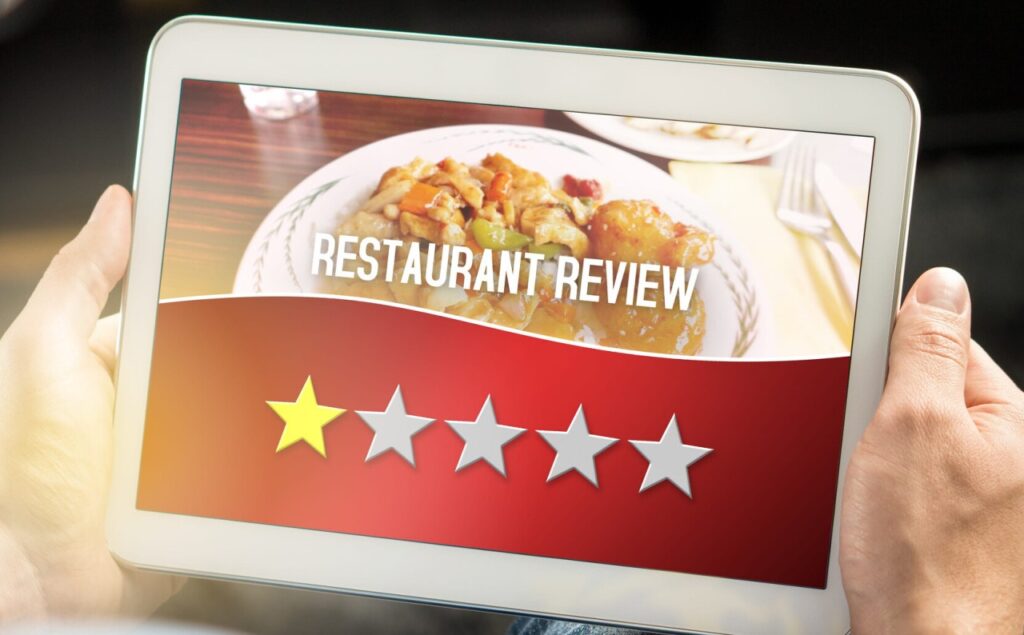
What if the restaurant rating you trust isn’t telling the full story? Those stars may seem like a guide, but they often hide a reality shaped by people, place, and perception.
A restaurant praised in one location can receive mixed reviews in another, even when the food and service remain similar. This leaves diners questioning what drives these differences.
Behind every rating is a mix of expectations, cultural influences, pricing standards, and personal experiences. These factors shape how a meal is judged, often without the reviewer realizing it.
From local habits to tourist impressions and platform algorithms, multiple layers influence how ratings are formed and shared. Each review becomes part of a bigger picture.
Understanding these hidden forces changes how you read ratings. Instead of fixed truths, they become reflections of context, helping you make smarter dining choices.
The Core Insight

At its core, restaurant ratings are not fixed measures of quality. They reflect individual experiences shaped by expectations, mood, and personal background at the time of the visit.
Ratings are also relative to location. What feels exceptional in a smaller town may seem average in a competitive food city with more options.
Perception plays a major role. Service, ambiance, and wait times often influence how food itself is judged by diners.
Platform design adds another layer. Algorithms highlight certain reviews, shaping how others view a restaurant before visiting.
Ultimately, ratings are subjective reflections. Understanding this helps diners read them as context-driven opinions rather than absolute truths.
Why Ratings Differ
Ratings vary largely because expectations differ across regions. Urban diners often compare more options, making them more critical overall.
Tourists and locals also rate differently. Visitors judge single experiences, while locals focus on consistency over time.
Pricing expectations shift by location. What feels affordable in one area may feel overpriced in another, affecting perceived value.
Cultural preferences matter too. Taste, spice levels, and portion sizes are judged differently depending on local norms.
Competition influences judgment. Areas with many strong options tend to produce stricter and more selective reviews.
What Shapes Customer Perception

Perception begins before the meal. Photos, menus, pricing cues, and prior reviews create expectations that shape the entire experience from the moment a diner arrives.
Service quality strongly impacts ratings. Friendly, attentive staff can elevate a visit, while poor or slow service can overshadow even well-prepared food.
Ambiance also matters. Lighting, cleanliness, seating comfort, and noise levels all influence how enjoyable a dining experience feels overall.
Timing affects perception. Busy hours may lead to delays or stress, while quieter visits often result in smoother and more positive impressions.
Social influence plays a role. Recommendations, online trends, and peer opinions can shape expectations long before customers step inside.
How Diners Should Interpret Ratings
Looking beyond the overall score is essential. Patterns across multiple reviews provide more reliable insight than isolated or emotional opinions.
Recent reviews are usually more useful. Changes in staff, ownership, or menu can quickly make older feedback less accurate or relevant.
Filtering reviews helps significantly. Opinions from diners with similar tastes or preferences often offer more practical and relatable guidance.
Location context matters. The same rating can represent very different standards depending on the city, region, or level of competition.
Ratings should guide, not decide. Combining them with personal judgment leads to more balanced and satisfying dining choices.
The Reality Behind Online Reviews

Online reviews naturally include bias. People are more likely to share experiences that are either very positive or strongly negative.
Fake or incentivized reviews can distort perception. Not every review reflects a genuine or unbiased customer experience.
Reviewer expectations vary widely. A casual diner and a food enthusiast may evaluate the same meal in completely different ways.
Algorithms influence visibility. Engaging or emotional reviews are often pushed forward, shaping what most people see first.
In the end, reviews blend truth with subjectivity. Recognizing this helps diners use them wisely instead of relying on them blindly.