Meal Kits Once Promised Convenience but Many Busy Households Are Pulling Back

Meal kits entered the market with a simple promise: make home cooking easier for busy households. By delivering pre-portioned ingredients and guided recipes, these services aimed to remove the stress of meal planning and grocery shopping. For a time, the concept attracted strong interest from professionals and families looking for convenient dinner solutions. Over the years, however, many customers have begun reassessing whether meal kits truly save time or money. Rising costs, preparation effort, and growing competition from ready-made meals are now reshaping how consumers view the category.
The Meal Kit Promise
The concept of meal kits initially captured attention because it seemed to solve several everyday cooking challenges at once. These services deliver pre-portioned ingredients along with step-by-step recipes, allowing people to prepare meals without planning menus or visiting the grocery store. For many households, this idea promised to simplify weeknight cooking and reduce the stress of deciding what to eat. Meal kits also introduced new recipes that consumers might not have attempted on their own. The combination of convenience and culinary exploration made the concept appealing to many busy households.
Another part of the promise involved reducing food waste and streamlining meal planning. Because ingredients arrive in pre-measured portions, customers do not need to buy entire packages of items they may use only once. Many households appreciated the ability to cook a complete recipe without leftovers or unused ingredients. This system also eliminated the need to create detailed grocery lists. By delivering exactly what was required for each meal, the service simplified the entire cooking process. Some households found that structured recipes helped them cook more consistently during the week.
Meal kit companies built their early success on this vision of organized home cooking. Marketing campaigns emphasized how the service could restore the habit of cooking dinner while saving time on preparation. For consumers interested in trying new cuisines, recipe cards offered an easy entry point into unfamiliar dishes. The result was a category that blended convenience with the experience of cooking. In its early stages, this combination attracted strong interest from households seeking structure and variety in their meals. Customers often discovered ingredients they had never used before. Trying new flavors became part of the appeal of the service.
The Convenience Illusion
Despite their promise of simplicity, meal kits still require a significant amount of work in the kitchen. Most recipes involve chopping vegetables, measuring sauces, and cooking multiple components. For households that expected an effortless dinner solution, this level of preparation can feel surprisingly demanding. The difference between perceived convenience and actual effort often becomes clear after several weeks of use. Cooking a meal kit may still take thirty minutes or more, depending on the recipe. Some recipes even require several pots and pans. This can create more cleanup than customers expected.
Busy families frequently discover that the time required to prepare a meal kit is similar to cooking from scratch. Although ingredients arrive pre-portioned, the process still includes cooking, plating, and cleaning afterward. For individuals juggling long workdays or childcare responsibilities, this can reduce the appeal of the service. What once seemed like a quick solution may start to feel like another scheduled task. The convenience is therefore limited by the amount of time people have available in the evening. Many households begin to question whether the effort is worthwhile. Some evenings may simply be too busy for cooking altogether.
This realization has caused some households to reconsider whether meal kits truly save time. Many consumers eventually compare the effort involved with alternative options such as ready-made meals or restaurant delivery. When convenience becomes the highest priority, fully prepared meals often appear more practical. As a result, some former meal kit users gradually shift toward options that require less cooking. The comparison becomes especially noticeable during busy weeks. Ready meals eliminate preparation steps. Delivery services provide food without any cooking effort. These alternatives change how consumers evaluate the value of meal kits.
The Cost Reality
Price is another factor that frequently influences long-term adoption of meal kits. Promotional discounts often make the first few deliveries feel affordable. However, once introductory offers end, the full price can appear significantly higher than expected. Meal kits commonly cost noticeably more per serving than cooking the same dish with grocery store ingredients. For households managing tight grocery budgets, this price difference becomes difficult to ignore. The higher cost reflects packaging, shipping, and service expenses. Weekly deliveries can add a noticeable amount to monthly food spending.
For households managing tight grocery budgets, this price difference becomes difficult to ignore. Preparing meals with ingredients purchased directly from supermarkets often proves cheaper over time. While meal kits offer convenience and curated recipes, the added service cost raises the overall price per meal. Consumers who initially enjoyed the novelty may begin calculating whether the convenience justifies the expense. Many conclude that the value does not always match the cost. Price sensitivity becomes stronger when grocery prices rise. Families often prioritize affordability when planning meals.
The price factor also influences how frequently people order meal kits. Some households keep the service for occasional use rather than weekly deliveries. Others cancel subscriptions entirely after evaluating their monthly spending. This pattern highlights the challenge for meal kit companies trying to balance convenience with affordability. Even satisfied customers may reduce their usage. Occasional orders replace regular subscriptions. Companies, therefore, experience fluctuating demand. Retaining long-term subscribers becomes increasingly difficult. This inconsistency makes long-term revenue planning more complicated for the companies involved.
The Subscription Fatigue
Meal kit services typically operate through recurring subscriptions that automatically schedule weekly deliveries. While this system ensures consistent meals for subscribers, it can also create frustration for customers who prefer flexibility. Managing delivery dates, skipping weeks, or adjusting meal selections sometimes requires extra attention. Over time, this routine can begin to feel inconvenient rather than helpful. Some customers forget to skip a delivery before the cutoff date. Boxes may arrive during weeks when cooking time is limited. Managing the subscription becomes another small responsibility.
Consumers increasingly describe this experience as subscription fatigue. Many households already manage several digital subscriptions for entertainment, shopping, and services. Adding meal kits to that list may create another recurring commitment that requires monitoring. Some customers eventually cancel simply to reduce the number of automatic payments and scheduled deliveries they manage each month. Simplifying household expenses becomes a priority. Consumers often prefer services without rigid schedules. Flexibility becomes more attractive than routine deliveries. Many customers begin favoring options that allow spontaneous meal decisions.
Industry observers note that this fatigue has contributed to high cancellation rates across the sector. Many people try meal kits during promotional periods, but later end their subscriptions once the novelty fades. Companies must therefore continually attract new users while struggling to retain long-term customers. Customer acquisition becomes an ongoing challenge. Marketing campaigns must constantly reach new audiences. Retention strategies require frequent adjustments. The industry continues searching for ways to reduce cancellation rates. Maintaining consistent subscriber numbers has become one of the sector’s biggest challenges.
The Packaging Problem
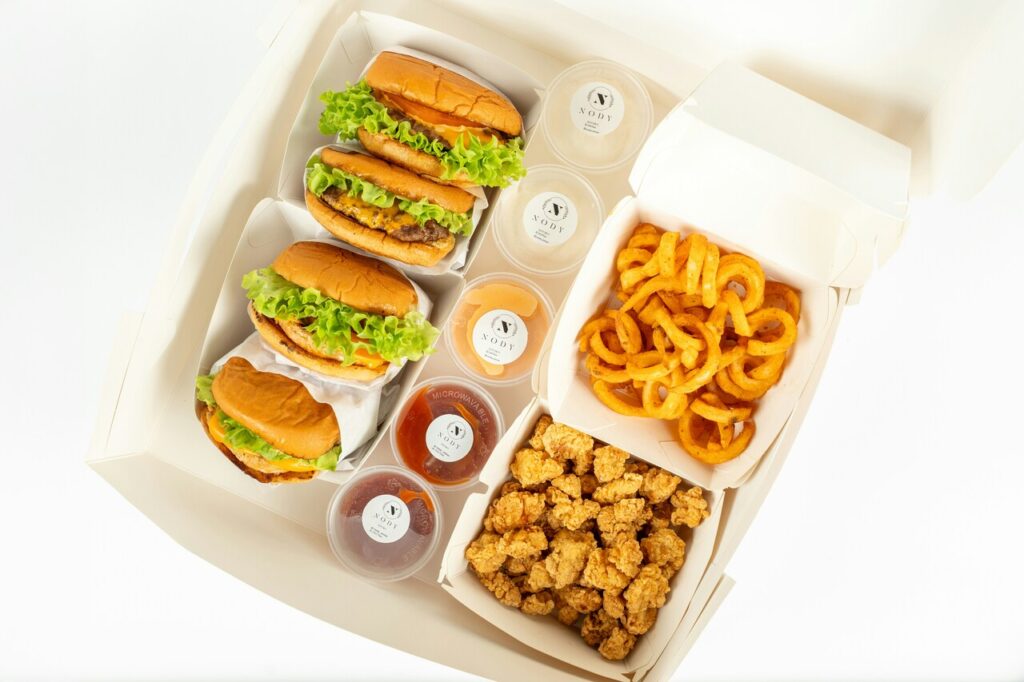
Another issue frequently mentioned by meal kit users involves packaging waste. Each delivery typically contains insulated boxes, cooling packs, plastic containers, and small ingredient packets. While these materials help preserve freshness during shipping, they can also create large amounts of waste after a single meal. Many customers feel conflicted about discarding so much packaging each week. The number of individual packets can be surprising. Small items such as sauces and spices arrive in separate wrappers. These materials quickly accumulate in household trash. The convenience of delivery, therefore, creates a visible waste problem.
The environmental impact of these materials has become a growing concern among environmentally conscious consumers. Recycling options for specialized packaging are often limited. Some items require specific facilities or disposal methods that are not available in every region. As a result, customers may struggle to dispose of the packaging responsibly. Cooling packs and insulated liners are especially difficult to recycle. Many households are unsure how to handle these materials. Some companies provide disposal instructions, but participation varies. Environmental concerns increasingly influence how customers evaluate meal kit services.
This tension creates what some observers describe as a sustainability paradox. Meal kits can reduce food waste through precise portions, yet they often increase packaging waste through complex delivery systems. For households trying to minimize environmental impact, this trade-off can influence their decision to continue using the service. Consumers may compare the waste with regular grocery shopping. Excess packaging becomes more noticeable over time. Environmental concerns gradually shape purchasing choices. Sustainability expectations continue rising among shoppers. Companies are now exploring alternative materials to address these concerns.
The Competition Factor
The meal kit category has also faced strong competition from other convenience food options. Grocery stores now offer a wide variety of prepared meals, ready-to-cook dishes, and refrigerated meal solutions. Many of these products require little preparation and can be heated in minutes. For consumers seeking maximum convenience, these alternatives may appear more appealing. Supermarkets have expanded their prepared food sections significantly. Customers can now choose from many ready-made dinner options. These meals often require no cooking at all. Convenience, therefore, shifts consumer attention away from meal kits.
Food delivery platforms have further expanded the range of available options. With a few taps on a smartphone, households can order restaurant meals that arrive fully prepared. This convenience often surpasses what meal kits can offer. When time is limited, customers may choose a ready meal instead of cooking from a recipe. Delivery services continue improving speed and reliability. Restaurants partner with multiple apps to reach customers. Ordering dinner becomes effortless compared with cooking. This convenience changes how households evaluate meal kit services. The ease of delivery reshapes expectations about dinner preparation.
Market analysts note that these competing services have changed consumer expectations for convenience. As more ready-to-eat options become available, the appeal of cooking from a kit may decline. The food industry continues evolving rapidly, and meal kits now operate in a crowded landscape of convenience-driven solutions. Consumers now expect dinner solutions to be extremely quick. Products that require preparation may feel less attractive. Competition, therefore, reshapes the entire category. Meal kit companies must continually adapt. The pressure from alternative services continues to increase.
The Experience Advantage
Despite these challenges, meal kits still offer an experience that some consumers genuinely enjoy. For people interested in cooking, the structured recipes provide guidance and inspiration. Many subscribers appreciate learning new cooking techniques or experimenting with unfamiliar ingredients. This educational element differentiates meal kits from simple, ready-made meals. Cooking becomes part of the entertainment of the evening. Some households treat it as a creative activity. The step by step instructions simplify the process. This structure encourages experimentation. It also helps beginners feel more comfortable attempting new dishes.
Cooking with a meal kit can also turn dinner preparation into a more engaging activity. Some families use the recipes as an opportunity to cook together and explore new cuisines. The detailed instructions make it easier for beginners to develop confidence in the kitchen. Over time, subscribers may build a collection of recipe cards that they continue using even after cancelling the service. These recipes sometimes become part of a regular meal rotation. The instructions provide a useful reference for future cooking. Customers may adapt the recipes with their own ingredients. The learning experience remains valuable even after subscriptions end.
This experiential value remains one of the strongest advantages of the meal kit model. While convenience may fluctuate, the opportunity to learn and experiment with cooking continues to attract certain consumers. For those who enjoy the process of preparing meals, meal kits still offer a unique blend of structure and creativity. The service appeals to people who enjoy cooking but dislike planning meals. Structured guidance reduces uncertainty in the kitchen. Recipes introduce flavors from different cuisines. This creative aspect helps meal kits maintain a loyal audience. It ensures that the category retains a dedicated group of enthusiasts.