The Controversy Around Ultra Processed Food Warnings

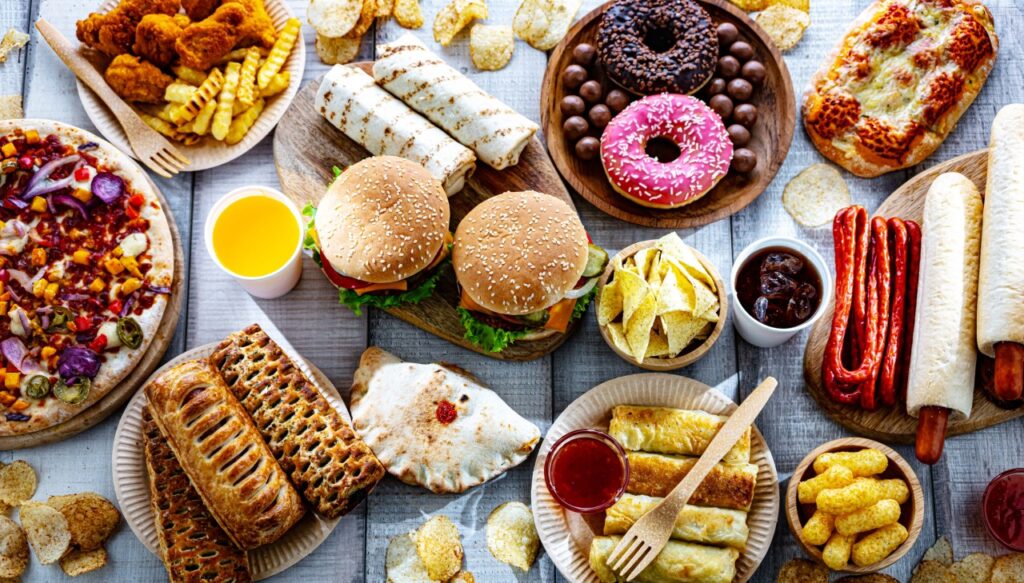
The brightly colored packages lining supermarket shelves are under a new spotlight. Ultra-processed foods, once praised for convenience, affordability, and long shelf life, are now at the center of a growing public health debate. Researchers are publishing studies that link high consumption to chronic disease risks, policymakers are weighing proposals for front-of-pack warning labels, and major food manufacturers are mounting public defenses of their products. What looks like an ordinary snack aisle has quietly become a policy flashpoint, where questions about nutrition science, corporate responsibility, and consumer transparency increasingly collide.
At the heart of the controversy is a deceptively simple question: should foods be flagged not just for nutrients like sugar, salt, or saturated fat, but for the degree to which they are industrially processed? Advocates argue that clearer warnings could help consumers better understand dietary patterns and long-term health implications. Critics counter that definitions of ultra-processed foods are still debated and may oversimplify complex food systems. As regulators explore labeling reforms, the decisions made could significantly influence purchasing habits, marketing strategies, and how everyday foods are perceived in households around the world.
The Rising Backlash Against Ultra-Processed Foods

A growing number of grocery shoppers are lingering longer in the center aisles, reading ingredient lists with more care than ever before. Ultra-processed foods, once embraced for their convenience, low cost, and long shelf stability, are now under sustained scrutiny from researchers, regulators, and public health advocates. Critics point to studies linking high consumption with elevated risks of obesity, cardiovascular disease, and metabolic disorders. Because these products often contain refined starches, added sugars, flavor enhancers, and industrial additives, they have become central to debates about how modern diets influence long-term health outcomes.
This heightened attention has intensified calls for clearer labeling and, in some cases, front-of-pack warning symbols. Supporters argue that prominent disclosures could help shoppers quickly assess potential risks and make more informed choices in busy retail environments. Opponents caution that the underlying science is still developing and that broad warnings may oversimplify complex dietary patterns. The backlash ultimately reflects a broader cultural shift, as consumers, policymakers, and industry leaders reassess the role industrial food production plays in shaping everyday eating habits.
What Counts as Ultra Processed
Not all packaged foods are created equal, and the debate begins with how “ultra-processed” is defined. Researchers commonly use classification systems that group foods according to the extent and purpose of industrial processing rather than just nutrient content. Under these frameworks, ultra-processed products often contain ingredients rarely found in home kitchens, including emulsifiers, flavor enhancers, artificial sweeteners, colorings, and stabilizers. These substances are added to improve texture, intensify flavor, extend shelf life, and ensure consistency across large production runs, making products more durable and widely distributed.
Yet the definition remains a point of contention. Some items categorized as ultra processed may still meet established nutrient benchmarks for sugar, sodium, or fat, while certain minimally processed foods can contain additives that raise similar concerns. This overlap creates confusion for both consumers and policymakers attempting to design effective warning systems. Critics question whether labels should focus on the degree of processing itself, on specific nutrients linked to disease risk, or on broader dietary patterns. Translating a scientific classification model into simple, actionable guidance for shoppers continues to be one of the most complex aspects of the controversy.
The Science Behind Health Warnings
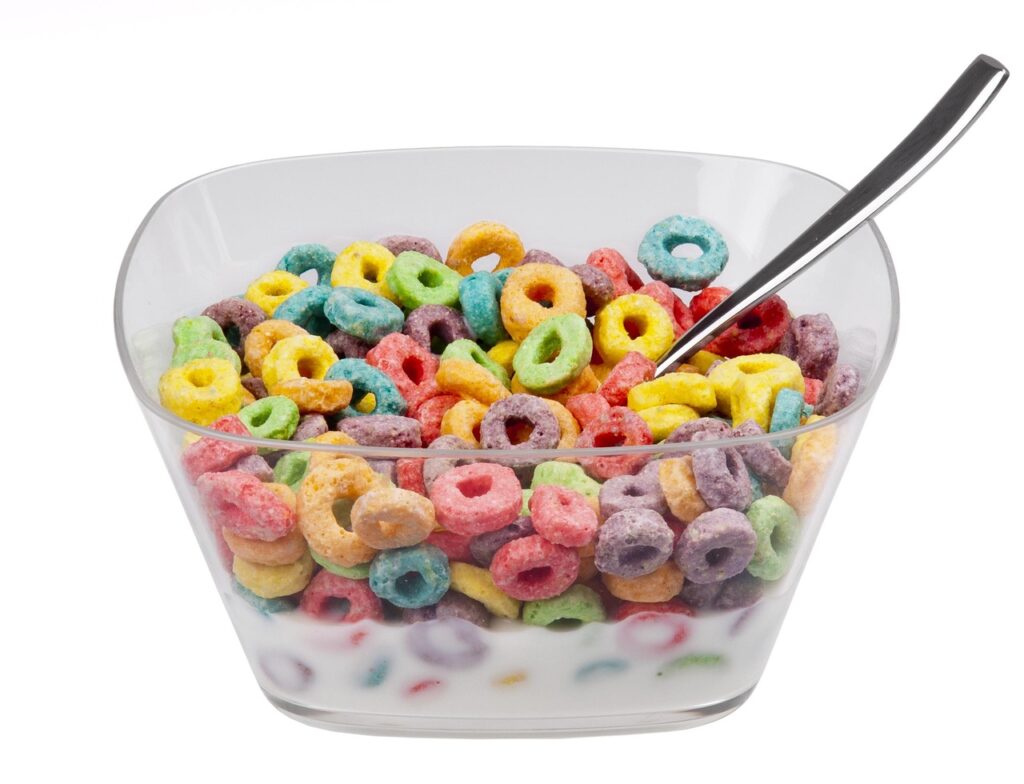
Scientific research has increasingly focused on understanding how high consumption of ultra-processed foods may influence long-term health. Large observational studies have linked frequent intake with higher risks of cardiovascular disease, type 2 diabetes, obesity, and certain cancers. Researchers point to several possible contributing factors, including high energy density, elevated levels of added sugars and refined carbohydrates, excessive sodium, unhealthy fats, and low fiber content. Some investigations also explore how food additives, altered textures, and rapid digestibility may affect satiety signals, gut health, and overall metabolic responses.
At the same time, many scientists urge caution when interpreting these findings. Observational data can reveal associations, but they do not always establish direct cause and effect. Individuals who consume more ultra-processed foods may differ in income, physical activity, stress levels, or access to healthcare, all of which can influence health outcomes. Controlled feeding trials have shown that diets rich in ultra-processed items can increase calorie intake over short periods, yet questions remain about long-term impacts. This ongoing scientific complexity fuels debate about how assertive warning labels should be and how confidently they can reflect evolving evidence.
Industry Pushback and Economic Stakes
Food manufacturers and industry associations have mounted a coordinated response to proposals calling for warning labels on ultra-processed foods. Industry representatives argue that grouping a wide range of products under a single cautionary banner risks oversimplifying nutrition science and unfairly stigmatizing items that meet existing safety standards. They emphasize that food processing itself plays an important role in preservation, pathogen control, affordability, and consistent supply. Companies also highlight ongoing reformulation efforts, including reducing added sugars, lowering sodium levels, and eliminating certain artificial ingredients to align with evolving dietary guidance.
Economic implications add another layer of complexity to the debate. Ultra-processed products account for a substantial portion of supermarket sales and often remain more affordable and accessible than fresh or minimally processed alternatives. Introducing mandatory warning labels could increase packaging redesign costs, regulatory compliance expenses, and legal scrutiny, particularly for smaller manufacturers. Marketing strategies and brand positioning may also require adjustment if warning symbols influence consumer perception. Policymakers must weigh potential public health benefits against broader economic consequences, including impacts on jobs, food pricing, and market competition.
What Warning Labels Could Mean for Shoppers
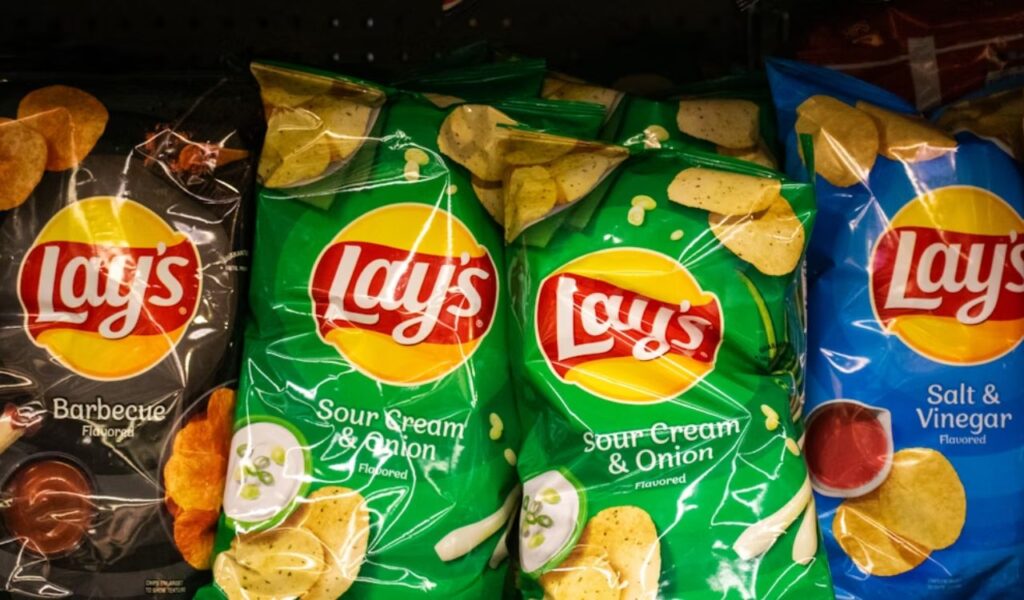
For consumers, front-of-pack warnings could significantly influence how decisions are made in the grocery aisle. Bold symbols or clear text alerts may allow shoppers to quickly identify products high in added sugars, sodium, or industrially formulated ingredients without closely studying the full nutrition panel. Supporters argue that this type of visibility simplifies complex information and supports faster, more informed comparisons between similar items. In countries where comparable labeling systems have been introduced, early purchasing data have indicated measurable shifts toward products perceived as less processed or carrying fewer warning indicators.
At the same time, labeling alone does not automatically translate into lasting dietary change. Price sensitivity, product availability, taste preferences, time constraints, and deeply rooted cultural habits continue to shape what families bring home. Some public health experts caution that if warnings are too broad or not clearly explained, they may generate confusion or even desensitization over time. The overall effectiveness of ultra-processed food warnings will ultimately depend on how clearly the information is communicated and how consumers choose to apply it within their everyday routines.