Why Lab Grown Meat Is Facing Pushback in Several States

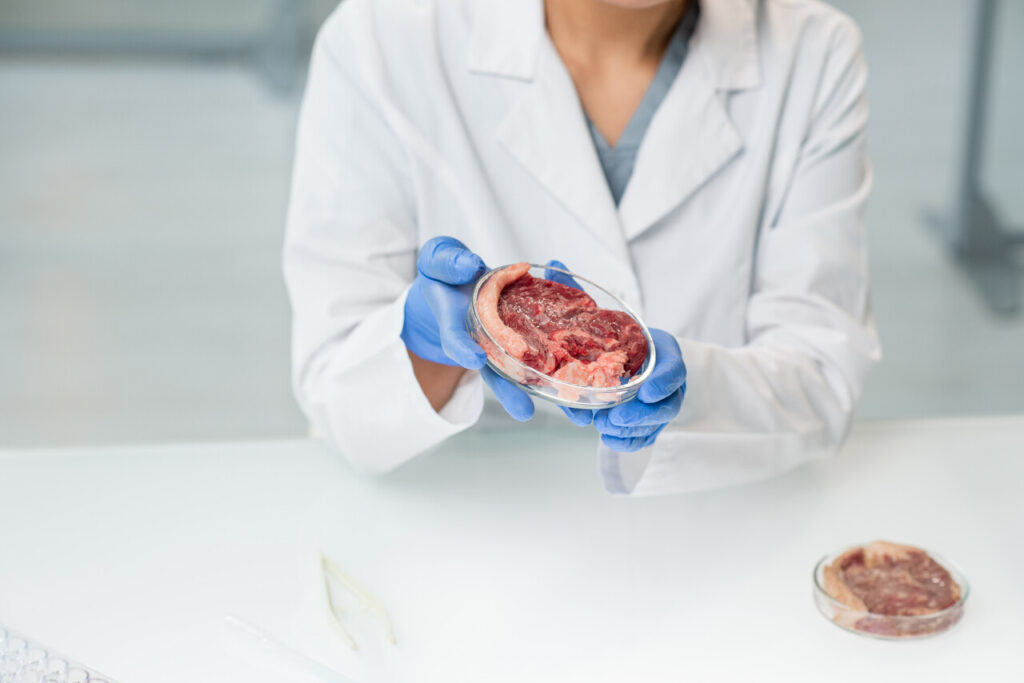
A few years ago, lab grown meat sounded like science fiction. Now it is edging closer to grocery stores and restaurant menus, backed by promises of lower emissions and fewer animals raised for slaughter. But as cultured meat moves from research labs into the real marketplace, resistance is building. Several states are pushing back with new bills, labeling rules, and even outright bans. The debate is no longer just about technology. It is about economics, identity, consumer trust, and who gets to define what counts as meat in America.
What Lab Grown Meat Is and Why It Matters
Lab grown meat, also called cultured or cell-based meat, may sound futuristic, but the science behind it has been developing for decades. Instead of raising and slaughtering animals, scientists take cells from a living animal and nurture them in a controlled environment, essentially “growing” muscle tissue that becomes meat. Supporters say this approach could transform how the world produces protein, reducing the environmental strain of livestock farming, cutting greenhouse gas emissions, and limiting land and water use. For consumers curious about sustainable eating, it promises a way to enjoy familiar foods with a smaller ecological footprint.
From a scientific standpoint, cultured meat represents a remarkable achievement, but it also raises practical questions about production scale, cost, and taste. Early products have been expensive to create and require precise lab conditions, which means widespread availability still hinges on technological advances and investment. Yet several companies have crossed key regulatory and technical hurdles, drawing interest from investors and sustainability advocates. The basic idea resonates with people concerned about climate change and animal welfare. But for all its promise, lab grown meat brings with it a host of social, economic, and cultural questions that are now playing out in state capitols and in the broader public conversation.
Legislative Resistance Across States
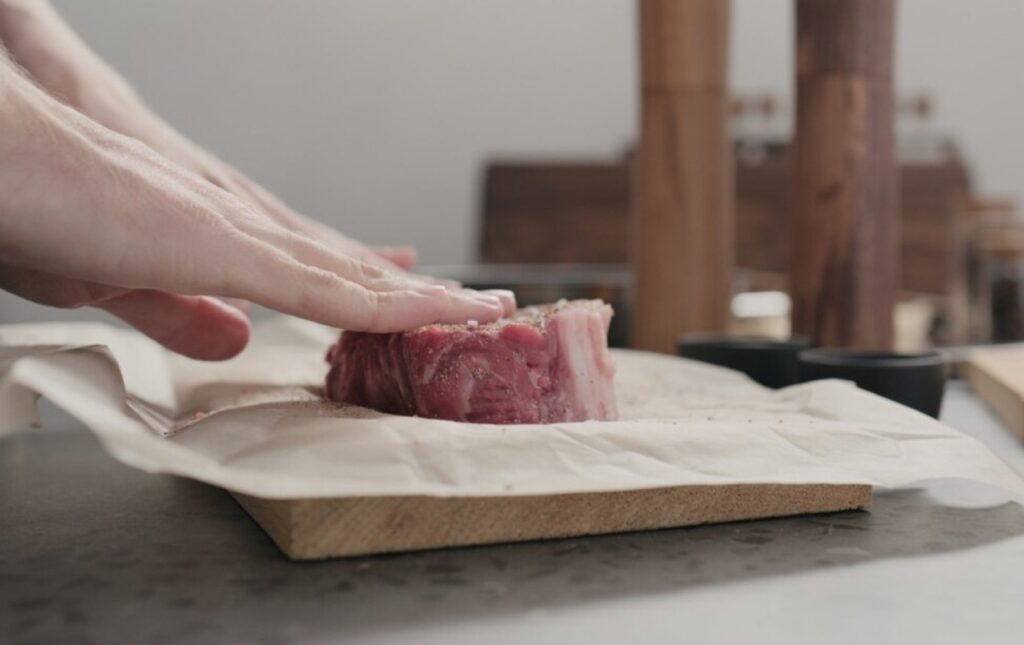
Despite the enthusiasm in some quarters, cultured meat has encountered political resistance in several U.S. states. Lawmakers in traditional livestock-producing regions have introduced bills to define, label, or restrict lab grown meat, often framing the legislation as a way to protect consumers and local producers. Some proposals seek to prevent cultured meat from being labeled simply as “meat,” arguing that the term should be reserved for products derived directly from slaughtered animals. Others would bar the sale of lab grown products altogether within state borders, at least until clear regulatory frameworks are established. These efforts reflect deeper tensions between innovation and tradition in American food systems.
The political landscape varies widely by region. States with strong agricultural economies, particularly those that depend heavily on cattle, pork, or poultry production, are more inclined to scrutinize cultured meat closely. In some cases, lawmakers have explicitly stated that their goal is to protect local farmers and ranchers from what they perceive as unfair competition. Critics of lab grown meat have echoed concerns about transparency and the potential for consumer confusion if products that haven’t come from an animal’s body are marketed alongside conventional meat. The legislative pushback is not merely symbolic; it has real implications for companies trying to scale up production and find markets for their products across the country.
Industry and Farmer Concerns
Traditional meat producers have been among the most vocal critics of lab grown alternatives, and their concerns are rooted in economics, identity, and market stability. Ranchers and livestock farmers operate within narrow profit margins and often depend on states’ branding and regulatory environments to differentiate their products. If lab grown meat is allowed to use the same labels and marketing language as conventional beef or chicken, many producers fear it will dilute brand value and undercut their livelihoods. Their perspective isn’t just nostalgic attachment to tradition. It’s grounded in the realities of global commodity markets, where price competition is fierce and differentiation matters.
There’s also concern about how cultured meat products will be regulated and labeled. Traditional producers argue that consumers have a right to know exactly what they’re buying and how it was made. That’s why many legislative proposals focus on clear labeling language that distinguishes lab grown meat from animal-derived products. The debate touches on broader questions about transparency in food systems and how shoppers make informed choices. To farmers and ranchers, the potential downside isn’t just economic. It’s a loss of cultural identity tied to rural and agricultural heritage. Farming communities often see livestock production as part of their way of life, and the rise of cell-grown alternatives feels like a challenge to that cultural fabric.
Consumer Perceptions and Cultural Resistance
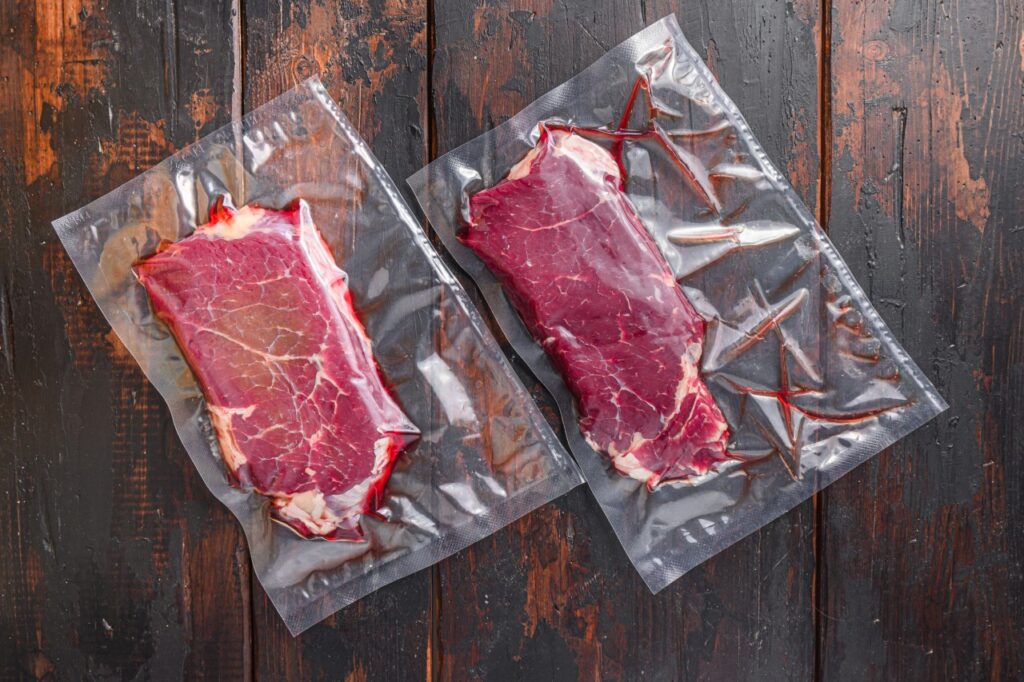
Consumer acceptance is another major hurdle for lab grown meat. Even as cultured products gain regulatory approval and enter select markets, many potential buyers remain skeptical about safety, taste, and authenticity. For many people, food is deeply personal and tied to tradition. Meals passed down through generations carry emotional weight, and the idea of eating something labeled as “lab grown” triggers questions about naturalness and quality. Surveys and focus groups often find that while some consumers are curious and willing to try cultured meat, a significant portion are hesitant or outright resistant.
Skepticism isn’t only about perception; it also intersects with cultural food identities. In regions where barbecue, grilling, and farm-to-table traditions are part of community life, lab grown alternatives can be perceived as threats rather than complements to local cuisine. Some shoppers worry about long-term health effects or simply prefer food that comes from familiar production methods. That resistance isn’t static, perceptions can change over time with education and exposure, but it highlights the social complexity of introducing new food technologies. When something as fundamental as meat is reimagined, the conversation inevitably touches on values, identity, and tradition, not just nutrition and sustainability.
Regulatory and Legal Battles Ahead
The debate over lab grown meat isn’t likely to settle soon, and much of the wrangling is moving into legal and regulatory arenas. How products are classified, whether as “meat,” “protein,” or something else entirely, will affect labeling requirements, interstate commerce, and consumer understanding. Federal agencies like the USDA and FDA are developing frameworks for inspection and approval, but states are asserting their own authority too, leading to a complex patchwork of rules. That variability could create confusion for producers and shoppers alike.
Courts may ultimately play a key role in resolving some of these disputes, especially when state laws appear to conflict with federal regulatory standards or with the Constitution’s Commerce Clause. Legal challenges to lab grown meat bans and labeling restrictions are already being discussed among industry groups and civil liberties advocates. The outcome of these cases could set important precedents not just for cultured meat, but for how emerging food technologies are integrated into the marketplace. As lawmakers, regulators, and courts grapple with these issues, the future of lab grown meat will hinge on a balance between innovation, consumer protection, and fair competition.