11 Fieri Diner Picks Guaranteeing BBQ Regret

Barbecue has a way of stirring deep cravings. The smell of smoke, the promise of tender meat, the comfort of sauce-stained fingers and slow, indulgent bites. That’s why diner BBQ feels so tempting, especially when it carries the swagger and confidence often associated with Guy Fieri–approved stops. Bold menu descriptions, oversized platters, and over-the-top names suggest big flavor and serious technique. But real barbecue is not about attitude or shortcuts. It is about patience, control, and respect for time. Diners, built for speed and consistency, often struggle to deliver those fundamentals.
1. Pulled Pork Plate with Sweet Glaze
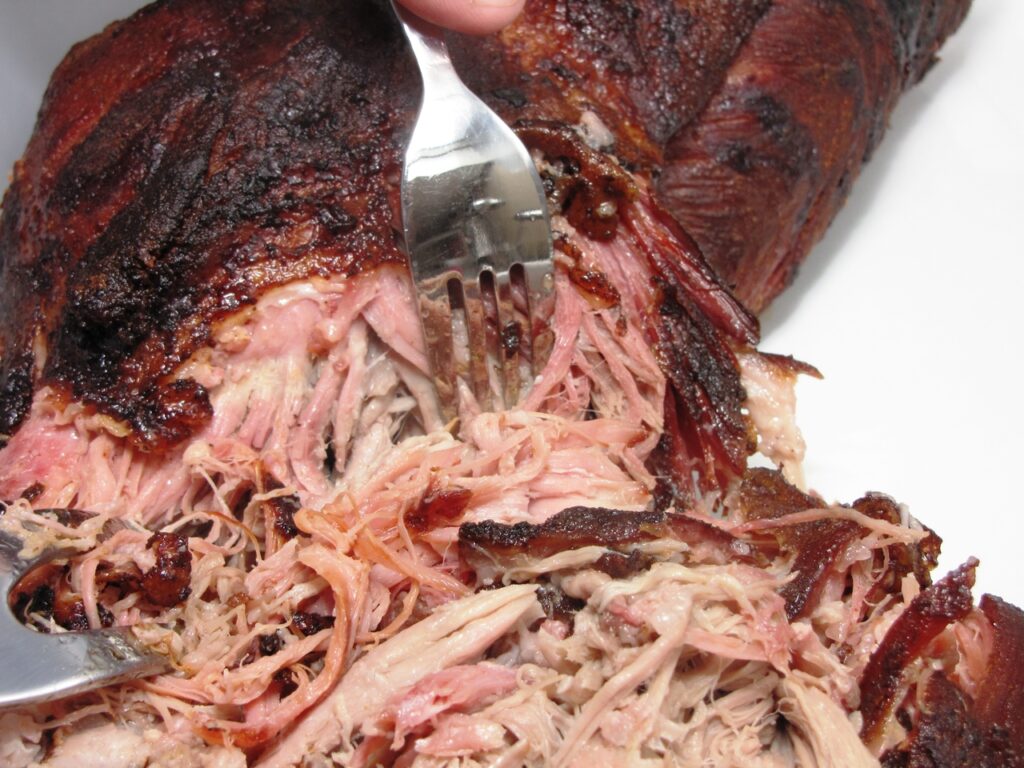
Pulled pork is often treated as the easiest BBQ item to fake, and diners lean into that assumption. Instead of slow-smoking a pork shoulder for eight to twelve hours, many kitchens braise the meat in liquid or roast it tightly covered. This cooks the pork through, but it never builds a smoke ring or layered flavor. Once shredded, the meat is frequently held warm for long periods, which causes moisture loss and a stringy texture. To compensate, a thick, sugary glaze is poured on top. That sauce sticks to the tongue, overwhelms salt and spice, and masks the absence of smoke rather than fixing it. Real pulled pork should taste rich and pork-forward first, with smoke supporting it quietly.
2. Smoked Brisket Sandwich
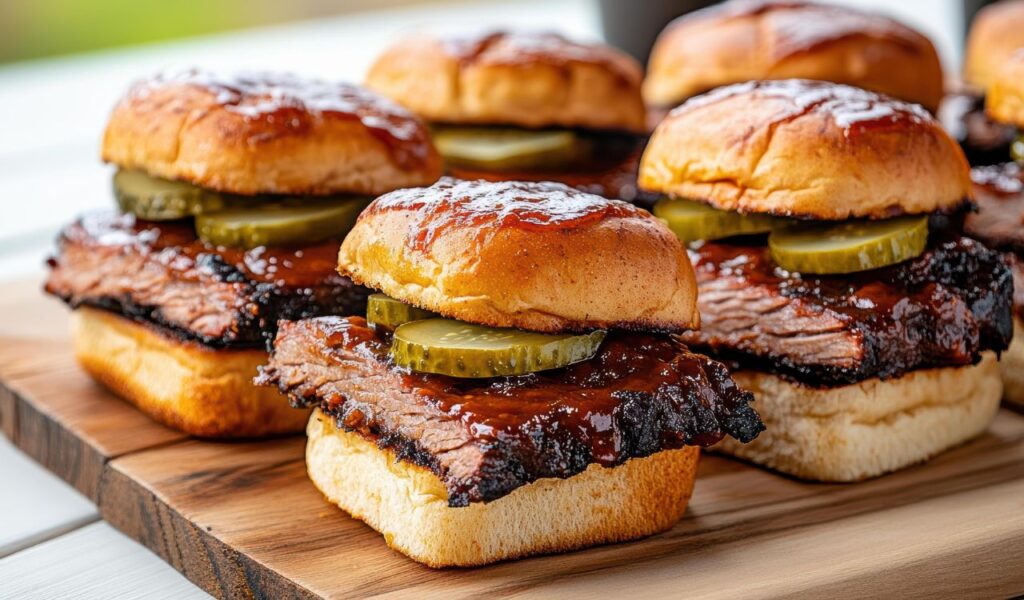
Brisket exposes shortcuts faster than any other BBQ meat. It demands precise temperature control and a long rest period to break down connective tissue. Diners rarely have the space, equipment, or time to do this properly. Instead, briskets are often cooked too hot and too fast, which tightens muscle fibers and pushes moisture out. When sliced for sandwiches, the meat looks impressive but chews like rope. Fat that should melt into the meat stays stiff or renders out completely, leaving dryness behind. Bread only makes the problem worse by absorbing what little juice remains. Sauce is added, but no sauce can restore tenderness once brisket has been rushed.
3. BBQ Rib Combo Basket
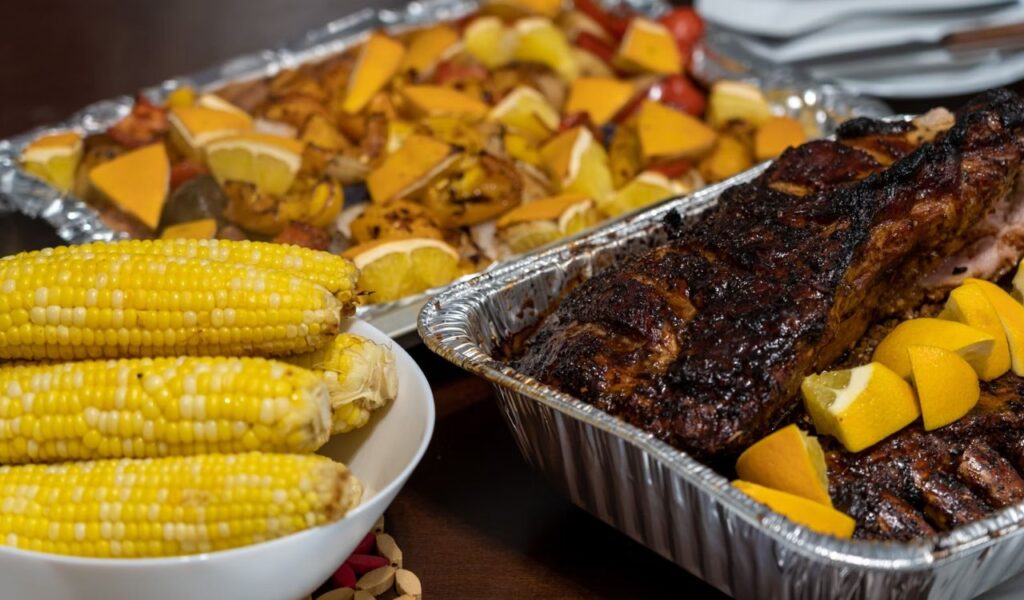
Ribs are visually tempting, which makes them easy to misuse. Diners often pre-boil ribs to save time and ensure doneness, then finish them on a grill or flat-top. Boiling strips fat and collagen directly into the water, leaving the meat hollow before sauce ever touches it. When reheated, the ribs soften too much and lose structural bite. Instead of clean pull from the bone, the meat slides off in mushy chunks. Smoke flavor never penetrates because it was never present during cooking. The glossy sauce looks appealing but dominates the palate, often tasting overly sweet or acidic. Proper ribs should balance chew, moisture, and subtle smoke.
4. Burnt Ends Special
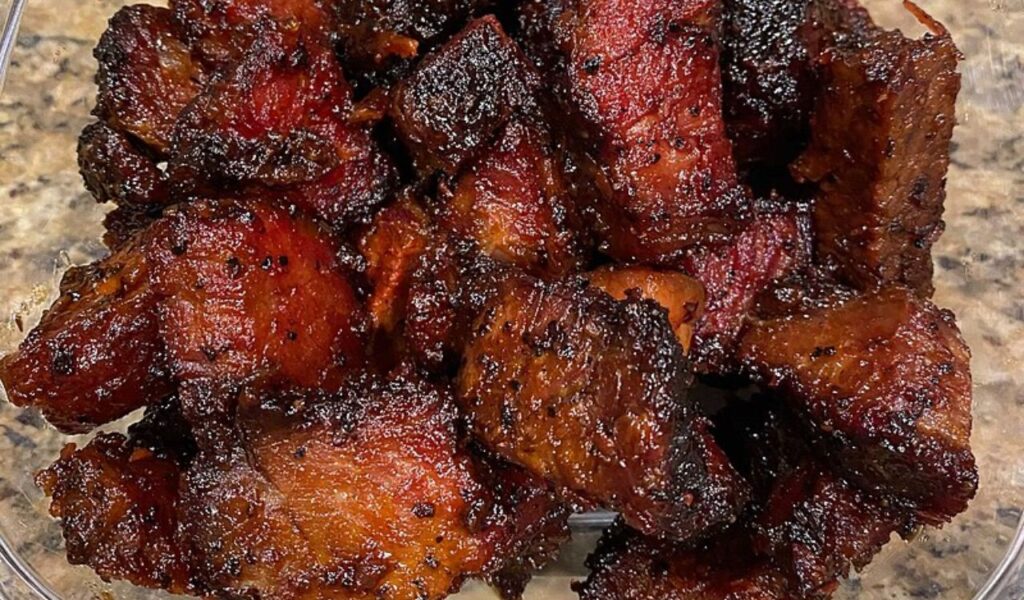
Burnt ends are one of the most misunderstood BBQ items. Traditionally, they come from the fatty point of a brisket after hours of smoking and additional time caramelizing in their own rendered fat. They are rare because they depend on careful trimming, timing, and patience. Diners often label chopped brisket trimmings as burnt ends, then toss them in sauce to mimic richness. Without the correct fat content or extended smoke exposure, the cubes taste flat and soft rather than deeply savory. Sauce adds sweetness but cannot recreate the crisp edges or beefy intensity that define real burnt ends. What should be a concentrated bite of smoke and meat becomes a saucy stew of leftovers.
5. BBQ Meatloaf
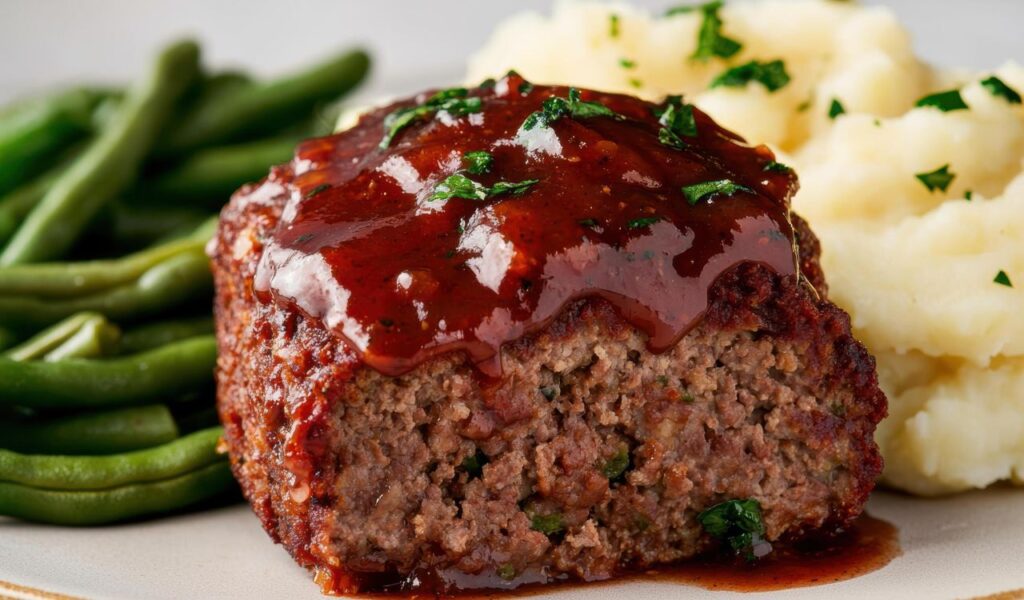
Meatloaf and barbecue do not naturally share the same strengths. Meatloaf relies on moisture retention through breadcrumbs, eggs, and gentle baking. BBQ sauce, especially sweet styles, caramelizes quickly and can overpower subtle seasoning. In diner kitchens, BBQ meatloaf is often baked in bulk, cooled, sliced, and reheated. That process dries the interior while thick sauce on top turns sticky and cloying. Smoke flavor is usually absent, replaced by liquid smoke or none at all. The end result tastes more like sweet tomato paste than barbecue. Proper BBQ builds flavor slowly through smoke interaction with fat and protein. Meatloaf shortcuts that entire process.
6. Pulled Chicken BBQ Sandwich
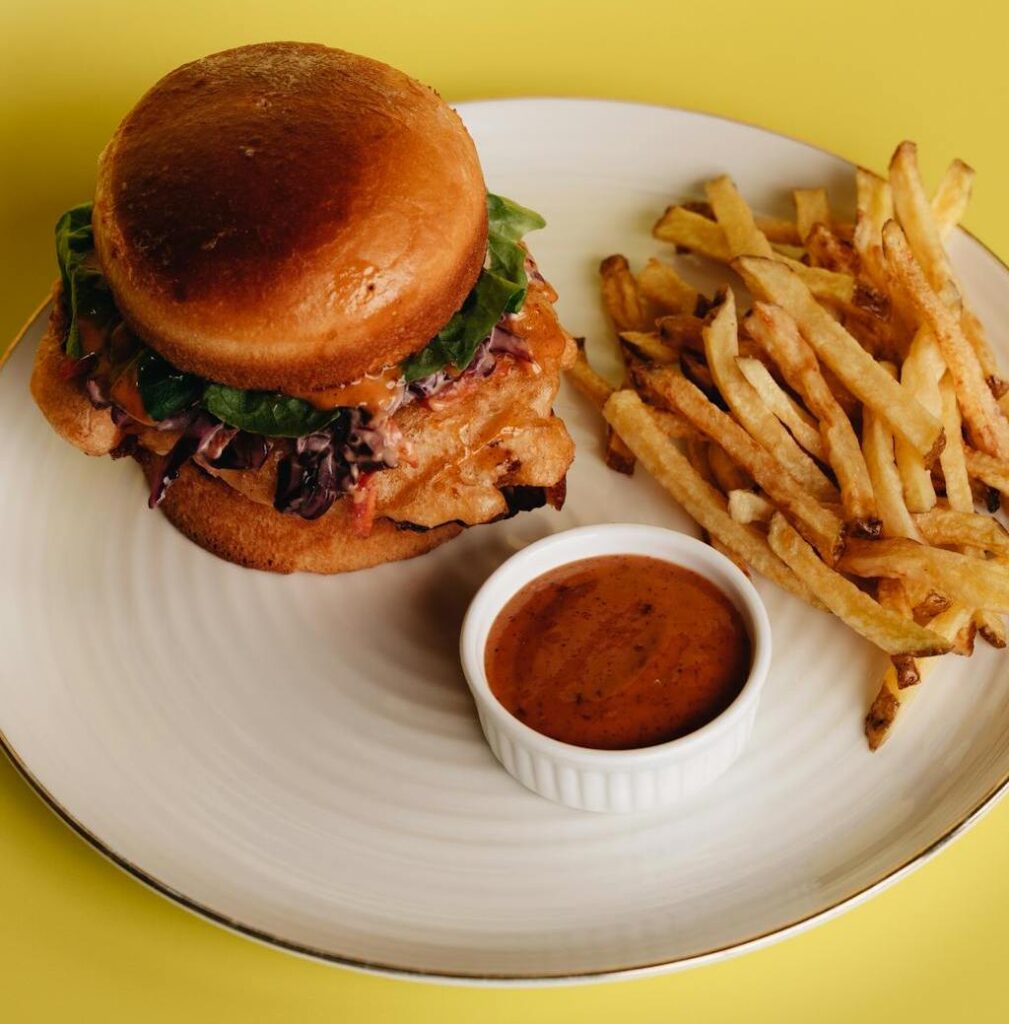
Chicken is unforgiving in barbecue because it dries quickly without constant attention. Diners often cook chicken breasts or thighs in advance, shred them, and hold them warm for service. As time passes, moisture escapes and fibers stiffen. Sauce is added generously to compensate, but that only coats dryness rather than fixing it. Smoke flavor is usually light or artificial because chicken requires controlled airflow and lower heat to absorb smoke without overcooking. When piled onto bread, the sandwich becomes saucy yet dry at the same time. True smoked chicken should stay juicy and lightly smoky, with sauce as an accent.
7. BBQ Nachos
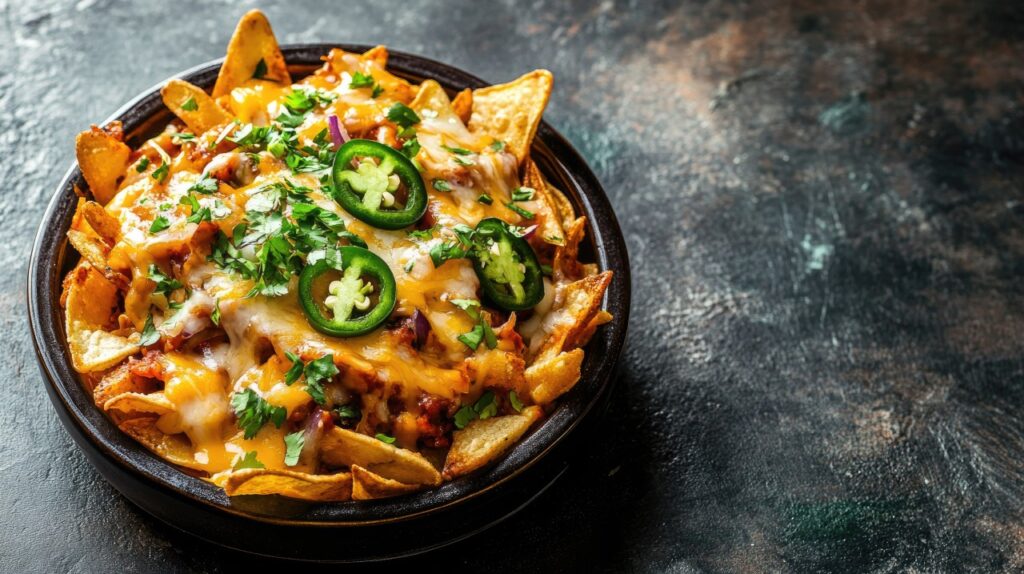
BBQ nachos are often a clearinghouse for extra meat. Diner kitchens use chopped pork or chicken that has already lost moisture, then reheat it under cheese. High heat melts cheese but further dries meat, while chips trap steam and turn soggy underneath. Smoke flavor fades quickly during reheating, leaving behind salt and grease. Sauce is drizzled on top, but it pools instead of integrating. The first few bites feel indulgent, but the balance collapses fast. Cheese overwhelms meat, chips lose crunch, and everything tastes the same. Real barbecue shines when meat is the focus. Nachos bury it under layers that mask quality.
8. All-You-Can-Eat Ribs Night
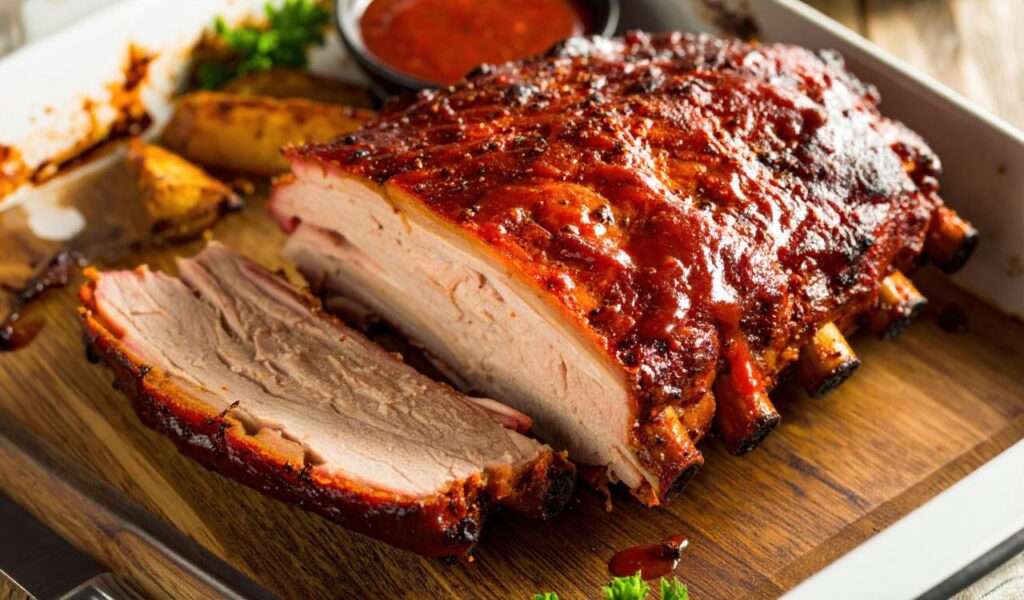
Unlimited ribs sound generous, but they usually signal heavy pre-cooking and reheating. To serve volume quickly, diners cook ribs far in advance and hold them until service. Reheating strips moisture and dulls seasoning. Sauce is applied thickly to maintain appearance, often tasting more like sweet ketchup than barbecue. Texture suffers most. Meat either turns overly soft or dries out completely. Smoke character, which fades with time and reheating, is nearly gone. Proper ribs are labor-intensive and costly. Offering unlimited portions forces compromise. The value comes at the expense of flavor, and diners often realize after the first plate that quantity does not equal satisfaction.
9. BBQ Bacon Cheeseburger
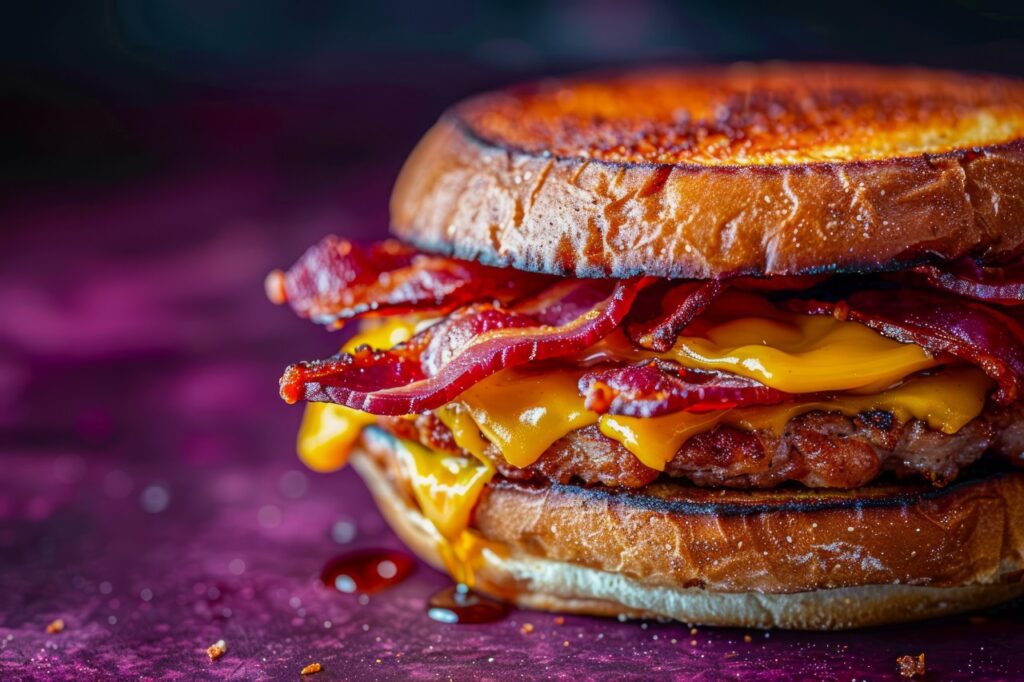
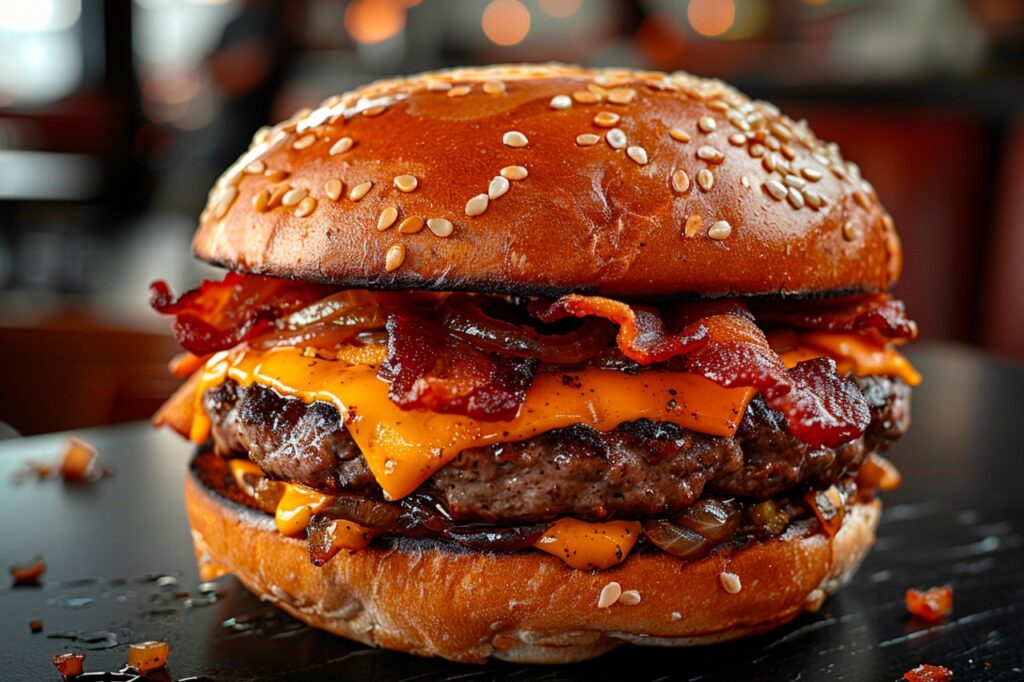
Adding BBQ sauce to a burger is an easy menu upgrade, but it often creates imbalance. Diners already use fatty beef, cheese, and bacon. BBQ sauce adds sugar and acid, which can overpower beef flavor instead of complementing it. Smoke is implied rather than real. The sauce masks seasoning mistakes and covers overcooked patties. Bacon becomes chewy instead of crisp once sauce soaks in. A good burger relies on contrast between meat, salt, fat, and bun. BBQ sauce flattens those layers into one sweet, messy note. What looks bold on the menu often tastes confused on the plate, leaving you wishing for a simpler cheeseburger done well.
10. Smoked Sausage Platter
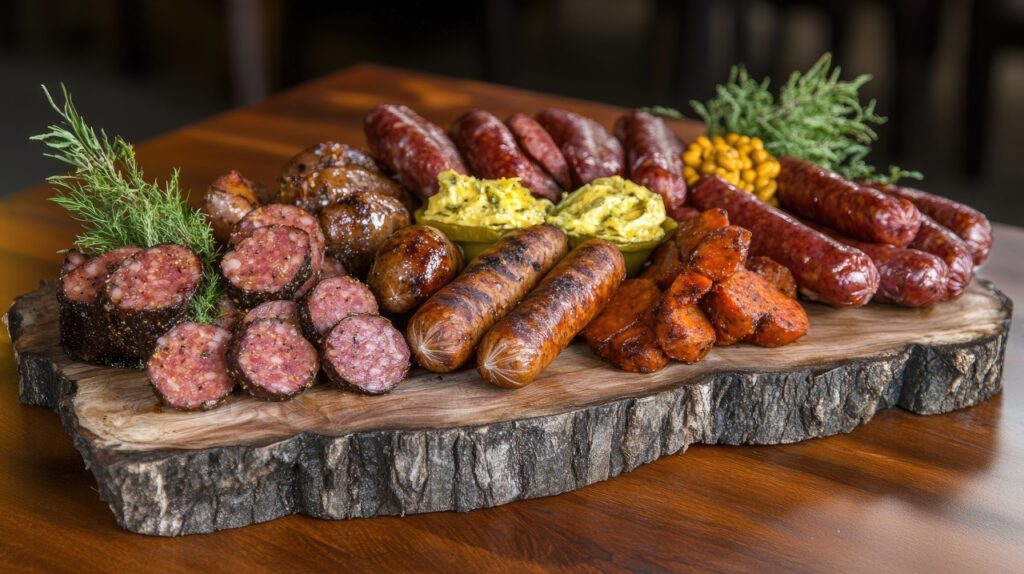
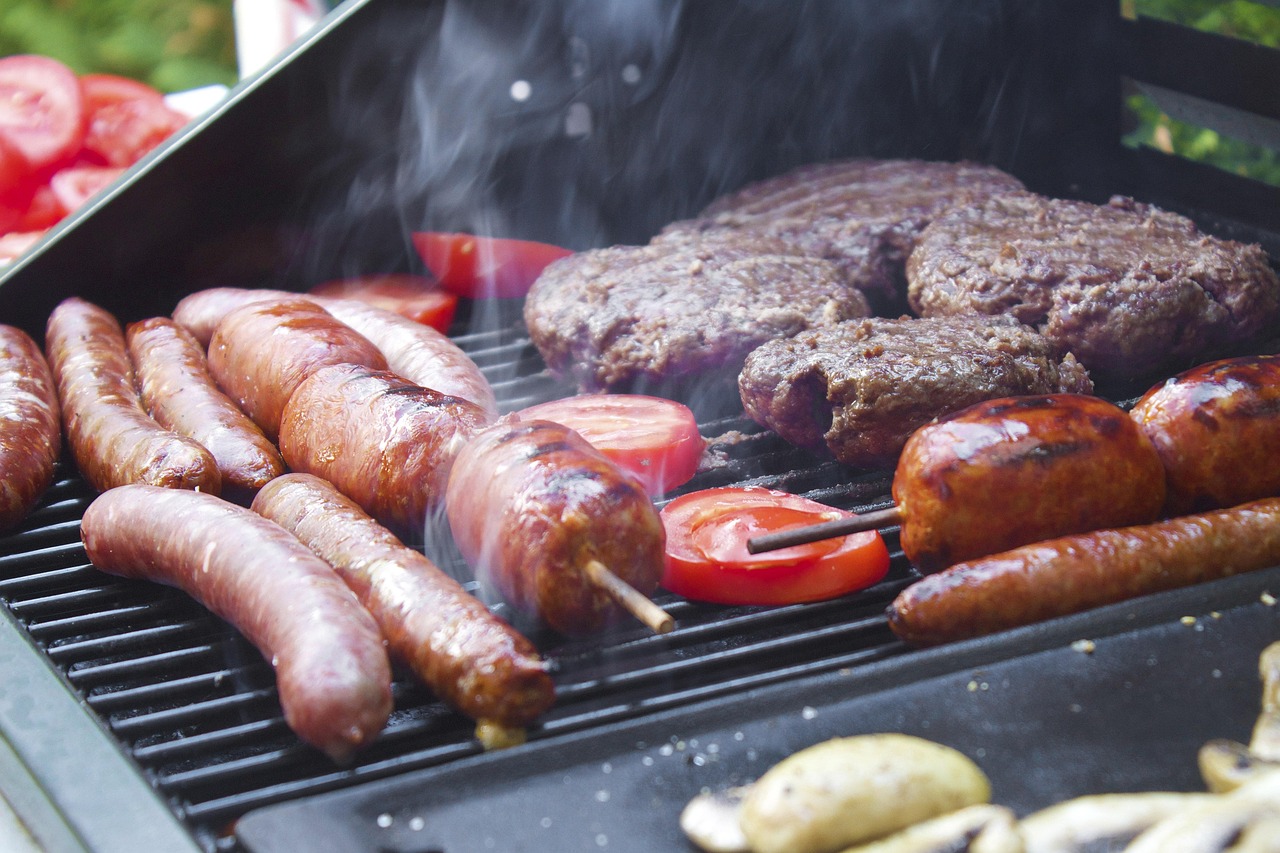
Sausage should deliver snap, juiciness, and smoke all at once. Diners frequently steam or griddle sausages to speed service, which softens the casing and releases fat too quickly. Without steady smoke exposure, flavor remains shallow. When sliced and served, juices run out rather than staying locked inside. Mustard or sauce is added, but neither restores texture. Proper smoked sausage needs time for fat to render slowly and casing to tighten. Rushed methods turn it rubbery or dry. The platter may look hearty, but each bite reveals missed technique. What you end up tasting is filler and seasoning rather than the rich, smoky meat that defines a well-made sausage.
11. House BBQ Sampler
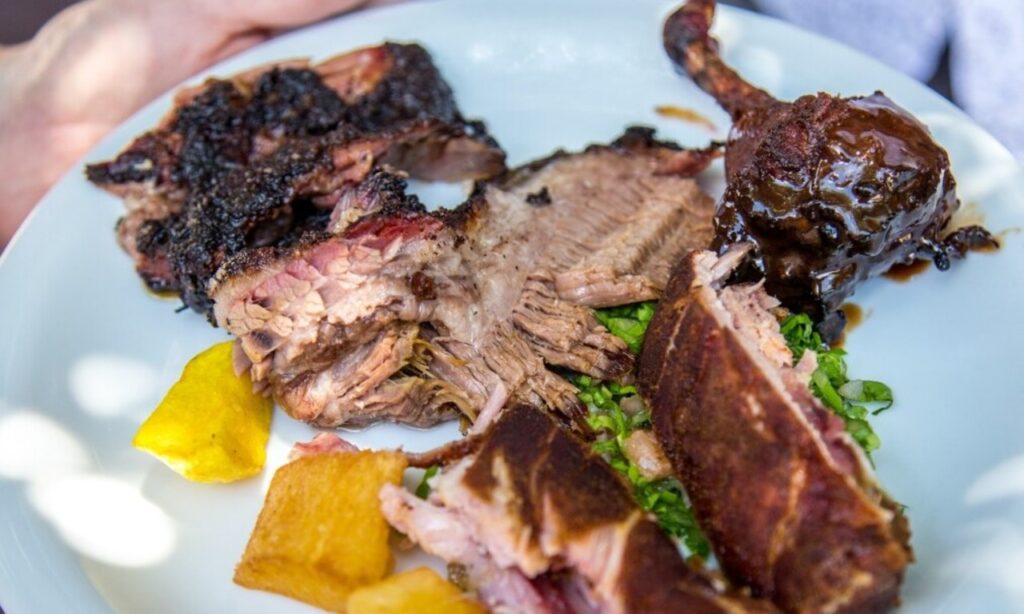
A sampler promises variety but often hides inconsistency. Preparing multiple meats well requires space, timing, and specialized equipment. Diners usually rely on batch cooking and reheating, which affects every protein differently. Chicken dries, brisket toughens, ribs soften, and sausage loses snap. Sauce becomes the unifying flavor because smoke and seasoning vary wildly. Instead of highlighting strengths, the sampler exposes weaknesses all at once. Each bite confirms that barbecue was treated as an add-on rather than a craft. What should be an introduction to great BBQ becomes a tour of compromises, making it the most reliable path to regret.