8 Foods That Became Popular Mainly Because They Fit in a Cup Holder

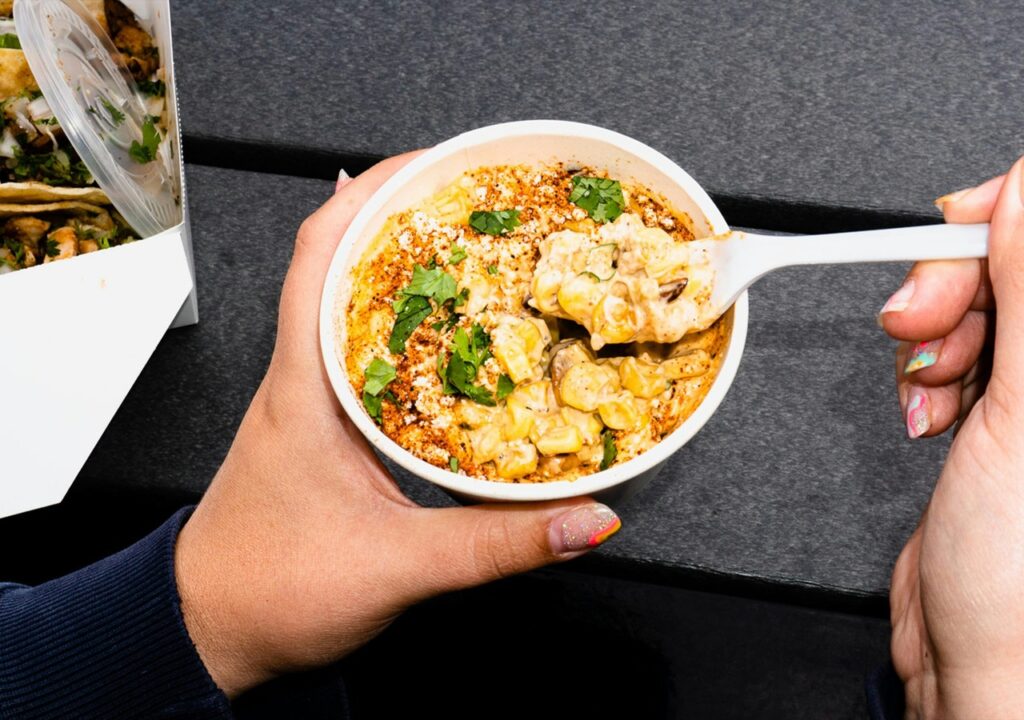
Modern eating habits changed once food began competing with commute time. Meals and snacks moved from tables to cars, trains, and sidewalks, and packaging evolved to match that shift. Containers that slip into cup holders made it easier to eat without stopping, turning portability into a selling point as powerful as flavor. From noodles in cups to snack packs and frozen drinks, many popular foods succeeded because they traveled well, not just because they tasted good. As a result, foods that could be eaten with one hand or with minimal cleanup gained a strong advantage in busy daily routines.
1. Chicken Fries
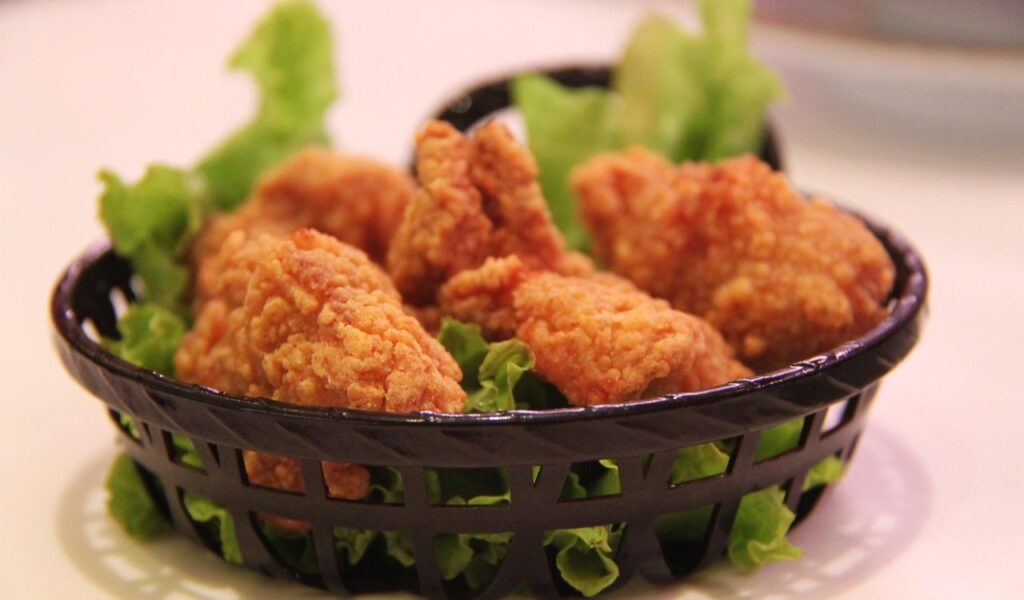
Fast food usually revolves around convenience, and Chicken Fries became popular because they solved a simple driving problem: how to eat fried chicken without juggling bones, sauces, and bulky boxes in a car.
Thin strips cool faster, making them easier to eat immediately, and seasoning covers more surface area, so flavor feels stronger even with smaller portions. Packaging matters too, since dipping sauces often sit in the same container, reducing spills and freeing one hand for driving or handling bags.
Marketing leaned into portability, presenting them as snackable rather than meal-focused. Their success shows how packaging and shape can influence popularity as much as taste, especially when food fits neatly into modern driving routines.
2. Cup Noodles
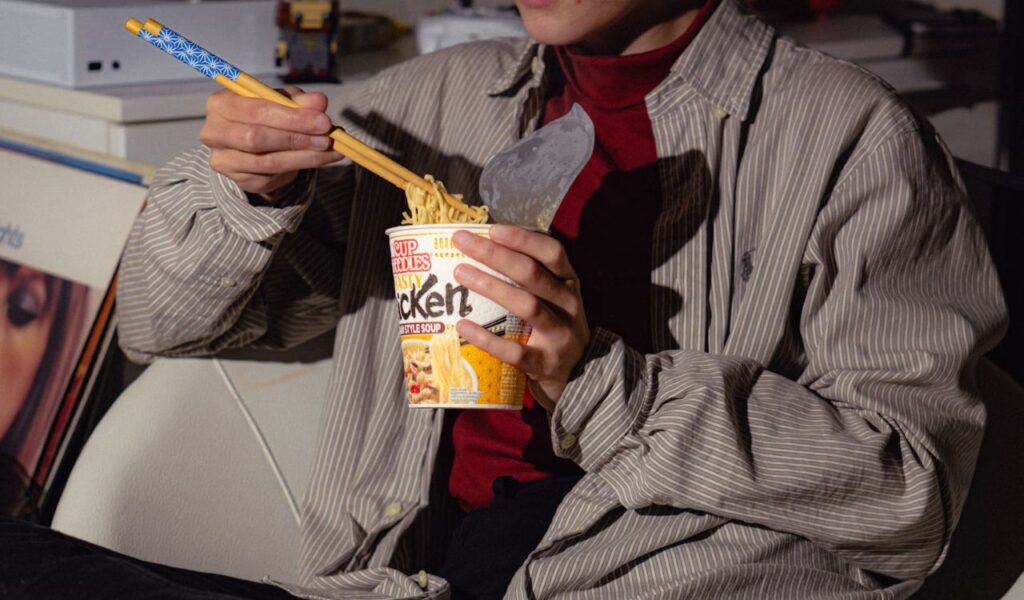
Instant noodles became a global comfort food, but the cup version expanded in popularity because it removed the need for bowls and extra cleanup. The container doubles as cookware and serving vessel, and its cylindrical shape happens to slide perfectly into car cup holders.
All that is required is hot water, and the cup holds heat long enough for noodles to soften while remaining safe to carry. Busy students, office workers, and travelers embraced the format because it allowed warm meals almost anywhere without utensils beyond a simple fork.
Long drives, truck stops, and convenience stores often stock cup noodles because they store easily and serve quickly. The result is a product whose design solved real mobility needs.
3. KFC Go Cups
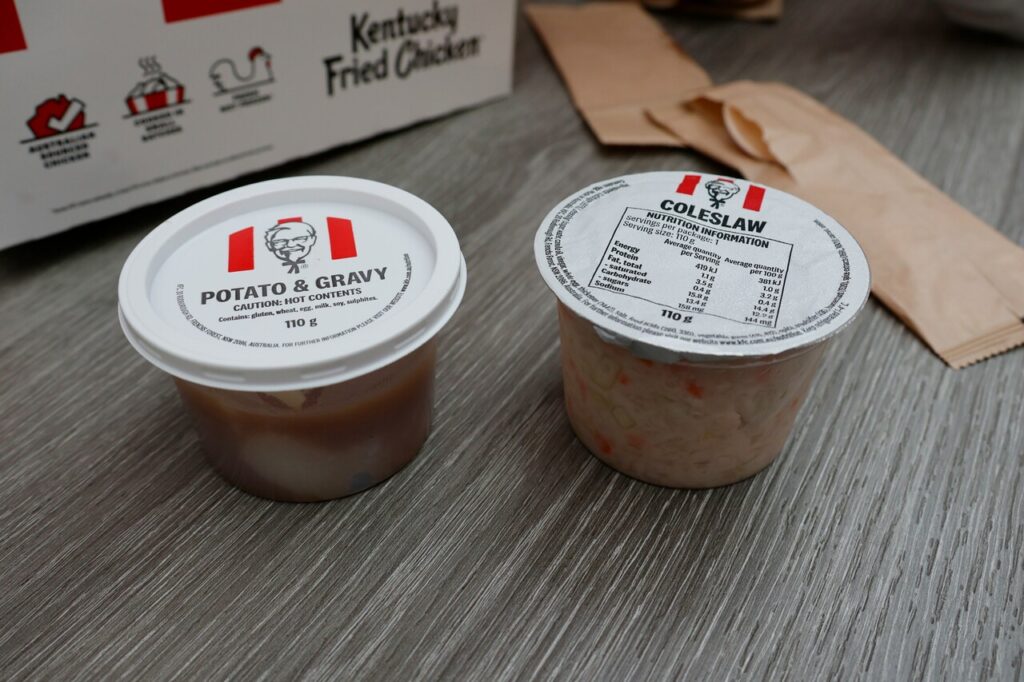
Fast food chains learned that portability increases impulse purchases, and KFC’s Go Cups reflect that strategy. Instead of a boxed meal, customers receive chicken pieces, sides, or snack portions packed in a tall cup meant to fit into vehicle holders, making eating possible while commuting.
Smaller servings mean food cools quickly, stays manageable, and avoids messy packaging. Fries or popcorn chicken stack neatly, allowing easy grabbing without opening large containers.
Customers no longer need to plan a stop to eat; they can grab something between errands or during short drives. The success of these meals demonstrates how container shape can reshape dining behavior, encouraging eating in transit rather than at tables.
4. Slurpees and Frozen Slush Drinks
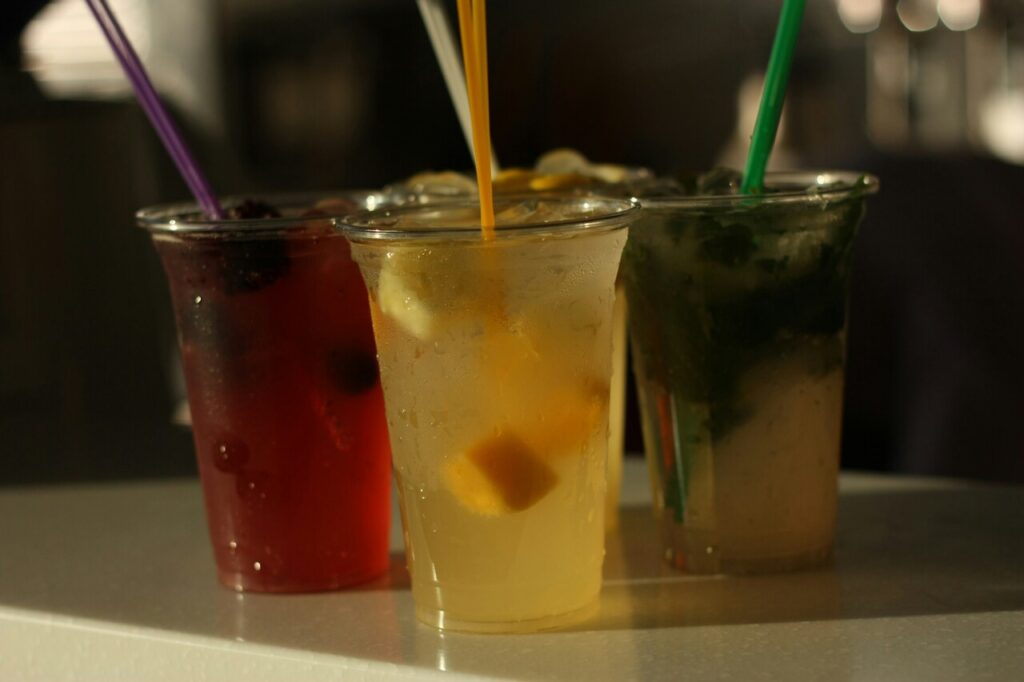
Frozen drinks thrive because they are easy to sip while driving, and tall plastic cups designed for cup holders make them road-trip staples. Slurpees and similar slush drinks offer sweetness and cold refreshment without requiring chewing, which makes them ideal for long drives.
Temperature and texture add appeal. The semi-frozen consistency melts slowly, providing a longer drinking window compared to soda. The sealed lid and straw also prevent spills, making the drink manageable in moving vehicles or crowded public spaces.
Convenience stores amplified their popularity by placing machines in travel-heavy locations, encouraging impulse stops. Drivers grabbing fuel often add a frozen drink, reinforcing its link to mobility.
5. Cup-Bap
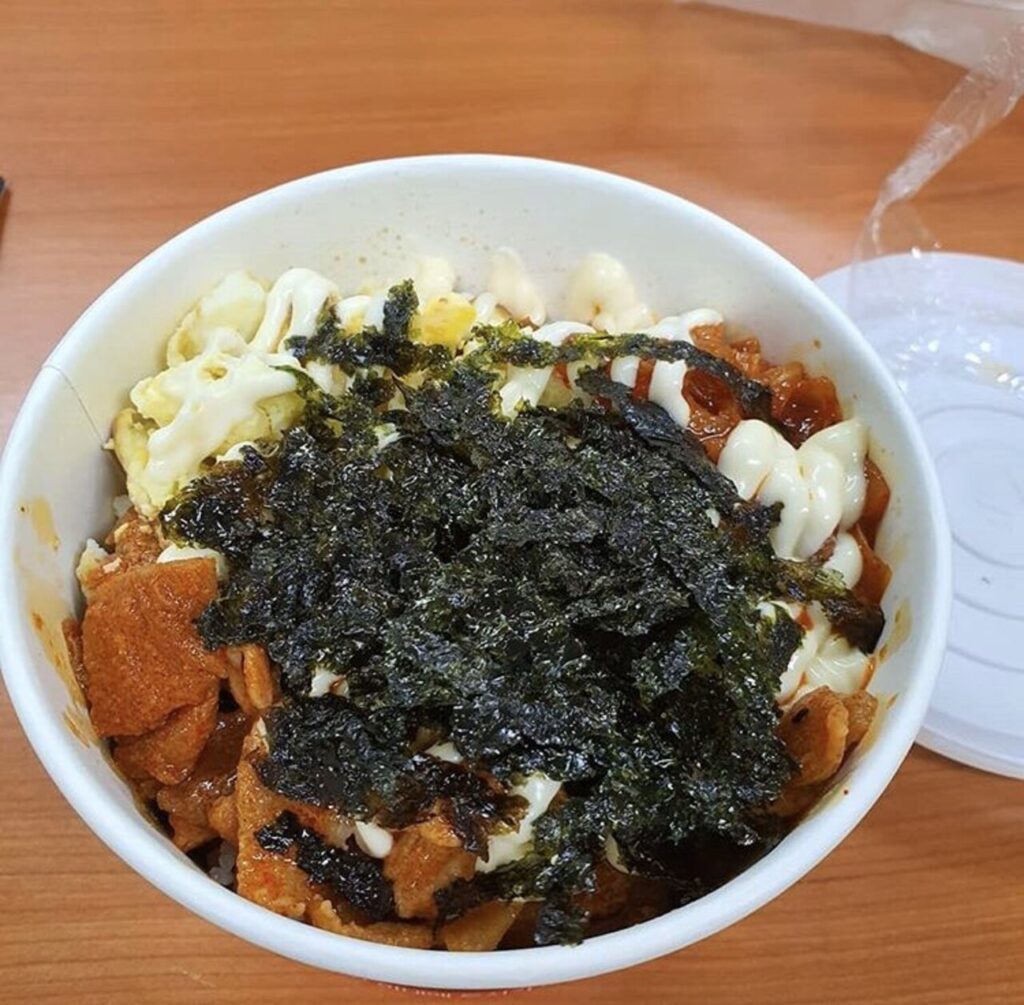
Street food evolves around movement, and Korean cup-bap shows how traditional meals adapt for portability. Instead of serving rice dishes on plates, vendors layer rice, vegetables, and meats into cups that customers can carry easily while walking or commuting.
The structure makes eating efficient. Ingredients stack vertically, and sauces soak downward, blending flavors without requiring a table. A single utensil handles the meal, and the cup keeps food warm while allowing quick bites between stops or while standing.
Cup-bap’s success demonstrates how reformatting existing cuisine into portable containers can expand reach, especially in cities where people eat while moving rather than sitting down.
6. Coffee and Specialty Iced Drinks

Modern coffee culture grew alongside commuting, and takeaway cups designed to fit cup holders helped transform coffee into a daily mobile ritual. Insulated cups with lids and sleeves allow hot or iced drinks to travel safely without spilling.
Convenience drives frequency. People can grab coffee on the way to work and sip during the commute rather than sitting in cafés. Specialty drinks, from lattes to cold brews, maintain popularity partly because portable packaging makes them accessible anytime.
This feedback loop between cars and coffee consumption shows how packaging compatibility helped fuel café expansion and normalized drinking specialty beverages outside traditional café spaces.
7. Snack Packs and Dip Cups
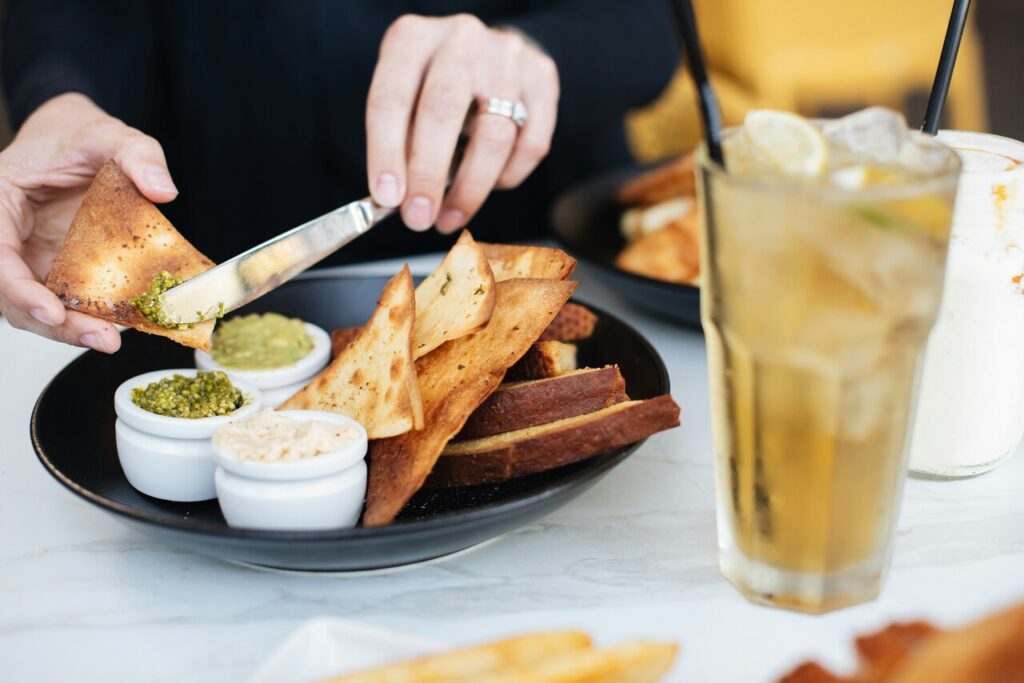
Packaged snack cups rose in popularity because they combine portability with portion control. Crackers, fruit slices, or pretzels often pair with cheese or dip in containers shaped to sit upright in car holders, making snacking possible during travel or errands.
Keeping dip and snacks separate preserves texture until eaten, and the compact size reduces spills. These snacks target families and commuters who need quick food options without stopping for full meals.
Their success reflects broader lifestyle shifts. As schedules grow busier, packaged snacks replace sit-down eating more often, especially for children and commuters. Containers that sit securely in vehicles or fit easily in bags make these products attractive for everyday mobility.
8. Pizza Bites and Mini Pizza Cups
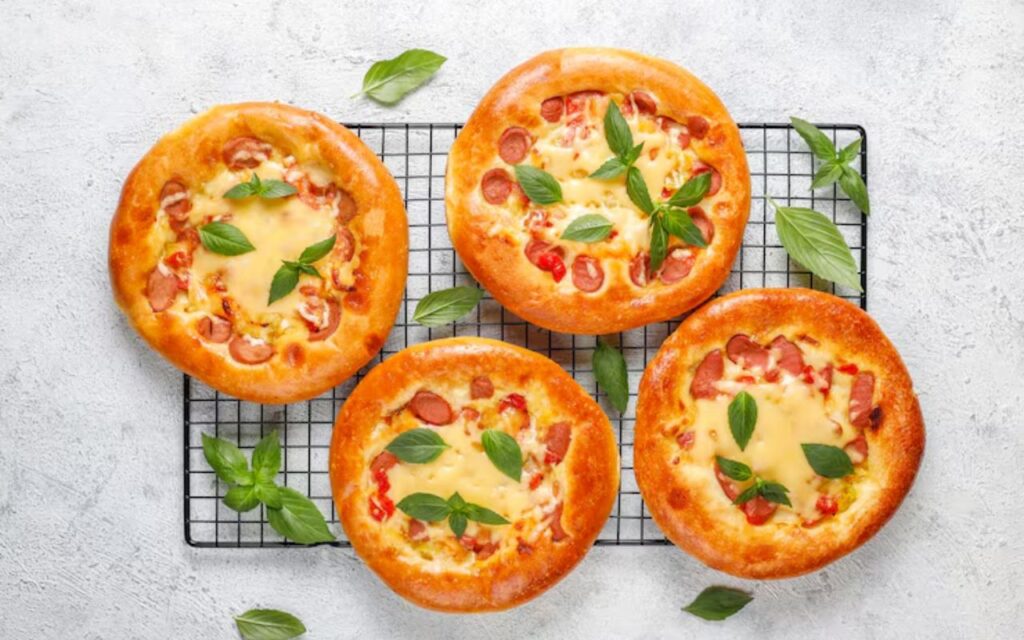
Pizza traditionally requires plates and multiple hands, yet bite-sized versions changed that by turning a messy favorite into something portable. Mini pizza snacks packaged in cups or small containers fit easily into cup holders, making them practical for quick eating on the go.
The format reduces inconvenience. Smaller pieces cool faster and prevent cheese stretch from creating messes, while thick crusts or cup-shaped dough hold toppings securely.
Fast food chains and convenience stores embraced these formats to meet demand for portable indulgence. The popularity of mini pizza snacks shows how reengineering familiar foods into smaller, container-friendly forms can boost appeal among consumers who prioritize mobility and ease over tradition.