7 Soups That Need Careful Cooking to Taste Their Best

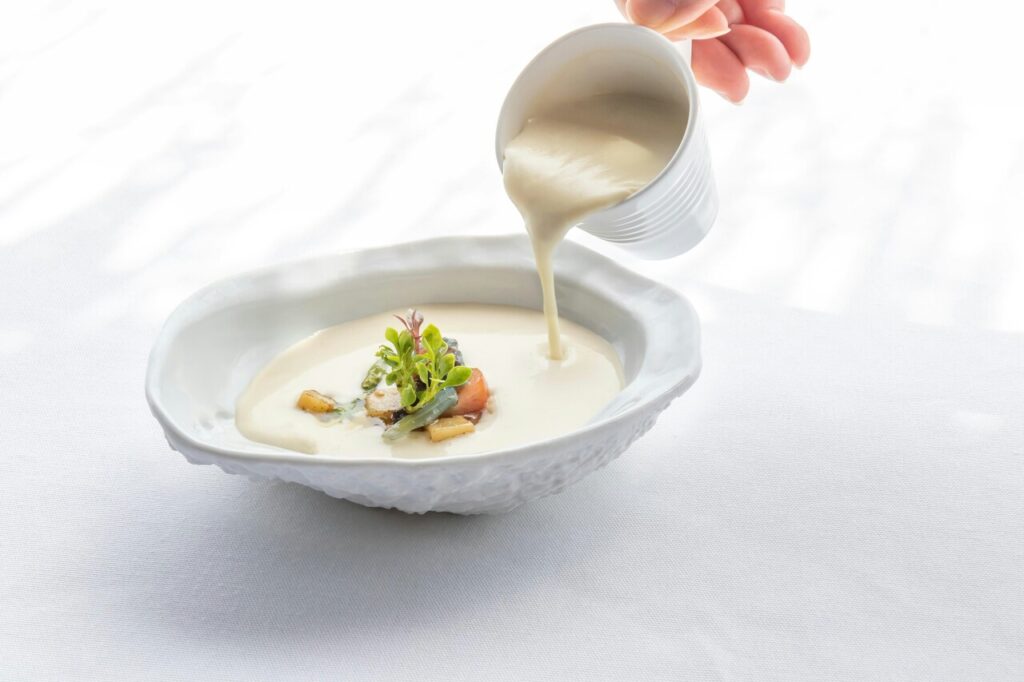
Soup can look easy, but the best bowls depend on careful cooking. Some soups need slow browning for depth, while others demand gentle heat so dairy stays smooth and seafood stays tender. Texture can change with one extra minute of blending, and seasoning often needs to be layered so the final broth tastes balanced, not flat or salty. These seven soups reward patience and precision. When you manage heat, timing, and technique, simple ingredients turn into rich, comforting meals that taste intentional from the first spoonful to the last.
1. French Onion Soup
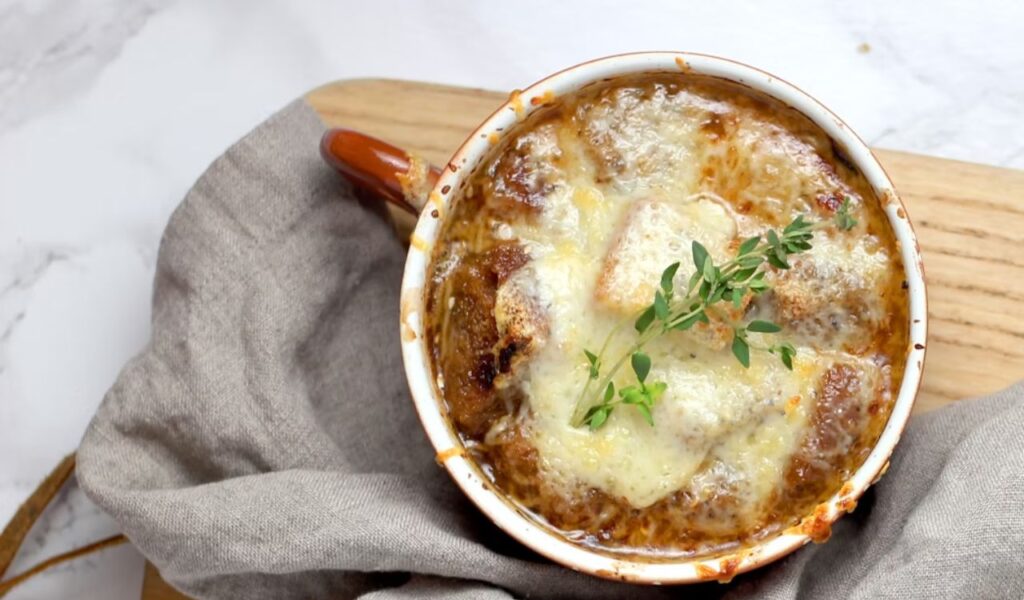
French onion soup tastes simple, but it is unforgiving because the main flavor comes from one ingredient done correctly. Onions need time to caramelize slowly so their natural sugars brown evenly and develop deep sweetness. Stirring matters because onions release moisture, then gradually dry out and brown, and that process is uneven without attention. Once the onions are properly caramelized, deglazing the pot lifts the browned bits that carry roasted flavor. Broth choice also matters because onion sweetness needs a savory backbone, not a bland base. Finally, the soup is finished with bread and cheese, which means timing is important.
2. Potato Leek Soup
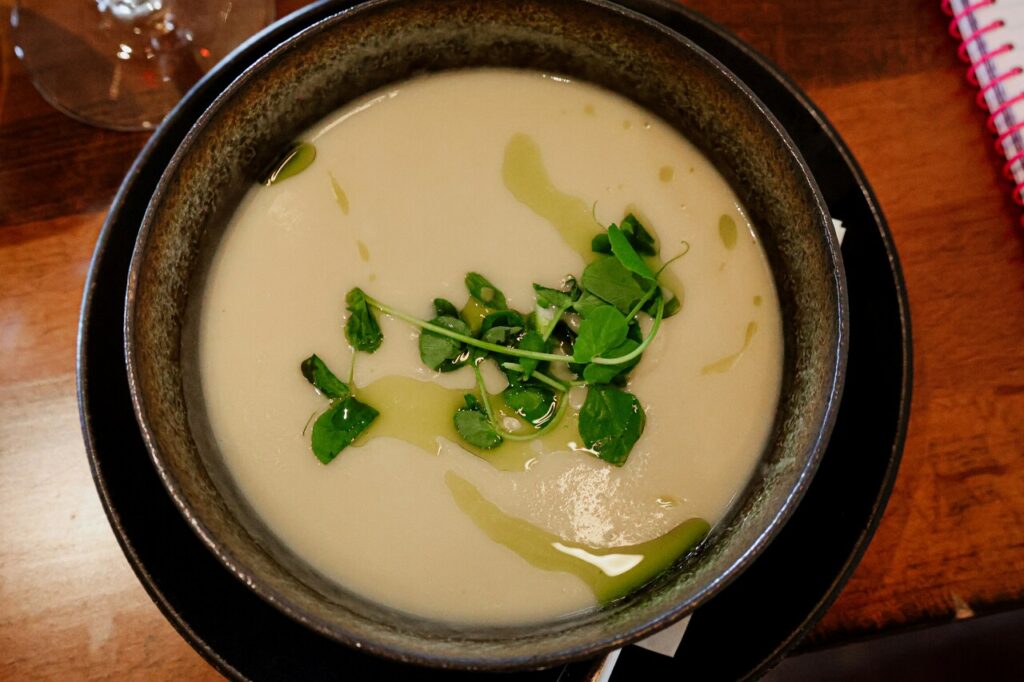
Potato leek soup can taste elegant and clean, but only if the leeks are handled with care. Leeks trap grit between their layers, so thorough washing is essential, or the soup will taste sandy no matter how good the seasoning is. Cooking leeks gently is also important. They should soften and sweeten without browning heavily, since harsh browning can make the flavor muddy. Potatoes provide body through starch, but that also means texture is sensitive. Overblending can turn potato soup gluey because excessive blending breaks starch granules and thickens the soup in an unpleasant way. A controlled blend creates a creamy texture without heaviness.
3. Broccoli Cheddar Soup
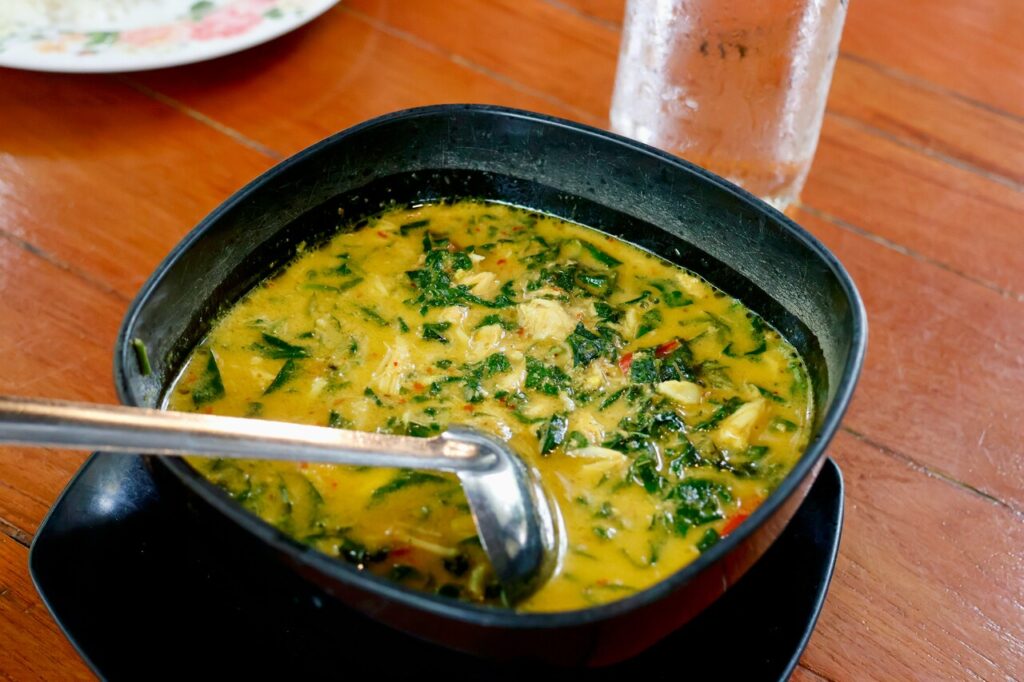
Broccoli cheddar soup is a comfort classic, yet it is one of the easiest soups to ruin with temperature mistakes. Dairy-based soups need gentle heat because high heat can cause milk or cream to split, creating a grainy texture. Cheese adds another challenge. Many cheeses contain proteins that clump when overheated, especially if added too quickly or boiled. The safest approach is to lower the heat before stirring in cheese gradually, letting it melt smoothly. If you add too much flour or starch, the soup becomes pasty. When handled carefully, the soup tastes rich and savory with bright broccoli notes and a smooth, creamy finish.
4. Butternut Squash Soup

Butternut squash soup can taste flat if you skip the steps that build sweetness and depth. Squash is naturally sweet, but that sweetness develops best through roasting or thorough sautéing, which encourages browning and concentrates flavor. If the squash is simply simmered in liquid from the start, it can taste watery and one-dimensional. Texture is also crucial. A great squash soup should feel silky rather than pulpy, which means blending must be thorough and the liquid ratio must be controlled. Too much broth makes it thin. Too little makes it heavy and overly sweet. Seasoning is where many people miss the mark.
5. Creamy Mushroom Soup
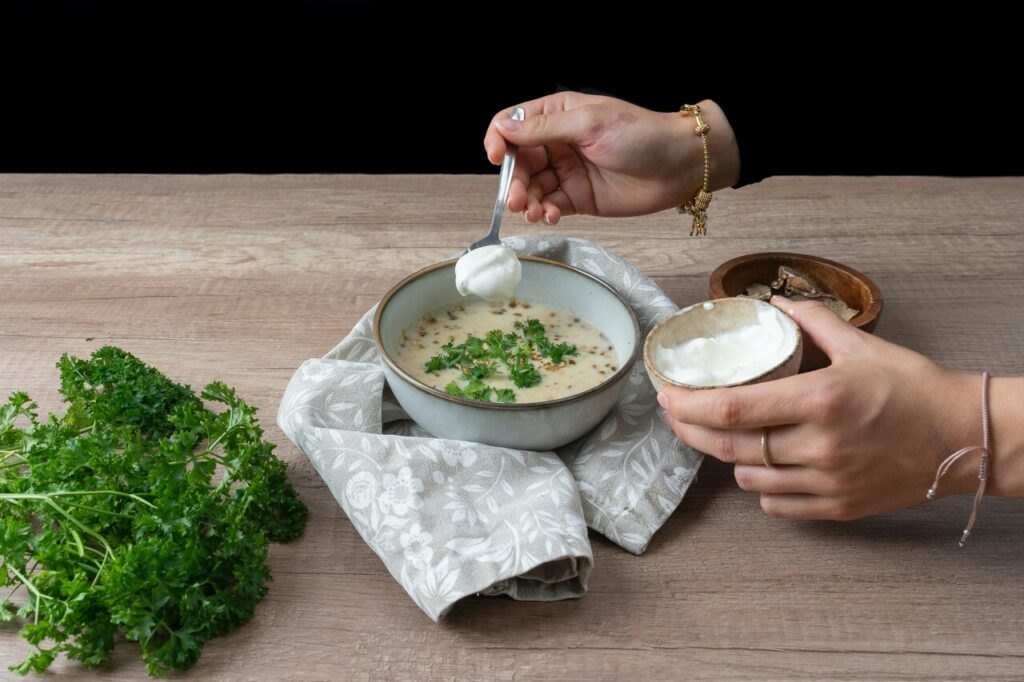
Mushroom soup depends on browning for depth, and that requires patience. Mushrooms are mostly water, so they first release moisture and steam. If the pan is crowded or the heat is too low, they will boil and turn pale, producing a weak flavor. Proper cooking lets the water evaporate so the mushrooms can brown and develop savory compounds that give the soup its signature richness. The liquid base matters too. If you add broth too early, you stop browning and lose the chance to build complexity. Cream timing also affects flavor. The best approach is to build a concentrated mushroom base first, then add liquid, and finish with dairy if desired.
6. Chicken Noodle Soup
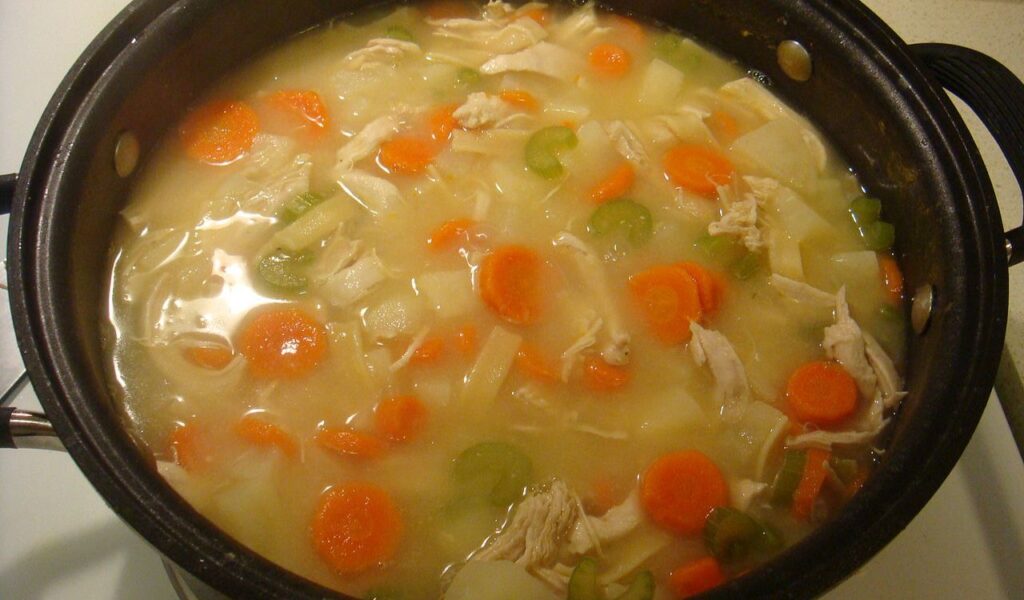
Chicken noodle soup seems straightforward, but it tastes best only when the building blocks are handled carefully. Stock quality is the foundation because the broth carries most of the flavor. A weak broth produces a weak soup, no matter how much salt you add. Aromatics like onion, carrot, and celery need enough time to soften and release flavor before the broth is fully seasoned. Another common mistake is overcooking noodles in the soup. Noodles keep absorbing liquid as they sit, turning mushy and stealing broth from the pot. Many cooks avoid this by cooking noodles separately or adding them at the end.
7. Clam Chowder
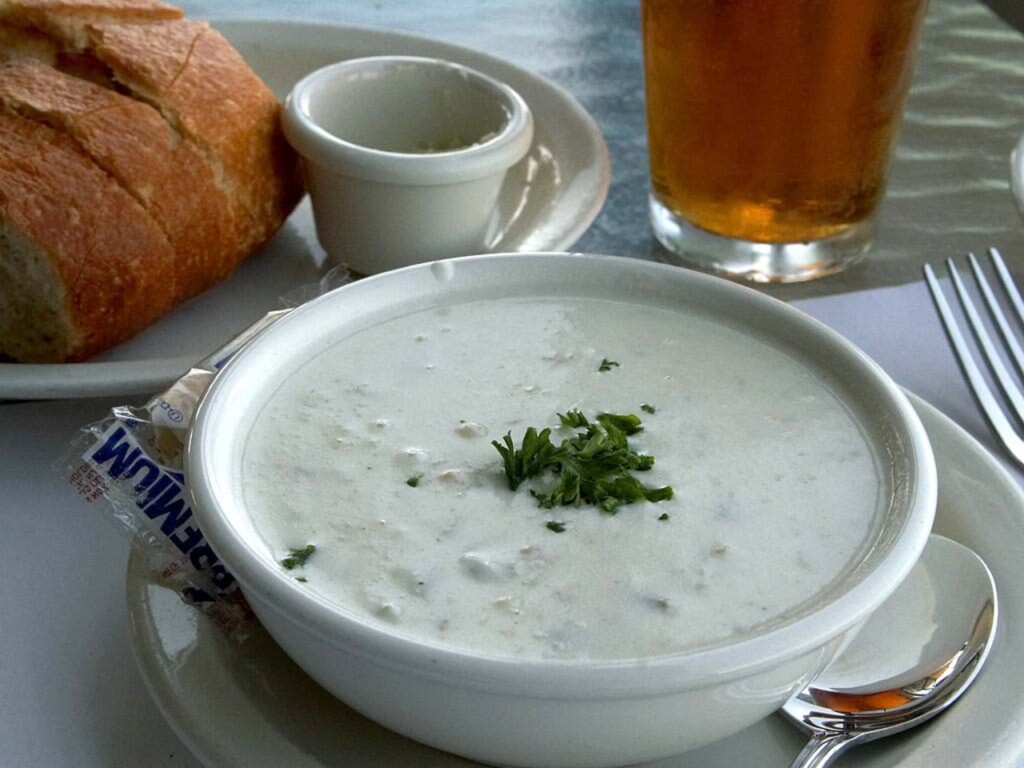
Clam chowder is a soup where timing is everything, especially for the clams. Clams cook quickly, and if they are simmered too long, they become rubbery and lose their delicate sweetness. The broth can also get overly salty because clam juice and seafood ingredients bring natural salinity. That means seasoning needs restraint until the end, when you can adjust accurately. Thickening is another point of failure. Chowder should be creamy and spoon-coating, but too much flour makes it heavy and pasty. Potatoes help with body, but they must be cooked until tender without falling apart. Dairy should be added gently and not boiled, or the texture can break.