Why Fast Food Deals Feel Less Affordable Than They Did a Decade Ago

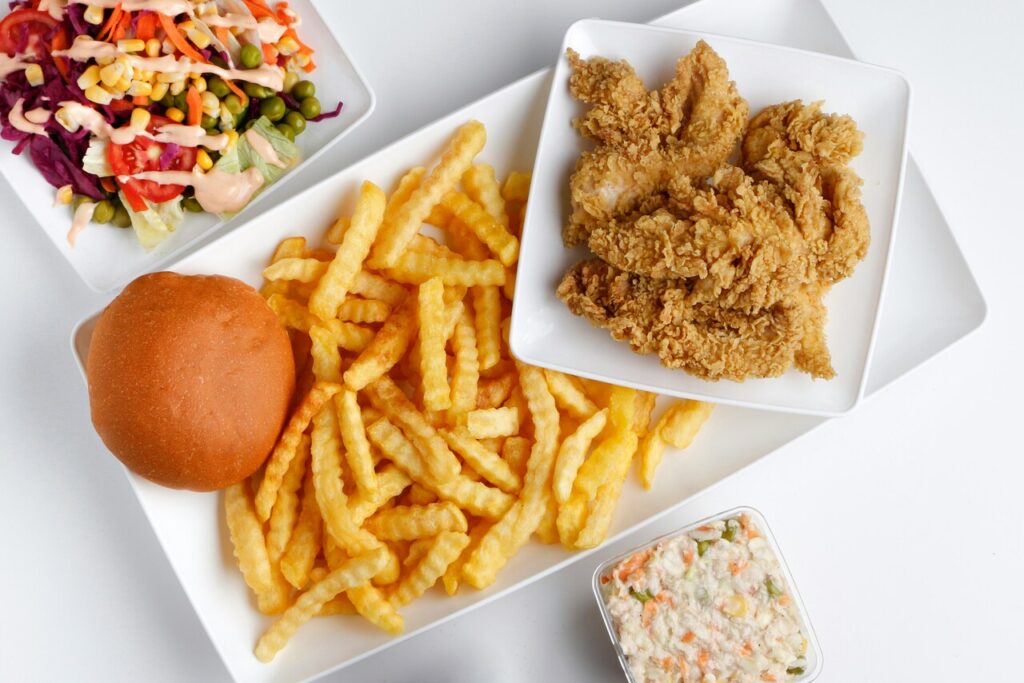
Fast food built its global success on a promise that seemed simple and reliable. Customers could expect quick service, familiar meals, and prices that felt comfortably low. For years, the dollar menu symbolized that promise, encouraging millions of diners to rely on fast food as an everyday solution. Over the past decade, that expectation has slowly begun to change. Menu prices have climbed, value deals have shifted, and portion sizes have quietly evolved. Together, these changes have led many diners to wonder why the same quick meal now feels far less affordable than it once did.
The Golden Age of Cheap Fast Food
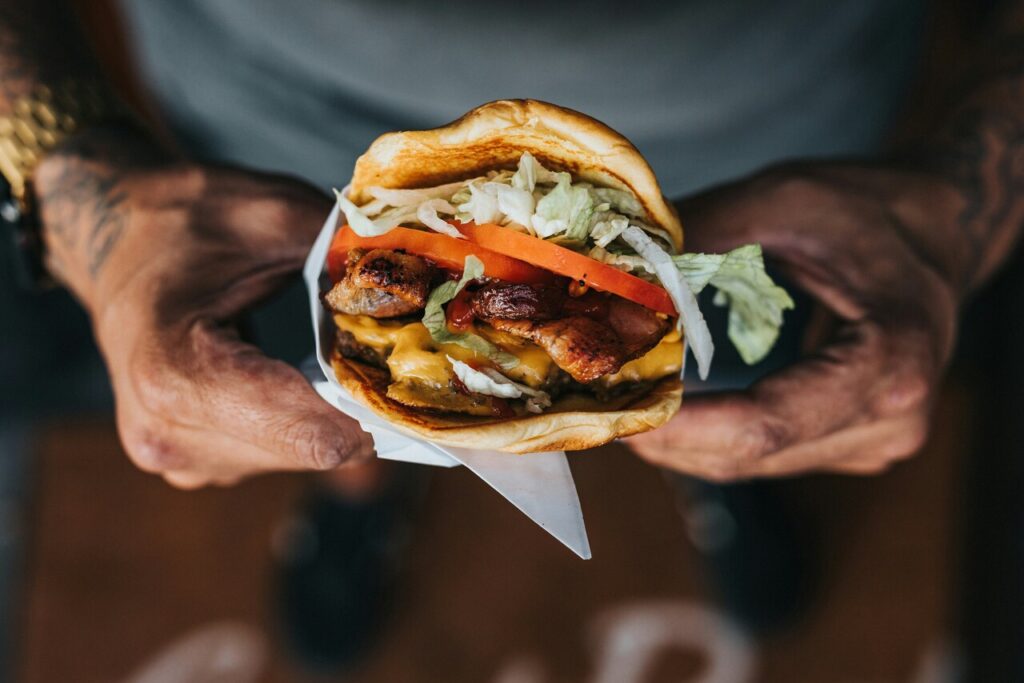
For many diners, fast food once represented the most reliable bargain in everyday eating. Chains built their popularity on a simple promise that anyone could walk in with a few coins and leave with a satisfying meal. During the late 1990s and early 2000s, menus filled with one-dollar items shaped how customers viewed quick-service restaurants. Value menus encouraged people to mix and match affordable foods without thinking much about the total bill. This approach helped major brands turn convenience and affordability into their strongest selling points. The low price structure also helped students, workers, and families rely on fast food as an easy solution.
Marketing campaigns reinforced that sense of easy affordability. Restaurants promoted bundled meals, discounted sandwiches, and rotating specials designed to pull in large crowds. The goal was not just to profit from each item but to have steady traffic throughout the day. Cheap offerings encouraged repeat visits and created the habit of treating fast food as the easiest option when hunger appeared. Companies also used bright menu boards and simple price points to make ordering feel quick and effortless. Over time, this strategy created a powerful expectation among customers that fast food would always be the most budget-friendly option.
The Quiet Rise of Menu Prices
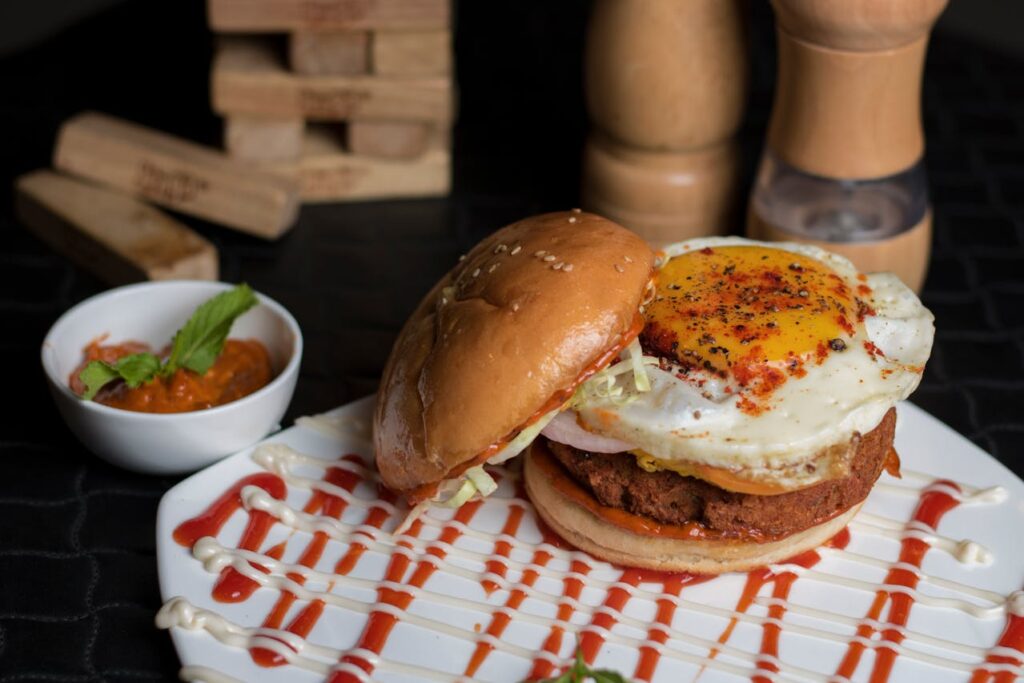
The shift away from cheap fast food happened slowly enough that many customers did not notice it at first. Prices increased in small steps spread across several years. A burger might rise slightly in price, a drink might cost a bit more, and combo meals gradually climbed higher. Each adjustment felt minor on its own, yet together they changed the final cost of a typical order. Because these changes were gradual, many diners continued to order the same items without realizing how much the total price had increased. When customers compare today’s receipt with what they remember paying years ago.
This gradual change created a disconnect between memory and reality. People still associate fast food with the era of dollar menus and deeply discounted snacks. When a simple meal now costs far more than expected, the experience feels disappointing rather than normal. That reaction is partly psychological because customers continue to compare current prices with past bargains. The memory of cheap value menus remains powerful even after those deals have disappeared. As those memories remain strong, even modest increases can make fast food feel less affordable. This emotional comparison often matters just as much as the actual price itself.
Rising Costs Inside Fast Food Kitchens
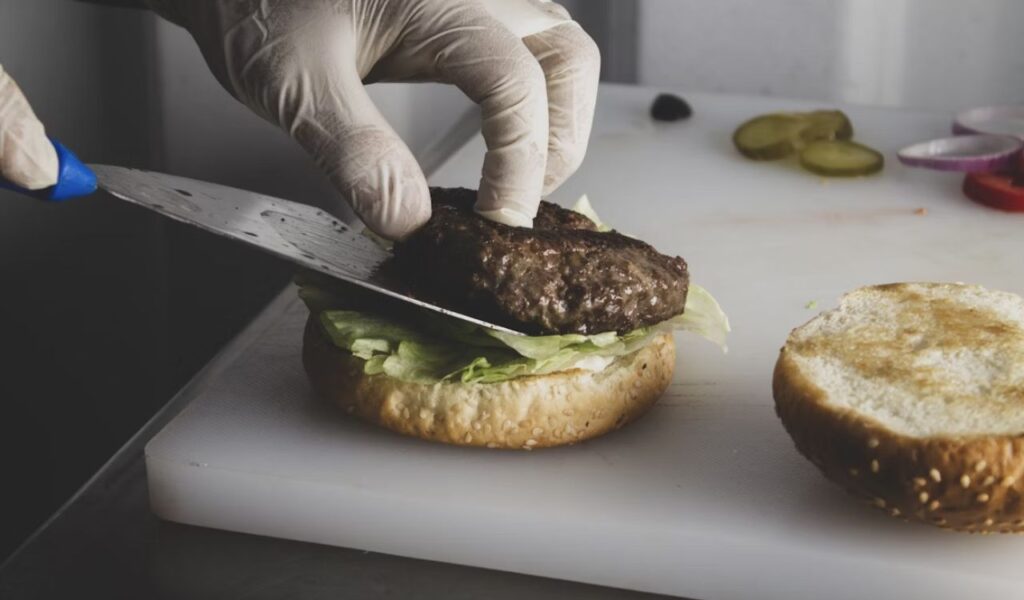
Many of the price increases customers see today reflect major changes in the economics of running a restaurant. Labor expenses have climbed steadily as wages have risen in many regions and businesses have struggled to hire enough staff. Quick-service restaurants rely on large teams working long hours, so even small wage adjustments can significantly affect operating budgets. Managers must also account for employee training, scheduling, and benefits. When labor costs rise across thousands of locations, the financial impact becomes substantial. These rising expenses force companies to rethink how cheaply they can sell menu items while still keeping stores profitable.
Food ingredients have also become more expensive over time. Items such as beef, cooking oil, dairy products, and wheat fluctuate in price depending on global supply conditions. Restaurants purchase these ingredients in large quantities, so even a small price increase can affect the entire menu. When costs remain high for extended periods, companies cannot absorb the expense indefinitely. Transportation costs, energy bills, and equipment maintenance also add to the financial burden. Together, these factors make running a fast food kitchen significantly more expensive than it was a decade ago.
The Disappearance of True Dollar Menus
The famous dollar menu once served as the backbone of fast food affordability. It gave customers a clear idea of how much they would spend before even entering the restaurant. Over time, however, maintaining items at exactly one dollar became difficult as ingredient costs and wages climbed. Many chains began replacing strict dollar menus with broader value menus that included items priced above that original benchmark. Instead of a single price point, restaurants introduced several tiers to make prices appear more affordable. This shift allowed companies to maintain promotions without committing to prices that were no longer sustainable.
These updated menus still promote affordability, but the pricing structure has changed noticeably. Customers might see options priced at two or three dollars instead of the traditional one-dollar standard. While the meals remain relatively inexpensive compared with many restaurants, the disappearance of true dollar items has altered the sense of value that once defined the fast-food experience. Customers who remember earlier deals often notice the difference immediately. That change contributes to the feeling that fast food has quietly moved away from its original promise of extremely cheap meals.
Why Modern Value Meals Feel Smaller
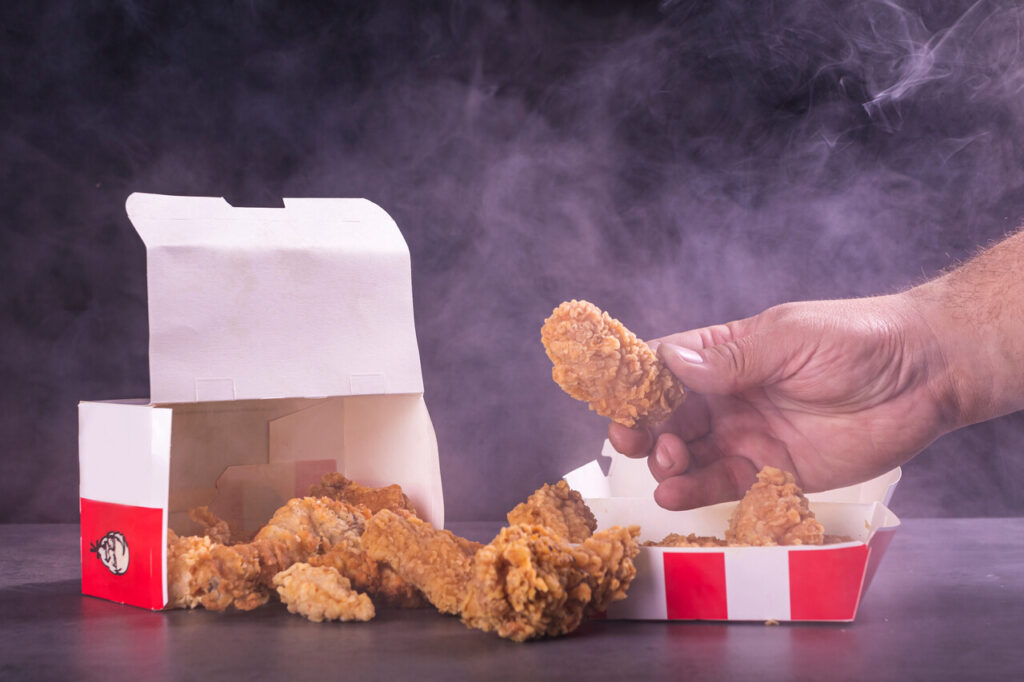
Another factor shaping customer perception involves portion sizes and bundle design. Modern value meals often contain fewer items or slightly smaller portions than similar deals from years ago. Restaurants adjust these combinations to keep prices within a range that still appears attractive to budget-conscious diners. Instead of raising prices dramatically, chains sometimes change the structure of the deal itself. These adjustments allow companies to manage rising costs without presenting a large price jump on the menu. Customers who ordered the same meal for years often notice these differences quickly.
This strategy helps businesses control expenses while continuing to advertise affordable meals. However, customers quickly notice when a combo includes fewer ingredients or reduced quantities. Even subtle differences can influence how satisfying the meal feels after it is finished. Some diners compare current meals to older versions and feel the portions have shrunk. As a result, many people believe they receive less food for nearly the same cost. That perception reinforces the impression that fast food no longer stretches its money as far as it once did. Customers often judge value based on both price and portion size.
When Fast Food Costs Rival Casual Dining
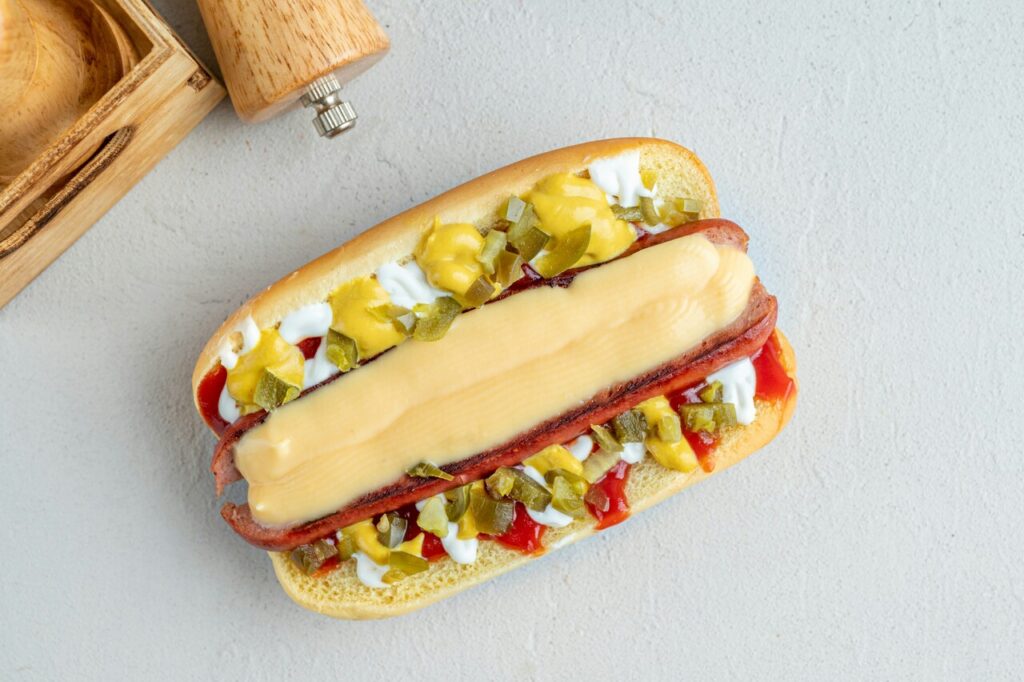
Another noticeable shift appears when customers compare fast-food prices with those at casual restaurants. In the past, the gap between these options was enormous. Fast food offered speed and affordability, while casual dining focused on comfort and service at a higher price. Over time, that difference narrowed as quick-service meals gradually became more expensive. Some combo meals now cost more than a basic entrée at a casual restaurant. When diners recognize this overlap, they begin questioning whether fast food still offers the best value. Many customers now pause before ordering and consider nearby alternatives.
This comparison has slowly changed how some customers choose where to eat. If the price difference between fast food and casual dining becomes small, people sometimes prefer the restaurant that offers a calmer environment or larger portions. A slightly higher bill may feel worthwhile when the experience feels more relaxed. This shift does not affect every customer, but it does influence how people judge the value of fast food. Some diners feel that spending a little more can deliver noticeably better food quality. These shifting preferences gradually reshape how fast-food chains compete for attention.
The Growing Role of Digital Deals
Fast food chains increasingly rely on mobile apps and digital platforms to promote discounts that once appeared directly on menus. Instead of lowering prices across the board, many companies now distribute deals through app notifications, loyalty programs, and limited online promotions. This strategy allows brands to attract price-sensitive customers without permanently reducing menu prices. Diners who use these platforms often find exclusive offers not available to walk-in customers. As a result, the idea of a visible value menu has slowly been replaced by targeted digital discounts.
This shift changes how customers experience affordability. In the past, anyone walking into a restaurant could easily spot low-priced items on large menu boards. Today many of the best deals require downloading an app, creating an account, and browsing through rotating offers. While these discounts can still provide meaningful savings, they are less visible than traditional value menus. Some customers enjoy the convenience of digital coupons, but others feel that finding a good deal now requires more effort than before. That difference in access can influence how people perceive the true cost of fast food.
Restaurants benefit from this digital approach because it provides valuable information about customer behavior. Apps allow companies to track purchase patterns, preferred menu items, and visit frequency. This data helps chains design promotions that target specific groups of diners at the right moment. Instead of offering the same discount to everyone, companies can adjust deals based on location, time of day, or customer history. The result is a more controlled pricing strategy that protects profit margins while still presenting the appearance of frequent deals. Digital marketing has therefore become a central tool in modern fast food pricing strategies.
The Industry’s Search for Budget Customers
Fast food companies remain aware that affordability still matters to a large share of their customers. Many chains rely heavily on visits from price-sensitive diners who expect convenient meals at low cost. When rising prices reduce visits, businesses respond by offering limited-time discounts, digital coupons, and promotional bundles to bring customers back through the door. These deals often appear in mobile apps or seasonal marketing campaigns. Restaurants also highlight limited offers on menu boards to encourage quick purchases. Temporary discounts can attract customers who might otherwise skip a visit.
These strategies reflect a careful balancing act within the business. Restaurants must cover rising operating costs while remaining accessible to everyday consumers. Promotions, loyalty rewards, and targeted discounts allow these chains to maintain traffic without permanently lowering menu prices. Technology now plays a large role in this effort as companies track customer behavior through apps and online orders. By studying purchase patterns, restaurants attempt to design offers that encourage repeat visits. Data analysis helps them understand which deals attract the most attention.