How In-Store Bakery Sections Influence What Americans Buy

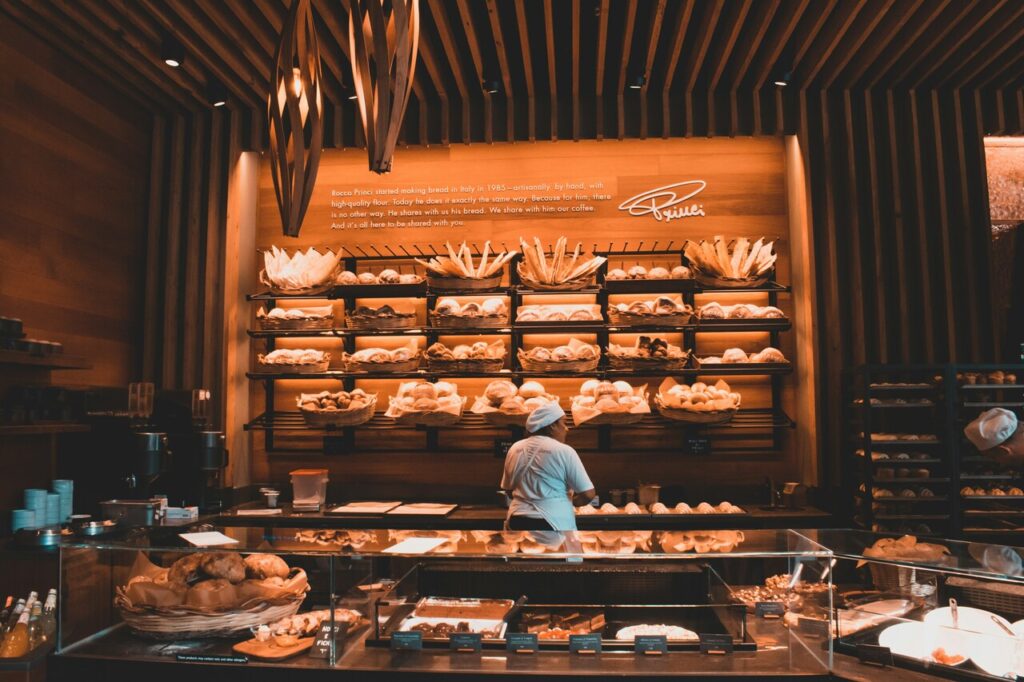
Walk into many supermarkets, and one of the first things you notice is the bakery. The scent of fresh bread, the sight of golden pastries, and the display of cakes instantly draw attention. These sections do more than provide desserts or breakfast treats. They shape how shoppers move through the store and influence what ends up in their carts. From impulse purchases to store loyalty, the in-store bakery plays a powerful role in modern grocery shopping. Its mix of freshness, convenience, and visual appeal quietly guides many buying decisions.
The Magnetic Power of Fresh Bread
Few sections of a supermarket capture attention as quickly as the bakery area. The smell of fresh bread often spreads through nearby aisles and instantly signals that something warm and freshly baked is available. Grocery retailers understand the power of this sensory cue and intentionally place bakery departments where the aroma can reach shoppers early in their visit. Even customers who arrive with a strict shopping list often slow down when they pass a display of warm bread or pastries. The scent alone can trigger curiosity and draw people closer to the counter. This sensory experience often begins before shoppers even see the products. As a result, the bakery area becomes one of the most noticeable spaces in the store.
Freshness plays a major role in shaping how people evaluate food quality. When shoppers see bread being placed on shelves directly from the oven, it creates a strong impression of authenticity and care. This visual signal helps customers trust that the product is made recently rather than shipped from a distant facility. As a result, many shoppers view in-store bakery items as more appealing than packaged baked goods on standard grocery shelves. Watching employees arrange trays of warm bread can reinforce the feeling of freshness. Clear bakery displays also help customers see texture and color up close. These details reinforce the impression that the food is made with care and skill.
The Bakery That Chooses the Store
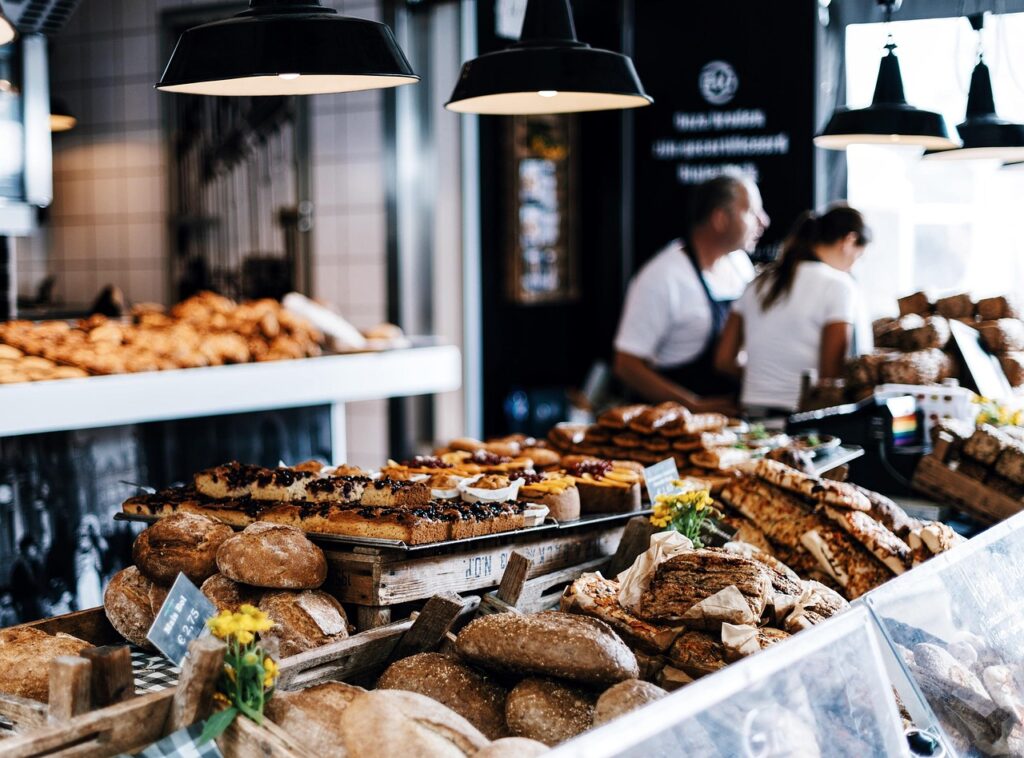
For many grocery shoppers, the bakery department strongly influences where they choose to shop. A well-stocked display of fresh bread, pastries, and cakes signals that the store invests effort in food preparation and quality. Customers often interpret a strong bakery section as evidence that the rest of the store maintains similar standards. This connection between bakery quality and store reputation shapes how shoppers compare supermarkets. When the bakery looks inviting, the entire store often feels more trustworthy. Over time these impressions guide where customers return each week. A reliable bakery section can therefore become a defining feature of a preferred grocery store.
Because baked goods are frequently purchased throughout the week, shoppers tend to return to the stores that offer reliable quality. Suppose customers associate a particular supermarket with good bread or desserts, that store often becomes their preferred grocery destination. This loyalty makes the bakery department an important competitive advantage for many retailers. Regular bakery purchases also create consistent shopping habits. Many people stop by the same store to pick up fresh bread or pastries. These repeated visits strengthen the relationship between the customer and the store. Over time, the bakery becomes a central reason shoppers remain loyal to that location.
The Rise of Artisanal Pastries
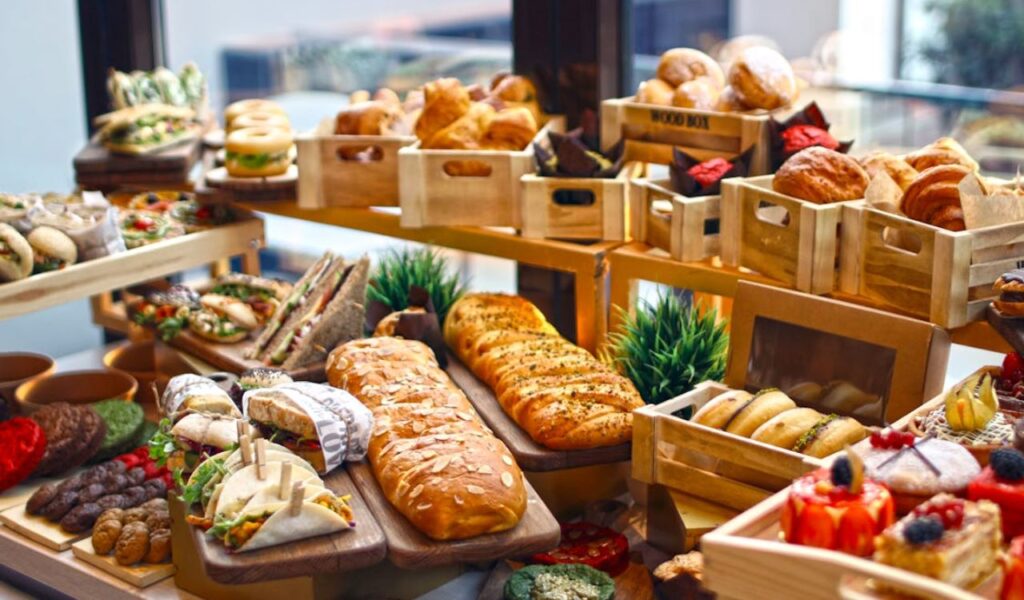
In recent years, supermarket bakeries have expanded their focus beyond basic bread and simple desserts. Many shoppers now seek pastries that feel handcrafted and traditional. Croissants, danishes, rustic loaves, and specialty desserts have become common features in grocery bakery displays. These items appeal to customers who want something that feels closer to a small neighborhood bakery. The layered texture of croissants and the appearance of rustic loaves add visual interest to displays. Shoppers often associate these products with higher craftsmanship. This perception encourages them to try bakery items they may not have purchased before.
The popularity of artisanal baked goods reflects a wider shift in food preferences. Consumers increasingly look for simple ingredient lists, traditional preparation methods, and products that appear less industrial. Supermarkets have responded by offering pastries that emphasize texture, flavor complexity, and visual appeal. These products allow shoppers to enjoy a bakery-style experience without leaving the grocery store. Many bakery departments now highlight specialty items in dedicated displays. Seasonal pastries also appear throughout the year to maintain variety. These strategies help stores keep the bakery section fresh and interesting.
The Psychology of Impulse Purchases
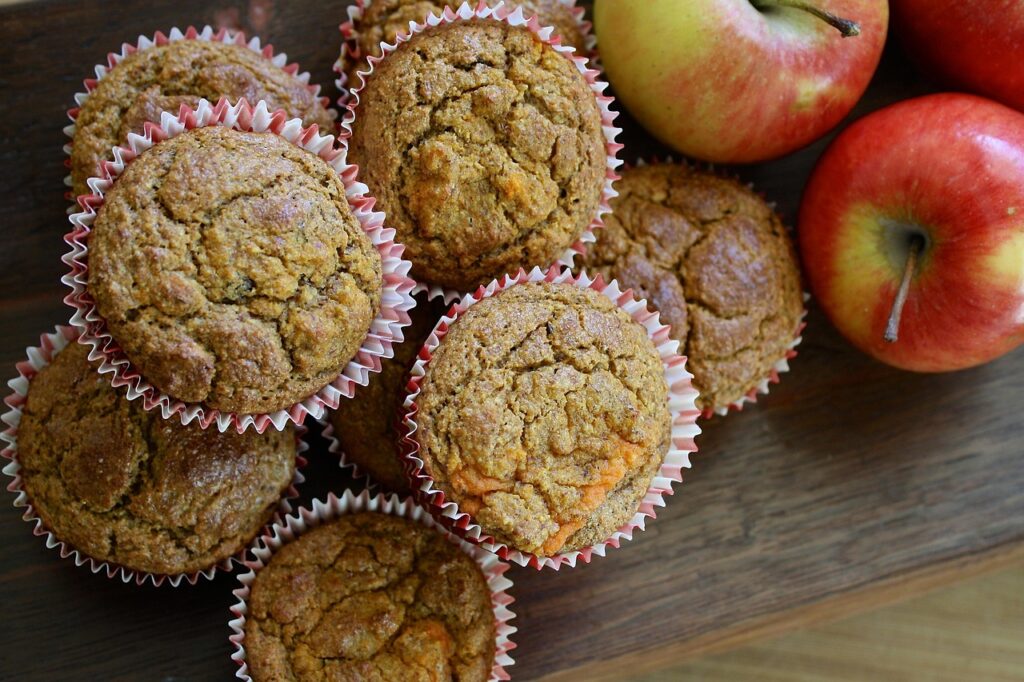
Bakery sections are particularly effective at encouraging spontaneous purchases. Many shoppers enter the store intending to buy only essential groceries, yet the sight of fresh pastries can quickly change those plans. Attractive displays filled with cookies, cakes, and warm bread create an immediate sense of temptation that packaged foods rarely achieve. The colors, textures, and arrangement of baked goods make them visually appealing. Customers often pause longer in front of bakery displays than other shelves. This extra attention increases the likelihood of adding an unplanned item to the basket. As a result, impulse buying is common in this part of the store.
Store layout plays an important role in this behavior. When bakery displays are positioned near entrances or along main walkways, shoppers encounter them early in the shopping trip. That early exposure increases the likelihood that customers will add a treat to their basket before they finish browsing the store. Once a small indulgence is added, shoppers often become more relaxed about adding other items as well. Retail planners carefully consider traffic flow when placing bakery counters. Strategic placement ensures the department remains visible throughout the store. This positioning helps maximize customer interaction with the display.
Fresh Treats as Everyday Indulgences
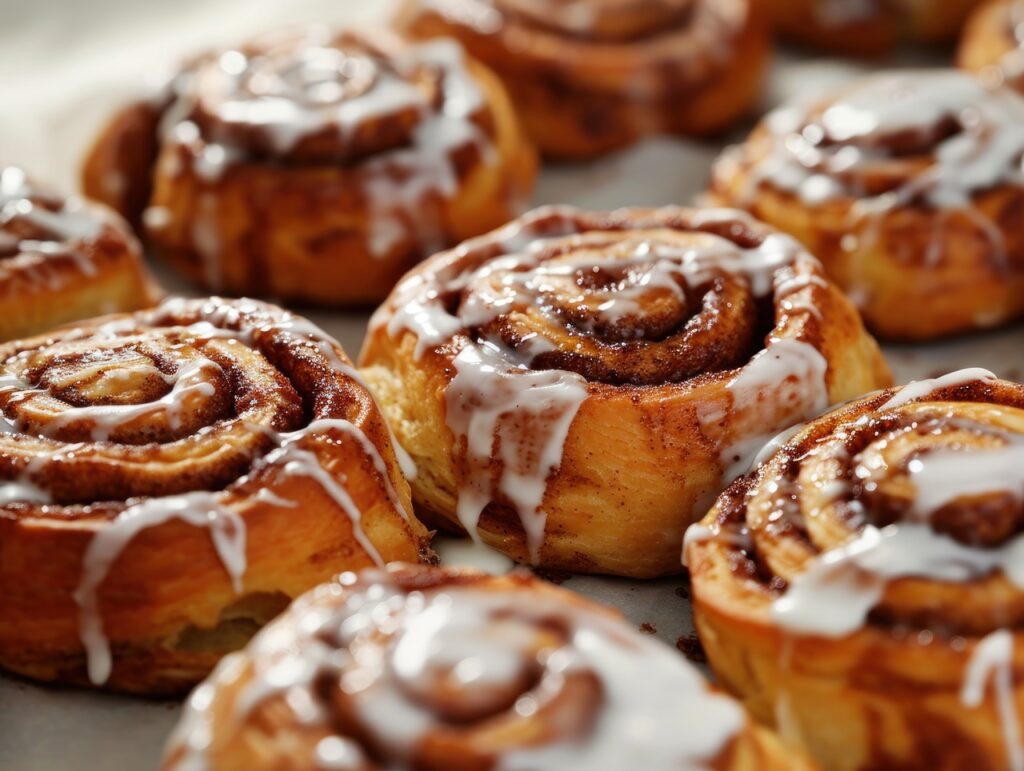
For many consumers, bakery items represent a small luxury that feels easy to justify. A pastry or slice of cake can turn an ordinary grocery trip into a slightly more enjoyable experience. Because these treats are relatively inexpensive compared with restaurant desserts, shoppers often view them as affordable rewards. A quick bakery purchase can also serve as a simple gesture for family members at home. Many people bring back a pastry or dessert to share after dinner. These habits reinforce the idea that bakery items fit comfortably into everyday life. Over time they become a familiar part of weekly shopping routines.
Convenience also plays a major role in the appeal of these products. Many bakery items are ready to eat immediately and require no preparation at home. This makes them especially attractive to busy shoppers looking for quick snacks or desserts after dinner. The ability to buy a fresh dessert while completing regular grocery shopping makes bakery departments particularly popular. Customers appreciate the time saved by purchasing ready-made treats. Fresh pastries can easily complement coffee or tea at home. This simple convenience strengthens the role of bakery departments in everyday grocery visits.
Health and Lifestyle Shaping Bakery Choices
Consumer interest in health and nutrition is gradually influencing bakery offerings. Many shoppers now look for options that include whole grains, reduced sugar, or simpler ingredient lists. As a result, supermarkets have expanded their selection of breads and baked goods that appeal to health-conscious buyers. Some bakeries now highlight ingredient transparency on product labels. Customers appreciate knowing what goes into their food. This transparency builds trust between shoppers and the store. These items help bakeries meet changing consumer expectations. Health awareness is gradually reshaping traditional bakery selections.
Variety has become another important factor in modern bakery departments. Customers increasingly expect options that reflect different dietary needs and preferences. Some stores now offer products made with alternative flours or specialty grains to appeal to changing tastes. These products help bakeries attract customers who follow specific diets. Expanding variety also encourages shoppers to explore new items. Seasonal additions can introduce new flavors throughout the year. This evolving selection helps keep the bakery department relevant. Specialty grains such as spelt or rye add new flavor profiles. Greater choice allows bakeries to appeal to a broader audience.
Innovation Inside the Grocery Bakery
Supermarket bakeries continue to experiment with new flavors and creative product ideas. Seasonal pastries, specialty desserts, and hybrid baked goods help keep the department visually interesting. These rotating offerings encourage shoppers to check the bakery section regularly to see what is new. Limited-time products can create excitement around bakery displays. Customers often return specifically to try new items before they disappear. Creative flavor combinations can spark curiosity among regular customers. New items often appear alongside familiar classics. This balance keeps the display both comforting and exciting.
Innovation also helps retailers compete with independent bakeries and specialty dessert shops. By introducing unique pastries or visually striking desserts, supermarkets can create excitement around their bakery departments. This constant refresh of products ensures that the bakery section remains one of the most dynamic areas inside a grocery store. Creative recipes can help a store stand out from competitors. Eye-catching desserts also attract attention on display counters. Skilled decorating and modern presentation styles add visual appeal. Distinctive bakery items help supermarkets maintain a competitive edge.
A Department Driving Grocery Sales
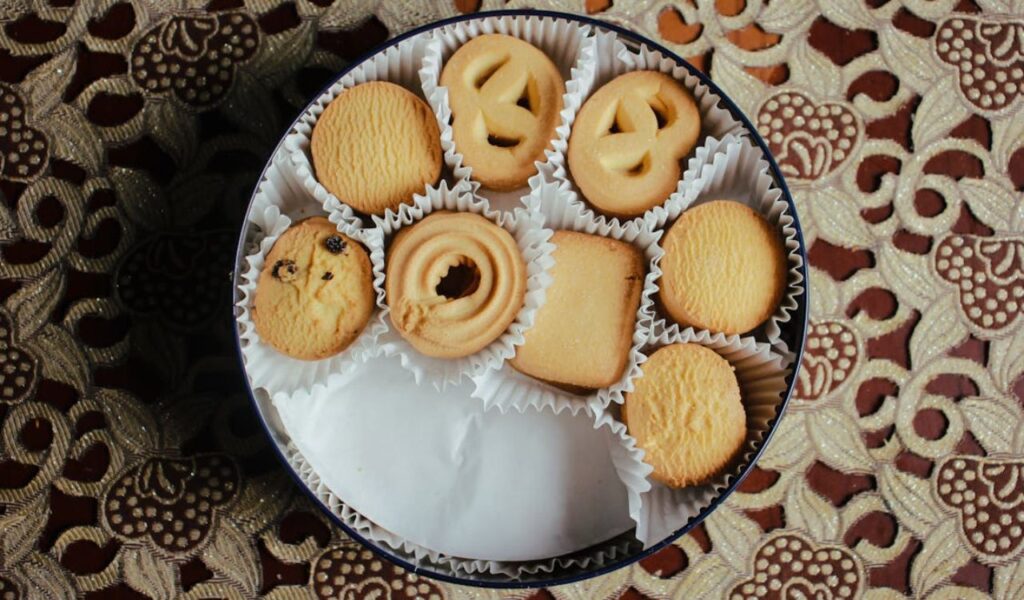
Supermarket bakeries are more than just decorative additions to the store layout. They contribute meaningful revenue and help increase the overall value of a shopper’s basket. When customers pick up bread, pastries, or desserts along with their usual groceries, the total purchase amount rises. Bakery purchases often complement other foods, such as coffee, fruit, and dairy products. This connection encourages customers to buy multiple items during the same visit. Retailers recognize that bakery products can stimulate broader spending. As a result, the department becomes a strategic component of the store’s overall performance.
Retailers often view the bakery department as an important tool for increasing store traffic. Fresh bread and specialty pastries encourage customers to visit more frequently because these items are best when purchased recently. This regular demand helps supermarkets maintain consistent foot traffic throughout the week. Frequent visits increase the chance that shoppers will buy additional groceries. Bakery promotions can also attract customers who might otherwise shop elsewhere. Over time, the department helps strengthen the store’s daily activity. This steady traffic supports the success of many other departments in the store.
Health and Lifestyle Shaping Bakery Choices
Consumer interest in health and nutrition is gradually influencing bakery offerings. Many shoppers now look for options that include whole grains, reduced sugar, or simpler ingredient lists. As a result, supermarkets have expanded their selection of breads and baked goods that appeal to health-conscious buyers. Some bakeries now highlight ingredient transparency on product labels. Customers appreciate knowing what goes into their food. This transparency builds trust between shoppers and the store. These items help bakeries meet changing consumer expectations. Health awareness is gradually reshaping traditional bakery selections.
Variety has become another important factor in modern bakery departments. Customers increasingly expect options that reflect different dietary needs and preferences. Some stores now offer products made with alternative flours or specialty grains to appeal to changing tastes. These products help bakeries attract customers who follow specific diets. Expanding variety also encourages shoppers to explore new items. Seasonal additions can introduce new flavors throughout the year. This evolving selection helps keep the bakery department relevant. Specialty grains such as spelt or rye add new flavor profiles.
Innovation Inside the Grocery Bakery
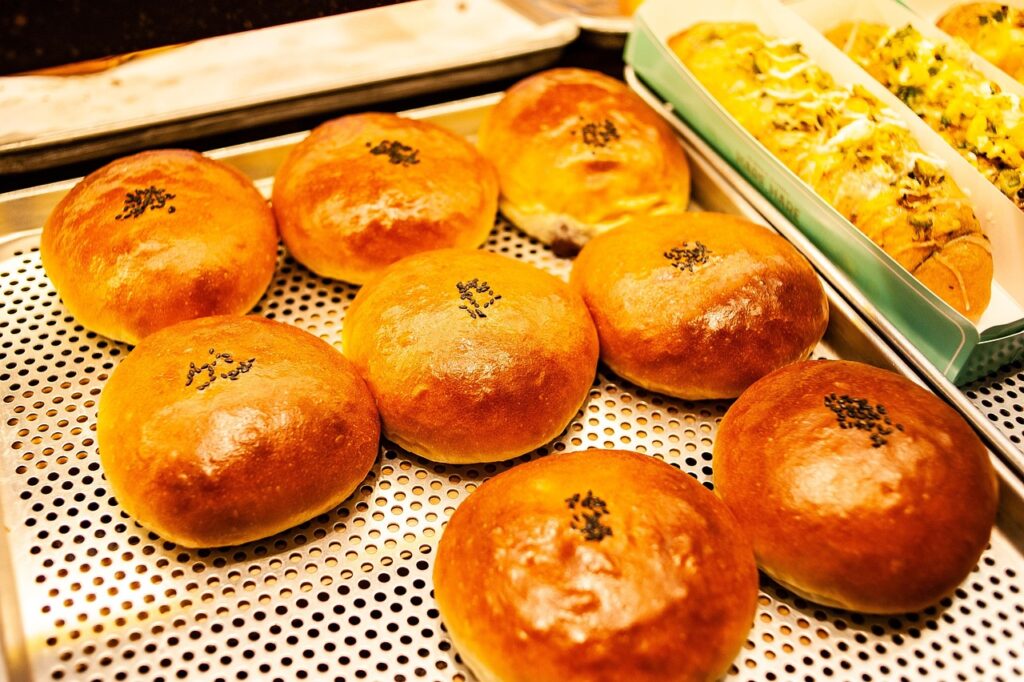
Supermarket bakeries continue to experiment with new flavors and creative product ideas. Seasonal pastries, specialty desserts, and hybrid baked goods help keep the department visually interesting. These rotating offerings encourage shoppers to check the bakery section regularly to see what is new. Limited-time products can create excitement around bakery displays. Customers often return specifically to try new items before they disappear. Creative flavor combinations can spark curiosity among regular customers. New items often appear alongside familiar classics. This balance keeps the display both comforting and exciting.
Innovation also helps retailers compete with independent bakeries and specialty dessert shops. By introducing unique pastries or visually striking desserts, supermarkets can create excitement around their bakery departments. This constant refresh of products ensures that the bakery section remains one of the most dynamic areas inside a grocery store. Creative recipes can help a store stand out from competitors. Skilled decorating and modern presentation styles add visual appeal. Social media sharing can further highlight these creations. Distinctive bakery items help supermarkets maintain a competitive edge.