Snack Innovation Appears Constant but Industry Data Suggests a Slowdown

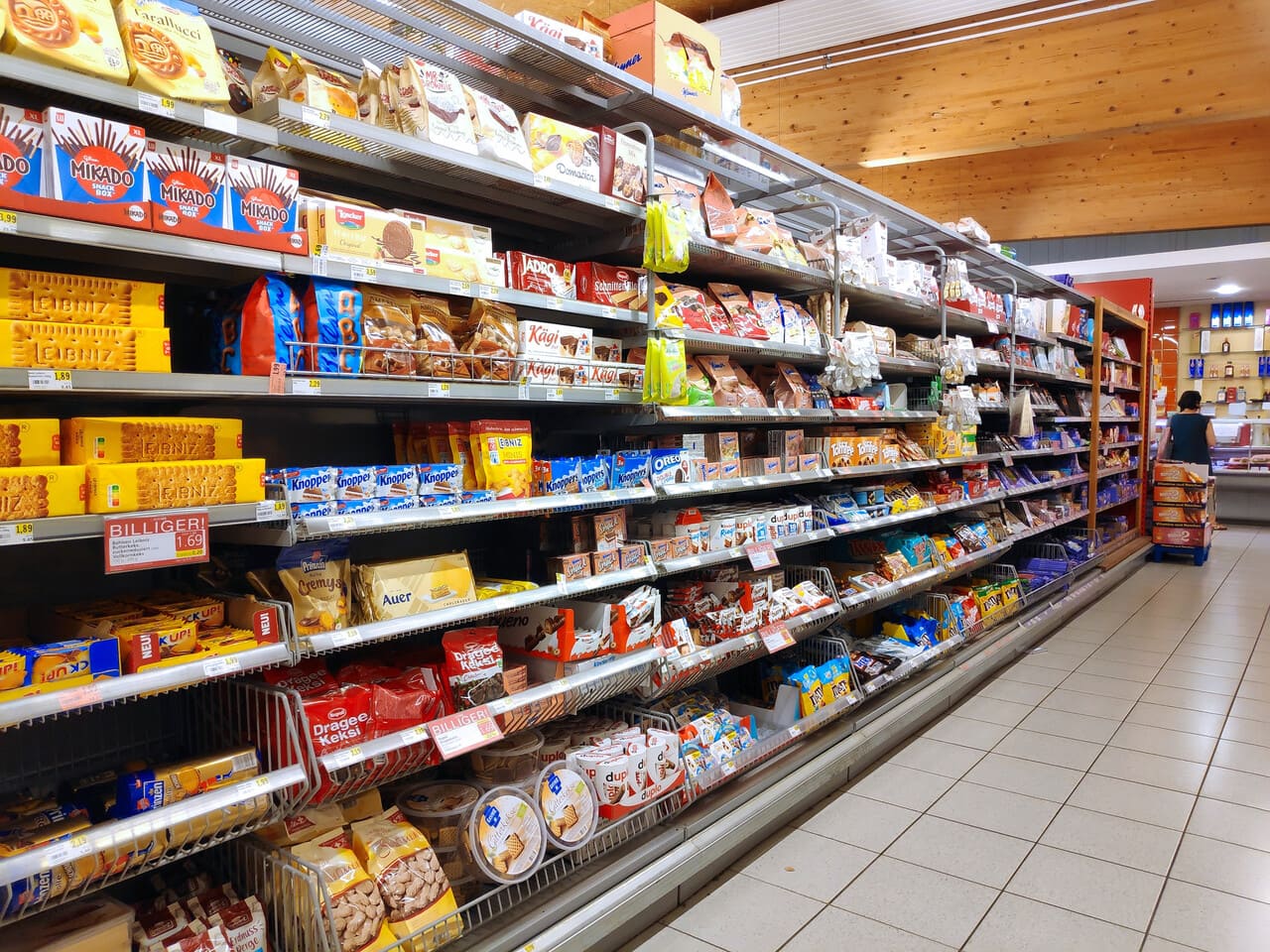
Walk down almost any grocery store snack aisle, and it can feel like a nonstop parade of new ideas. Bright packaging, bold flavor names, and limited edition varieties seem to appear constantly, giving the impression that snack companies are releasing fresh concepts every week. From spicy chips and sweet popcorn blends to creative cracker mixes, the shelves often look like a testing ground for endless culinary experimentation. For shoppers, this colorful display suggests an industry moving at a fast pace, always trying to surprise customers with something they have never tasted before, even during ordinary weekly grocery trips.
Yet behind this lively display, industry data reveals a more measured reality. Many products promoted as new are actually small variations of familiar snacks rather than entirely different creations. A chip brand might introduce a new seasoning, while a cookie line adds a seasonal filling or coating. These changes keep store shelves looking fresh, but the number of completely original snack formats entering the market has grown more slowly than many people expect. The result is an industry that still feels innovative, even as its pace of true reinvention quietly becomes more cautious over time.
The Illusion of Endless Snack Innovation
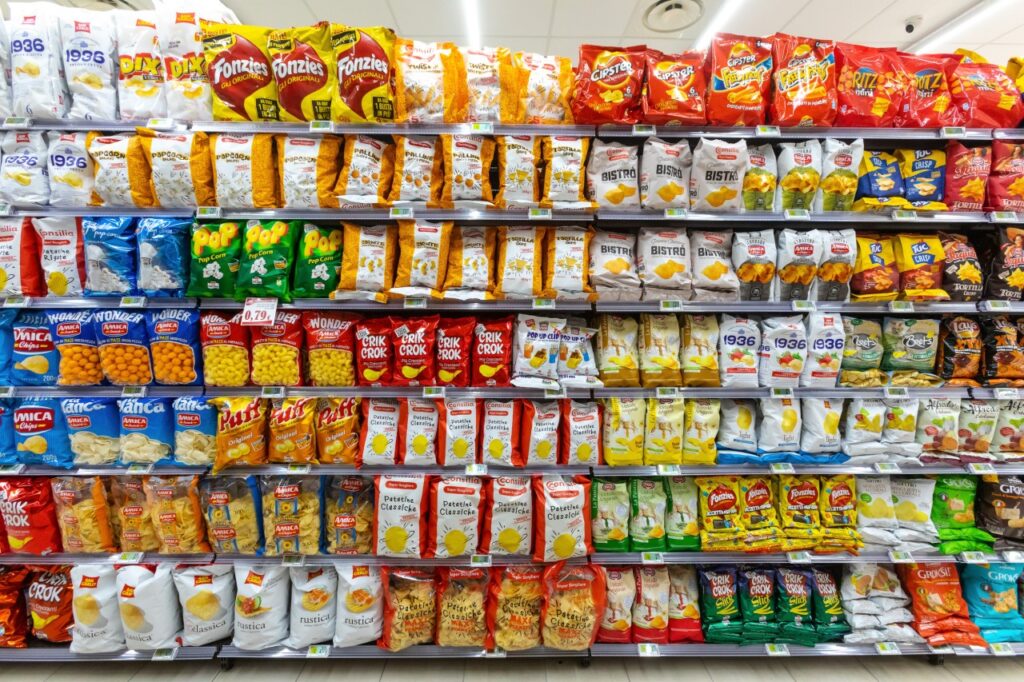
At first glance, the snack aisle can feel like a place of nonstop creativity and constant change. Grocery shelves regularly feature bold packaging, seasonal flavors, and fresh varieties of familiar favorites. From spicy chips to sweet and savory snack mixes, the selection appears to shift almost every month. This colorful variety creates the impression that snack companies are launching entirely new ideas at a rapid pace. For shoppers, the aisle often feels like a rotating showcase of creativity, where brands continuously experiment with flavors, textures, and ingredients to keep customers interested and eager to try something different during every grocery visit.
However, industry data suggests that the reality behind these shelves is more measured than it seems. Many products promoted as “new” are actually modest variations of existing snacks rather than completely original creations. A chip brand might introduce a new seasoning blend, while a cookie company may release a different filling or coating for a familiar recipe. These updates help products appear fresh and exciting to shoppers. Yet when researchers examine the numbers more closely, they often find that the amount of truly new snack formats entering the market has grown far more slowly than many consumers realize.
Why New Snack Launches Are Slowing Down
Launching a completely new snack product involves far more work than simply choosing a flavor and printing a label. Food companies must first study consumer preferences, run recipe tests, evaluate ingredient availability, and confirm that the product can be produced at large scale. Packaging design, shelf stability, transportation logistics, and marketing campaigns also require careful planning. Each of these steps adds time, cost, and uncertainty to the process. If the snack fails to attract enough buyers once it reaches store shelves, the company risks losing significant resources and valuable production capacity.
Because of these risks, many snack brands have grown more cautious about introducing entirely new product lines. Instead of betting heavily on unfamiliar concepts, companies often focus on expanding or refreshing products that shoppers already recognize. This approach might involve launching a seasonal flavor, adjusting seasoning blends, or creating limited-edition versions of existing snacks. These smaller changes allow brands to maintain excitement in the snack aisle while reducing the financial risk that comes with completely untested products and new manufacturing investments, which can be costly and difficult to reverse once production begins.
Rising Costs Are Reshaping Product Development
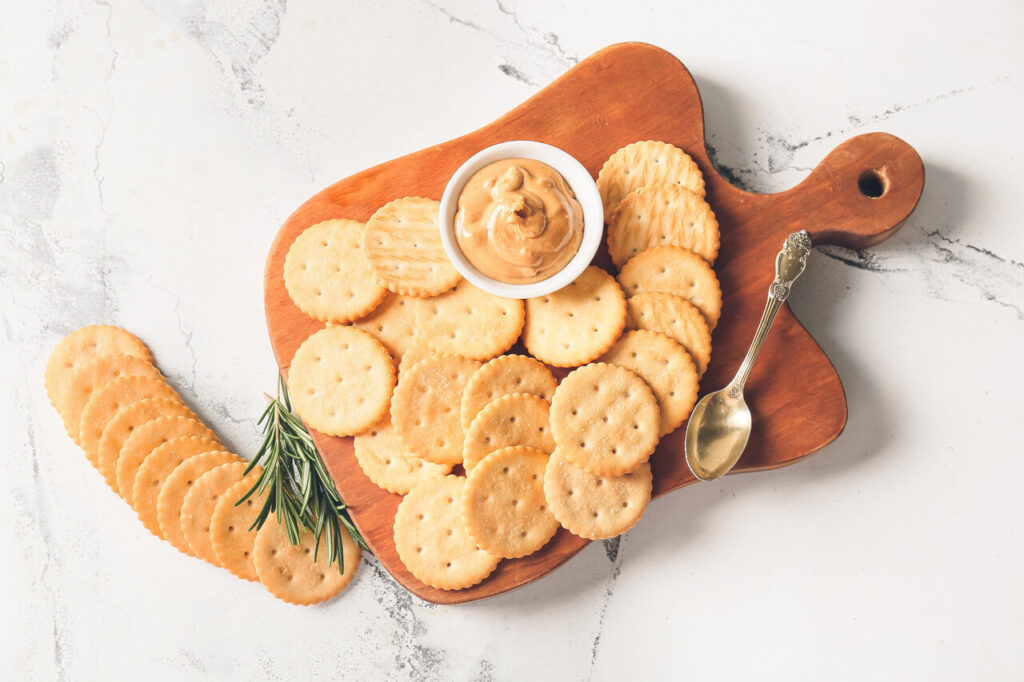
Economic forces are quietly shaping how snack companies approach innovation and product development. In recent years, the price of many core ingredients used in snack production has become less predictable. Cooking oils, wheat, corn, dairy products, and flavoring ingredients often rise and fall in cost depending on global supply conditions, weather events, and transportation expenses. At the same time, the price of packaging materials, energy, and distribution has also increased for many manufacturers. These combined pressures mean that developing new snack products now requires far more financial planning than it once did.
When costs rise across several areas of production, companies must carefully decide where to invest their resources. Creating a completely new snack format may require different equipment, new ingredient suppliers, and extensive marketing support to introduce the product to shoppers. Because these investments can be expensive, many snack producers choose to build on items that already fit their existing manufacturing systems. By adapting flavors, shapes, or ingredient blends within familiar products, companies can control expenses while still offering consumers something that feels new and interesting on store shelves.
Brands Are Focusing on Safer Snack Ideas
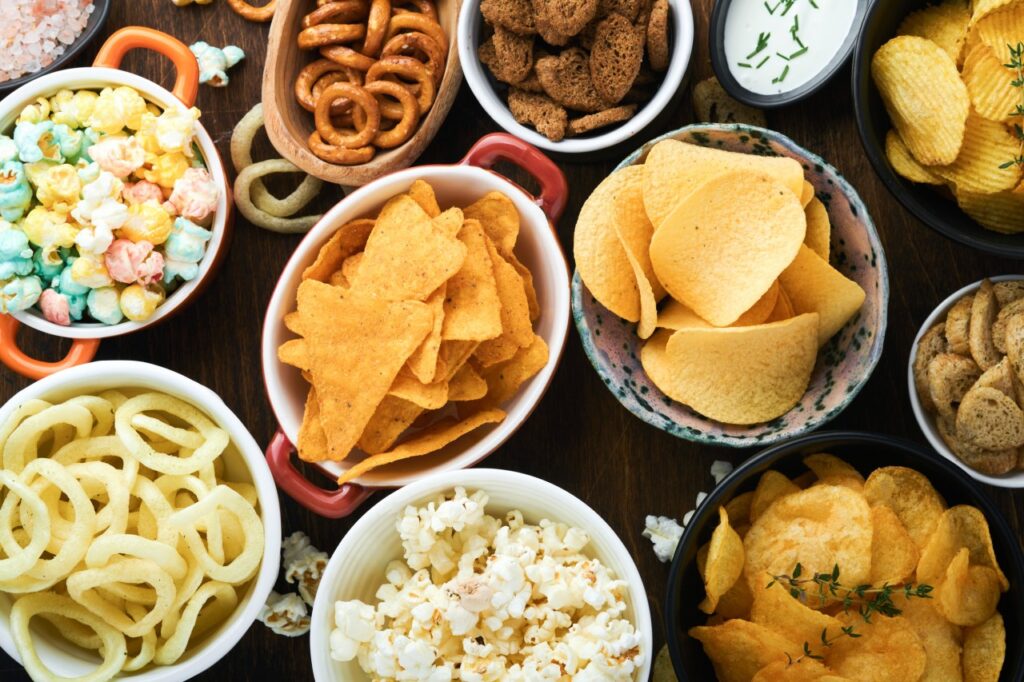
Rather than taking big risks on completely unfamiliar products, many snack companies are increasingly focusing on ideas that already have a proven track record with consumers. This often means expanding popular categories such as seasoned potato chips, baked snacks, popcorn varieties, and protein-based bites that already perform well in stores. By staying within these established formats, brands can experiment with different flavors, textures, or ingredient blends while still offering a snack style that shoppers immediately recognize and feel comfortable trying during a routine grocery trip or while browsing store shelves.
This approach helps reduce the uncertainty that comes with launching a completely new snack concept from scratch. Consumers are generally more willing to try a familiar product with a new seasoning or twist than a snack they cannot easily identify. For manufacturers, this strategy creates a careful balance between creativity and stability. It allows companies to refresh their product lines and keep shelves interesting while still relying on proven snack styles that already fit their production systems and established supply chains across large-scale food manufacturing networks. This strategy also helps brands respond faster to changing flavor trends without redesigning entire products.
What the Future Holds for Snack Innovation
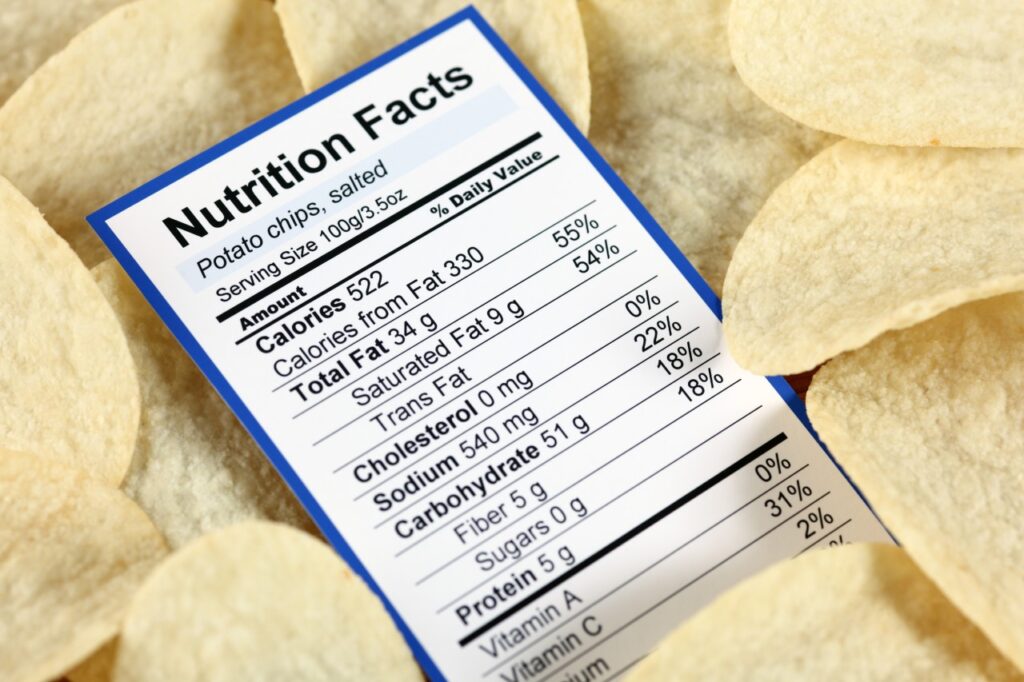
Although the pace of completely new snack concepts may appear slower than many shoppers expect, innovation in the snack industry is far from disappearing. Food companies continue to experiment with ways to improve flavor, texture, nutrition, and convenience within products people already enjoy. Trends such as plant-based ingredients, globally inspired seasonings, and higher protein snacks are encouraging brands to rethink how traditional snacks can evolve. Instead of replacing familiar foods, many companies are gradually adapting them so they reflect changing tastes and modern dietary preferences while still keeping the comfort and familiarity that consumers expect.
Looking ahead, snack innovation is likely to focus more on refining existing ideas rather than introducing entirely unfamiliar formats. Advances in ingredient technology and food science are helping manufacturers develop snacks that stay fresher longer, offer improved nutrition, or deliver more complex flavor combinations. These improvements often happen quietly through recipe adjustments or ingredient upgrades. As a result, the snack aisle will probably continue to look full of new choices, even though much of the progress comes from careful improvement rather than dramatic reinvention across the broader snack market.