Consumer Surveys Reveal a Gradual but Noticeable Shift in America’s Sweet Preferences


Sweet flavors have long held a special place in American food culture. From frosted desserts and sugary cereals to candy bars and sweetened drinks, many everyday foods have traditionally leaned toward bold sweetness. For decades, the sweeter the treat, the more appealing it often seemed to consumers. That preference shaped countless products on grocery shelves and restaurant menus. Yet recent consumer surveys suggest that this familiar pattern is gradually shifting. While Americans still enjoy desserts and sweet snacks, many are becoming more thoughtful about how sweet those foods should actually taste, especially in everyday meals and snacks.
Across grocery stores, cafés, and restaurant menus, subtle signs of this shift are becoming easier to notice. Shoppers are increasingly choosing products that feel less sugary and more balanced, such as lightly sweetened beverages, fruit-forward desserts, and darker chocolate varieties. This gradual change reflects a broader movement toward moderation rather than complete avoidance of sweetness. Consumers still enjoy sweet flavors, but many now prefer treats that feel smoother, less intense, and closer to the natural sweetness found in fruits, dairy, and cocoa-based foods, which many perceive as more satisfying.
America’s Changing Sweet Tooth

For decades, American food culture leaned heavily toward bold sweetness. From sugary breakfast cereals to desserts layered with frosting and syrup, sweet flavors were often tied to comfort, celebration, and everyday indulgence. Grocery shelves and restaurant menus reflected this preference, offering products designed to deliver a strong hit of sweetness. Yet recent consumer surveys suggest that the nation’s taste for sugar is beginning to evolve. Many people still enjoy desserts and sweet snacks, but their expectations around how sweet those foods should taste are gradually becoming more moderate and balanced.
Younger consumers in particular are showing growing interest in flavor profiles that feel less overpowering and more layered. Instead of extremely sugary products, many now prefer foods that blend sweetness with other tastes such as bitterness, saltiness, or natural fruit notes. Items like dark chocolate, lightly sweetened yogurt, and fruit-based desserts have gained popularity because they offer sweetness without overwhelming the palate. This gradual change suggests that while Americans still appreciate sweet foods, many are increasingly drawn to options that feel more natural, balanced, and satisfying.
Why Consumers Are Choosing Less Sugar
Growing awareness about sugar consumption has become one of the key forces shaping modern food choices. Over the past decade, public conversations about added sugar have expanded across nutrition guidelines, health campaigns, and food labeling rules. Many consumers now encounter information about sugar content more frequently than before, whether through ingredient labels, dietary recommendations, or online health discussions. As a result, people have become more mindful about how much sugar they consume each day, and this awareness is gradually influencing how they choose snacks, beverages, and desserts.
At the same time, most consumers are not eliminating sweet foods entirely from their diets. Instead, many are shifting toward products that contain less added sugar or rely on natural sweetness from ingredients such as fruit, honey, or dairy. This change can be seen in the rising popularity of reduced sugar beverages, lightly sweetened yogurts, and desserts that highlight fruit flavors rather than heavy syrups. By choosing options that feel less sugary but still enjoyable, consumers are finding ways to satisfy cravings while keeping their overall sugar intake more balanced, making everyday eating habits feel more mindful.
Health Awareness Is Reshaping Dessert Choices

Health awareness has started influencing dessert choices in clear and practical ways. Many consumers now pay closer attention to ingredient lists, nutrition labels, and sugar content when selecting sweet foods. Instead of automatically choosing the richest or most sugary option available, people are often drawn to desserts that appear lighter, simpler, and made with recognizable ingredients. This growing attention to ingredients reflects a wider interest in balanced eating habits, where enjoyment still matters but is paired with greater awareness about how everyday food choices affect long term health and overall diet quality.
This shift has helped boost the popularity of desserts that rely on natural sweetness rather than large amounts of refined sugar. Foods such as yogurt parfaits, fruit-forward pastries, baked oats, and moderately sweet cakes have gained appeal because they offer satisfying flavor without feeling overwhelmingly sugary. These options often highlight ingredients like berries, bananas, honey, or dairy that provide sweetness more mildly. While classic desserts still hold a strong place in American food culture, many consumers now appreciate treats that deliver sweetness with a lighter and more balanced taste experience.
Food Brands Are Rethinking Sweet Flavors
Food companies are paying close attention to the way consumer tastes are gradually changing. Surveys and market research now show that many shoppers are seeking products that taste less sugary but still feel enjoyable and satisfying. In response, manufacturers are experimenting with recipes that tone down added sugar while enhancing other flavors. Ingredients such as cocoa, spices, nuts, and citrus are often used to create a richer taste profile that does not rely entirely on sweetness. This approach allows brands to maintain strong flavor while responding to growing interest in balanced and less sugary foods.
Many companies are also launching product lines that highlight reduced sugar or naturally sweet ingredients. Beverage brands, for example, frequently introduce lightly sweetened drinks, sparkling waters with fruit flavors, or teas with minimal added sugar. Snack and dessert makers are exploring similar ideas by offering products sweetened with fruit, honey, or alternative sweeteners. These adjustments help brands keep familiar treats appealing while adapting to evolving consumer expectations. As sweet preferences continue to shift, companies are learning that flavor balance and ingredient transparency are becoming just as important as sweetness itself.
The Future of Sweetness in American Diets
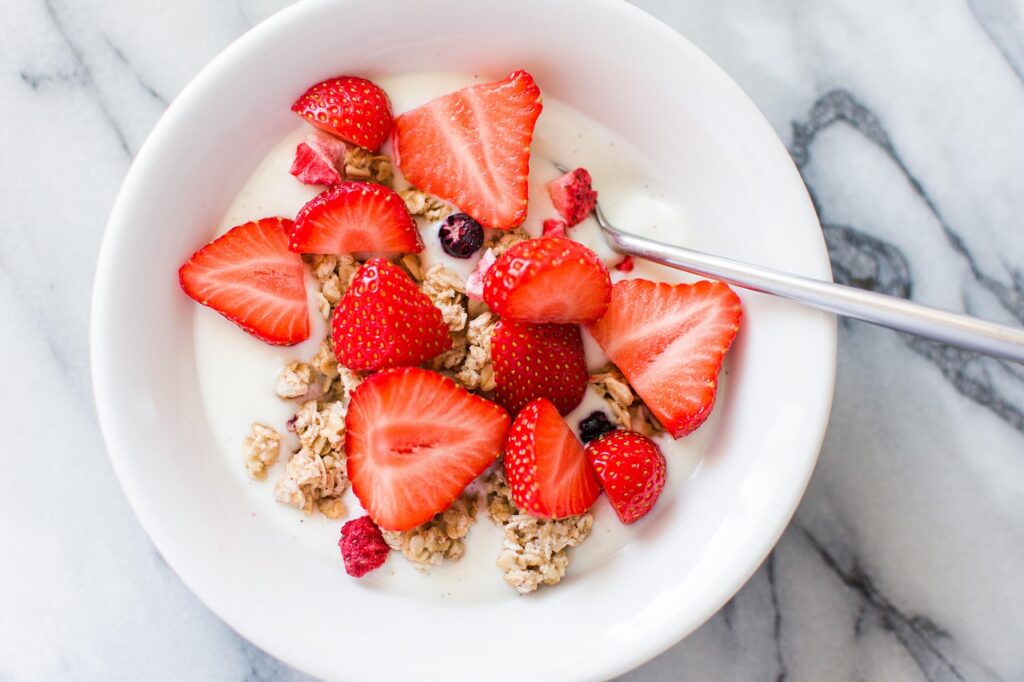
Looking ahead, sweetness is unlikely to disappear from American diets, but its role is clearly evolving. For many years, extremely sugary snacks and desserts dominated store shelves and restaurant menus. Today, consumer tastes are gradually shifting toward foods that feel more balanced and less intensely sweet. Many people now enjoy desserts that combine sweetness with other flavors such as tart fruit, roasted nuts, dark cocoa, or even light savory notes. This broader mix of tastes allows sweetness to remain enjoyable while feeling more refined and less overwhelming, creating a more complex and satisfying flavor experience.
This changing preference is also encouraging new ideas in how sweetness is created in food. Researchers and food developers are exploring ingredients that deliver satisfying flavor without relying heavily on refined sugar. Natural sweeteners, fruit concentrates, and creative recipe techniques are helping brands develop products that taste rich while containing less added sugar. As awareness about nutrition continues to grow, many consumers are likely to favor desserts and snacks that highlight quality ingredients, thoughtful preparation, and a balanced level of sweetness that feels both enjoyable and sensible for everyday eating habits.