8 Cooking Shortcuts Being Banned in Professional Kitchens

Professional kitchens are held to increasingly rigorous standards, and many shortcuts once considered harmless are now recognized as threats to both safety and quality. As culinary workplaces evolve, chefs are expected to follow precise handling, storage, and preparation rules that protect diners and preserve ingredient integrity. This shift reflects not only stronger food safety laws but a deeper understanding of how small lapses can lead to big problems. By eliminating outdated shortcuts, modern kitchens elevate reliability, consistency, and trust in every dish they serve.
1. Holding Raw Proteins at Room Temperature
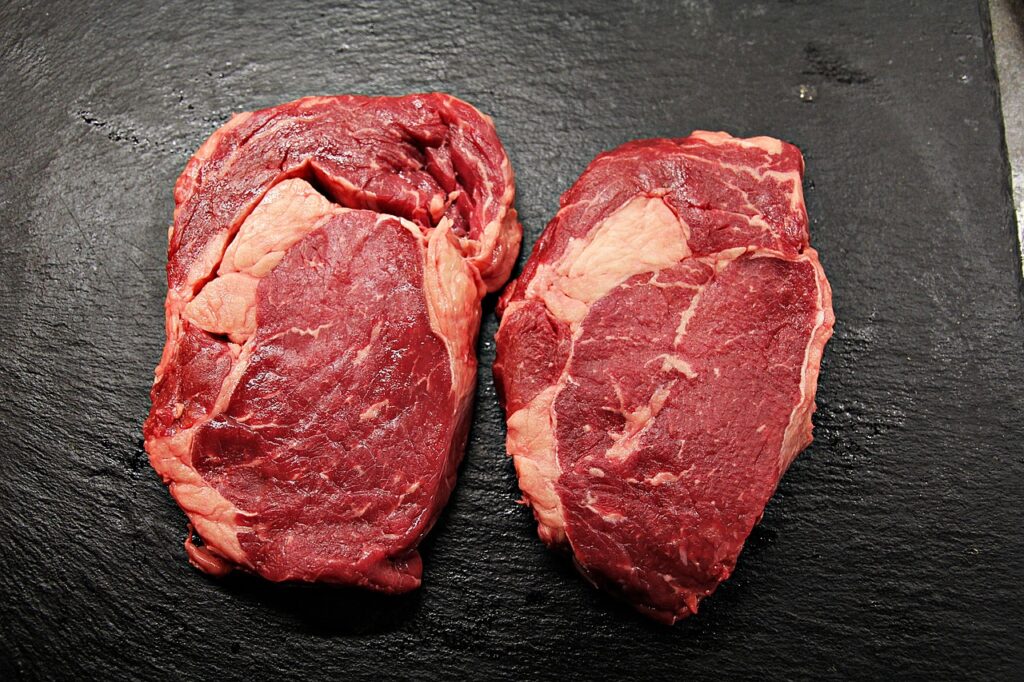
Allowing raw meat, fish, or poultry to sit at room temperature was once considered a harmless shortcut that helped proteins come to temperature before cooking. In modern professional kitchens, this practice is no longer acceptable because even short periods in the temperature danger zone allow bacteria to multiply rapidly. As standards for food safety evolved, kitchens became accountable not only for taste and timing but for strict control of how ingredients travel through the cold chain. Chefs now rely on precise refrigeration, rapid thawing methods, and timed workflows to prevent lapses that could compromise safety. This shift reflects a broader understanding that great food begins with meticulous handling, not risky shortcuts.
2. Using the Same Cutting Boards and Utensils Without Sanitizing
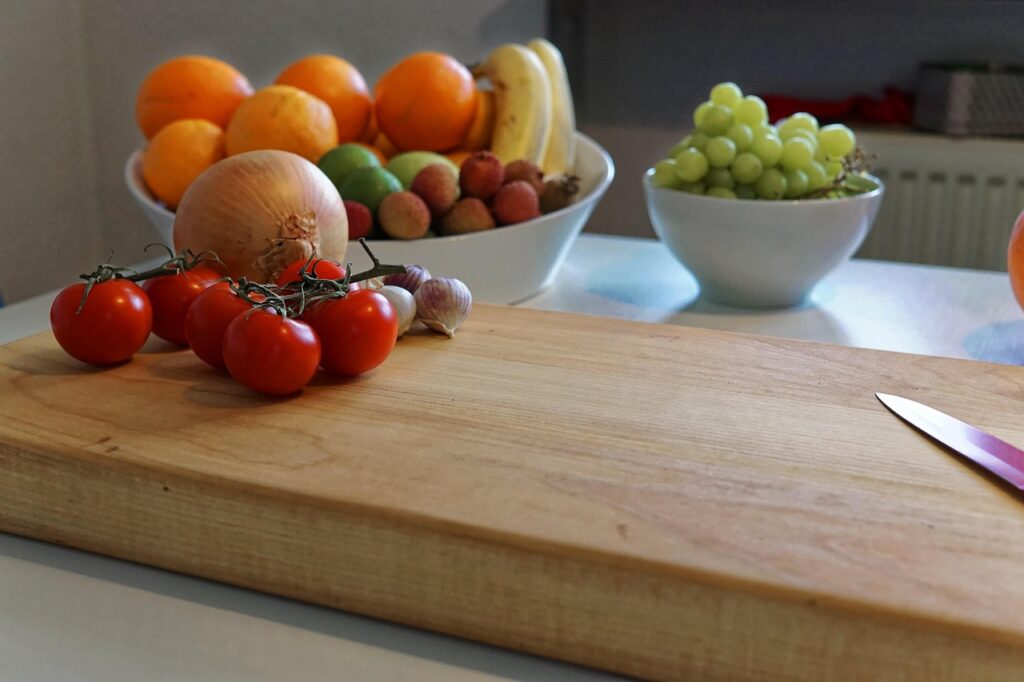
In busy kitchens, it might once have seemed efficient to continue prepping multiple ingredients on the same cutting board, especially during a rush. Today, that habit is viewed as a significant hazard because it increases the risk of cross-contamination between raw proteins and ready-to-eat foods. Even trace transfers of bacteria can lead to serious foodborne illness. Modern kitchen protocols emphasize color-coded cutting boards, frequent sanitizing, and clear separation between raw and cooked preparation zones. These measures create predictable safety practices that protect both diners and kitchen staff. What was once a casual time saver is now recognized as a critical point of control in professional food handling.
3. Reusing Frying Oil Beyond Safe Limits
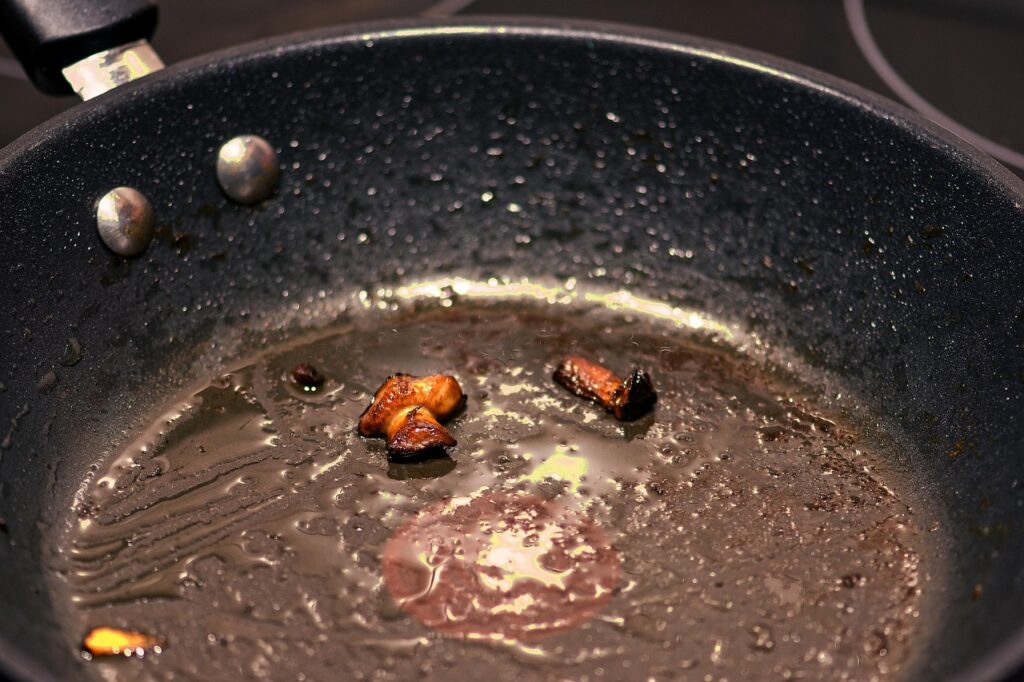
Frying oil was historically reused far beyond what would be acceptable today, often to stretch kitchen budgets. The longer oil is heated and reheated, the more it oxidizes, breaks down, and produces off-flavors and potentially harmful compounds. Modern kitchens now monitor oil quality through visual checks, filtration schedules, and strict replacement timelines. Degraded oil influences more than taste. It can affect texture, nutrient stability, and overall safety. The decision to enforce tighter controls reflects a commitment to consistent quality and a recognition that cost savings should never outweigh the integrity of the dish. Fresh oil supports better frying, cleaner flavors, and higher standards.
4. Freezing Partially Cooked Food to Finish Later
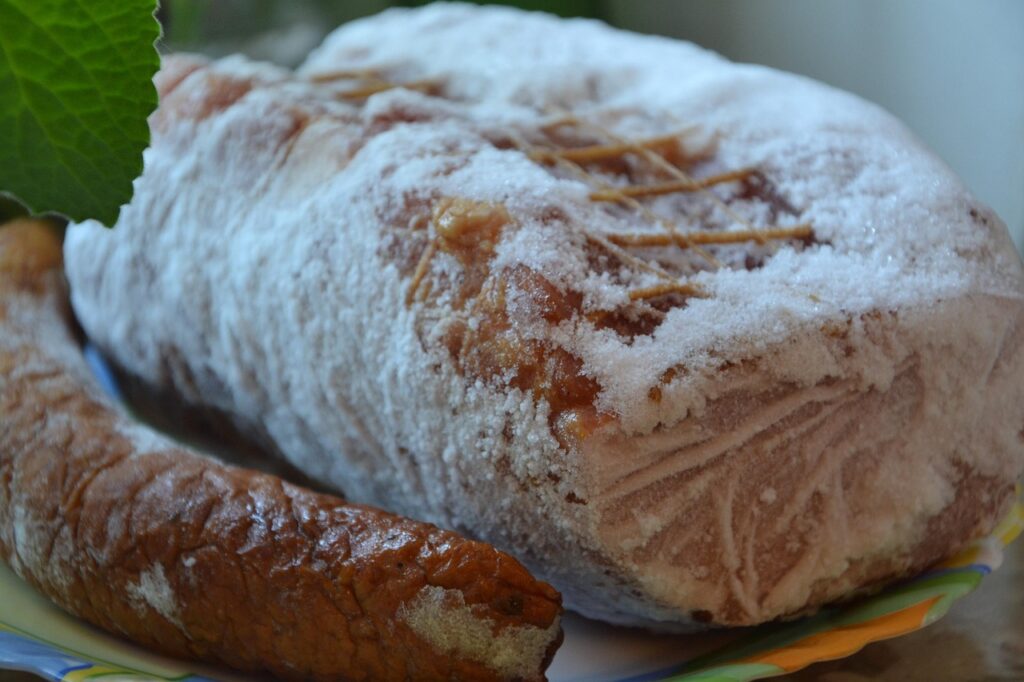
Partially cooking foods and freezing them for later finishing was once a convenient way to manage workflow in high-volume settings. However, inconsistent temperatures during this process can lead to uneven cooking and create pockets where bacteria survive. Because food enters and exits the danger zone multiple times, the risk of contamination increases. Professional kitchens now rely on batch cooking, rapid cooling equipment, and sous vide systems to achieve efficiency without compromising safety. The evolution of kitchen technology has made this shortcut unnecessary, and phasing it out ensures that every plate served meets modern expectations for both quality and safety.
5. Thawing Foods Improperly
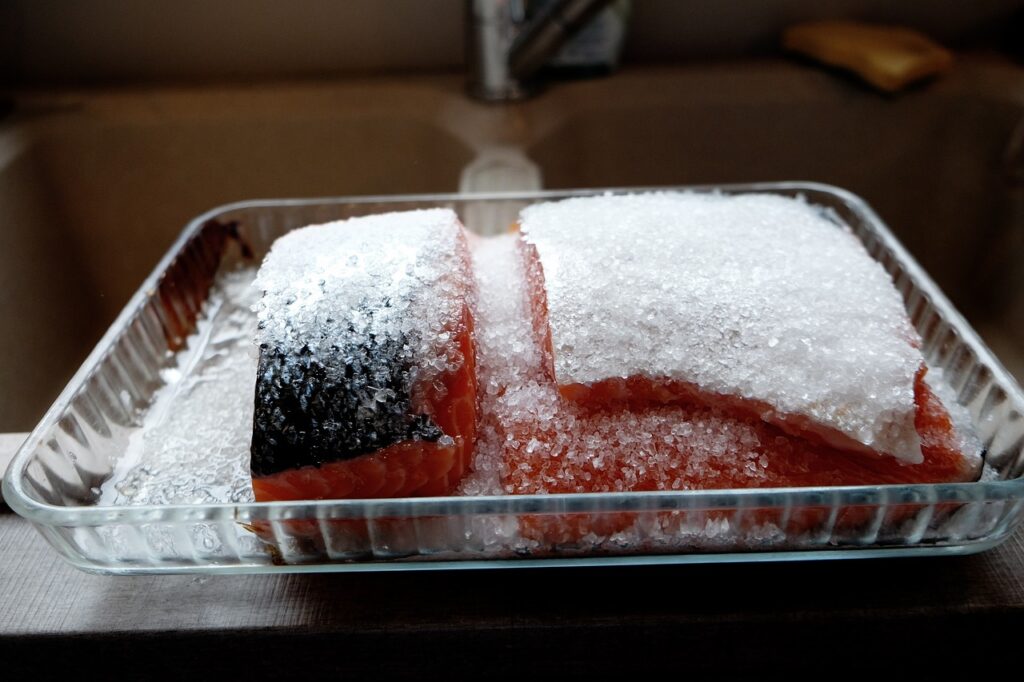
Thawing frozen ingredients by leaving them out too long or using warm environments might have once seemed harmless, but it undermines the safety and texture of the food. Uneven thawing can cause bacteria to flourish on the outer layers while the interior remains frozen. This not only affects flavor but also increases the risk of illness. Today’s kitchens adhere to controlled thawing methods that maintain consistent temperatures, often using refrigeration, cold running water, or specialized thawing units. These updated practices ensure that ingredients remain at their best and that no shortcuts compromise the dish or the diner. Proper thawing is now understood as an essential step rather than an optional detail.
6. Skipping Sanitation or Temperature Logs

In earlier decades, kitchens operated with far fewer documentation requirements, and skipping temperature or cleaning logs was a frequent unofficial shortcut. Modern regulations view these records as essential for accountability, auditing, and food safety verification. Logs help track every point where risk could arise, from equipment temperatures to sanitation schedules. Neglecting them introduces unnecessary uncertainty and can lead to major compliance failures. Today’s professional kitchens embrace digital monitoring systems, routine logging practices, and clear communication to maintain safety and consistency. This shift ensures that kitchens are not only producing quality food but also operating transparently and responsibly.
7. Using Pre-Prepared Sauces or Components Without Proper Verification
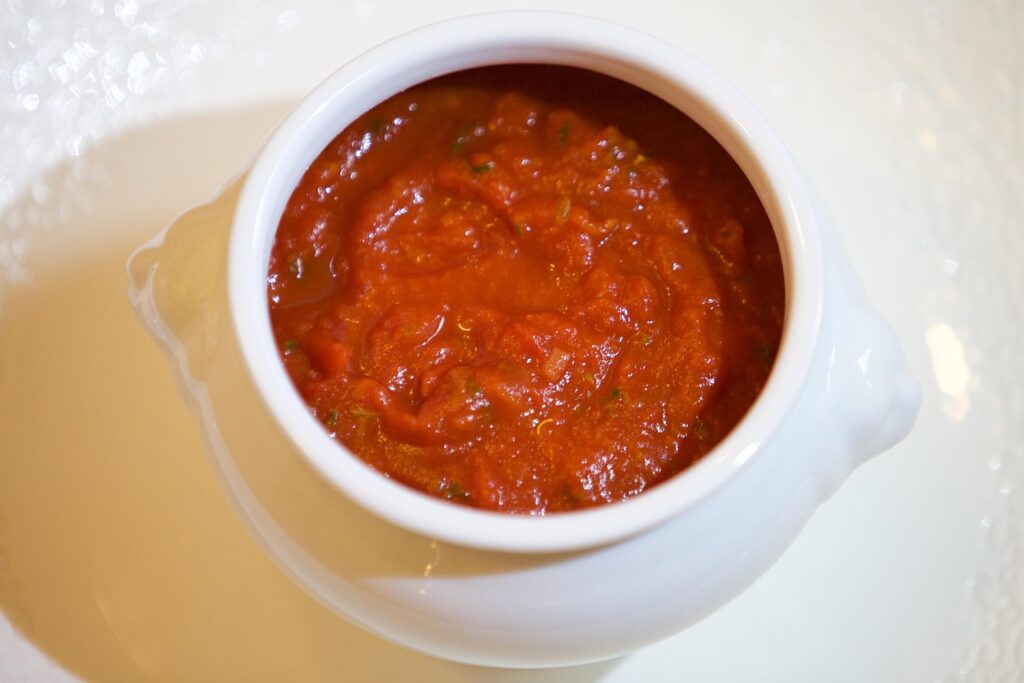
Prepared sauces and mixes can streamline operations, but without verifying freshness, storage conditions, and ingredient quality, they introduce significant risk. In the past, some kitchens relied heavily on these shortcuts to save time, often without checking expiration dates or ingredient integrity. With higher standards today, chefs recognize that unverified components affect not only flavor but also safety and the restaurant’s reputation. Modern culinary environments prioritize either making sauces from scratch or sourcing high-quality prepared items with strict oversight. This ensures consistency and reduces the chance of spoilage or contamination slipping into final dishes.
8. Overcrowding Hot Holding Equipment
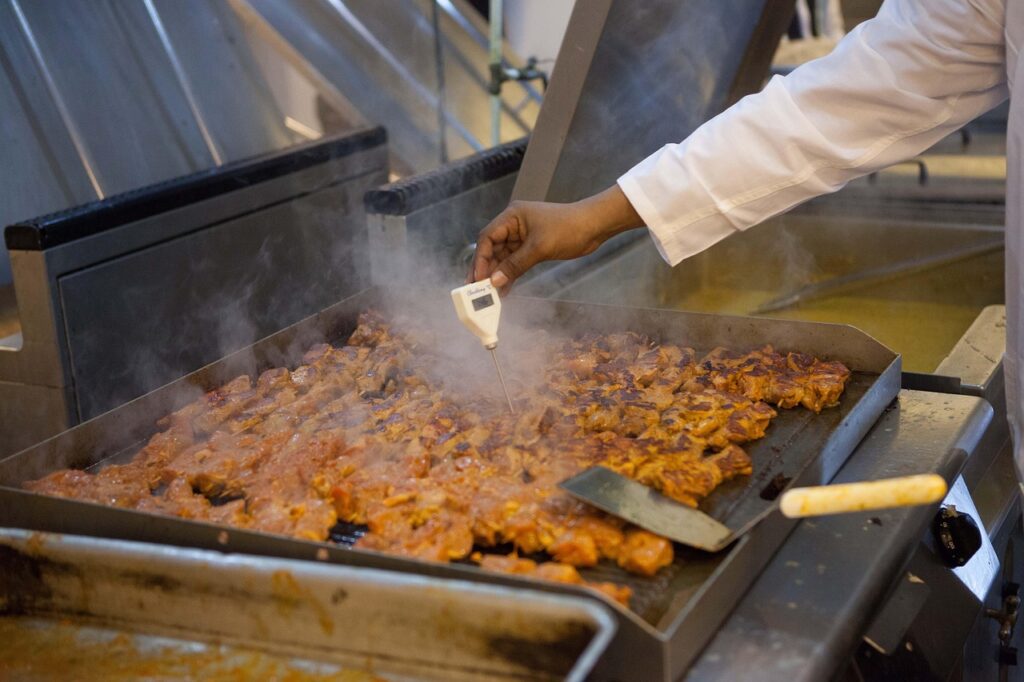
Overcrowding warming trays or stacking hot foods used to be common in kitchens trying to manage space and volume. However, this practice restricts airflow and prevents foods from maintaining uniform temperatures. Even small pockets of cooler air can allow bacteria to grow, turning a time-saving measure into a serious risk. Professional kitchens now enforce spacing guidelines and temperature checks to ensure that all food held for service remains within safe limits. This adjustment reflects a commitment to precision and care. Rather than relying on shortcuts, kitchens emphasize organization and planning that guarantee every dish remains safe while retaining the texture and quality intended by the chef.