Why Some Restaurant Menus Feel Smaller Even When Prices Go Up


Dining out still feels familiar, but something subtle has begun to shift. Menus look shorter, portions feel different, and prices seem to climb at the same time.
At first glance, these changes are easy to miss. Yet over time, many diners notice that their favorite meals no longer feel quite the same as before.
This shift is not случай. It reflects deeper changes happening behind the scenes, from rising costs to new ways restaurants manage their kitchens.
Every decision, from portion size to menu layout, is carefully shaped to balance quality, efficiency, and customer expectations.
Looking closer reveals how these small changes are redefining what value and choice mean in today’s dining experience.
Why Menus Are Getting Smaller

Walk into many restaurants today, and you may notice fewer choices than before. This is not random. Menu reduction has become a deliberate strategy to manage rising costs and improve efficiency.
A smaller menu allows kitchens to focus on dishes that sell consistently. By removing low-demand items, restaurants reduce waste and simplify operations, making service faster and more reliable.
Ingredient management also becomes easier. Fewer dishes mean fewer ingredients to stock, which helps control spoilage and stabilize purchasing costs during uncertain supply conditions.
There is also a quality benefit. With a tighter selection, chefs can maintain better consistency and execution, rather than stretching resources across too many items.
What feels like less choice is often a calculated move to balance cost, quality, and speed in a challenging economic environment.
How Rising Costs Are Reshaping Portions
Portion sizes are quietly changing, even when menu prices rise. This adjustment helps restaurants absorb increasing costs without making prices seem too high at first glance.
Ingredients like dairy, meat, and cooking oils have seen significant price increases. Reducing portion sizes allows businesses to manage these expenses while keeping dishes on the menu.
Labor costs also influence portion control. Preparing large servings often requires more time and effort, so smaller portions help streamline kitchen operations.
Many restaurants aim to keep the visual appeal intact. Plates are designed to look full through presentation techniques, even if the actual quantity is slightly reduced.
This shift reflects a balance between maintaining profitability and keeping dishes accessible to customers who are already sensitive to price increases.
The Hidden Strategy Behind Pricing Changes

Menu pricing today is shaped by more than just ingredient costs. Restaurants carefully adjust prices to match what customers are willing to pay without causing resistance.
Instead of large price jumps, businesses often make gradual increases combined with smaller portions. This approach softens the perception of higher costs.
Menu design plays a role as well. High-margin items are placed strategically to draw attention, guiding customers toward choices that support profitability.
Bundling and add-ons are another tactic. Offering extras or upgrades allows restaurants to increase the final bill without changing the base price significantly.
These strategies work together to maintain revenue while keeping the dining experience appealing and competitive in a crowded market.
Why Diners Feel the Difference
Customers may not always measure portions, but they notice changes over time. A dish that once felt satisfying might now seem slightly smaller or less filling.
Expectations are shaped by past experiences. When prices rise, but portions shrink, the perceived value can feel lower, even if quality remains the same.
Visual cues play a role. Smaller plates or altered presentation can influence how diners interpret portion size, sometimes making changes more noticeable.
Social media and reviews amplify awareness. Diners share experiences, making it easier for others to recognize patterns across different restaurants.
This growing awareness is why many people feel something has changed, even if they cannot immediately identify the exact reason.
What the Future of Restaurant Menus May Look Like
Restaurant menus are likely to continue evolving as businesses adapt to ongoing economic pressures. Efficiency and profitability will remain key priorities.
More restaurants may adopt flexible menus that change based on ingredient availability and cost fluctuations. This approach helps maintain stability in uncertain conditions.
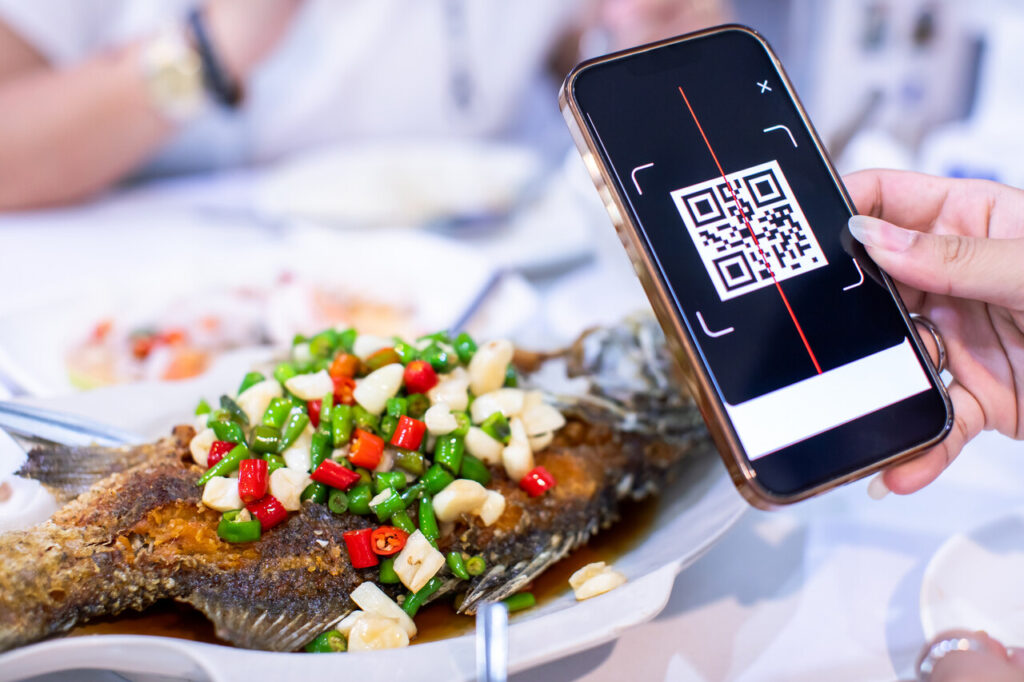
Technology will play a larger role. Digital menus allow for quick updates, making it easier to adjust prices and offerings in real time.
There may also be a stronger focus on value perception. Restaurants could emphasize quality, sourcing, and experience to justify pricing rather than relying on portion size alone.
The future menu will not just list dishes. It will reflect a balance of cost, customer expectations, and the need to stay competitive in a rapidly changing industry.