9 Food Trends That Crashed Hard in the U.S.

Food trends come and go, but some leave a lasting impression. In the United States, certain food crazes rose quickly, fueled by social media buzz, clever marketing, and curiosity. For a moment, they felt impossible to ignore, showing up everywhere from cafés to home kitchens.
Yet not every trend is built to last. As excitement fades, practical concerns like taste, cost, and health begin to matter more. What once seemed exciting can quickly feel excessive or unnecessary when the novelty wears off.
This shift reveals an important truth about food culture. People may chase what is new, but they return to what feels satisfying, balanced, and worth their time. These once-popular trends show how quickly tastes can change.
1. Rainbow Everything
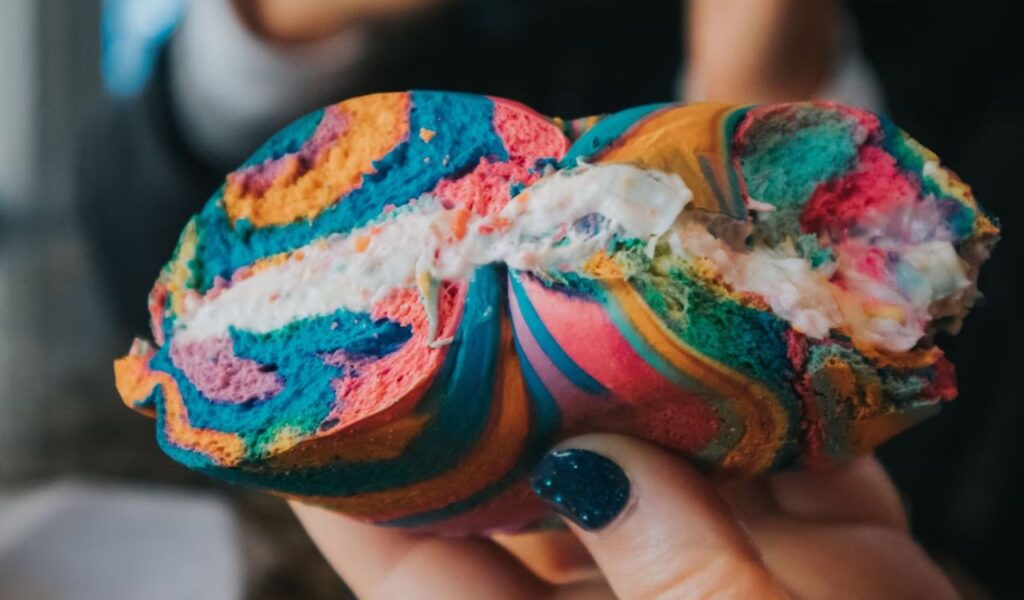
It began as a visual spectacle that quickly took over social media. Brightly colored bagels, drinks, and desserts became symbols of shareable food culture. The appeal was immediate and eye-catching, making it perfect for platforms where looks often mattered more than flavor.
Behind the colors, the experience often fell short. Many items relied on artificial dyes and excess sugar to create their look. Taste was rarely the focus, and consumers began to notice the gap between how the food looked and how it actually tasted.
As trends matured, people shifted back toward quality and authenticity. Natural ingredients and balanced flavors regained importance. Without real substance, rainbow food faded, proving that visual novelty alone cannot sustain a trend.
2. Freakshakes (Over-the-Top Milkshakes)
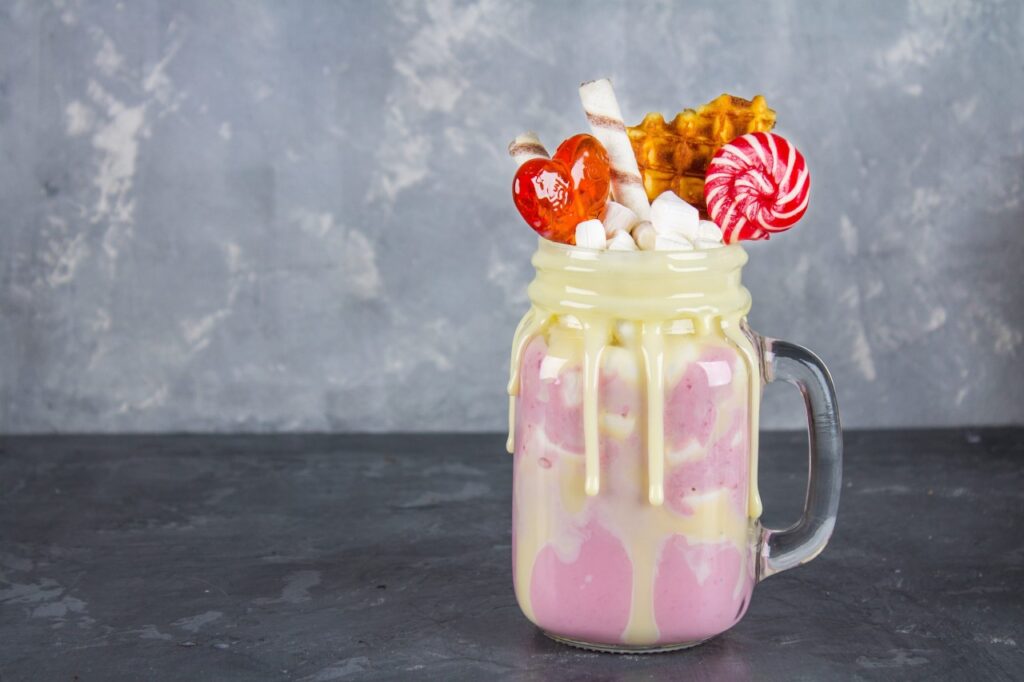
At first glance, these milkshakes felt like edible art rather than drinks. Stacked with entire desserts, they became instant attractions in cafes and on social media. Their extreme presentation made them memorable and highly shareable.
But the reality of consuming them told a different story. The size and richness made them difficult to finish, and the cost often matched a full meal. Many customers realized they were paying more for the visual experience than for actual enjoyment.
Over time, practicality began to matter again. People wanted desserts that were satisfying without being excessive. As a result, simpler and more balanced options replaced these towering creations, pushing freakshakes out of the spotlight.
3. Charcoal-Infused Foods
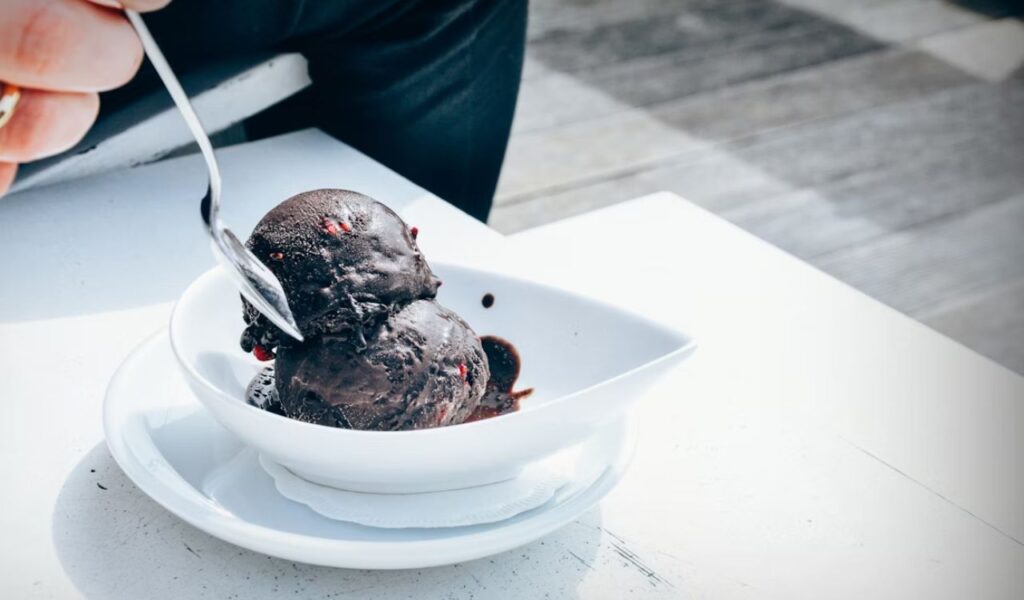
The deep black color of charcoal foods created an immediate sense of intrigue. From ice cream to lemonade, the look alone was enough to attract curious customers. It was marketed as both trendy and beneficial.
Health claims played a major role in its rise. Activated charcoal was promoted as a detox ingredient, appealing to wellness-focused consumers. However, scientific backing for these claims in food was limited and often misunderstood.
Concerns soon began to surface. Experts warned that charcoal could interfere with medications and reduce nutrient absorption. As awareness spread and regulations tightened, trust declined, and the trend quickly disappeared from mainstream menus.
4. Cronut Craze Knockoffs
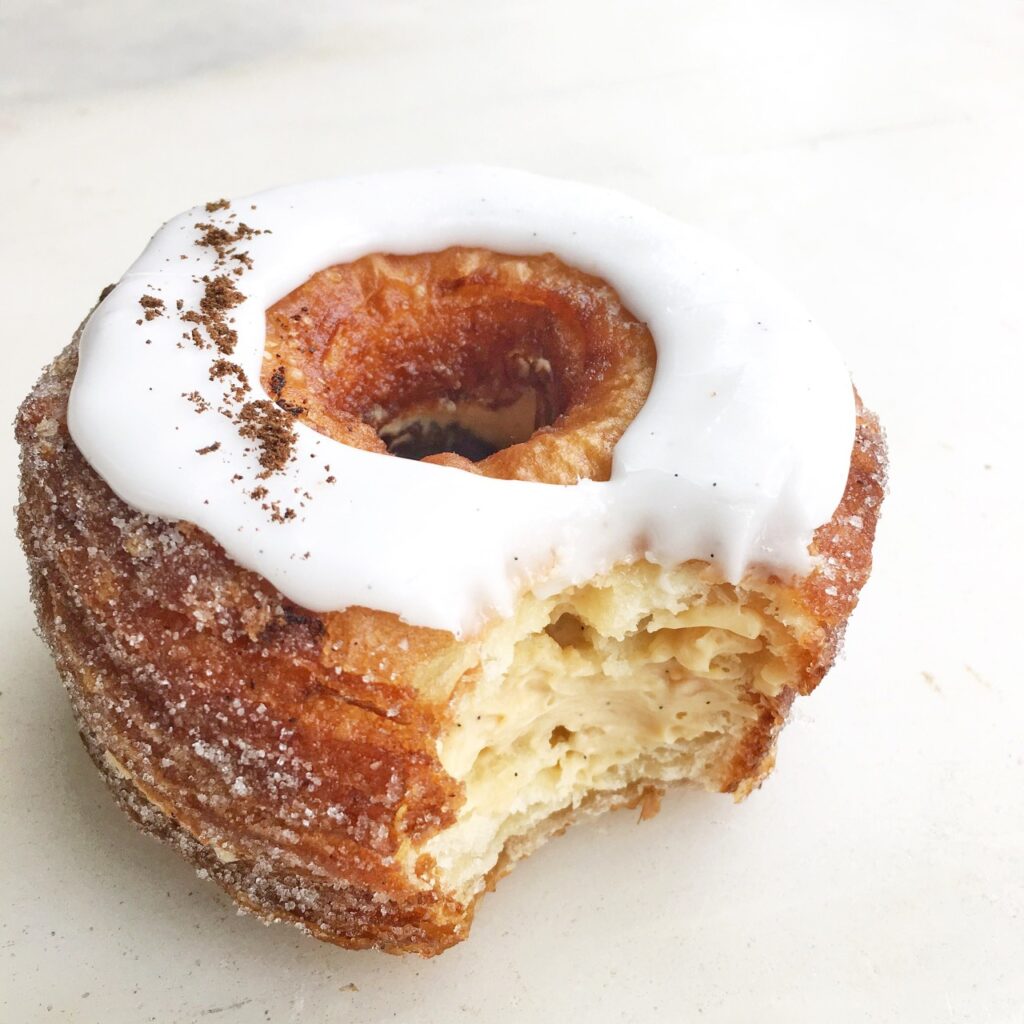
The original cronut captured attention with its unique blend of flaky croissant layers and the sweetness of a donut. Its limited availability created long lines and a sense of exclusivity that fueled demand.
Success led to rapid imitation. Bakeries across the country introduced their own versions, hoping to tap into the same excitement. However, many of these lacked the craftsmanship and quality that made the original stand out.
As the market became crowded, the novelty faded. Consumers grew less interested in chasing a trend that no longer felt special. What began as a groundbreaking pastry became just another option on the shelf.
5. Cupcake Shops on Every Corner
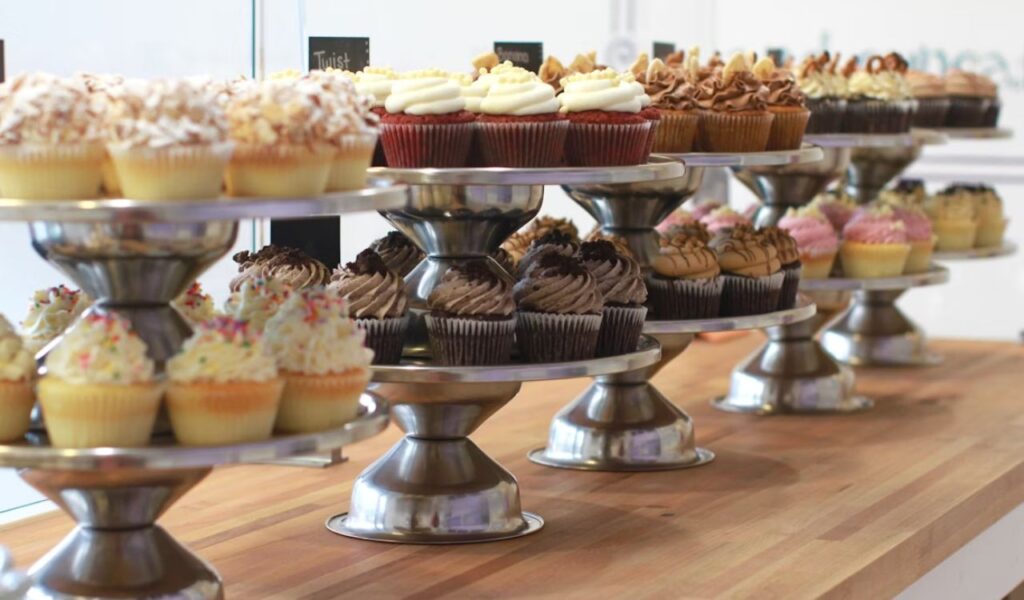
Cupcakes once felt like a small luxury that was easy to enjoy. With creative flavors and decorative frosting, they turned a simple dessert into a personalized treat. Shops dedicated entirely to cupcakes began appearing everywhere.
The rapid expansion created intense competition. Many stores offered similar products, making it difficult to stand out. At the same time, customers began questioning the value of paying premium prices for single-serving desserts.
As demand slowed, closures followed. Only businesses that adapted with broader menus or stronger branding managed to survive. The cupcake boom showed how quickly a niche idea can become oversaturated.
6. Bacon Everything

Bacon moved far beyond breakfast and entered nearly every category of food. From sweets to beverages, its smoky flavor was used in unexpected ways. The contrast between salty and sweet attracted adventurous eaters.
At first, the novelty worked in its favor. People were drawn to unusual combinations that felt bold and different. Restaurants used bacon as a way to stand out and create buzz around their menus.
Eventually, the overuse became obvious. Instead of enhancing dishes, bacon often felt unnecessary or overpowering. As tastes shifted back toward balance, the trend faded, leaving bacon to return to more traditional uses.
7. DIY Meal Kits (Early Boom Phase)
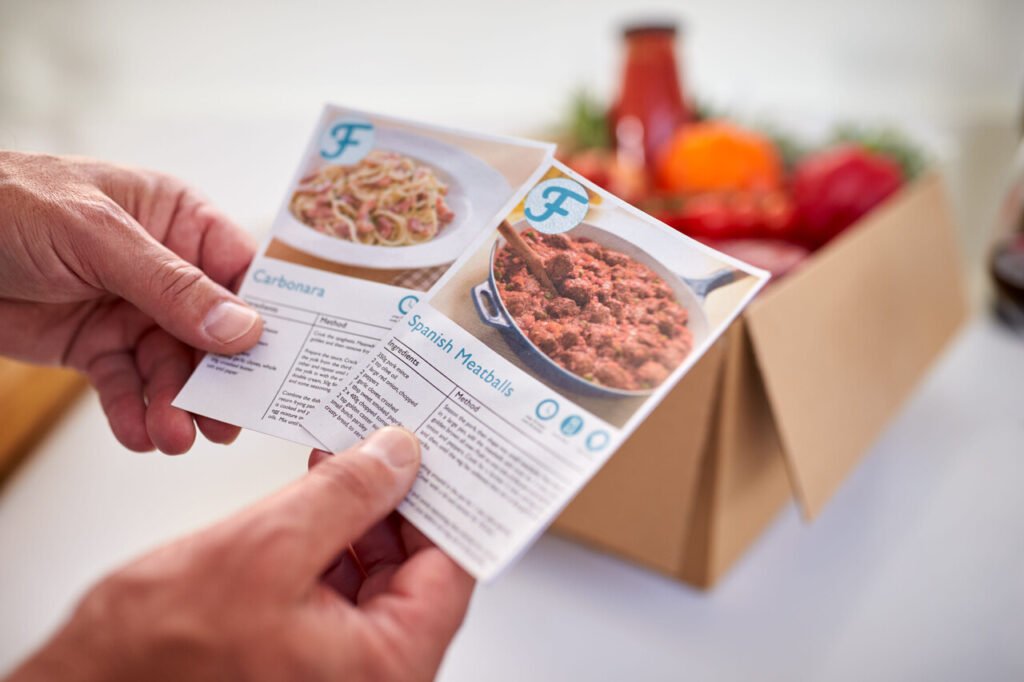
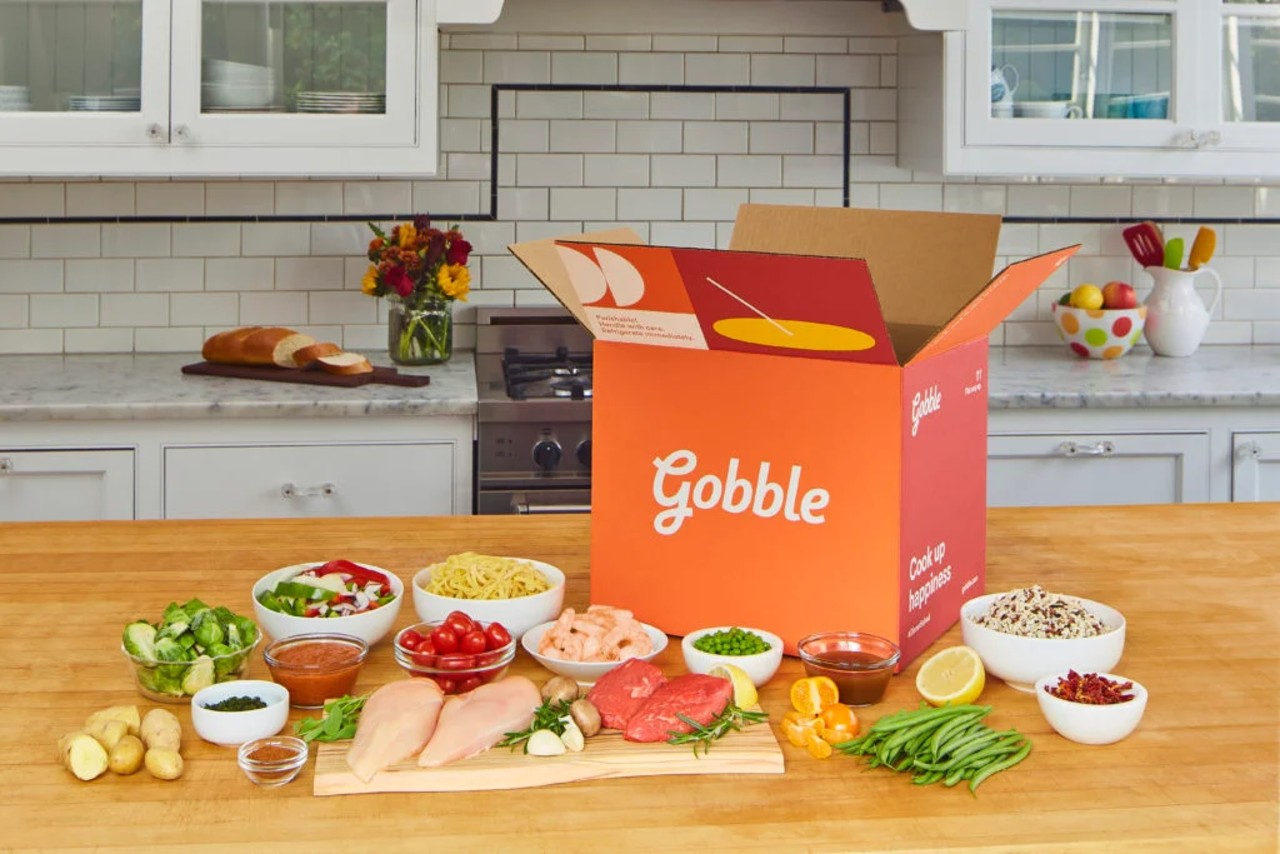
Meal kits promised to simplify home cooking by delivering pre-measured ingredients and step-by-step recipes. For busy households, the concept felt like a practical solution that combined convenience with quality.
However, the early surge brought challenges. High subscription costs and significant packaging waste became common concerns. While the ingredients were prepared, cooking still required time and effort, which some users found inconvenient.
As competition increased, many companies struggled to retain customers. Only a few brands refined their services and survived. The initial excitement settled into a more realistic and smaller market.
8. Gourmet Toast
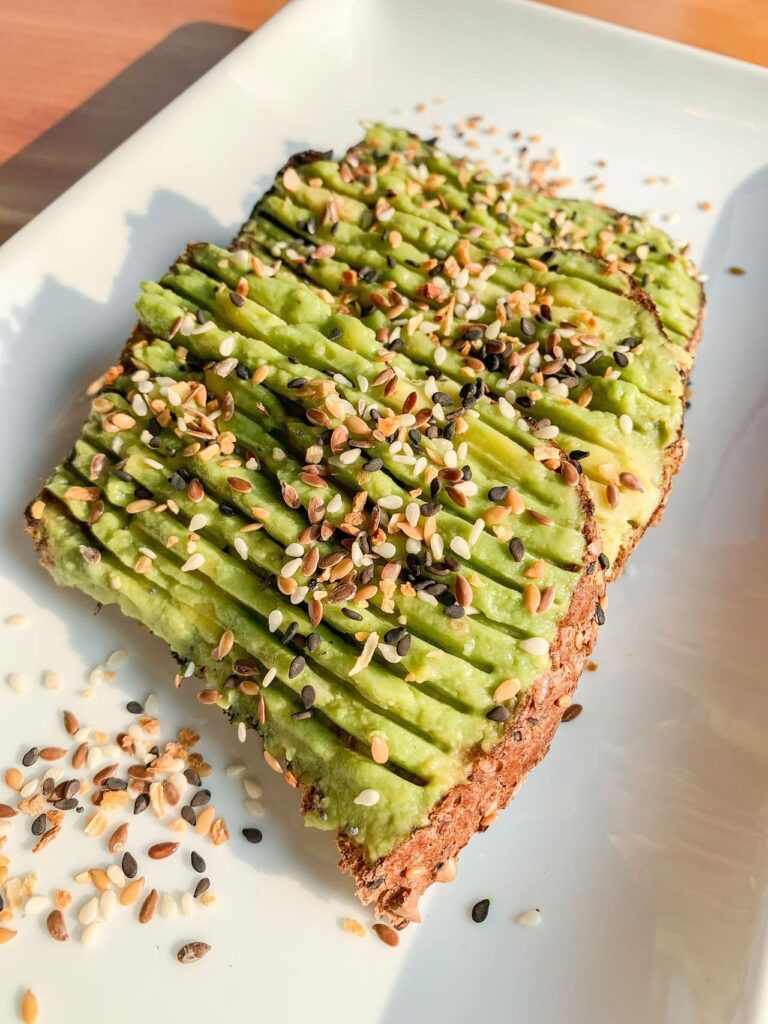
What was once a basic breakfast item was reimagined as a premium offering. Topped with avocado, seeds, and artisanal ingredients, toast became a symbol of modern café culture. Its simplicity made it easy to customize and market.
The pricing, however, raised questions. Customers began to notice the gap between the cost and the actual ingredients used. For many, it felt like paying a high price for something easily made at home.
As awareness grew, the novelty wore off. While still present in cafés, gourmet toast no longer holds the same cultural spotlight. It remains an option, but not a defining trend.
9. Frozen Yogurt Chains
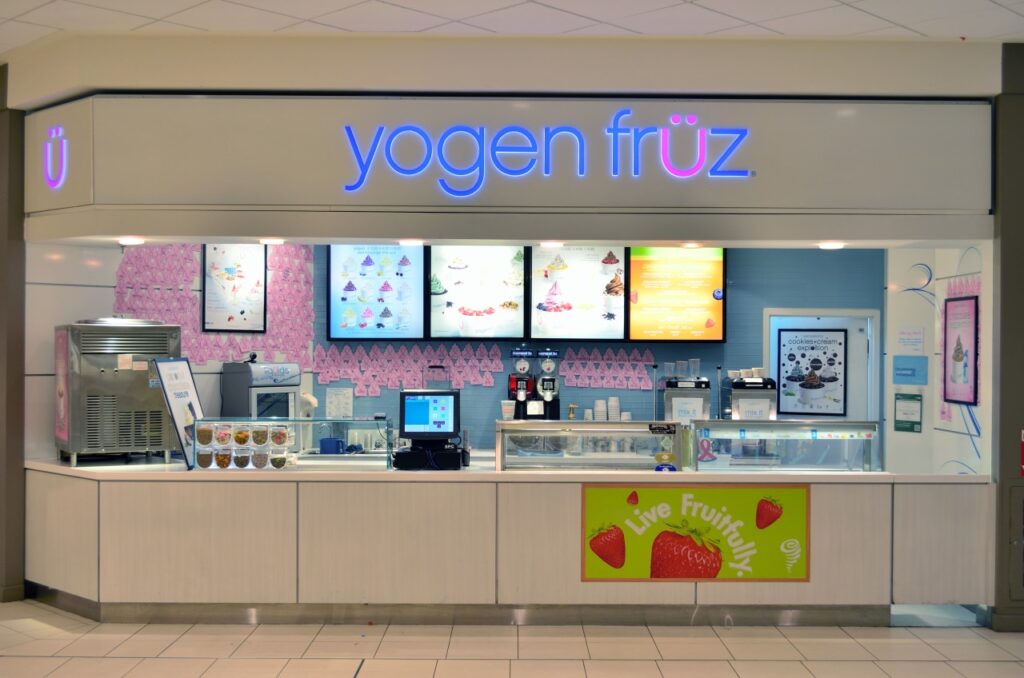
Frozen yogurt shops gained popularity by offering a self-serve experience with endless topping choices. The ability to customize each cup made it appealing to a wide audience. It was also marketed as a lighter alternative to ice cream.
Despite the health-focused image, many options contained high levels of sugar. As consumers became more informed, the perception of frozen yogurt began to shift. It was no longer seen as a significantly healthier choice.
The market also became crowded, leading to strong competition. As interest declined, many stores closed. What once felt like a fresh concept eventually settled into a much smaller presence.