8 Restaurant Dishes Chefs Say Diners Should Stop Ordering

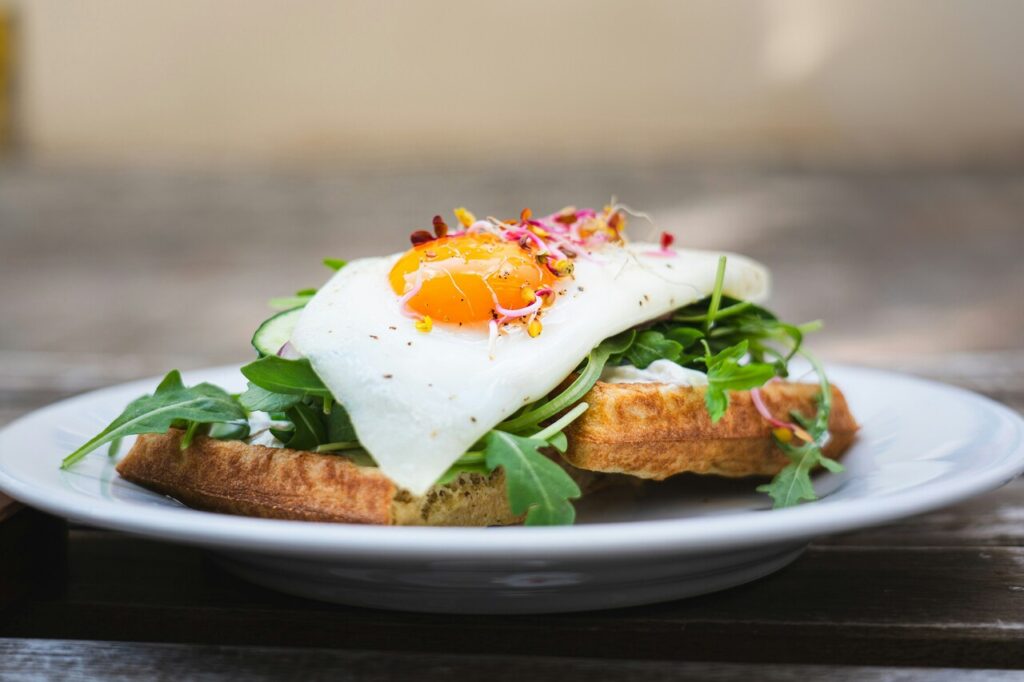
Restaurant menus are designed to tempt you with familiar favorites and indulgent combinations. Yet behind the scenes, many chefs quietly admit that certain dishes are not the best choices for diners. The reasons vary from questionable freshness and difficult preparation to poor value for money. Some items rely on frozen ingredients or shortcuts that affect flavor and texture, while others are simply overpriced for what they offer. Knowing which dishes often fall short can help diners make smarter choices and enjoy meals that truly deliver on taste and quality.
1. Seafood
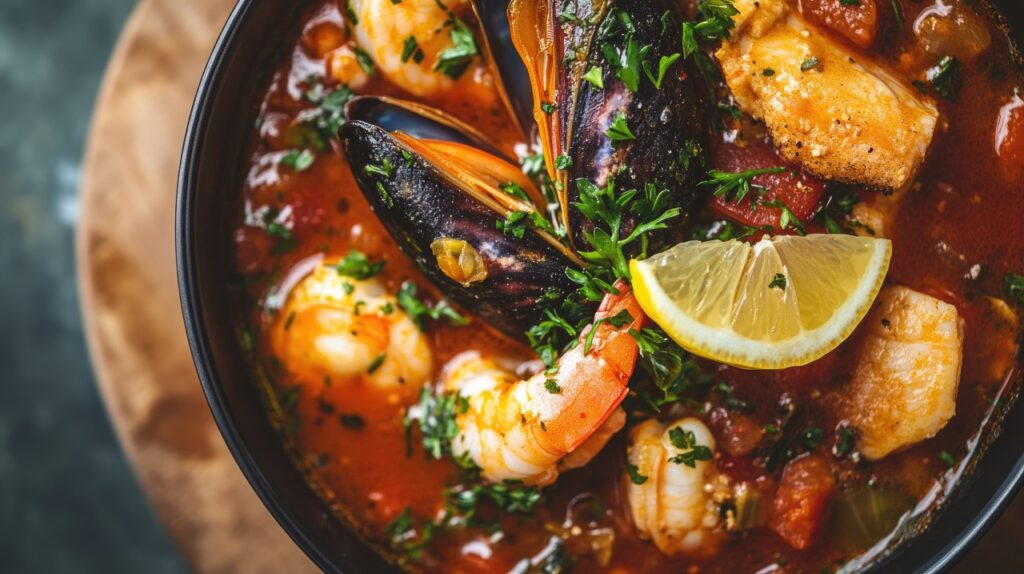
Ordering seafood in a place that sits far from any coastline can be a gamble, even if the menu makes the dish sound irresistible. Fresh seafood has a very short shelf life. Once fish is caught, the clock starts ticking, and restaurants far from fishing regions often rely on frozen shipments or long supply chains to keep seafood available year-round.
The issue begins when seafood goes through repeated thawing, storage, and transportation stages before reaching the kitchen, which can affect texture and flavor.
Many diners assume seafood on the menu arrived recently, but it may have been frozen for weeks or months. Unless a restaurant highlights fresh deliveries or local catches, chefs often recommend choosing dishes that are easier to source fresh.
2. Pasta
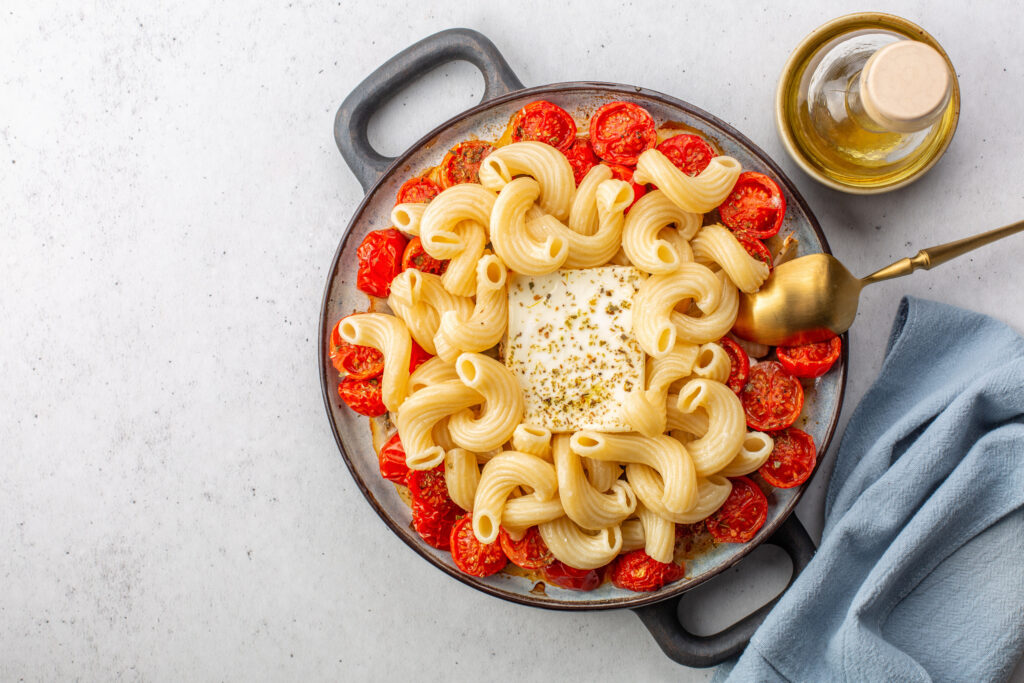
Pasta is one of the most comforting dishes on any menu, which is why it appears in many types of restaurants. Chefs often point out that pasta in diners or generic eateries rarely highlights what makes pasta truly special. In many cases, the dish relies on pre-cooked noodles and store-bought sauces.
Pasta itself is inexpensive, yet diners often pay restaurant prices for dishes that require minimal preparation. When sauces come from jars and noodles are reheated instead of cooked to order, the result can feel disappointing.
Technique also plays a role. Diners who manage large menus may not focus on these details, which can lead to overcooked noodles or heavy sauces.
3. Soup
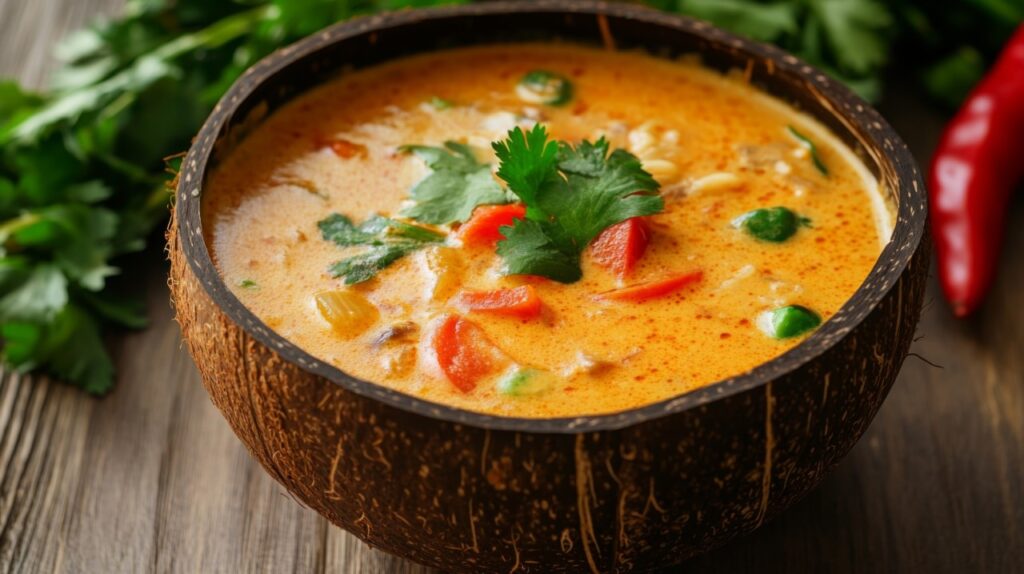
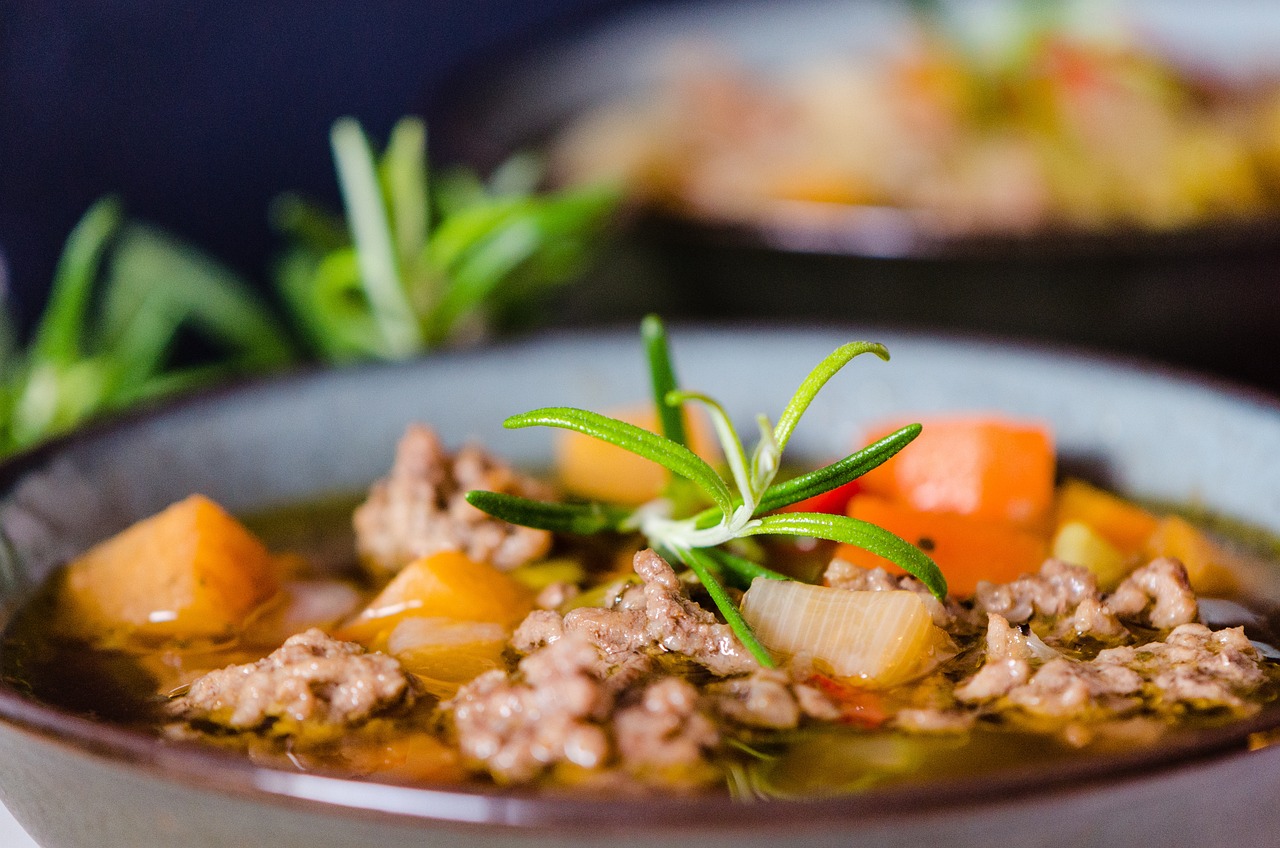
Soup sounds like one of the safest items to order in a diner because it feels simple and comforting. Yet chefs frequently mention that soups can be inconsistent in casual restaurants. Many establishments rely on canned soups or pre-made bases that are reheated throughout the day.
Large batches are usually prepared early in the morning or even the day before. While this helps kitchens keep up with busy service periods, it also means the soup can sit for long periods before being served. Reheating can gradually affect both flavor and texture.
Ingredient quality also matters. A good soup builds flavor slowly with fresh vegetables, herbs, and simmered stock. When prepared mixes replace these steps, the soup can taste flat or overly salty.
4. Salad
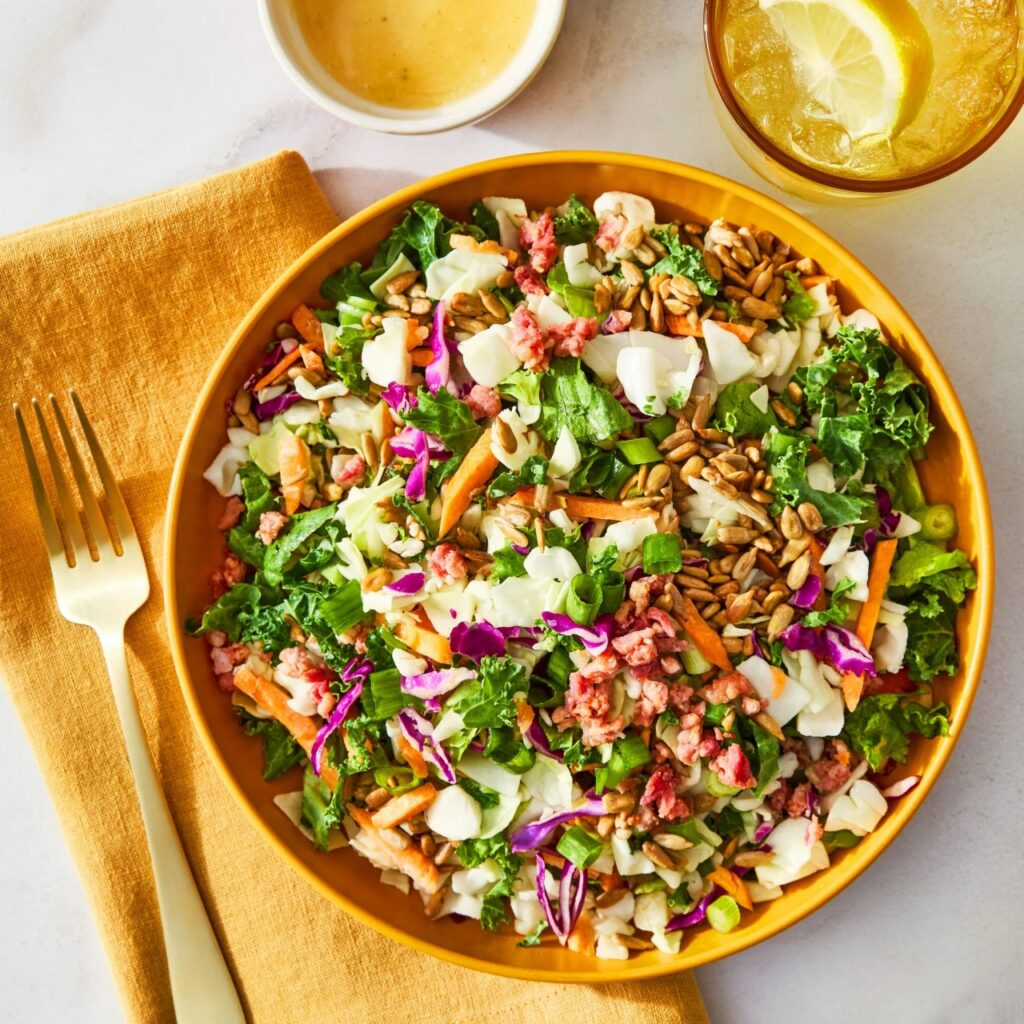
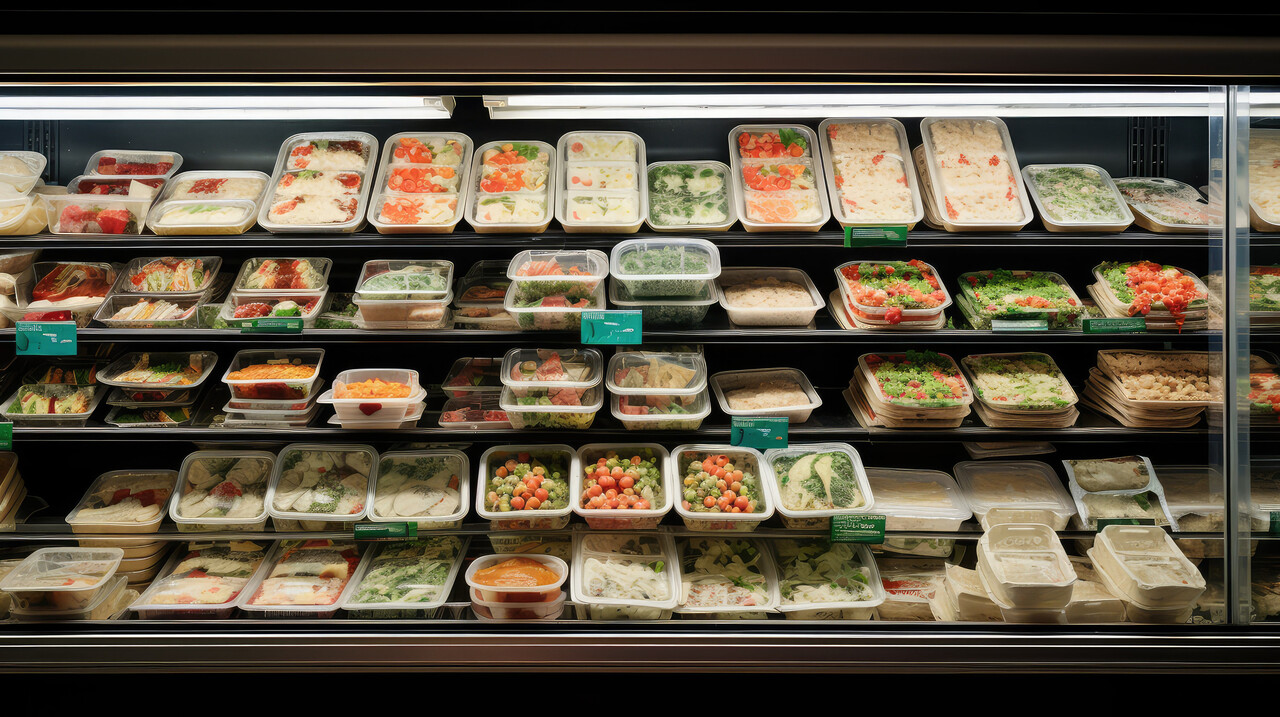
Salads are often chosen as the lighter option on a menu, but in diners, they can be unpredictable. Many restaurants rely on pre-cut vegetables that arrive packaged and ready to serve. While this saves time in busy kitchens, it can reduce freshness if the ingredients have been stored for several days.
Leafy greens are delicate and lose their crisp texture quickly after being cut and washed. If storage conditions are not ideal, the vegetables may begin to wilt. This is one reason chefs sometimes hesitate when it comes to diner salads.
What begins as a bowl of vegetables may include heavy dressings, cheese, or fried toppings. These additions can turn a simple salad into a surprisingly high-calorie meal.
5. Eggs Benedict
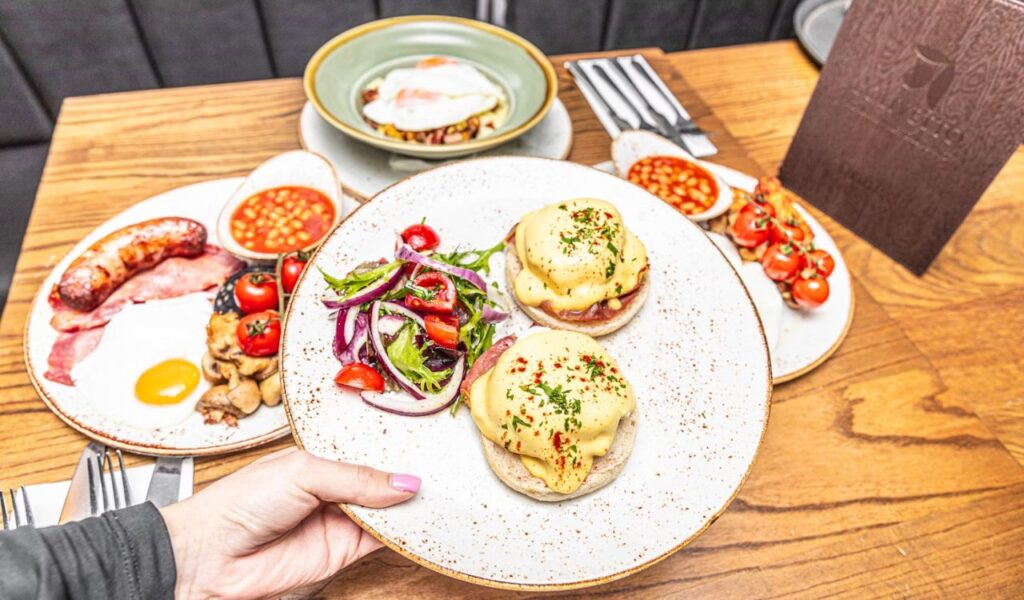
Eggs Benedict is a popular brunch dish that combines poached eggs, toasted English muffins, and hollandaise sauce. Despite its popularity, chefs often say it is one of the more technically demanding dishes on a diner’s menu. Each element requires careful timing and temperature control.
Poached eggs must cook gently so the whites set while the yolk stays soft. At the same time, the hollandaise sauce must be prepared by emulsifying egg yolks, butter, and lemon juice. If handled poorly, the sauce can separate or become too thick.
Busy diners may struggle to maintain this precision during peak brunch hours. Some kitchens prepare hollandaise ahead of time and keep it warm, which can affect both texture and safety if not handled properly.
6. Surf and Turf

Surf and turf sounds like a luxurious combination because it pairs steak with seafood. In high-end restaurants, the dish can be impressive, but chefs often question it when it appears on lower-priced diner menus. The cost of quality steak and seafood makes it difficult to offer at a low price without compromises.
When the price seems unusually affordable, the kitchen may be using lower-grade cuts of meat or frozen seafood. These substitutions can reduce the flavor and texture diners expect from the dish.
Preparation also requires careful timing since steak and seafood cook differently. In fast-paced diner kitchens, the focus is speed, which can lead to overcooked steak or seafood that lacks freshness.
7. Shrimp Alfredo
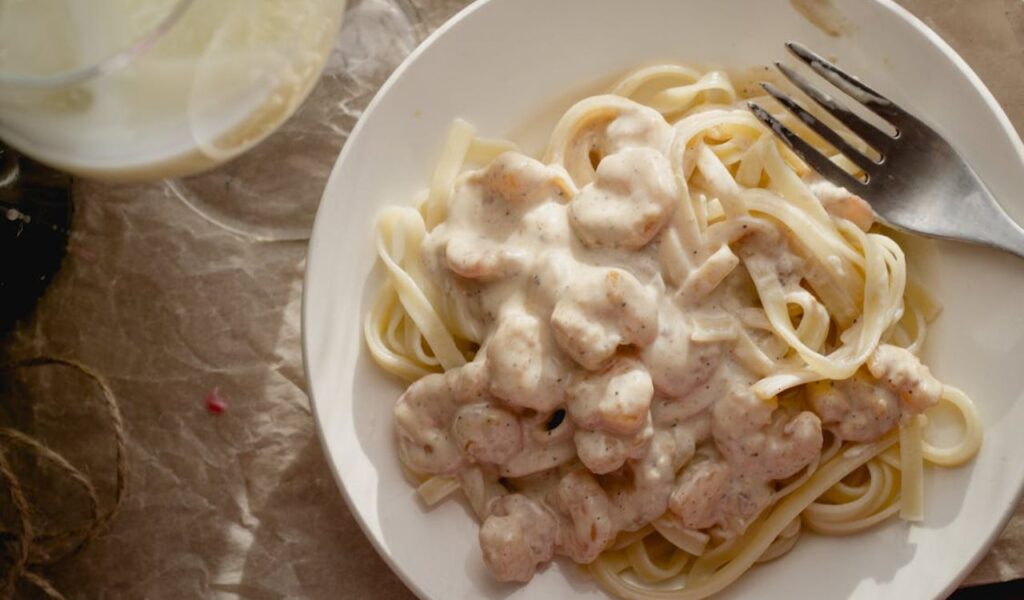
Shrimp Alfredo is a rich pasta dish that appears on many restaurant menus. The creamy sauce and shrimp make it appealing to diners looking for something indulgent. Chefs often caution against ordering it in restaurants that are located far from reliable seafood suppliers.
Shrimp can spoil quickly if not handled properly. Coastal restaurants usually receive frequent deliveries, while inland establishments depend on frozen shipments that travel long distances before reaching the kitchen.
The Alfredo sauce can also mask seafood quality. Its rich mixture of cream and cheese can hide subtle differences in freshness, which makes the dish easier for restaurants to serve even when the shrimp is not top grade.
8. Steak
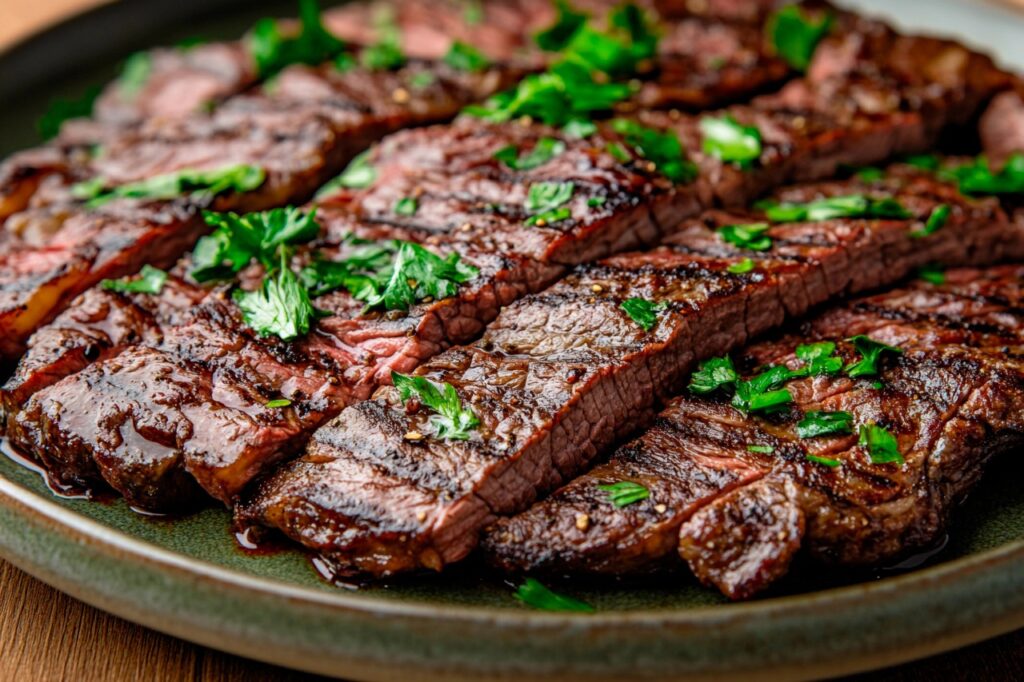
Steak is often seen as a hearty and satisfying restaurant meal, yet chefs sometimes question ordering it in diners. Cooking a good steak requires both high-quality meat and careful control of heat. Many diners focus on speed and consistency rather than precision.
The quality of the beef also plays an important role. Premium steakhouses usually select well-marbled cuts that are aged to improve tenderness and flavor. Diners may rely on more affordable cuts that lack the same richness.
Cooking technique matters just as much. A proper steak needs high heat to create a crust while keeping the inside juicy. In busy kitchens, steaks may be rushed from grill to plate, which can lead to uneven cooking and lost moisture.