9 Grocery Store Tricks That Quietly Push Americans to Spend More on Food

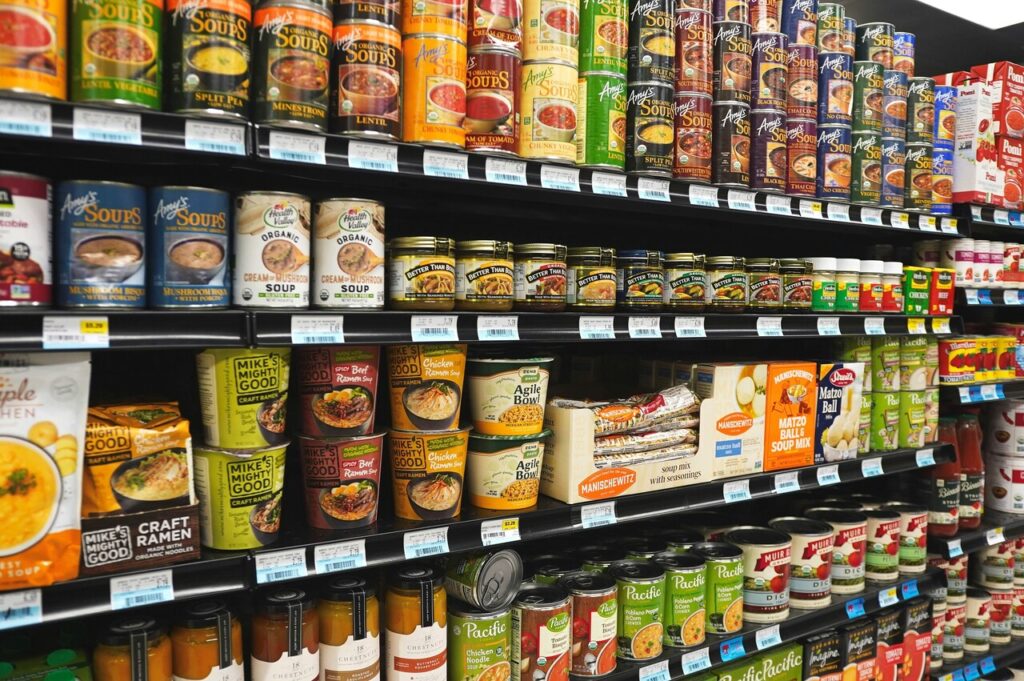
A trip to the grocery store may seem straightforward, but many retailers carefully design the shopping experience to influence how customers spend. From shelf placement and store layouts to enticing smells and checkout displays, every detail can play a role in guiding purchasing decisions. These strategies are not always obvious to shoppers, yet they are widely used across the industry to increase sales. Understanding how these tactics work can help consumers shop more thoughtfully, avoid impulse purchases, and stay closer to their intended grocery budget.
1. Eye Level Shelf Placement
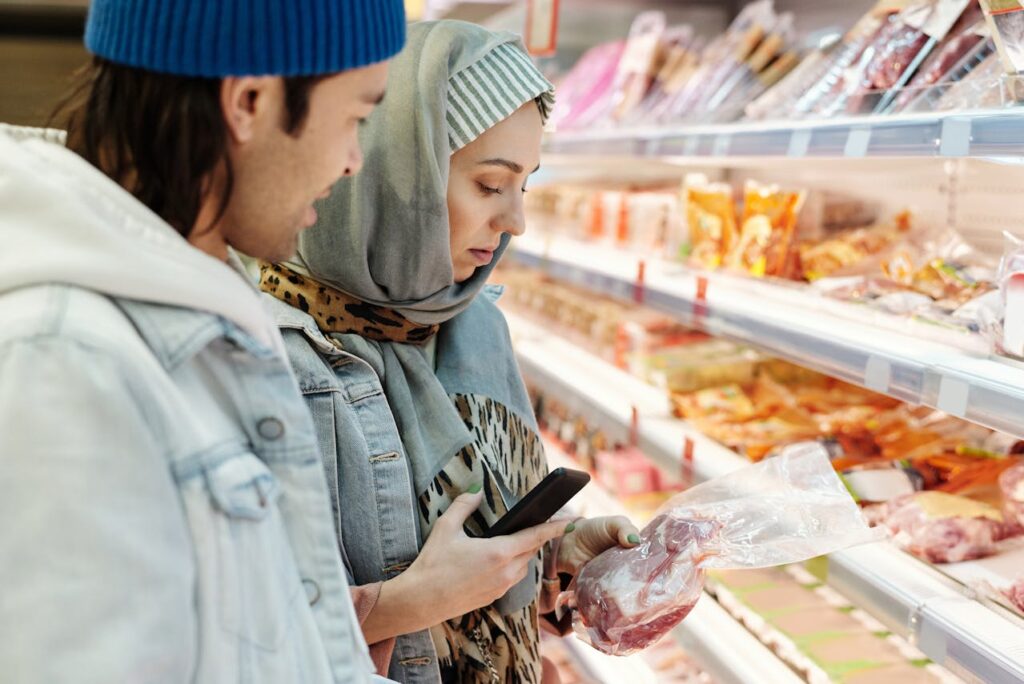
The spot directly in front of your eyes on a grocery shelf is one of the most valuable pieces of retail space in the entire store. Grocery chains know that most shoppers naturally scan shelves at eye level first. Because of this habit, brands compete aggressively to secure those positions for their products.
Manufacturers often pay significant fees called slotting allowances to place their products in these prime areas. As a result, items positioned at eye level are frequently higher-priced or more profitable for the retailer.
This strategy works because many shoppers prefer convenience over comparison. Taking a moment to check the shelves above and below eye level can reveal cheaper options that are nearly identical in quality.
2. Rearranging Store Layouts
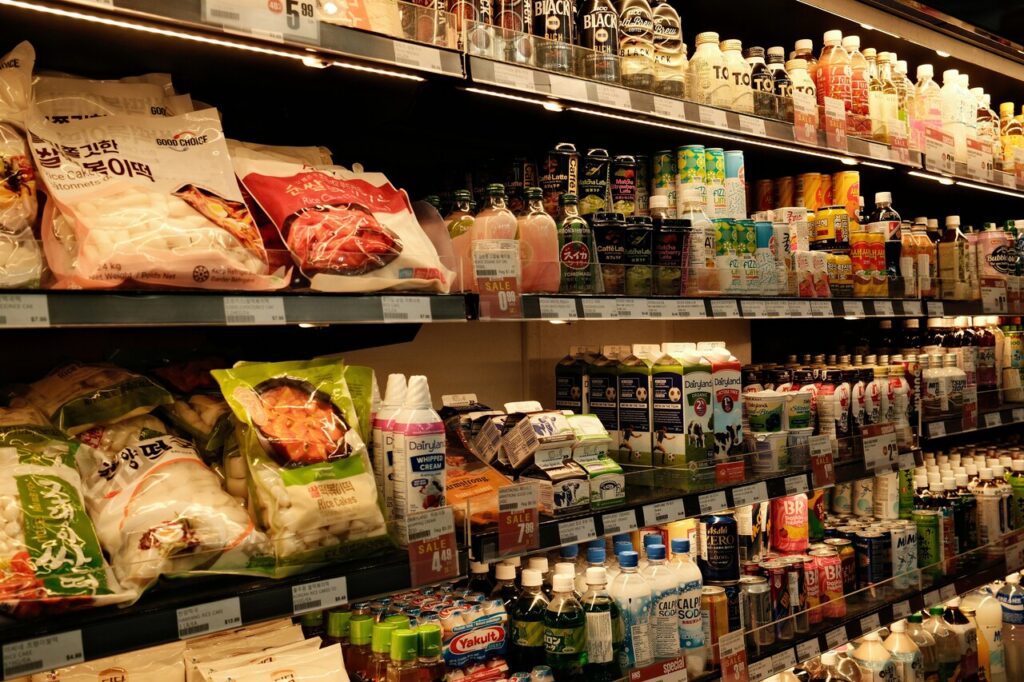
If you ever feel like your favorite grocery store keeps moving things around, that feeling is not accidental. Many retailers intentionally change their store layouts from time to time. The goal is to disrupt the familiar routes shoppers develop during regular visits.
When products are relocated, customers must spend more time walking through aisles searching for the items they need. The longer a person stays in the store, the greater the chances of unplanned purchases.
Retail studies have consistently shown that increased browsing time leads to higher spending. Shoppers may notice new brands, promotional displays, or seasonal items while looking for their usual products. Even small impulse purchases made during this extra time can quickly add to the final bill.
3. Essentials at the Back
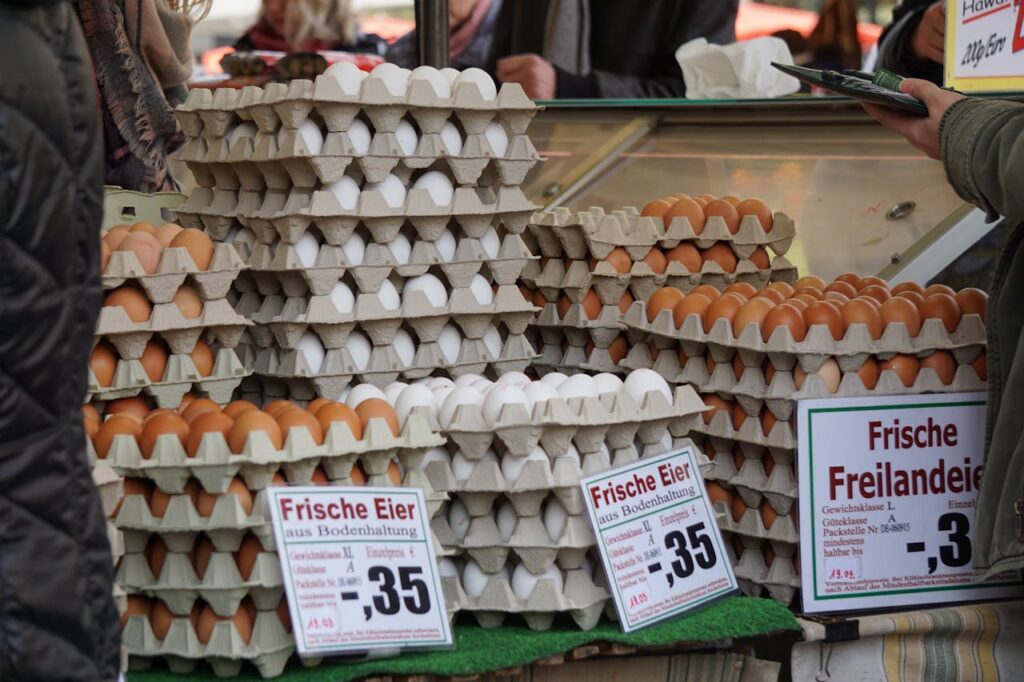
Staple items like milk, eggs, and bread are among the most frequently purchased groceries. Because stores know that many customers enter specifically to buy these basics, they often place them at the far end of the store. This placement is carefully designed rather than random.
To reach these essential products, shoppers must walk past several aisles filled with packaged foods, snacks, and promotional displays. Bright packaging and discount signs can easily attract attention along the way.
Even disciplined shoppers may end up picking up an extra item or two before reaching the back of the store. By the time they grab their milk or eggs, the cart may already contain several impulse purchases that seemed tempting during the walk through the aisles.
4. Oversized Shopping Carts
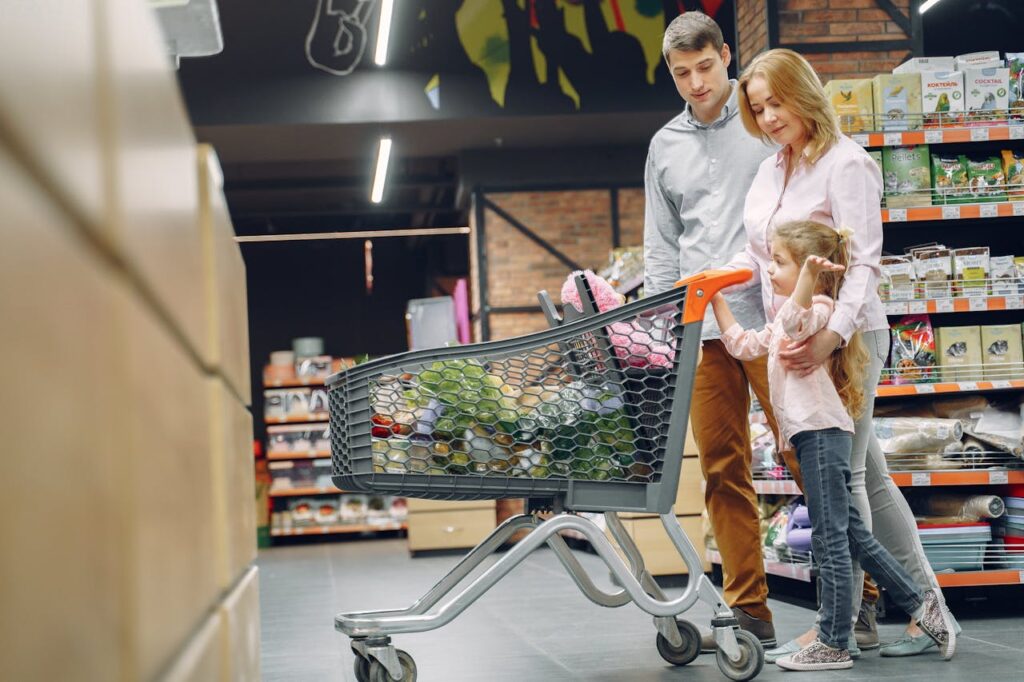
Shopping carts today are much larger than they were several decades ago. The increase in size was not simply about convenience. Retailers discovered that the physical space inside a cart can influence how much customers buy during a trip.
A large empty cart creates a psychological effect that encourages people to keep adding items. When the cart looks mostly empty, shoppers often feel they have room for more products. Smaller carts tend to fill quickly, which naturally signals that it might be time to stop shopping.
Research in consumer behavior has shown that larger carts can lead to noticeably higher spending. Over time, this simple design change quietly increases the total amount customers spend on groceries.
5. Product Pairing Displays
Grocery stores often place certain products next to each other because they are commonly used together. These arrangements are known as product pairing displays.
The idea is to trigger meal ideas in the shopper’s mind. Someone who planned to buy only pasta might see the nearby sauce and decide to add it to the cart as well. The display makes the purchase feel convenient rather than impulsive.
Retailers use this technique throughout the store. Baking aisles may group flour, sugar, and chocolate chips, while grilling sections place sauces near meat. By presenting related items side by side, stores gently encourage customers to buy more than they originally intended.
6. Free Samples
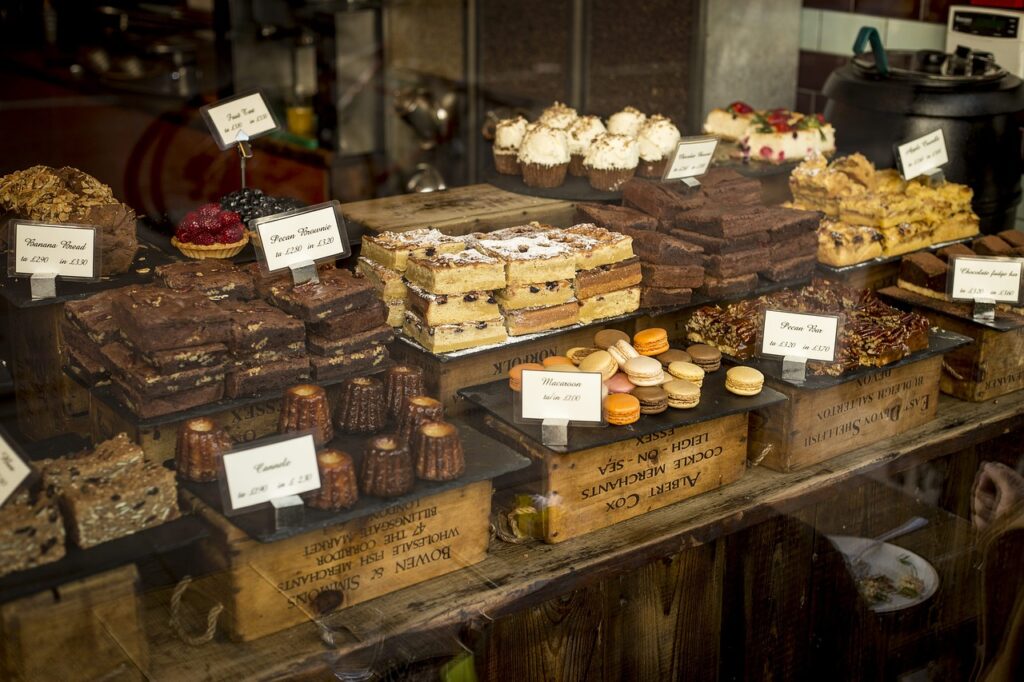
Free samples are one of the most enjoyable parts of visiting certain grocery stores. Tasting a new snack or freshly prepared food can make the shopping experience feel welcoming and interactive. However, these small bites also serve a powerful marketing purpose.
When shoppers taste a product and enjoy it, they immediately become more familiar with the brand. This familiarity increases the likelihood of a purchase because the product no longer feels unknown.
There is also a psychological element involved. Many people feel a subtle sense of reciprocity after receiving something for free. Even though the sample is small, shoppers may feel inclined to buy the product as a way of responding positively to the experience.
7. Checkout Displays
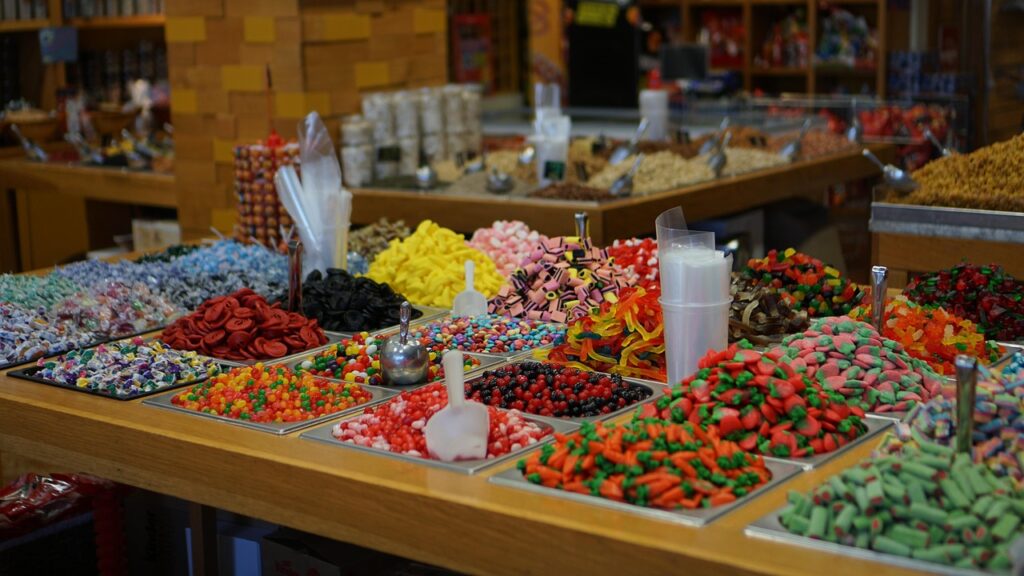
The checkout area is one of the most carefully designed parts of a grocery store. By the time shoppers reach the register, they have already spent time browsing and filling their carts. At this moment, they are also standing still, often waiting in line.
To take advantage of this pause, stores place small and tempting products near the checkout counters. These items are usually inexpensive, which makes them feel like harmless additions.
Because the purchase decision requires very little thought, many shoppers grab something while waiting to pay. These last-minute additions can seem insignificant individually. Yet across thousands of daily transactions, checkout impulse purchases generate substantial revenue for retailers.
8. Limited Time Promotions
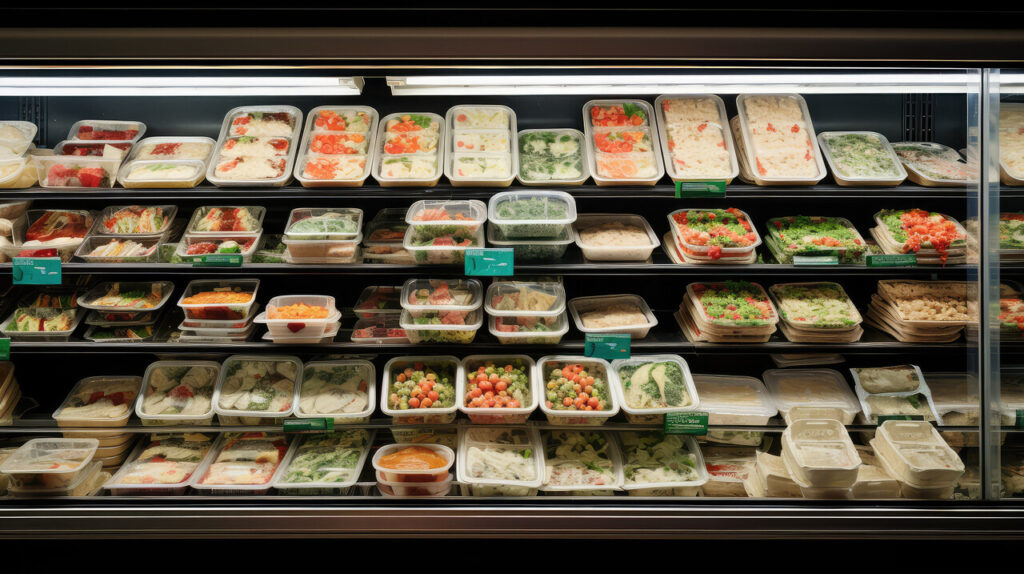
Signs that advertise limited-time offers are designed to create a sense of urgency. Phrases like “today only” or “limited time deal” encourage shoppers to act quickly. The fear of missing out can push people to buy items they did not originally plan to purchase.
Retailers rely on this psychological response because it shortens the decision-making process. When customers believe a deal might disappear soon, they are less likely to compare prices or reconsider whether they actually need the product.
These promotions are especially effective when placed on popular items. Shoppers may justify the purchase by thinking they are saving money. In reality, the promotion often encourages them to spend more overall by adding an extra product to the cart.
9. Store Scents

One of the first things many shoppers notice when entering a grocery store is the smell of fresh bread or baked goods. These pleasant aromas are not always accidental. Stores often place bakeries or prepared food sections near the entrance to create a welcoming sensory experience.
Smells related to warm food can stimulate appetite and influence purchasing behavior. This reaction can lead to unplanned purchases.
The effect works because scent is closely connected to memory and emotion. A familiar smell of bread or roasted food can create a comforting atmosphere that encourages people to stay longer in the store. The longer they remain inside, the more likely they are to add extra items to their cart.