10 Restaurant Portion Charges That Surprise Diners

Dining out is meant to feel effortless. You scan the menu, place your order, and expect the total to match what you saw in print. Yet more diners are noticing small, unexpected charges quietly appearing on their bills.
From sharing fees to sauce add-ons, these portion-related costs often stem from rising food prices, labor shortages, and tighter profit margins. Restaurants are adjusting in subtle ways, and not every adjustment is clearly explained upfront.
Understanding these charges does not take away the pleasure of eating out. It simply helps you order smarter, avoid surprises, and recognize how modern restaurant economics shape the final number at the bottom of the receipt.
1. Extra Plate Sharing Fees

It often starts with a polite request: “Could we get an extra plate?” What feels minor can quietly increase your total.
Many full-service restaurants add sharing fees when two guests split one entrée. Providing extra plates, utensils, and sometimes re-plating the dish in the kitchen increases labor and dishwashing demands. In some establishments, the entrée is divided evenly and presented as two finished plates, which takes additional time.
From a business standpoint, two diners ordering one meal lowers revenue per table while rent, staffing, and utility costs stay fixed. The sharing fee helps balance that difference, especially during peak hours when every seat counts.
2. Split Entrée Charges
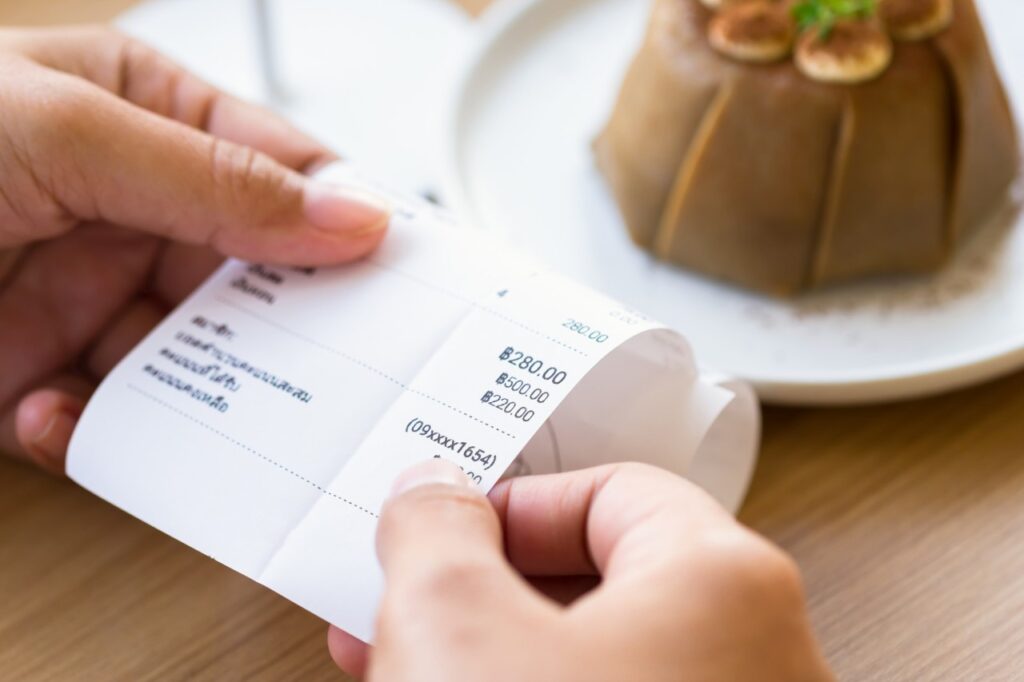
Some restaurants take sharing a step further by adding a formal split entrée charge that appears directly on the menu.
Unlike a simple extra plate fee, a split charge often includes kitchen labor. The chef portions the entrée into two balanced servings, sometimes adding extra sides or garnish to make each plate look complete. That added presentation takes time, and in restaurants with tight staffing, time equals cost.
There is also a pricing strategy behind it. Menu prices are calculated assuming one entrée per guest. When that pattern changes, profit margins shrink. The split charge helps protect margins while still allowing diners to share, which many restaurants prefer over losing the sale entirely.
3. Bread and Butter Service Fees

For decades, complimentary bread baskets were a symbol of hospitality. Today, some restaurants treat them as a billable item.
Rising ingredient costs play a major role. Quality bread, specialty butters, and olive oil are no longer inexpensive staples. In upscale dining rooms, bread may be baked in-house daily, requiring flour, yeast, staff time, and ovens running for hours. Charging a small fee helps recover those expenses.
There is also a waste factor. Bread is frequently left unfinished and discarded. By placing a price on it, restaurants reduce overordering and limit food waste. Diners may be surprised, but from a business standpoint, the shift reflects tighter food cost control.
4. Side Sauce or Dressing Charges
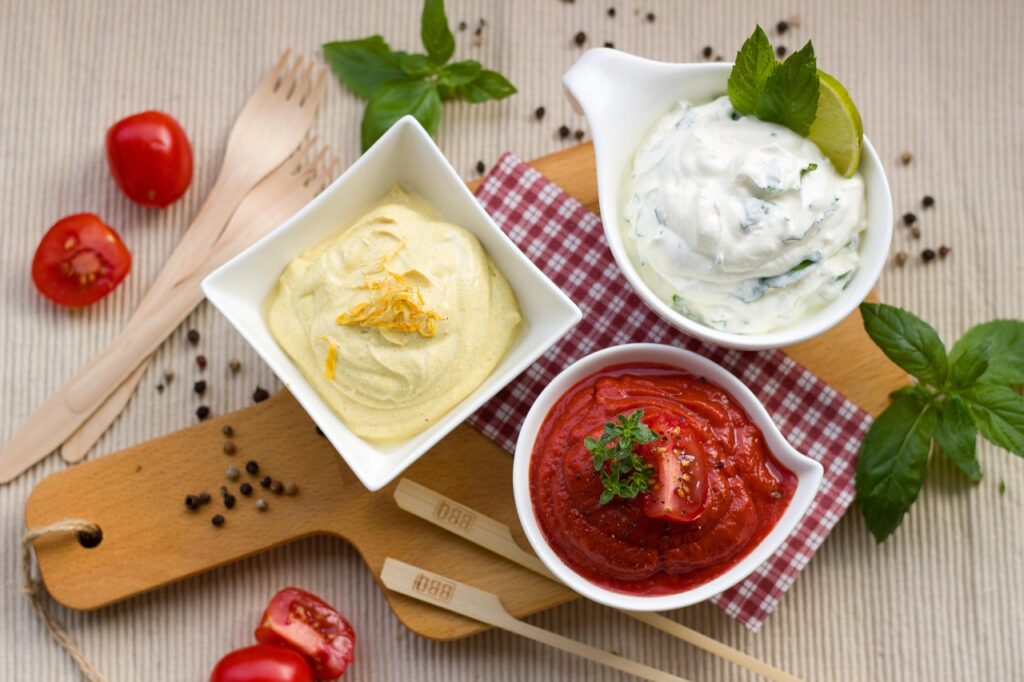
That extra ramekin of ranch or side of aioli may seem minor, yet it often carries a price.
Sauces are not just condiments. Many are house-made using fresh herbs, dairy, oils, and spices. Preparing them requires labor, refrigeration, and strict food safety handling. When guests request multiple sides beyond the standard portion, costs add up quickly.
Restaurants also portion sauces carefully to control food costs. Providing unlimited extras can distort margins, especially in high-volume establishments. Charging per additional sauce helps maintain consistency while discouraging excessive requests that increase waste and labor demands.
5. Substitution Fees for Simple Swaps
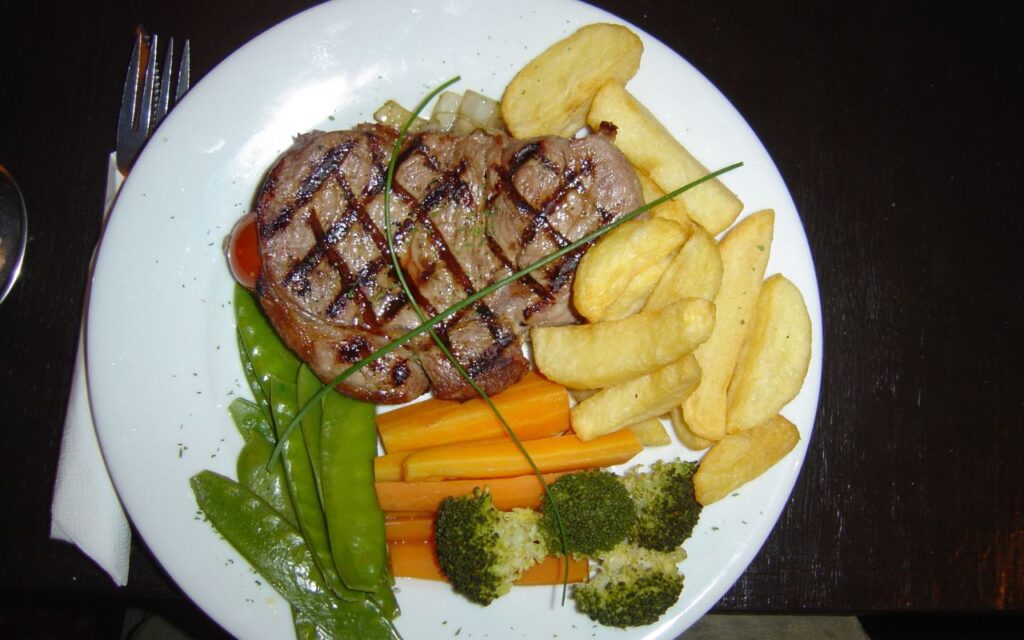
Switching fries for a salad feels like a small ask, but it can trigger a substitution charge.
Menu items are priced based on specific ingredient costs. Fries may be far cheaper than a side salad with mixed greens and specialty dressing. When guests request swaps, the restaurant absorbs the price difference unless a fee is applied. That difference may seem small individually, but it adds up across hundreds of orders daily.
There is also operational complexity. Kitchens are organized around standardized plates. Custom substitutions slow prep time and increase the chance of mistakes. A modest charge compensates for higher ingredient costs and the added strain on kitchen flow.
6. Premium Toppings Add-Ons
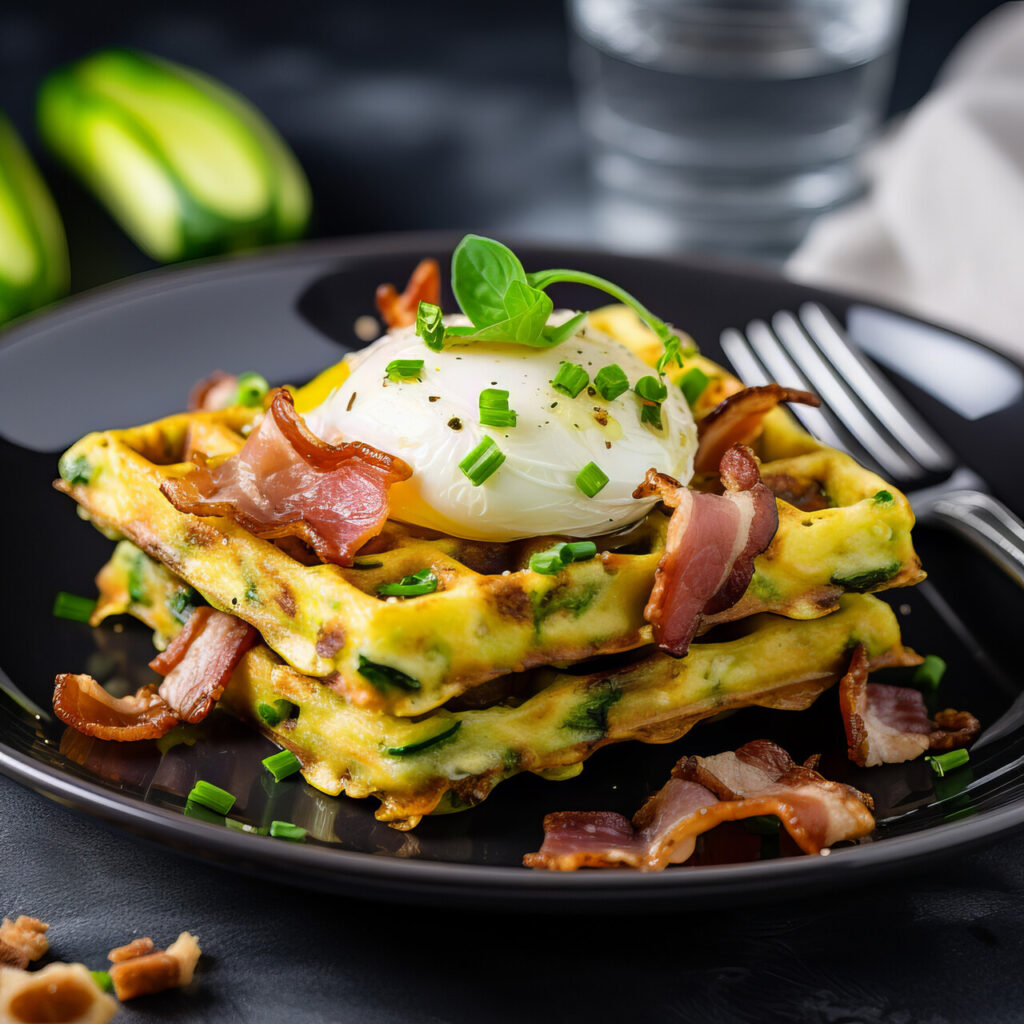
Adding avocado, bacon, or extra cheese can quickly inflate the cost of an otherwise simple dish.
Premium toppings are priced separately because they fluctuate in cost. Avocados, for example, are subject to seasonal pricing and supply chain swings. Bacon and specialty cheeses carry higher wholesale costs compared to basic ingredients. Restaurants price these add-ons to protect profit margins against market volatility.
There is also portion control to consider. Without an extra charge, guests might request double portions, increasing food costs unpredictably. Clear pricing for toppings ensures transparency and allows diners to customize while understanding exactly what they are paying for.
7. “No Ice” or Extra Beverage Charges

Ordering a drink without ice might seem like a way to get more beverage for the same price. Some restaurants have noticed.
When guests ask for no ice, they often expect the glass to be filled to the top. That increases the volume of soda, juice, or tea served per order. In high-traffic restaurants, beverage syrup and specialty drink bases represent significant ongoing expenses.
Charging for extra volume or offering smaller pours without ice helps maintain portion consistency. Restaurants design drink pricing around a standard fill level. When that balance shifts, costs rise. While it may feel surprising, the fee reflects portion control rather than punishment.
8. Refill Fees on Certain Drinks

Free refills are common in casual dining, but they are far from universal.
Specialty beverages like fresh-squeezed juice, cold brew coffee, or premium iced tea often carry refill limits. Unlike fountain soda, these drinks involve higher ingredient costs and more preparation time. Providing unlimited refills could quickly erode profits on a single table.
Some establishments clearly note refill policies on menus, especially for bottomless brunch options. When refills are limited or charged, it is usually because the drink’s production cost is significantly higher than that of standard soft drinks, making unlimited service financially unsustainable.
9. Large Party Automatic Gratuity

Large gatherings often trigger automatic service charges that can surprise unprepared diners.
When serving groups of six or more, restaurants face increased coordination, timing challenges, and higher labor demands. Multiple orders must be delivered accurately and simultaneously, often requiring extra staff attention. Automatic gratuity ensures servers are compensated fairly for the additional workload.
It also reduces the risk of inconsistent tipping from large tables. In many regions, servers rely heavily on gratuities as primary income. Adding a service charge for larger groups creates income stability while maintaining service quality during busy shifts.
10. Cake Cutting or Outside Dessert Fees
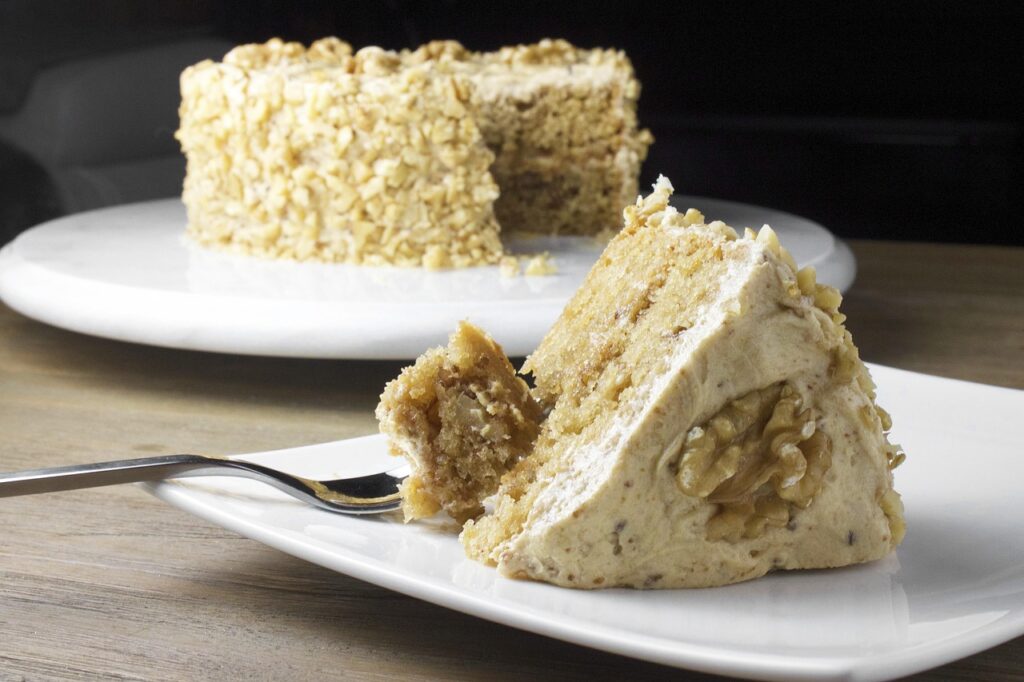
Bringing your own birthday cake may feel festive, but it often comes with a slicing fee.
Restaurants charge cake-cutting fees to cover labor, plating, utensils, and cleanup. Staff must store the dessert safely, slice it evenly, and present it attractively. That process takes time away from other service duties, especially during peak hours.
There is also a revenue consideration. Desserts typically carry strong profit margins. When guests bring outside sweets, the restaurant loses potential sales. A cake-cutting fee helps offset that lost revenue while still allowing celebrations to take place within the dining room.