Why Grocery Stores Are Locking Up Everyday Food Items

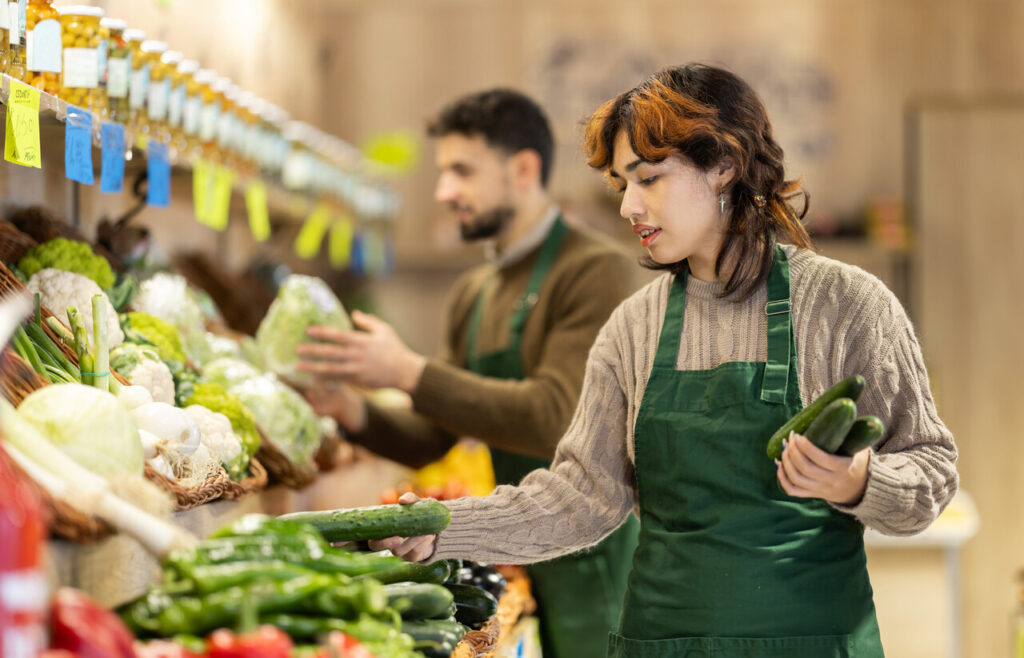
It used to be electronics and razor blades that sat behind glass. Now, in some grocery stores across the country, it’s cheese, baby formula, and even basic pantry staples. More retailers are locking up everyday food items as they respond to rising theft and mounting losses. What might look like a small change in store layout reflects a much larger shift in how supermarkets are managing security, staffing, and shrinking profit margins. For shoppers, it’s altering the rhythm of a routine task that once felt simple and seamless.
The New Reality in Grocery Stores
Walk into a grocery store today, and you might find flour, eggs, baby formula, cheese, or even bananas tucked behind glass doors or secured in locked cases. It’s a shift many shoppers hadn’t expected to see in everyday food aisles; items once freely accessible now require an employee’s assistance to retrieve. This isn’t just happening in big cities or high-crime areas; it’s being reported in suburbs and smaller towns too. What was once an unusual sight, reserved mostly for alcohol or over-the-counter medicine, has become increasingly common for basic groceries. It’s a visual reminder that retail is changing in front of our eyes, and the reasons behind it are rooted in broader economic and social pressures.
The list of food items being locked up isn’t random. Stores are prioritizing products based on how often they’re stolen, how costly they are to replace, and how easily they can be resold. In many cases, the items locked behind glass are essentials people reach for every day, staples like meat, dairy, and packaged goods that typically anchor weekly shopping trips. The transition from open shelves to secure displays creates a different atmosphere in stores. Shoppers who are used to grabbing and going now have to pause, find an associate, and wait for assistance. For many, it’s an unexpected inconvenience. But for retailers grappling with losses, these measures are increasingly part of everyday business decisions.
Rising Theft and Shrink Pressures
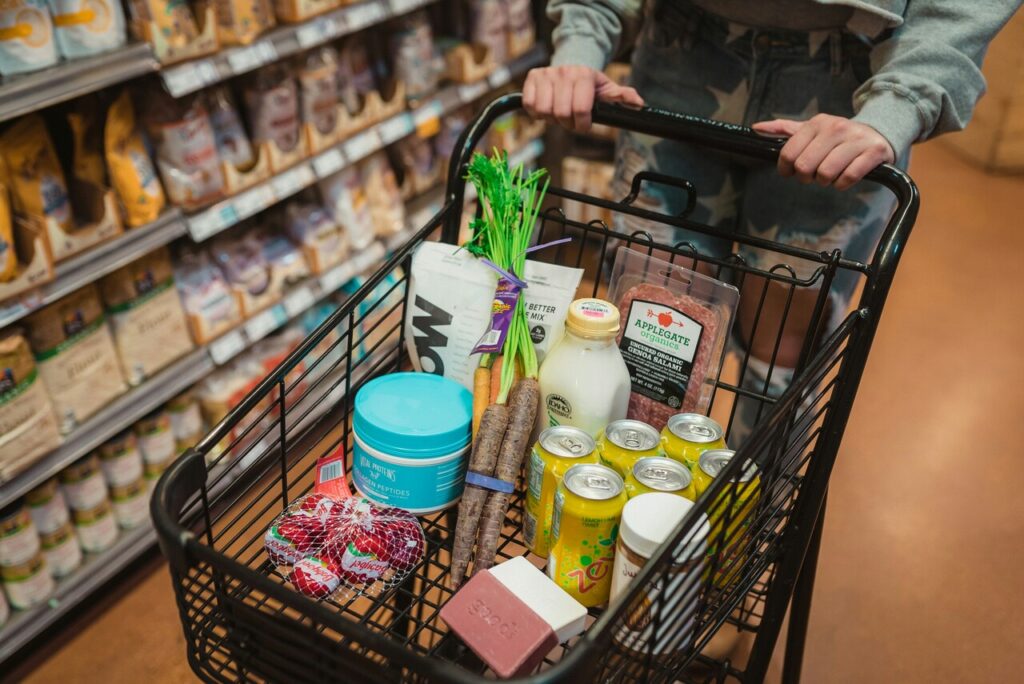
Behind every locked case is a story of loss, often literal and measured in dollars. Retailers use the term “shrink” to describe inventory that disappears between delivery and sale. Shrink encompasses theft by customers, employee theft, and administrative errors, but external theft, shoplifting, has been a key driver of recent store security changes. High rates of theft have forced supermarkets to rethink their approach to loss prevention, particularly for high-target items. When a product can be resold for cash or traded easily, it becomes a magnet for theft. Stores nationwide have reported increases in stolen goods, with some items turning up in online marketplaces or local swap groups.
Losses from theft don’t stay hidden on a ledger. They show up in a retailer’s bottom line and influence pricing, staffing, and even store layout. Every case of shoplifting, whether a loaf of bread or a package of meat, adds to cumulative losses that businesses must absorb. To combat that, some chains are investing more in surveillance, security personnel, and physical barriers like locked displays. But it’s a balancing act. Stores know that overt security measures can make customers feel unwelcome or distrusted. So they carefully choose which items to secure, often based on a combination of theft statistics and overall cost. The effect is a patchwork of locked and unlocked products that reflect a complex retail environment in transition.
Choices Behind the Security Measures
For store executives, decisions to lock up food items aren’t taken lightly. They involve careful analysis of loss data, customer behavior, and staff resources. Retailers must weigh the financial benefits of reducing theft against the potential downsides, including slower service, frustrated customers, and additional labor costs for retrieving locked items. Every time a shopper needs help opening a case or getting a product from behind a counter, it means a staff member is pulled away from another task. These incremental staffing shifts can add up, especially in stores already operating with lean crews.
Different retailers are experimenting with a variety of strategies. Some use glass cabinets with electronic locks, others place high-theft items at checkout areas staffed by associates. Technology such as RFID tags, smart shelving, and AI-powered surveillance also plays a role in identifying suspicious behavior. But there is no one-size-fits-all solution. Each store and community faces its own mix of theft patterns and customer expectations. What’s clear is that the choice to lock up everyday food items reflects a calculated effort to curb shrinkage while maintaining as inviting a shopping environment as possible. The decisions are not simply about mistrust; they are part of a broader strategy to keep prices stable and stores operational amid rising external pressures.
Consumer Frustration and Backlash

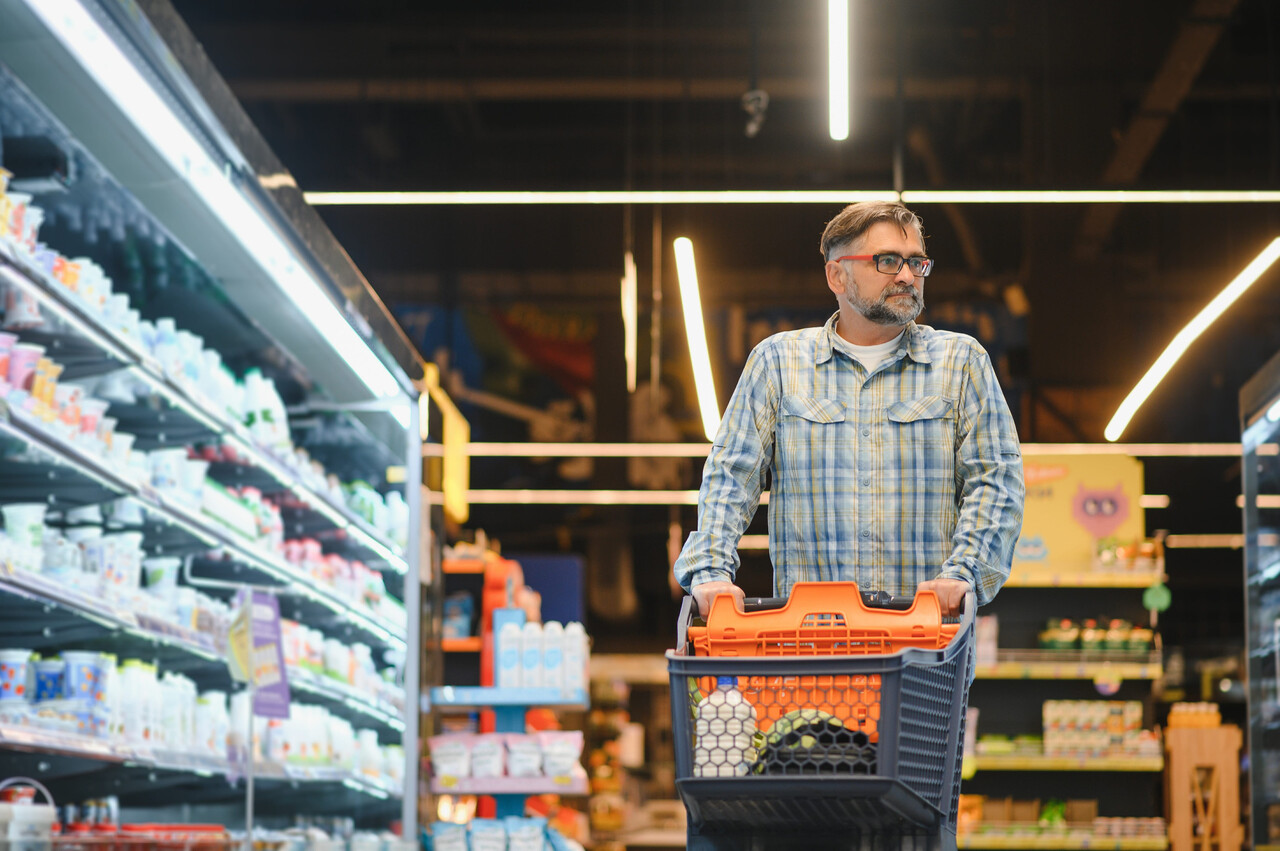
For many shoppers, the sight of eggs or milk behind a locked display is jarring. Grocery shopping is supposed to be quick and convenient, and when a customer has to stop, find an employee, and wait for a key, it disrupts that experience. Some customers express frustration that their basic purchases now require extra steps, and feel that security measures treat all shoppers as potential thieves rather than valued patrons. The emotional impact can be significant because grocery shopping happens weekly, or even daily, and convenient access to food is taken for granted until it changes.
Customers have also raised concerns about stigma. Imagine a parent with children in tow trying to retrieve baby formula from a locked cabinet. The extra attention drawn to that purchase can feel uncomfortable. When essentials become securitized, it can create a subtle sense of embarrassment or suspicion, even for honest shoppers. These feelings can erode trust between consumers and retailers, especially if customers sense that the measures are overly broad or not clearly explained. Retailers are aware of these concerns, and many are trying to balance security with customer comfort through signage, communication, and staffing adjustments. But the tension between loss prevention and customer experience remains a central challenge.
What This Means for Prices and Shopping Behavior
In the long run, rising theft and security responses can influence prices on store shelves. When stores face higher losses due to shrinkage, they often offset those costs through price adjustments, fees, or changes in product availability. Every dollar lost to theft or waste is a dollar that needs to be recovered somewhere, and consumer prices can reflect those pressures. While locking up everyday items may reduce losses on specific products, the broader cost of theft prevention, including technology and labor, can still impact overall pricing.
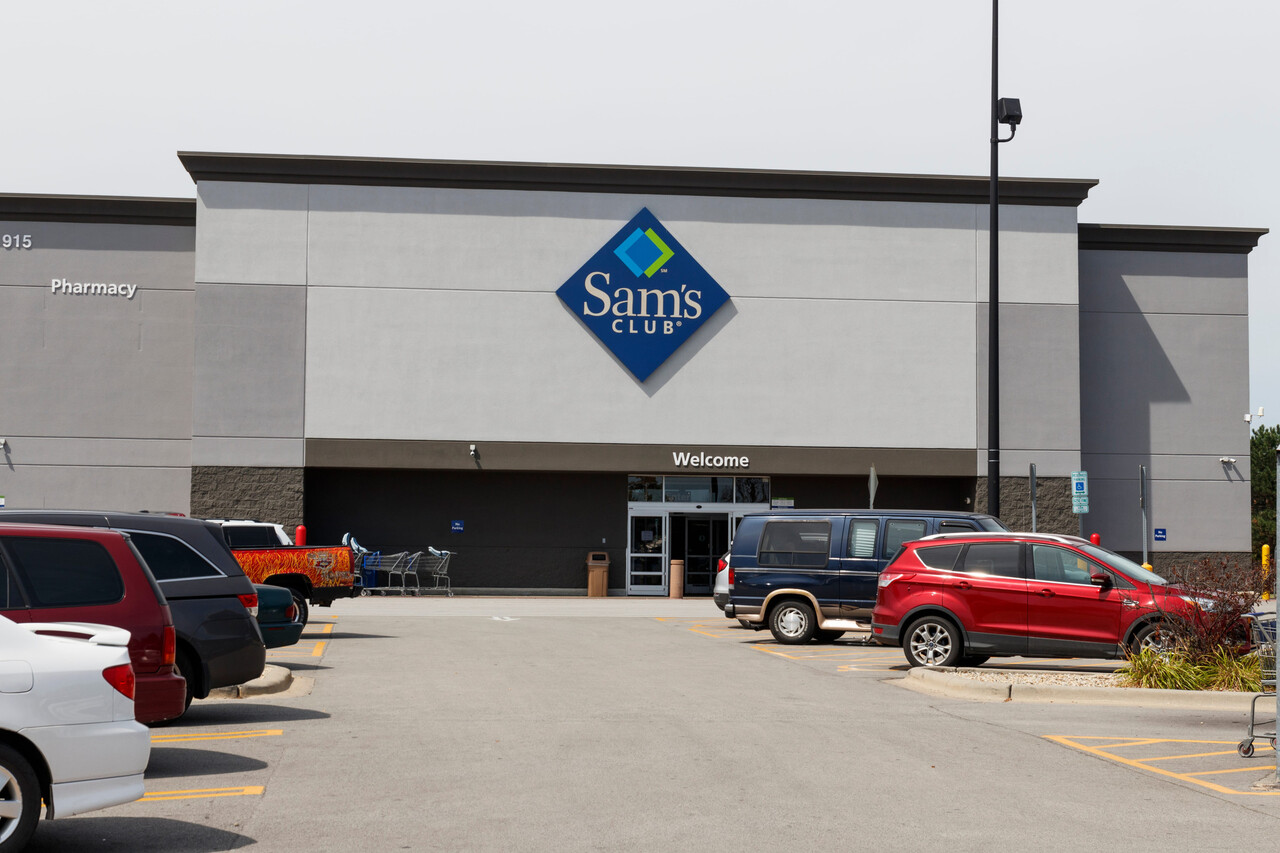
Shoppers are already adapting their behavior in subtle ways. Some plan ahead, knowing which items are likely locked and budgeting extra time for retrieval. Others change where they shop, favoring stores with fewer security measures or better service. A few consumers report buying in bulk from warehouse retailers or shifting to online grocery orders to avoid locked aisles altogether. These changes in shopping patterns reflect a broader recalibration of what convenience means in an era of rising retail security. The produce aisle, once a symbol of abundance and accessibility, is increasingly a place where economic and social forces intersect, and consumers are noticing the difference.