11 Reasons Farm to Table Menus Are Often a Lie at Chains

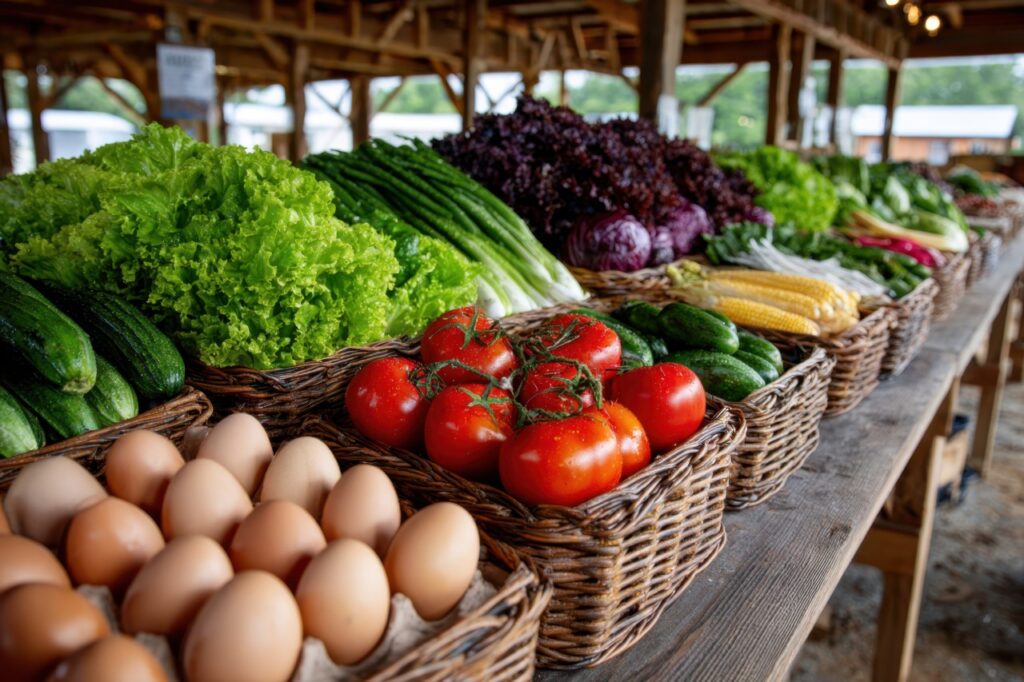
Few phrases sound as wholesome and reassuring as “farm to table.” It paints a picture of nearby fields, early morning harvests, and ingredients traveling only a short distance before reaching your plate. The wording feels honest, simple, and grounded.
But when large restaurant chains adopt the term, the reality often becomes more complex. Scaling food service across dozens or hundreds of locations requires logistics, contracts, and distribution systems that rarely mirror a direct farm relationship.
This does not mean the food is unsafe or low quality. It simply means the story behind the slogan may differ from the supply chain behind the scenes.
1. The Phrase Sounds Precise but Lacks Regulation
“Farm to table” feels specific, almost contractual. It suggests ingredients moving directly from a nearby field to your plate with minimal stops in between. The wording implies traceability and closeness to growers.
In reality, the term is not strictly regulated in many regions. Unlike labels such as organic, it does not require certification, third-party verification, or defined sourcing distances. Restaurants can use it broadly in menus and advertising.
For large chains, that flexibility becomes useful. The phrase can describe general sourcing philosophy rather than literal farm-direct delivery. Without enforceable standards, the claim often reflects marketing language more than documented supply chain structure.
2. Centralized Distribution Prioritizes Consistency
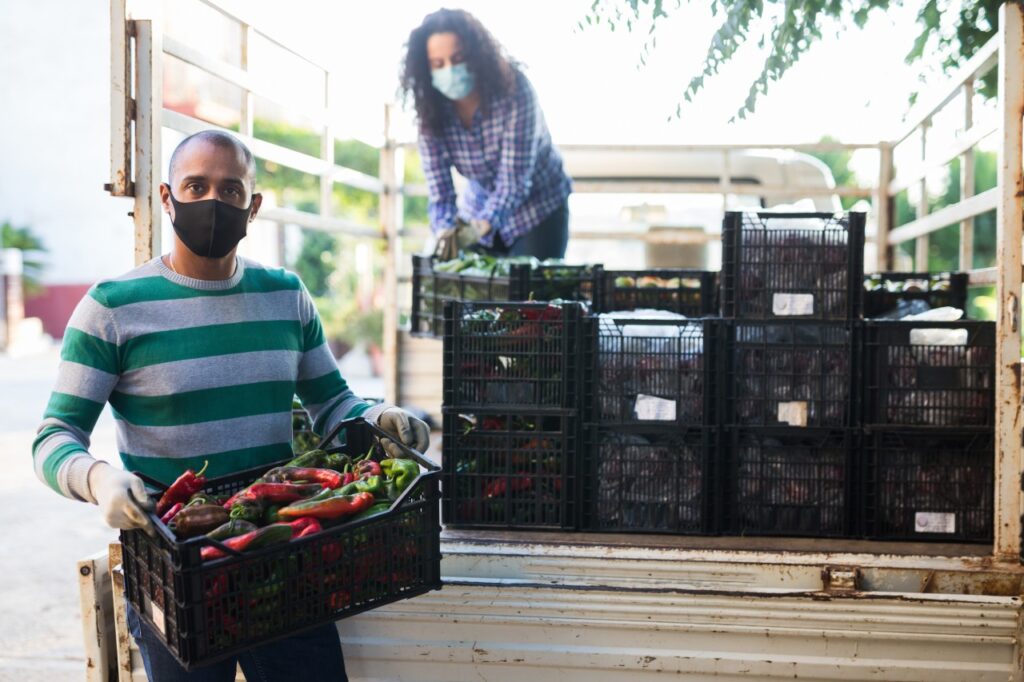
National chains depend on centralized procurement systems to maintain uniform flavor across hundreds of locations. Ingredients are typically purchased in bulk from approved suppliers and routed through distribution centers before reaching individual restaurants.
This structure ensures predictable quality, pricing stability, and streamlined logistics. It reduces variability that could disrupt brand identity.
However, centralized distribution makes hyperlocal sourcing in every market difficult. Partnering with dozens of small farms city by city would complicate contracts, transportation, and quality control. Efficiency often outweighs localized farm relationships in large-scale operations.
3. Volume Demands Exceed Small Farm Output
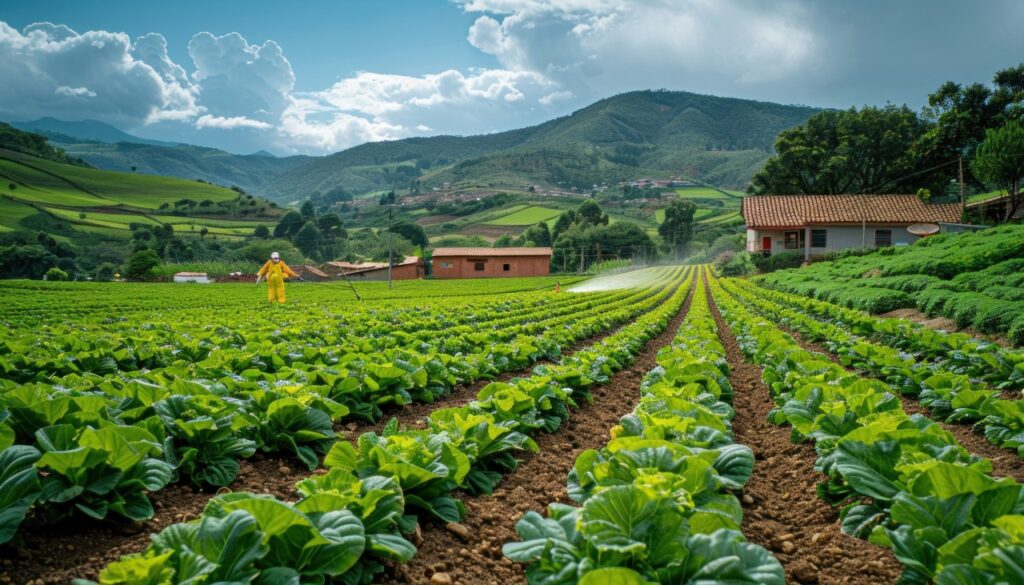
A single high-traffic chain location can serve hundreds of meals per day. Multiply that by hundreds of outlets, and ingredient demand becomes immense. Meeting those volumes consistently requires large-scale production.
Small independent farms often operate on limited acreage with seasonal harvest cycles. While they may supply boutique restaurants, fulfilling nationwide contracts would stretch capacity beyond practical limits.
Large agribusiness suppliers are structured to handle bulk orders, standardized packaging, and continuous delivery schedules. For chains, reliability at scale usually takes priority over small-batch sourcing.
4. Year-Round Menus Conflict With True Seasonality

Authentic farm-driven restaurants adjust menus based on what is harvested locally at specific times of year. Availability shifts with weather, soil conditions, and regional climate patterns.
Chain restaurants, by contrast, rely on menu consistency. If a produce item appears year-round across multiple states, it is unlikely to be sourced locally in each location. Maintaining permanent offerings often requires national or international suppliers operating across climate zones.
The promise of seasonal freshness can become symbolic rather than literal when menu stability is tied to branding expectations.
5. Ingredients Often Travel Farther Than Implied
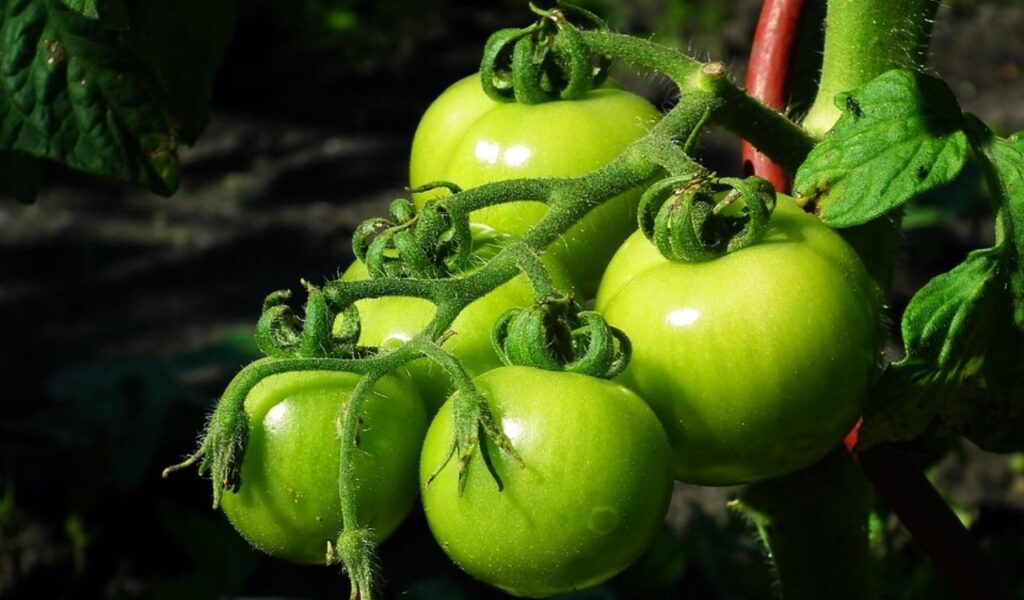
The imagery of farm-to-table suggests short travel distances. In practice, many chain ingredients move through multi-step logistics networks. Products are harvested, processed, packaged, stored, and transported through distribution hubs before arriving at restaurants.
Long-distance freight systems provide cost efficiency and predictable delivery timelines. They also allow chains to negotiate pricing advantages through centralized purchasing agreements.
While the food may originate on a farm, the journey can span hundreds or thousands of miles. The supply path often resembles conventional distribution more than direct farm delivery.
6. Transparency Is Rarely Detailed
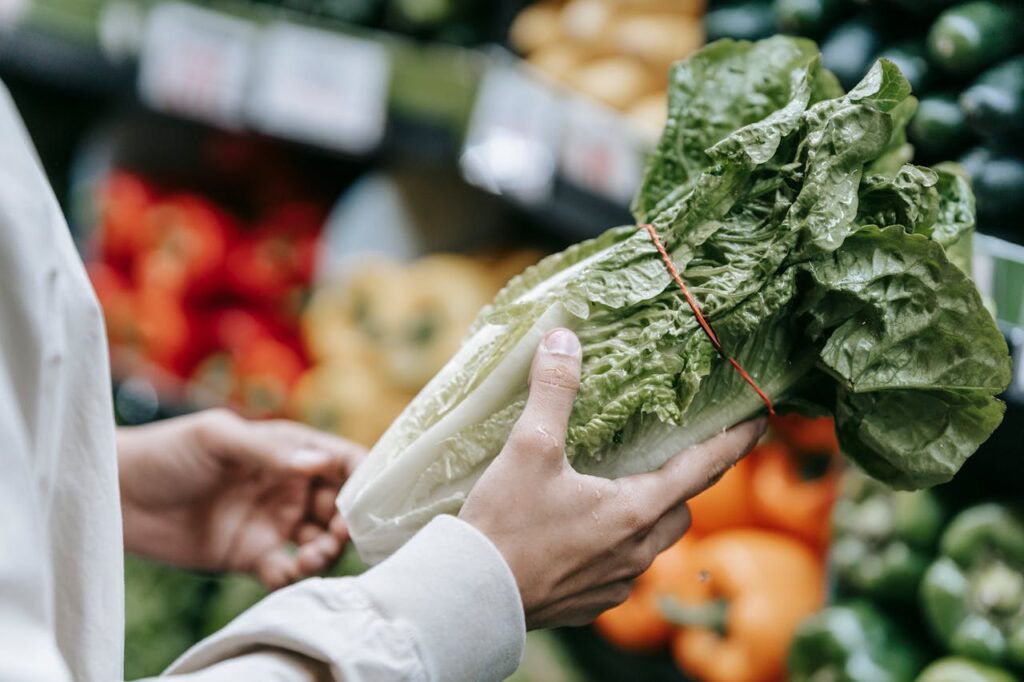
True farm-driven restaurants often identify the growers they work with. Menus may list specific farms, regions, or harvest dates. This level of detail allows diners to understand where ingredients originate and how relationships are structured. It creates traceability that can be confirmed.
Large chains rarely operate with that level of public disclosure. Menu language may reference “local farms” or “farm fresh ingredients” without naming suppliers or defining sourcing standards. The wording sounds specific, but often lacks measurable detail.
Without farm names or sourcing percentages, verification becomes difficult. The claim may reflect a general sourcing philosophy rather than a transparent, farm-by-farm partnership model.
7. Processing Happens Before Arrival
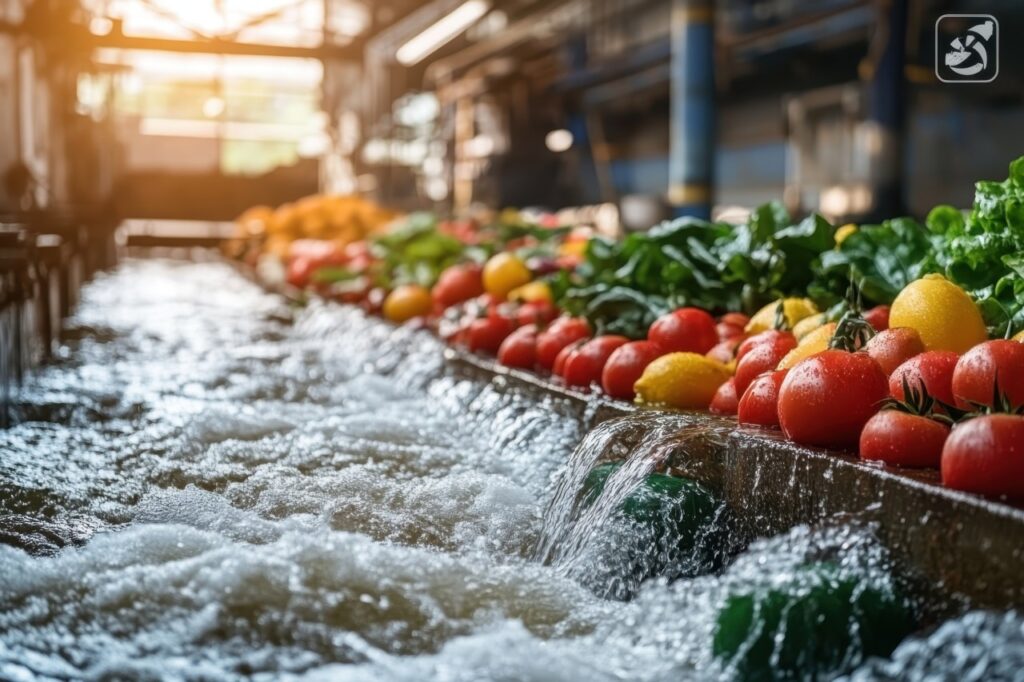
Even when ingredients begin at a farm, they frequently pass through centralized processing facilities before reaching chain kitchens. Produce may be washed, chopped, portioned, and sealed. Proteins are commonly trimmed, graded, and vacuum packed off-site to ensure consistency and food safety.
This system improves efficiency and reduces in-store labor. It also standardizes portion size and appearance across locations. However, it introduces multiple handling stages between harvest and final preparation.
By the time the food reaches the restaurant, the connection to its origin becomes less direct. The farm may be part of the supply chain, but the journey includes storage, packaging, and distribution hubs.
8. Contracts Favor Large Agricultural Companies
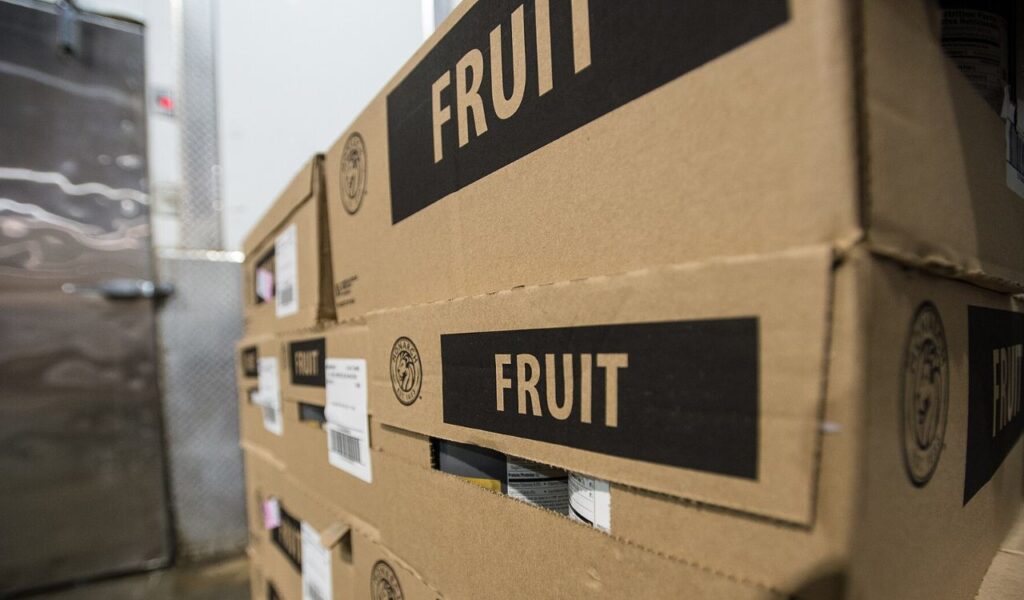
Chain restaurants depend on long-term supplier contracts to stabilize pricing and guarantee continuous availability. These agreements require consistent volume, uniform grading, and dependable delivery schedules. Only large agricultural operations typically meet those demands at national scale.
Smaller independent farms often operate seasonally and produce limited quantities. While they may supply boutique establishments, meeting multi-state contracts consistently can exceed their capacity.
As a result, procurement systems naturally favor industrial producers. The economics of scale, infrastructure, and reliability often outweigh proximity when sourcing decisions are made.
9. Marketing Relies on Rustic Imagery
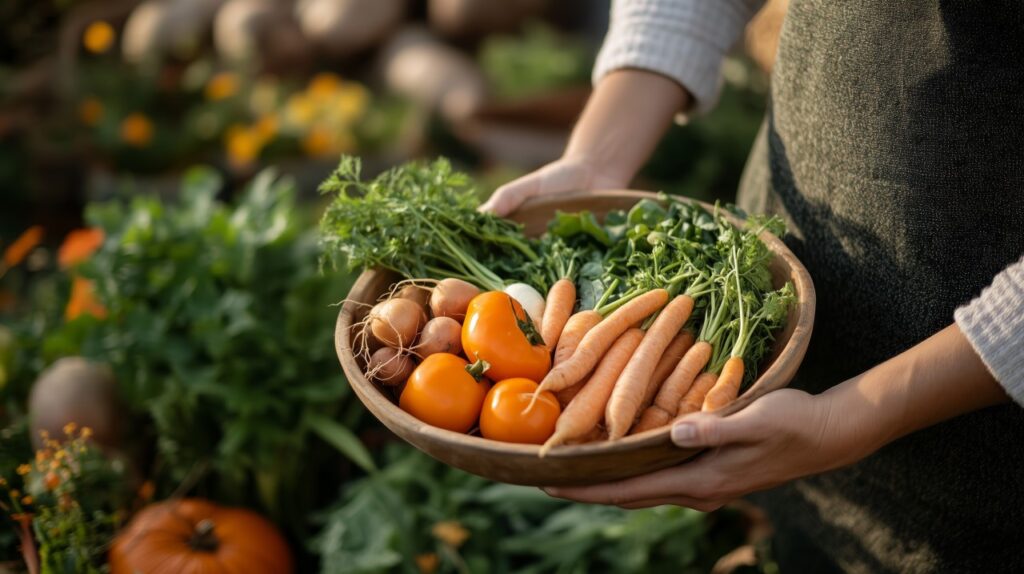
Promotional materials for farm-focused menus often feature barns, green fields, and farmers harvesting produce at sunrise. These visuals evoke simplicity and closeness to land. They shape expectations before guests examine ingredient sourcing details.
Behind the imagery, operational systems rely on forecasting models, freight coordination, and supplier negotiations. The visual narrative emphasizes tradition, while the infrastructure operates at commercial scale.
The contrast can widen perception gaps. The message suggests direct connection, yet the supply chain may resemble conventional distribution networks rather than intimate farm partnerships.
10. The Definition of “Local” Can Stretch
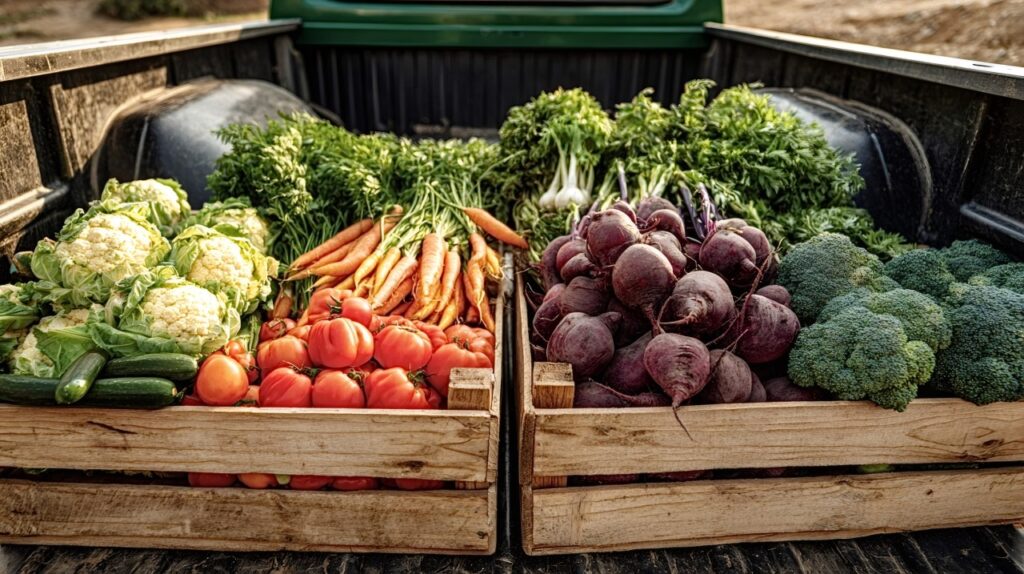
The word local carries emotional weight, but its definition varies widely. Some chains classify products as local if they originate within a broad multi-state region. Under that framework, ingredients transported hundreds of miles can still qualify.
Because no universal standard governs the term, restaurants set internal criteria that may differ from consumer assumptions. What diners imagine as nearby farmland may actually fall within an expansive procurement zone.
Without precise mileage limits or public sourcing maps, the concept remains flexible. The term conveys familiarity without guaranteeing immediate geographic proximity.
11. Brand Consistency Often Overrides Variability
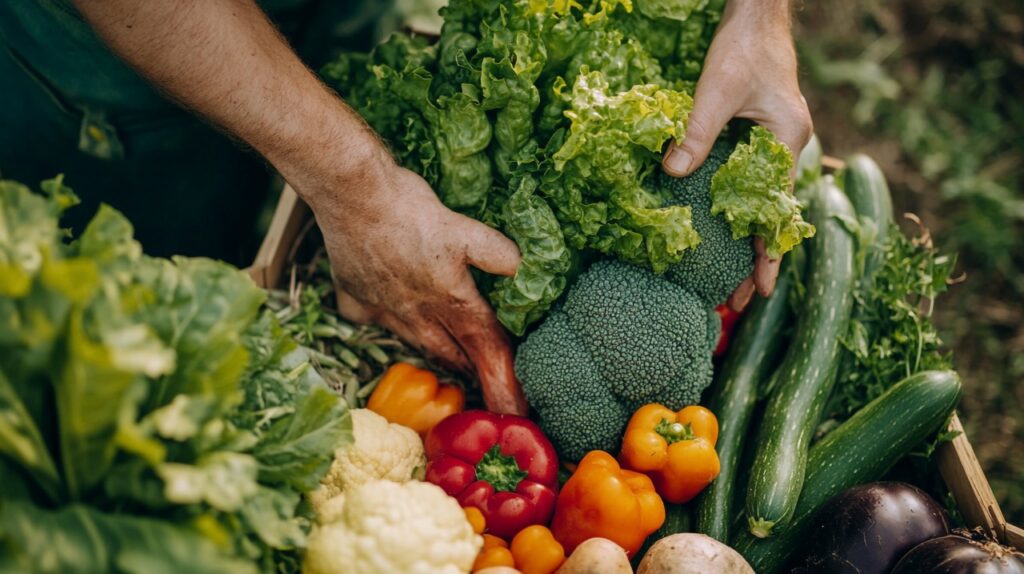
Large chains build loyalty through predictability. Customers expect the same flavor, portion size, and presentation regardless of location. Maintaining that uniformity requires standardized ingredients sourced from suppliers capable of consistent output.
Farm-based sourcing, by contrast, introduces natural variation. Soil conditions, weather, and harvest timing influence size, taste, and availability. While this variability can enhance authenticity, it complicates national consistency.
To protect brand identity, chains often prioritize suppliers that replicate products reliably across markets. Uniform experience typically outweighs regional nuance in large-scale restaurant operations.