8 Baking Secrets That Instantly Level Up Your Homemade Desserts

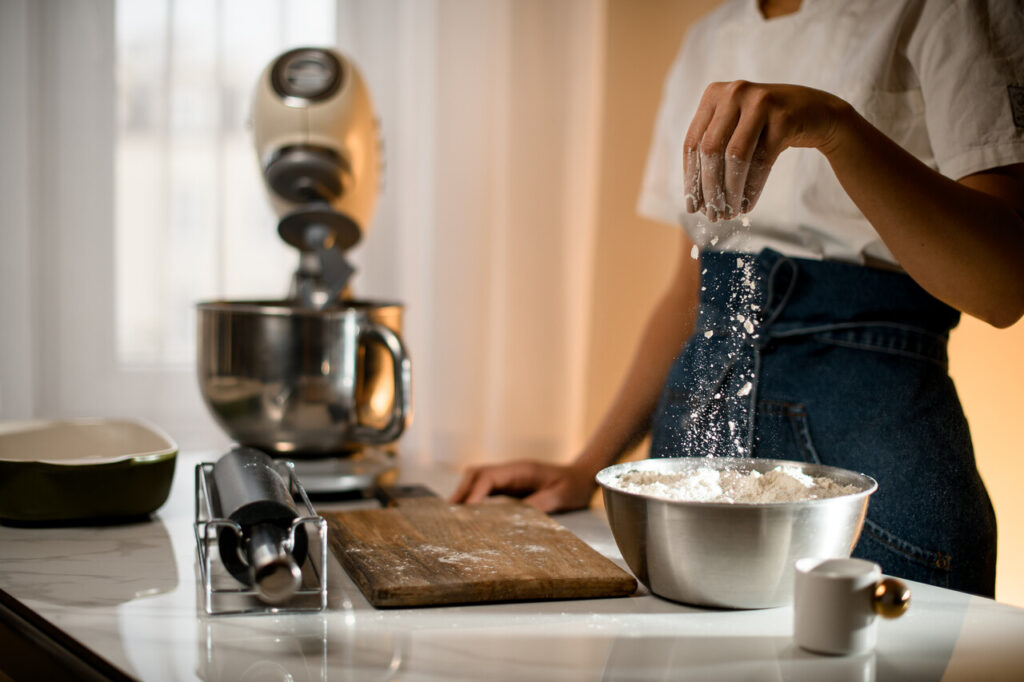
Great desserts rarely come down to secret ingredients. They’re built on small, quiet habits that shape texture, flavor, and consistency long before anything hits the oven. The way you measure flour, how warm your butter is, when you rotate a pan, or how gently you fold batter all influence whether a cake turns out tender or dense, whether cookies spread perfectly or bake unevenly. These details separate home baking that feels hit-or-miss from baking that feels confident and repeatable. Once you understand how temperature, air, moisture, and timing actually behave in a kitchen, recipes stop feeling like guesswork and start behaving predictably. What this really means is fewer wasted batches, better structure, cleaner flavors, and desserts that look and taste like they came from a professional kitchen, even on a weeknight.
1. Measuring by Weight Removes Guesswork and Unlocks Consistency
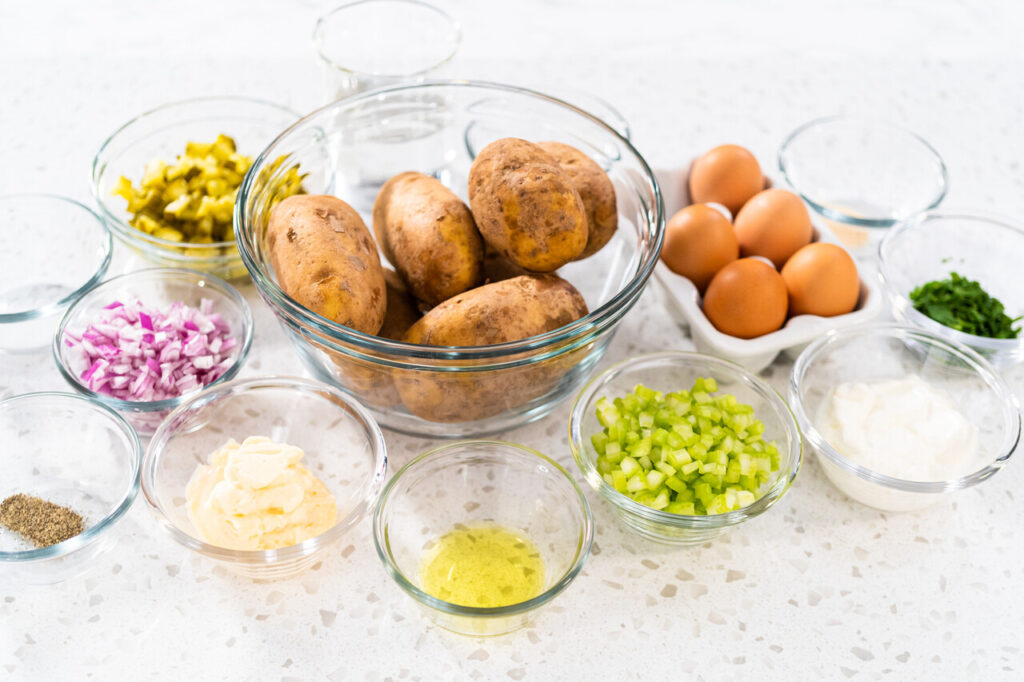
The moment you switch from measuring cups to a digital kitchen scale, baking starts behaving more predictably. Flour compresses differently depending on how it’s scooped, humidity, and even storage, which means a cup can vary wildly in actual weight. Sugar crystals pack differently as well. These small variations add up fast and directly affect structure, moisture, and rise. Weighing ingredients removes that uncertainty and gives you the same ratios every time. This matters especially for delicate cakes, pastries, and breads where balance is everything. A scale also makes it easier to scale recipes up or down accurately, preventing texture problems when doubling batches. Beyond accuracy, weighing speeds up prep and reduces cleanup because ingredients can go straight into the mixing bowl. Professional kitchens rely on weight because it guarantees consistency across large volumes. Once home bakers adopt this habit, dense cakes, dry cookies, and unpredictable crumb structures become far less common. It’s one of the simplest upgrades that immediately improves reliability and confidence.
2. Room Temperature Ingredients Blend Better and Trap More Air
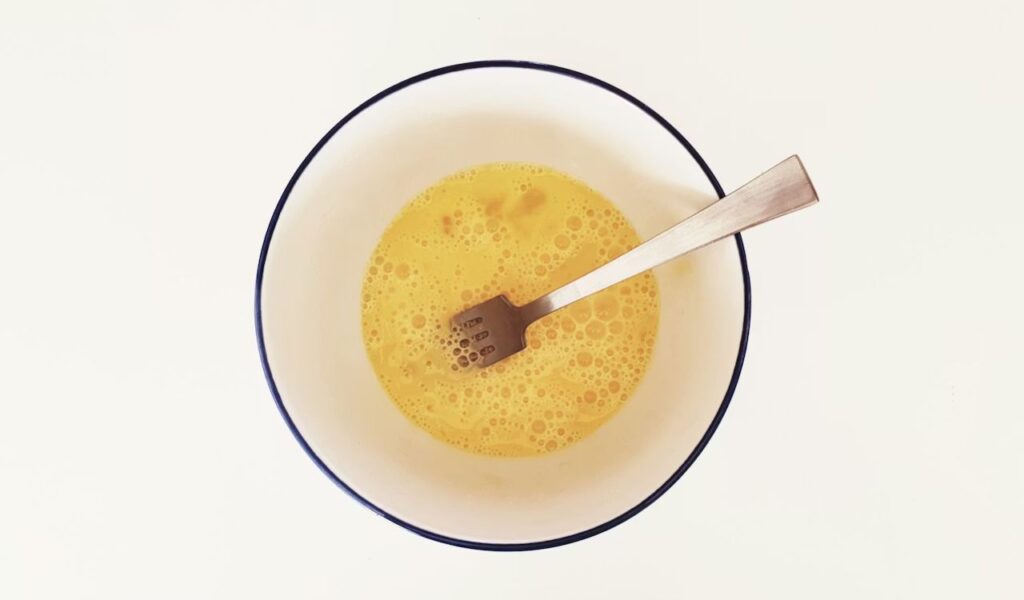
Cold butter and eggs resist mixing evenly, which leads to broken emulsions, lumpy batter, and uneven baking. When ingredients are at room temperature, fats soften just enough to incorporate air while liquids blend smoothly without separating. This creates a stable structure that holds bubbles during baking, producing lighter textures and a more even crumb. Eggs at room temperature also whip better, creating stronger foam and better lift in cakes and sponges. Cold dairy can cause butter to seize or sugar to clump, slowing proper aeration. Allowing ingredients to warm naturally improves how they interact chemically and mechanically. This step reduces the temptation to overmix, which can toughen gluten and compress air pockets. Professional bakers treat temperature control as part of technique rather than convenience. The payoff is smoother batter, a more consistent rise, and desserts that bake evenly from edge to center.
3. Proper Creaming Builds the Foundation for Light Texture
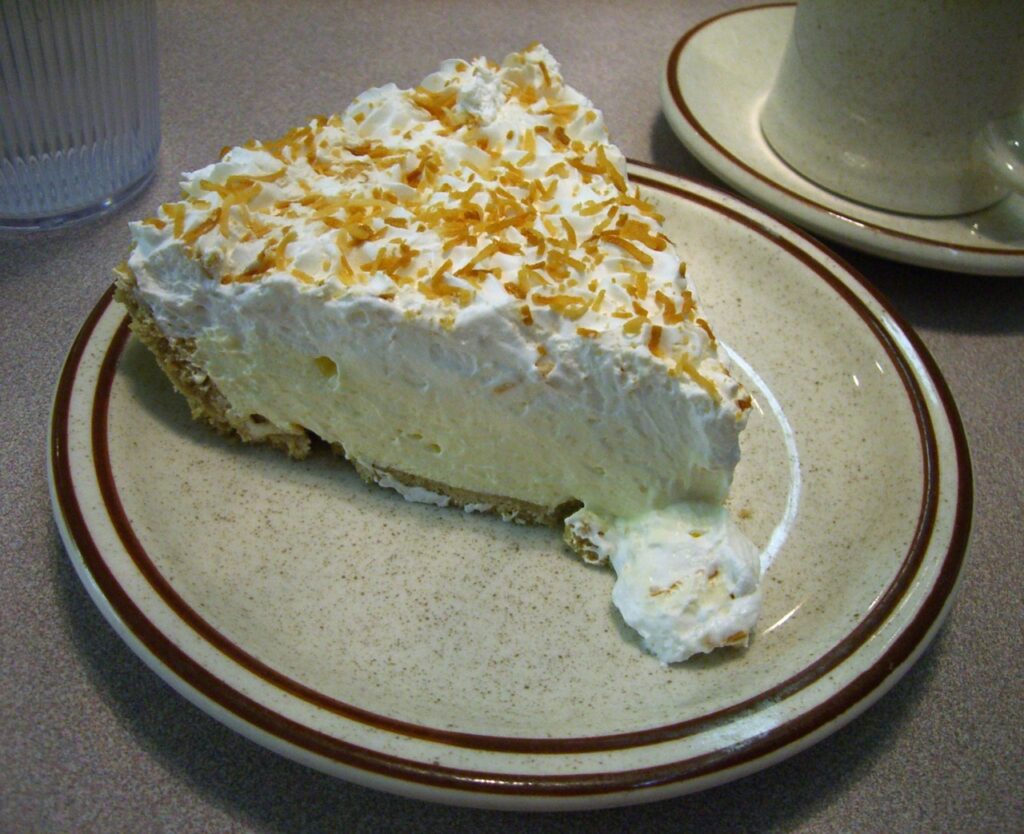
Creaming butter and sugar is not just blending. It’s a mechanical process that forces air into fat using sugar crystals as tiny aerators. This trapped air expands in the oven, contributing to lift, softness, and uniform crumb. Undercreaming leaves dense batter that struggles to rise, while overcreaming can break down fat structure and cause spreading or collapse. Visual cues matter more than time alone. The mixture should become pale, fluffy, and noticeably lighter in volume. Scraping the bowl regularly ensures even aeration throughout. The temperature of the butter also plays a role, as overly soft butter traps less air while cold butter resists incorporation. Mastering this step improves texture consistency across cookies, cakes, and quick breads. It also stabilizes emulsions so added eggs integrate smoothly rather than separating. When this foundation is strong, the rest of the recipe performs more reliably.
4. Rotating Pans Solves Hidden Oven Hot Spots
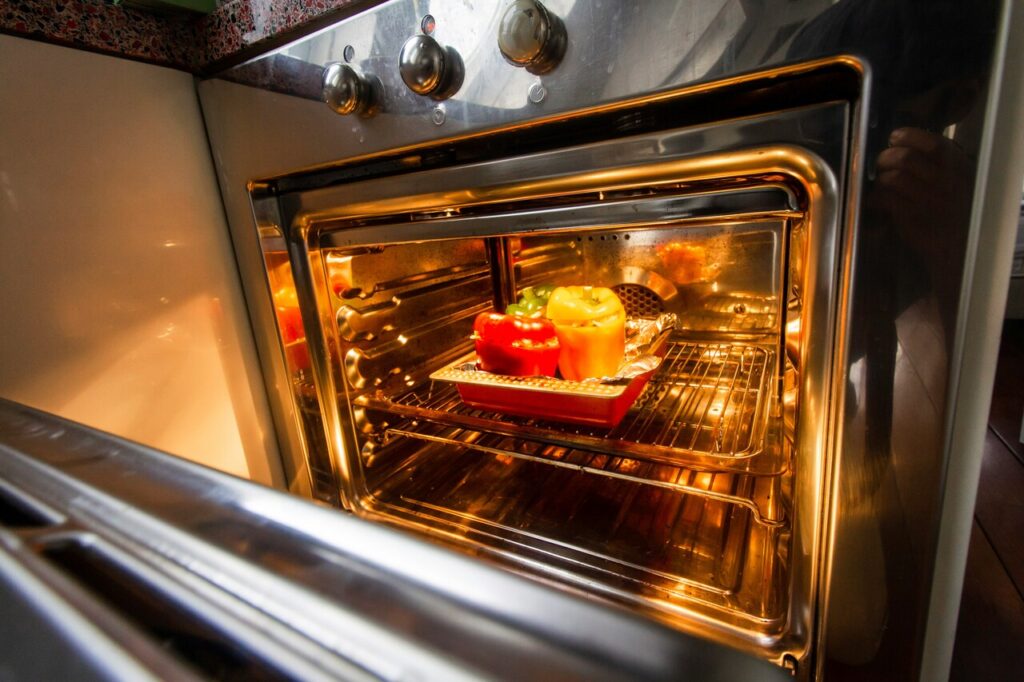
Most home ovens heat unevenly, creating zones that brown faster or cook more slowly. Even newer models can have subtle temperature gradients that affect baking symmetry. Rotating pans halfway through baking exposes all sides to consistent heat and prevents uneven doming, scorching, or underbaking. This practice is especially important for sheet pan cookies, layered cakes, and pastries where uniform color and structure matter. The timing of rotation matters as well. Opening the oven too early can disrupt the rise, so waiting until the structure has begun setting avoids collapse. Rotating also helps identify how your specific oven behaves over time. Professional bakers build this awareness into routine workflow rather than relying on blind timing alone. The result is more even browning, predictable doneness, and fewer disappointing surprises when removing baked goods from the oven.
5. Gentle Folding Protects Air and Prevents Toughness
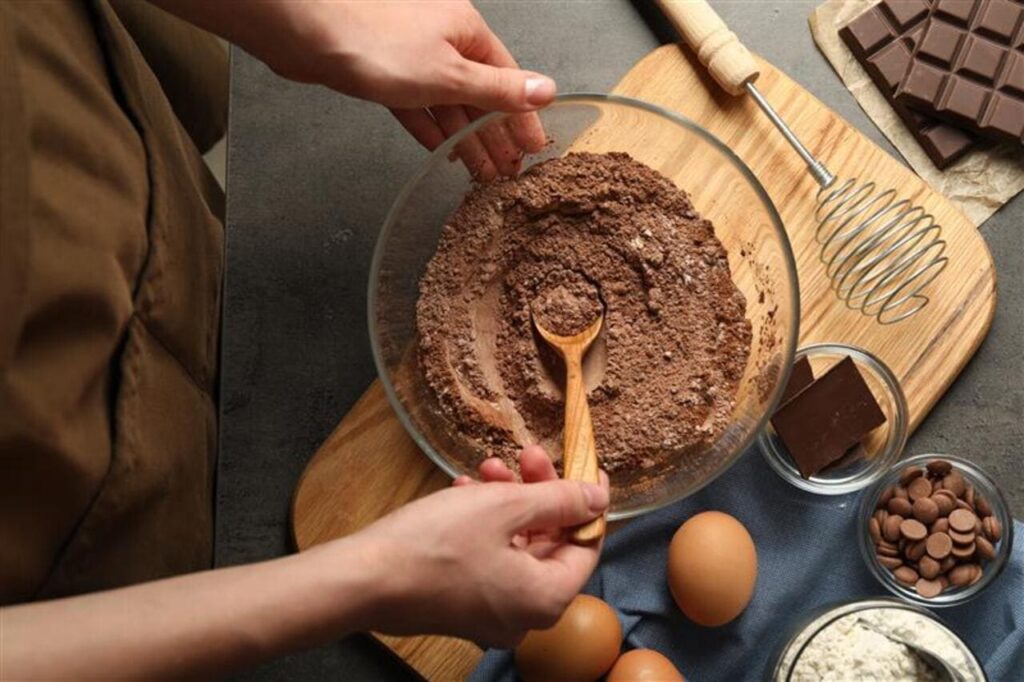
Once air has been incorporated through creaming or whipping, preserving that structure becomes critical. Using a mixer at this stage can collapse bubbles and overdevelop gluten, leading to dense or rubbery textures. Folding dry ingredients gently with a spatula keeps air intact while evenly distributing flour. The motion should cut through the center and sweep upward rather than stirring aggressively. This technique ensures a light crumb in cakes and a tender texture in muffins and quick breads. It also prevents streaking of flour that can create dry pockets. Understanding when to switch from mixer to hand folding is a major skill difference between casual baking and consistent results. Controlled folding balances uniformity and delicacy. Overhandling compresses air and activates gluten, while underfolding leaves an uneven texture. Mastering this balance improves softness, rise, and overall mouthfeel.
6. Accurate Oven Temperature Controls Structure and Moisture
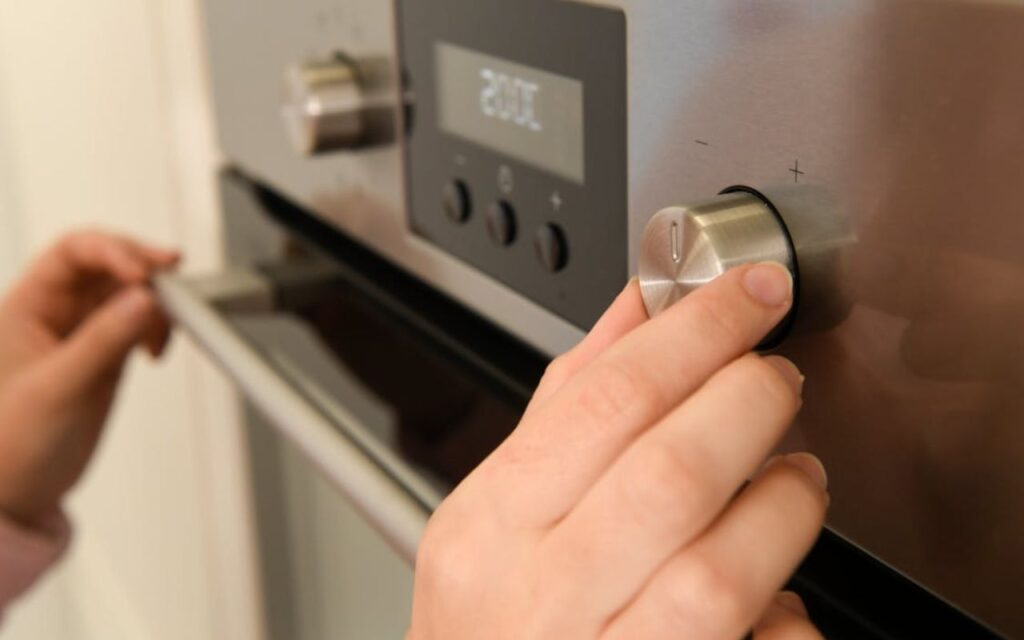
Baking relies on precise heat timing. Leavening agents activate within specific temperature ranges, proteins coagulate at predictable points, and sugars caramelize gradually. If an oven runs hotter than indicated, desserts may brown too quickly and remain raw inside. If it runs cooler, structure may collapse or spread excessively before setting. Many home ovens drift over time, making an oven thermometer a valuable calibration tool. Fully preheating ensures heat saturation of walls and racks, so the temperature remains stable when food enters. Professional kitchens monitor ovens constantly because temperature consistency determines repeatable quality. Understanding your oven’s quirks allows for small timing or temperature adjustments that improve outcomes. This control reduces guesswork and leads to better texture, moisture retention, and browning.
7. Choosing the Right Sugar Improves Texture and Moisture
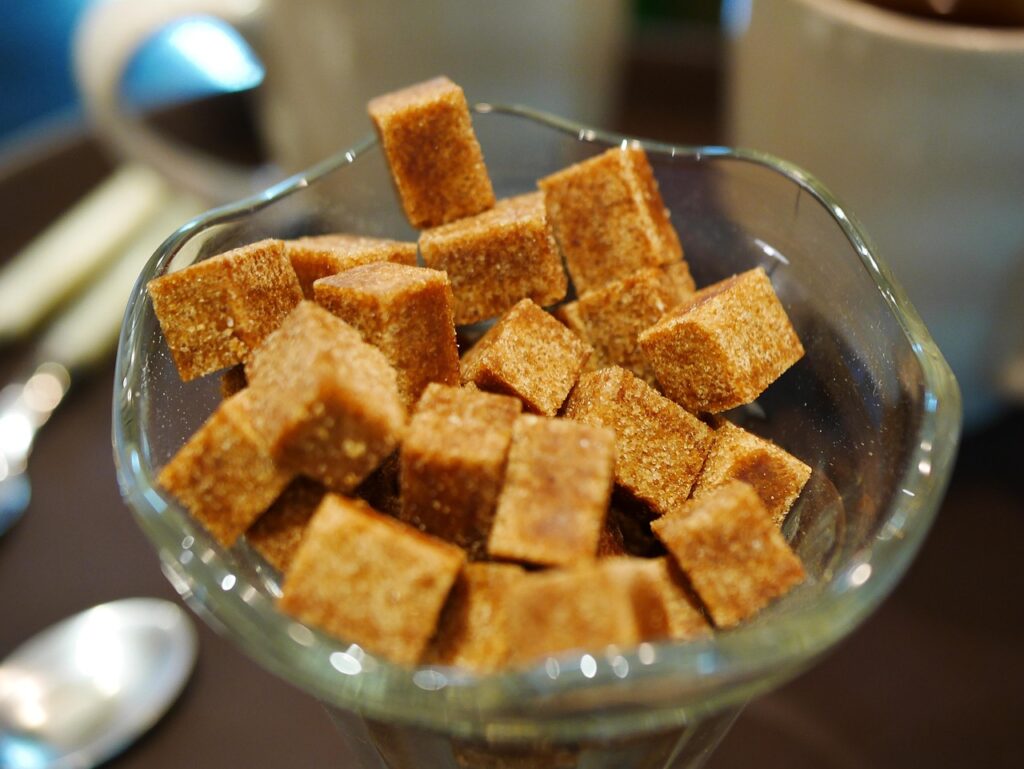
Sugar affects more than sweetness. Granule size influences how easily sugar dissolves, how much air it traps during creaming, and how moisture distributes throughout the batter. Finer sugars dissolve faster, producing a smoother crumb and a more delicate texture in cakes and cookies. Coarser sugars create more crunch and spread. Brown sugar contributes moisture and chew due to molasses content, while powdered sugar affects tenderness and icing consistency. Selecting sugar intentionally allows bakers to control texture rather than leaving results to chance. Many home bakers default to one sugar type without realizing how dramatically outcomes can change. Understanding sugar behavior helps tailor recipes for desired softness, crispness, or moisture retention.
8. Resting and Timing Shape Flavor and Structure
Resting doughs and batters allows hydration to equalize, gluten to relax, and flavors to develop more fully. Chilling cookie dough controls spread and enhances caramelization. Resting cake batter allows air bubbles to stabilize and flour to hydrate evenly. Laminated dough relies on timed rests to maintain butter layers for flakiness. Ignoring rest periods often leads to unpredictable texture and structure. Professional bakers schedule resting intentionally as part of the workflow rather than treating it as optional downtime. Patience improves consistency and flavor without adding extra ingredients or effort. Timing discipline transforms results from rushed and uneven to balanced and polished.