7 Common Cooking Items Experts Say Don’t Belong in the Kitchen

A well-equipped kitchen is not about having more tools, but about having the right ones. Over time, many kitchens quietly fill up with items that seem useful at first but end up working against good cooking, safety, and cleanliness. Some of these tools wear out in ways that are easy to ignore, while others are poorly designed from the start. Experts often point out that these items can affect food quality, increase the risk of contamination, or make cooking more frustrating than it needs to be. Clearing them out creates a safer, more efficient space where cooking feels smoother and more enjoyable. Understanding what does not belong in the kitchen is just as important as knowing what does.
1. Nonstick Pans With Peeling or Scratched Coatings
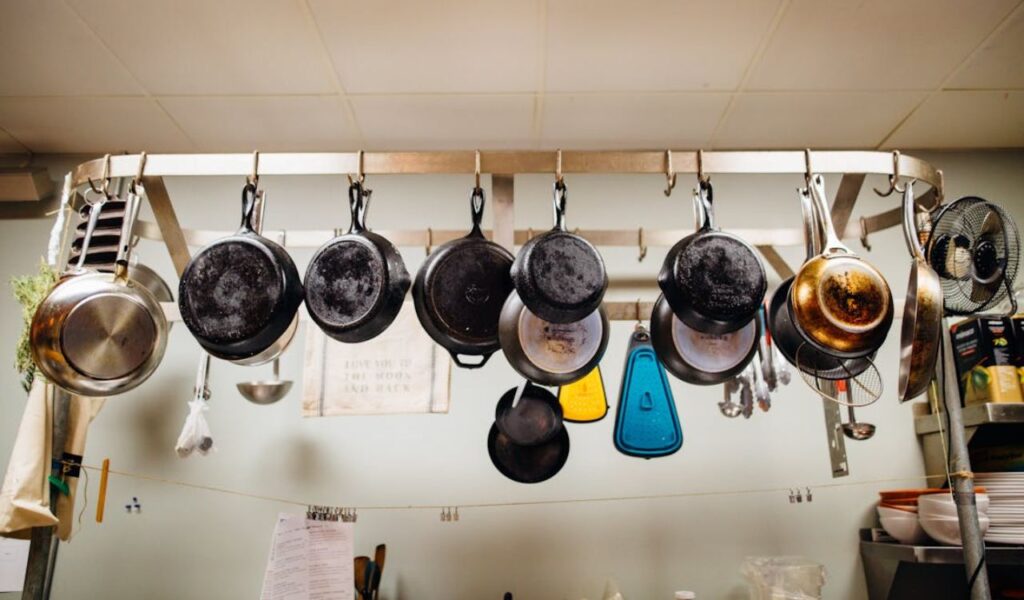
A nonstick pan is meant to make cooking easier, but once its surface starts peeling or scratching, it becomes a liability rather than a helper. Damaged coatings can release tiny particles into food, especially when exposed to high heat or metal utensils. While modern nonstick coatings are generally considered safe when intact, experts agree they should be replaced once wear becomes visible. Scratches also reduce performance, causing food to stick unevenly and cook inconsistently. Many people hold onto these pans to save money, but doing so often leads to frustration and poorer results in the kitchen.
2. Plastic Cutting Boards That Are Deeply Grooved
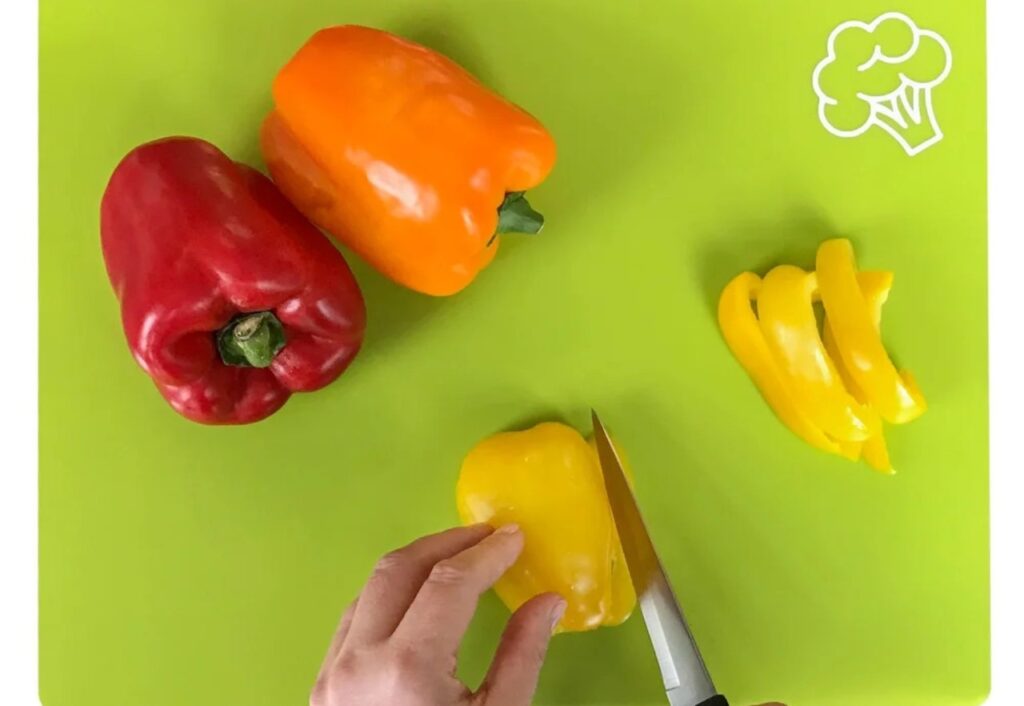
Plastic cutting boards are popular because they are lightweight and dishwasher safe, but deeply grooved boards pose hygiene problems. Over time, knife marks create tiny crevices that trap moisture, food particles, and bacteria. Even thorough washing may not fully clean these grooves, allowing germs to linger and multiply. This becomes especially risky when boards are used for raw meat and then reused for other foods. Experts recommend replacing plastic boards once grooves become noticeable or switching to multiple boards for different tasks. Wood boards, when properly cared for, can be more forgiving due to their natural antimicrobial properties.
3. Old or Warped Nonstick Baking Sheets
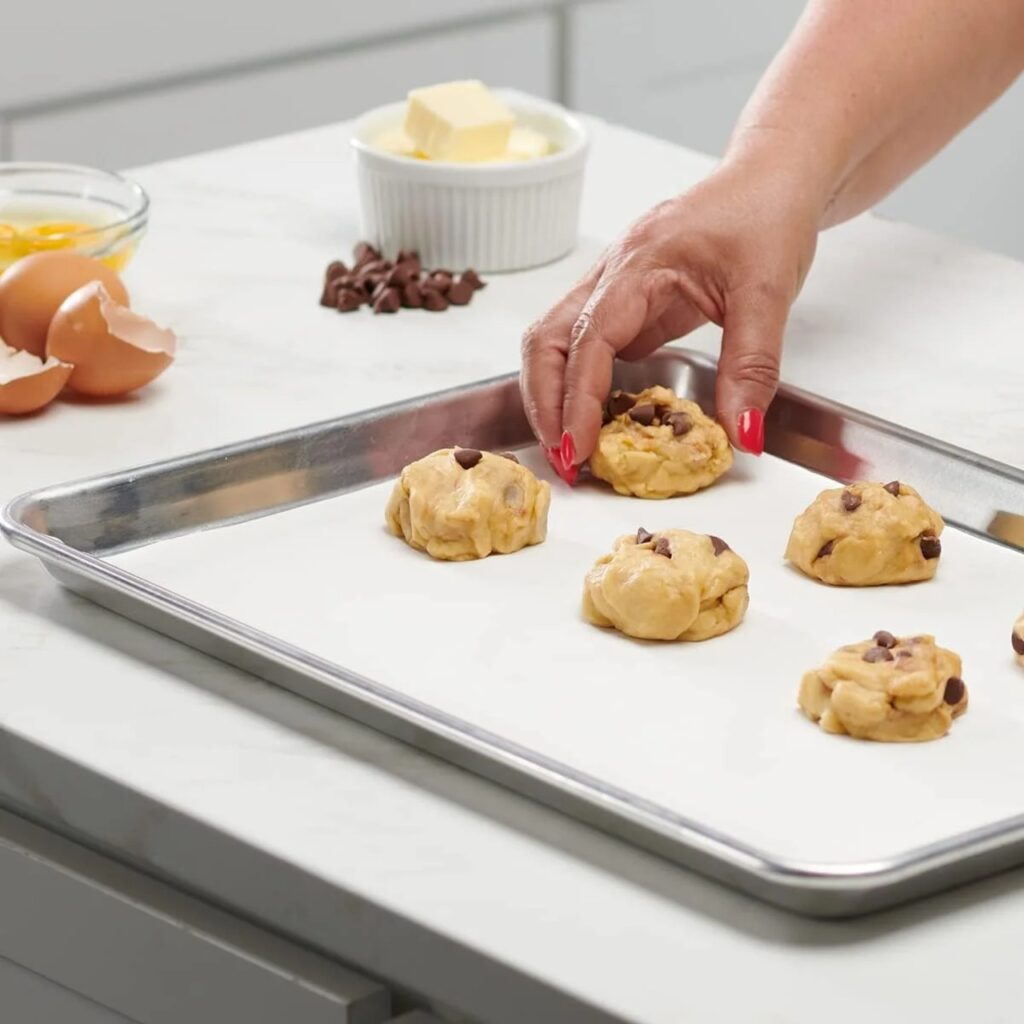
Baking sheets may seem harmless, but old or warped ones can quietly sabotage your cooking. Warping causes uneven heat distribution, leading to cookies that burn on one side and remain undercooked on the other. Nonstick coatings on older pans can also degrade over time, especially after repeated high-temperature use. This not only affects performance but may also release unwanted residues. Many home cooks blame recipes when results go wrong, not realizing the pan is the problem. Heavy-gauge aluminum or stainless steel baking sheets provide more consistent results and last longer. Removing damaged baking sheets from the kitchen improves baking accuracy and reduces unnecessary cooking failures.
4. Cheap Knives That Never Hold an Edge
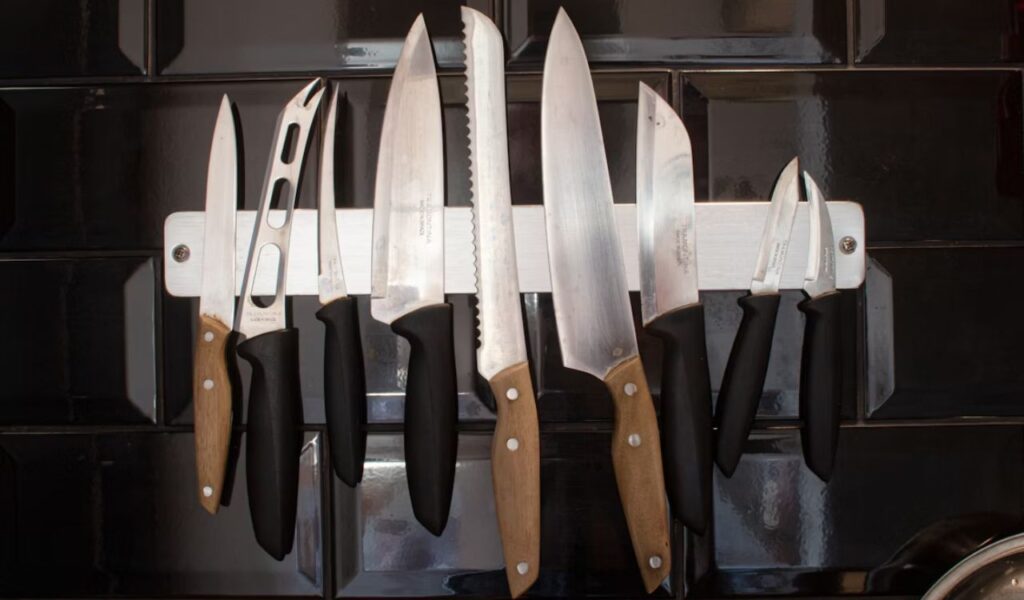
A dull knife may feel safer than a sharp one, but experts say the opposite is true. Cheap knives made from low-quality steel lose their edge quickly, forcing users to apply more pressure while cutting. This increases the risk of slipping and injury. Poorly balanced knives also strain the wrist and hand, making everyday tasks more tiring. Over time, frustration builds, and cooking becomes less enjoyable. A single well-made knife that holds its edge is far more valuable than a drawer full of dull ones. Investing in quality and maintaining sharpness improves safety, efficiency, and confidence in the kitchen.
5. Single-Use Kitchen Gadgets
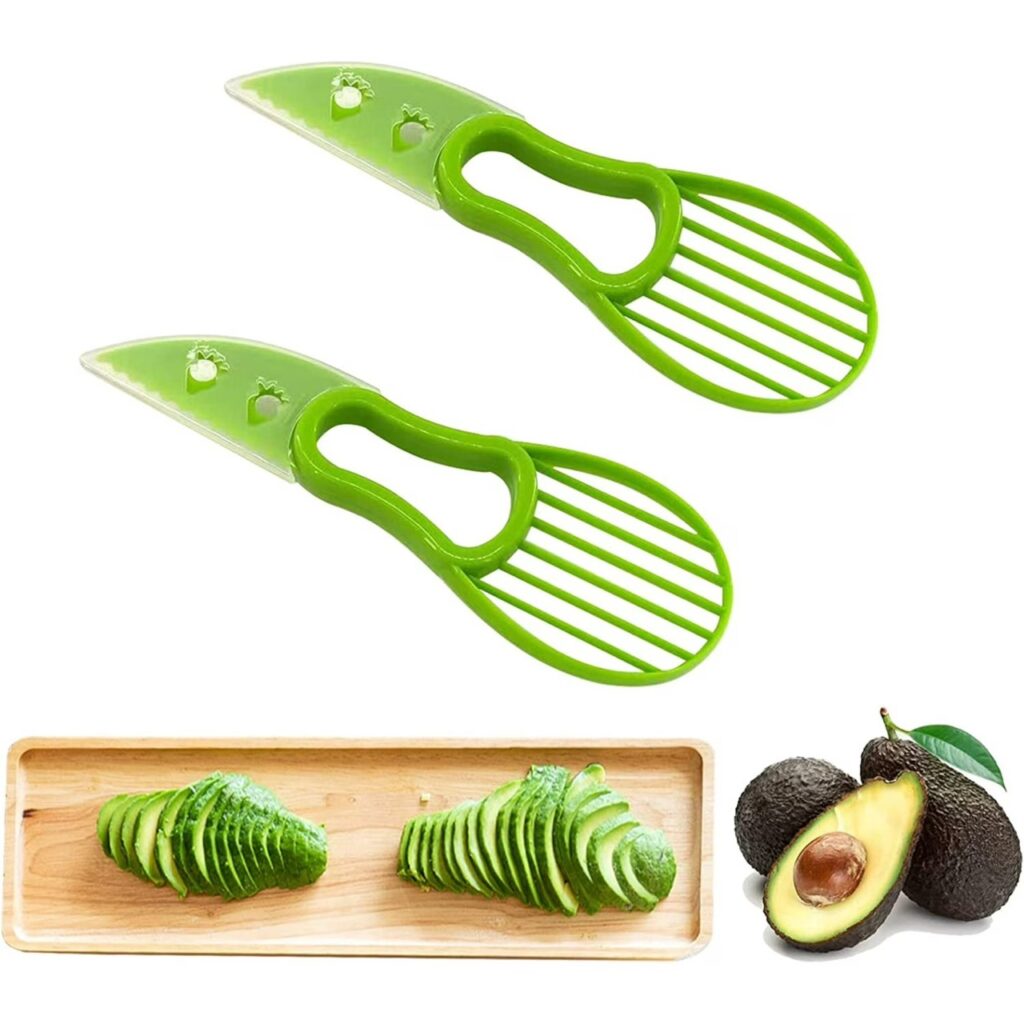
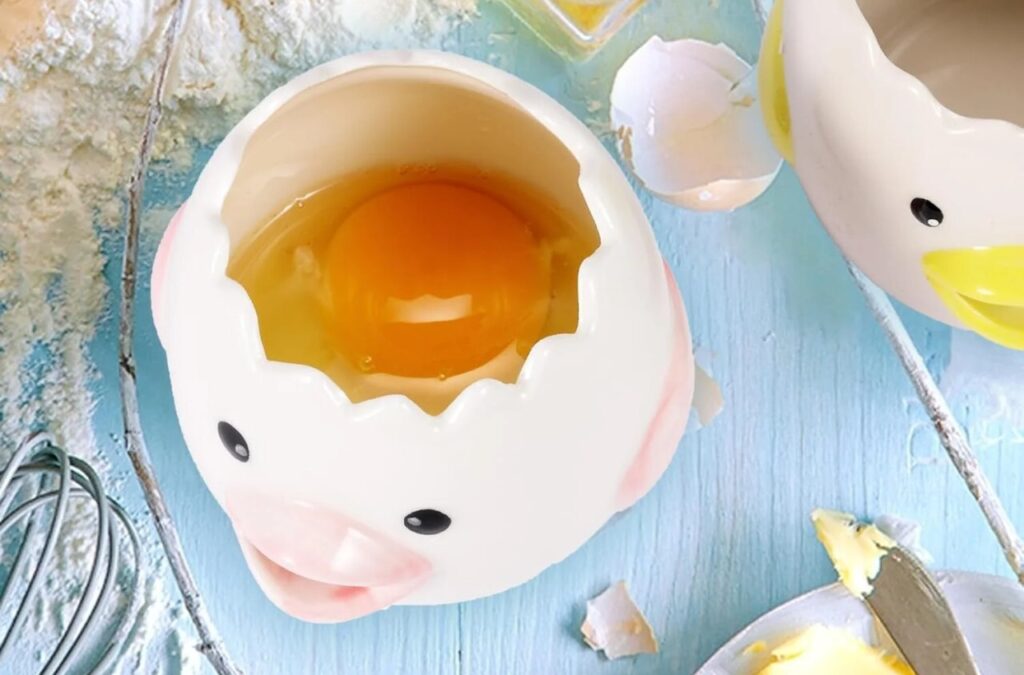
Kitchen drawers often fill up with tools designed to do one very specific job, from avocado slicers to egg separators. While they may seem convenient at first, many single-use gadgets end up collecting dust. They take up valuable storage space and rarely perform better than a basic knife or spoon. Experts encourage focusing on versatile tools that can handle multiple tasks. This approach simplifies cooking and reduces clutter. Overcrowded kitchens make it harder to work efficiently and enjoy the process. Removing unnecessary gadgets helps create a cleaner, more functional environment where essential tools are easy to reach and use.
6. Sponges Used Past Their Safe Lifespan
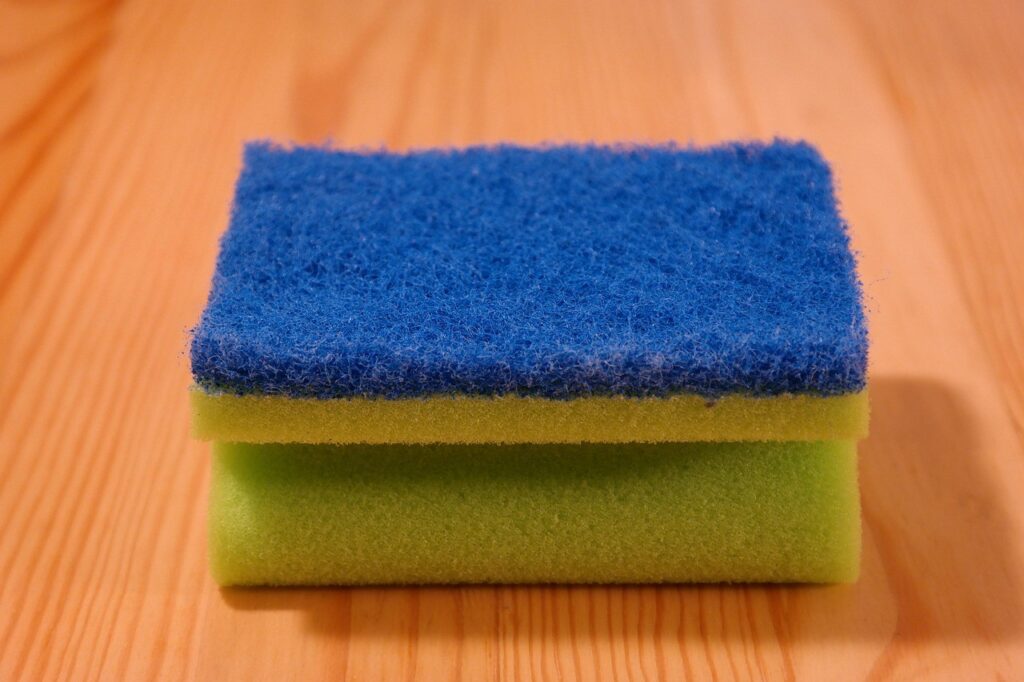
Kitchen sponges are one of the most bacteria filled items in the home. When used for too long, they become breeding grounds for germs due to constant moisture and food residue. Even if a sponge looks clean, it may harbor harmful bacteria that spread across dishes and countertops. Experts recommend replacing sponges frequently or switching to washable alternatives like dishcloths or brushes. Microwaving or soaking sponges may reduce bacteria temporarily, but it does not solve the problem long term. Keeping worn sponges out of the kitchen supports better hygiene and reduces the risk of foodborne illness.
7. Decorative Cookware Not Meant for Real Heat
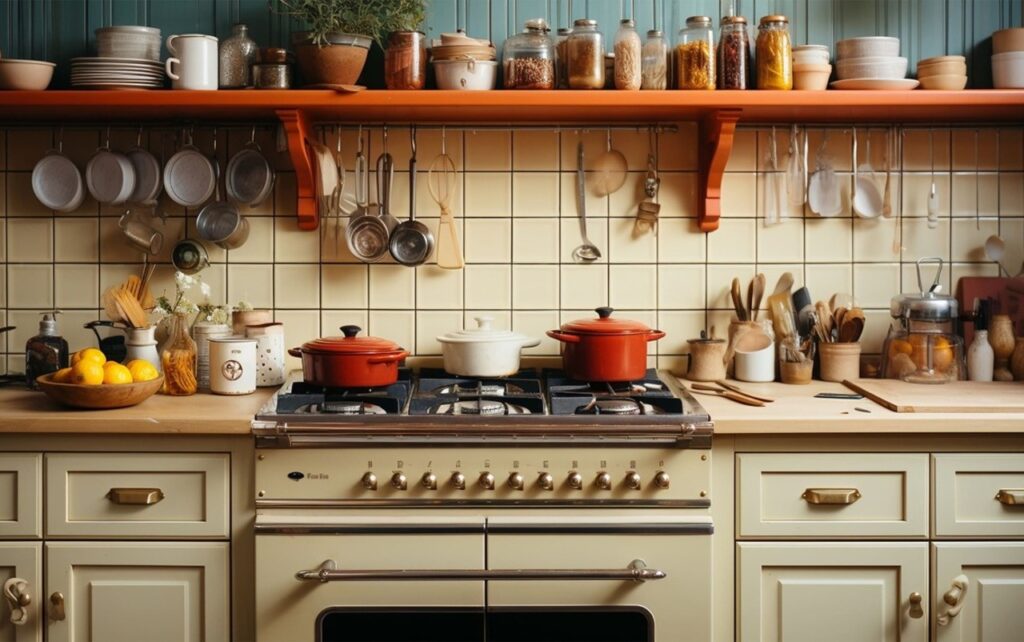
Decorative cookware can look beautiful on open shelves, but many pieces are not designed for actual cooking. Some are made with materials that cannot handle high heat or lack proper safety testing for food use. Using these items on the stove or in the oven can lead to cracking, chipping, or even chemical exposure. Experts advise reserving decorative pieces for display only or choosing cookware that balances appearance with functionality. A kitchen works best when tools are both attractive and practical. Removing cookware that cannot safely handle real cooking helps prevent accidents and ensures better results every time you step up to the stove.