Why Homemade Versions of Popular Dishes Often Disappoint


There is a quiet promise we make every time we try to recreate a favorite dish at home. It feels simple at first, almost comforting, as if the same flavors are just a few steps away.
Yet somewhere between the chopping board and the final plate, something shifts. The dish looks right, smells familiar, but the taste never quite lands the way we remember.
This gap is not about failure or lack of effort. It is shaped by a mix of subtle factors that quietly influence how food turns out in different settings.
From ingredient sourcing to technique, small differences begin to stack up. Each one may seem minor, but together they create a noticeable change in the final experience.
Understanding these hidden influences can transform the way we cook. It turns disappointment into awareness, and awareness into better, more satisfying results.
Ingredient Quality and Sourcing Gaps
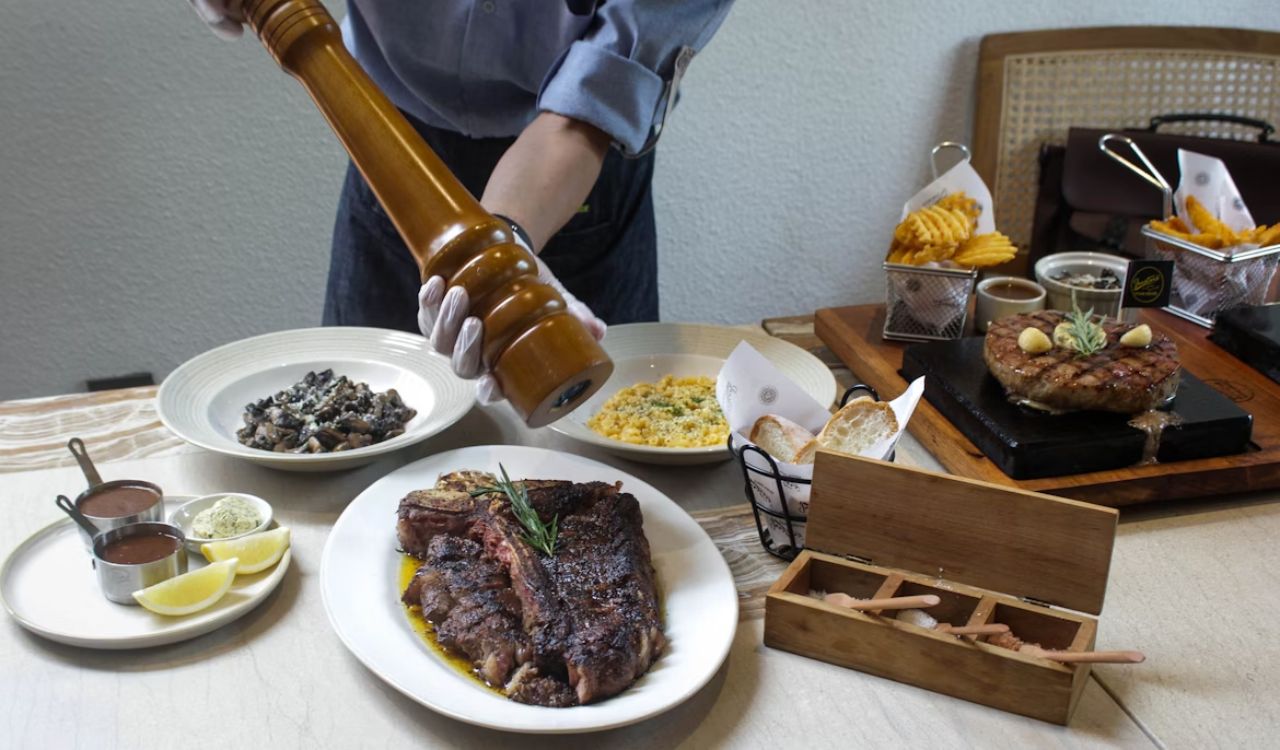
What separates restaurant food from homemade versions is often access, not effort. Professional kitchens source ingredients at peak freshness, sometimes directly from producers, affecting flavor and texture.
Freshness matters more than most realize. Restaurant produce is used quickly, while home ingredients may sit longer. Even slight delays reduce sweetness, aroma, and performance.
Ingredient grading also plays a role. Chefs use higher-quality produce, better cuts of meat, and curated spices chosen for consistency and stronger flavor.
Substitutions widen the gap. Home cooks replace unavailable ingredients, assuming little change. Even small swaps can affect cooking reactions and balance.
Consistency is key in restaurants. Bulk sourcing ensures uniform taste, while home ingredient variation creates subtle differences.
Limitations of Home Kitchen Equipment
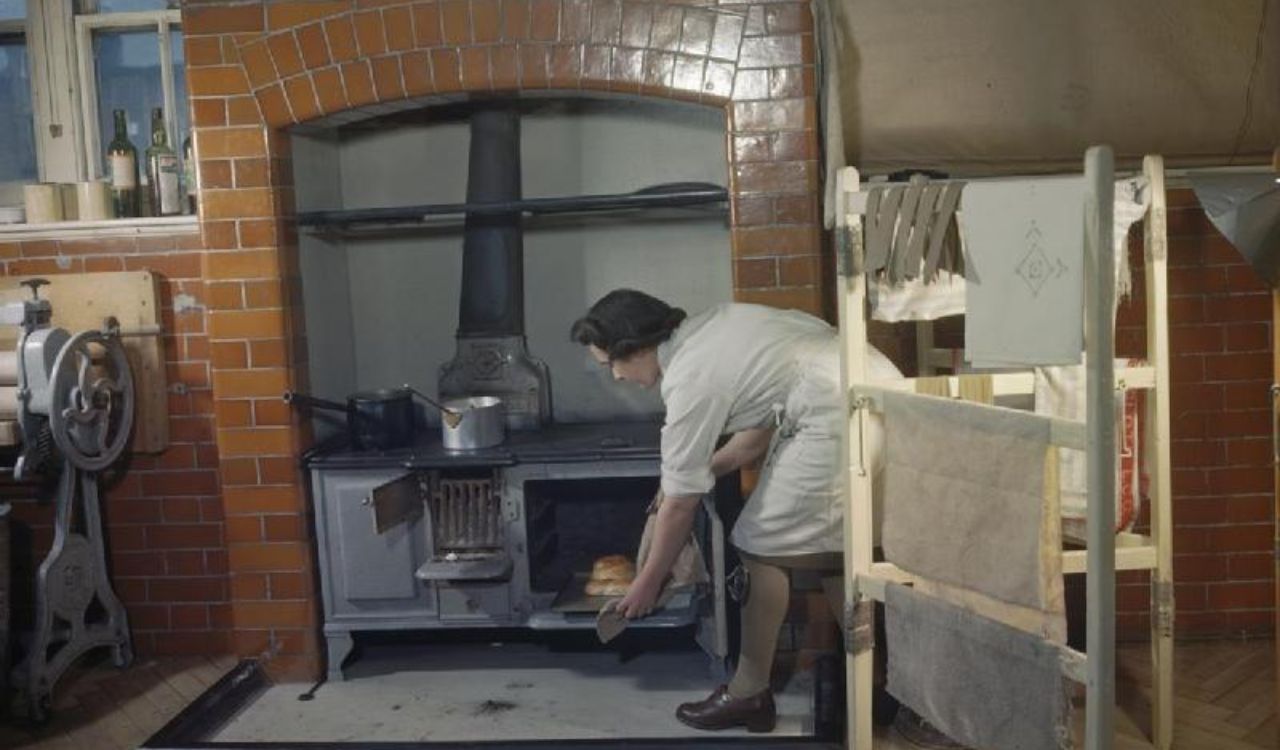
Equipment differences strongly influence results. Restaurant kitchens are built for power and precision, while home kitchens focus on convenience, affecting heat and control.
Commercial stoves produce higher heat, enabling proper searing and caramelization. Home burners often lack this intensity, leading to steaming instead of browning.
Specialized tools matter. Professional kitchens use equipment that controls moisture and airflow precisely. These tools are hard to replicate with standard appliances.
Temperature stability is another factor. Restaurant equipment maintains steady heat, while home appliances fluctuate, affecting cooking consistency.
Cookware also contributes. Heavy-duty pans retain heat better, ensuring even cooking. Lighter home pans lose heat quickly, leading to uneven textures.
Skill Level and Technique Differences
Technique plays a major role in cooking outcomes. Professional chefs develop skills over the years, allowing them to manage details that home cooks may overlook.
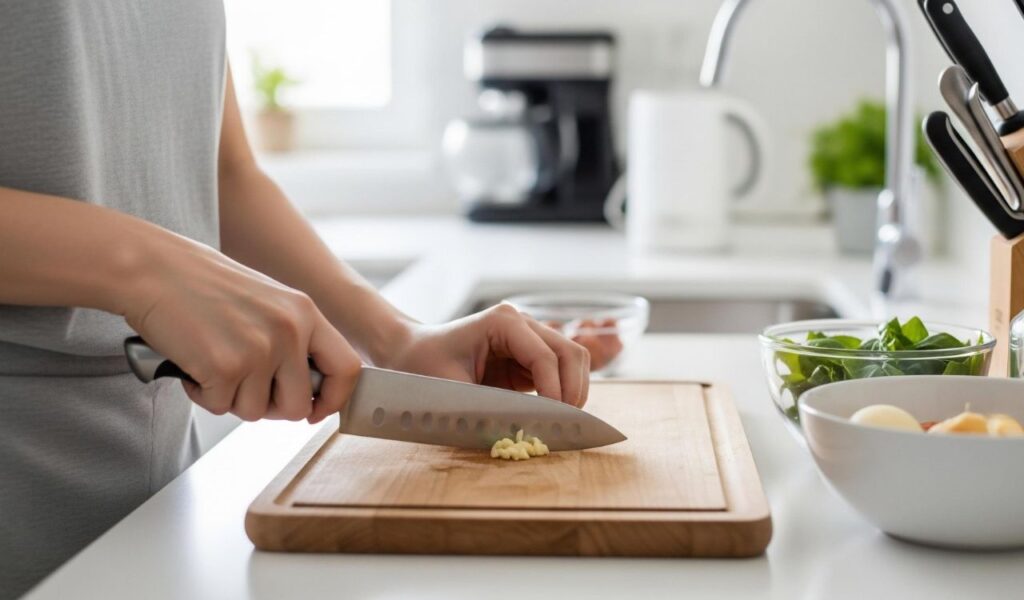
Knife skills affect cooking. Even cuts ensure uniform heat exposure, while uneven pieces lead to inconsistent textures within the same dish.
Timing is critical. Experienced cooks know when to adjust the heat or pause. These small decisions, often missing in recipes, greatly impact results.
Flavor layering builds depth. Chefs add ingredients at specific stages to create complexity. Missing these steps can result in flat-tasting food.
Sensory judgment sets experts apart. Professionals rely on sight, smell, and sound, making real-time adjustments that are hard to replicate without experience.
Recipe Accuracy and Measurement Challenges
Recipes often simplify complex processes. Important details are left out, which can affect the outcome more than expected.
Measurements can be vague. Terms like “a pinch” vary widely, and even small differences can change flavor or texture balance.
Ingredients are not uniform. Variations in size, moisture, or fat content mean the same measurement can produce different results.
Instructions may be incomplete. Steps like exact heat levels or resting times are often missing, yet they influence key cooking reactions.
Online recipes add inconsistency. Many are rewritten or altered without testing, increasing the chances of unclear steps and disappointing results.
Psychological Expectations and Taste Perception
Expectation strongly shapes taste. When recreating a favorite dish, memory sets a high standard that homemade versions struggle to meet.
The environment influences perception. Restaurant ambiance, plating, and service enhance how food is experienced, making it feel more flavorful.
Cognitive bias also plays a role. People often assume professionally made food is better, which can magnify small flaws in homemade dishes.
Effort changes perception. Cooking requires time and energy, raising expectations and making imperfections more noticeable.
Variety adds impact. Restaurant meals often include multiple textures and flavors. A single homemade dish may lack this contrast, reducing satisfaction.