Foods You Should Never Store in Plastic Containers and What to Use Instead

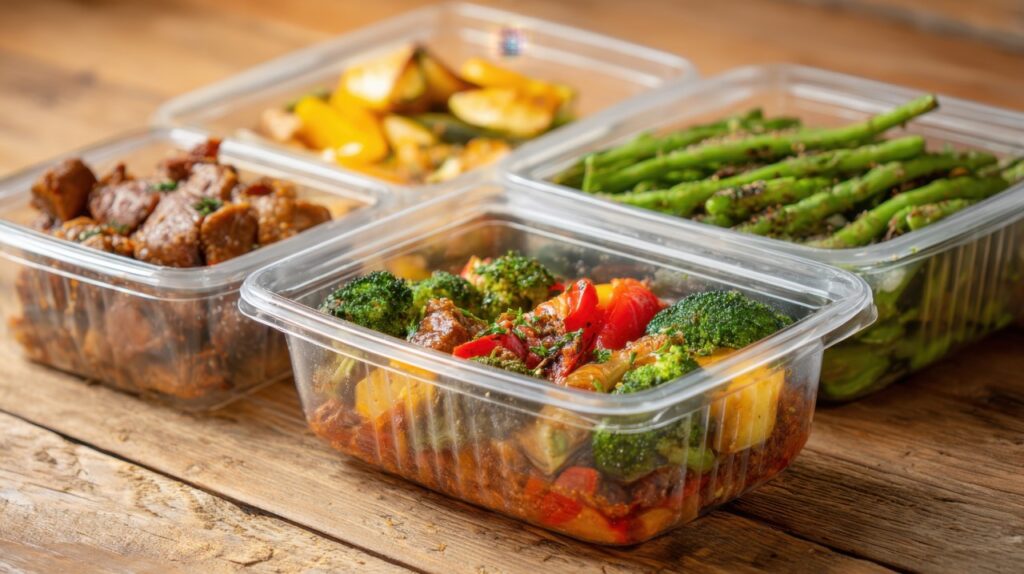
Plastic containers feel harmless and convenient, which is why they have become a default choice in many kitchens. They stack easily, seal tightly, and promise freshness at a low cost. What’s less obvious is that plastic is not an inert material. It is made from polymers mixed with additives that provide flexibility, clarity, and durability. Over time, these additives can interact with food, especially during extended storage. This interaction rarely causes immediate spoilage, but it can quietly change flavor, aroma, and overall quality. Foods may begin to taste flatter, smell slightly off, or lose their original character without any visible warning signs, making the issue easy to overlook.
Some foods react especially poorly when stored in plastic because of their natural chemistry. Fatty, acidic, and strongly flavored foods are more likely to absorb compounds from plastic, which can dull flavors or introduce unwanted tastes. Heat makes this process faster, which is why storing hot leftovers in plastic raises additional concerns. Using alternatives like glass, stainless steel, or ceramic creates a more stable environment that does not interact with food. These materials preserve taste, texture, and aroma more effectively. Switching containers does not complicate cooking routines.
Why Plastic Affects Food
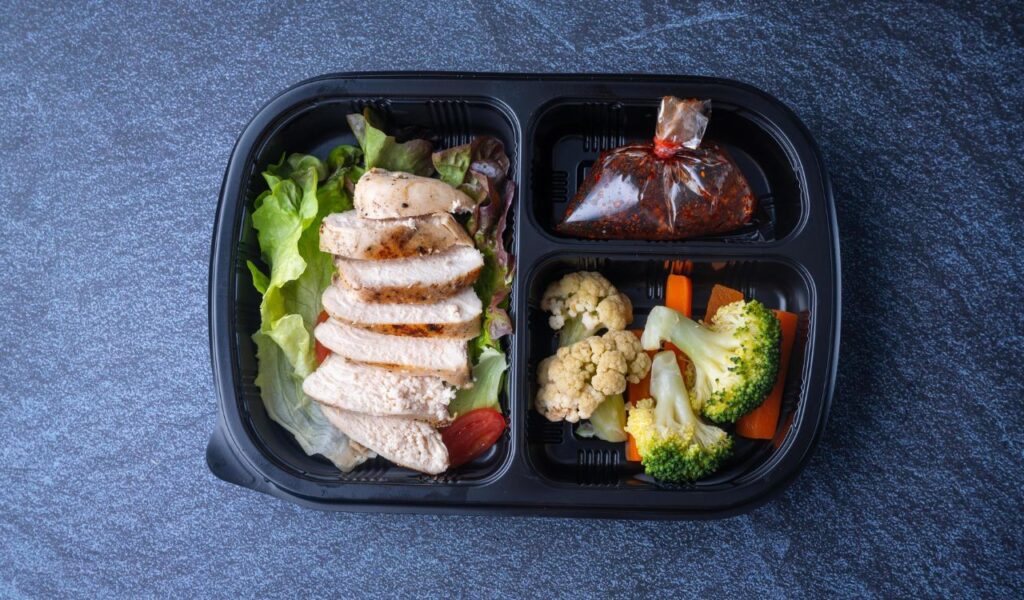
Plastic containers are convenient, lightweight, and inexpensive, which is why they dominate modern kitchens. They stack easily, seal tightly, and seem harmless at first glance. What’s often overlooked is that plastic is not an inert material. It is made from polymers blended with additives that provide flexibility, clarity, and durability. These additives are not permanently locked into the plastic structure. Over time, especially during storage, they can interact with the food they touch. This interaction is subtle and gradual, rarely causing visible spoilage, but it can quietly change how food tastes, smells, and ages inside the container. Those small shifts often go unnoticed until food no longer tastes quite right.
Food chemistry plays a major role in how plastic behaves during storage. Moisture, acidity, fat content, and temperature all influence how easily compounds move between plastic and food. Fatty and acidic foods are especially effective at pulling substances from plastic surfaces, even when containers are labeled food-safe. Heat accelerates this process further, increasing interaction during storage or reheating. While plastic may not immediately ruin food, it can slowly affect quality with repeated use. Understanding that plastic reacts rather than remains neutral helps explain why it isn’t always the best option for long-term storage or foods sensitive to flavor and texture changes.
Chemical Migration Risks
One of the biggest concerns with plastic containers is chemical migration, a slow process that often goes unnoticed. Plastic is made with additives that give it flexibility and durability, but those additives are not permanently fixed. Over time, small amounts can move into food, especially during storage. Heat dramatically accelerates this process, which is why microwaving food in plastic or pouring hot leftovers into containers raises concern. Even without heat, extended storage allows gradual transfer. The process does not change food instantly, but repeated exposure over weeks or months can quietly alter food quality and increase contact with unwanted compounds.
Certain foods make chemical migration more likely because of how they interact with plastic. Fatty foods act like solvents, pulling compounds from container surfaces more easily than dry foods. Acidic foods, such as tomato-based dishes or vinegar-rich leftovers, can weaken plastic structure and increase transfer. Scratches, cloudiness, and wear make the problem worse by exposing more surface area. While safety limits exist, they are based on short-term exposure. Daily use over long periods can increase cumulative contact, making container material an important part of safer, more thoughtful food storage.
Foods That React Poorly
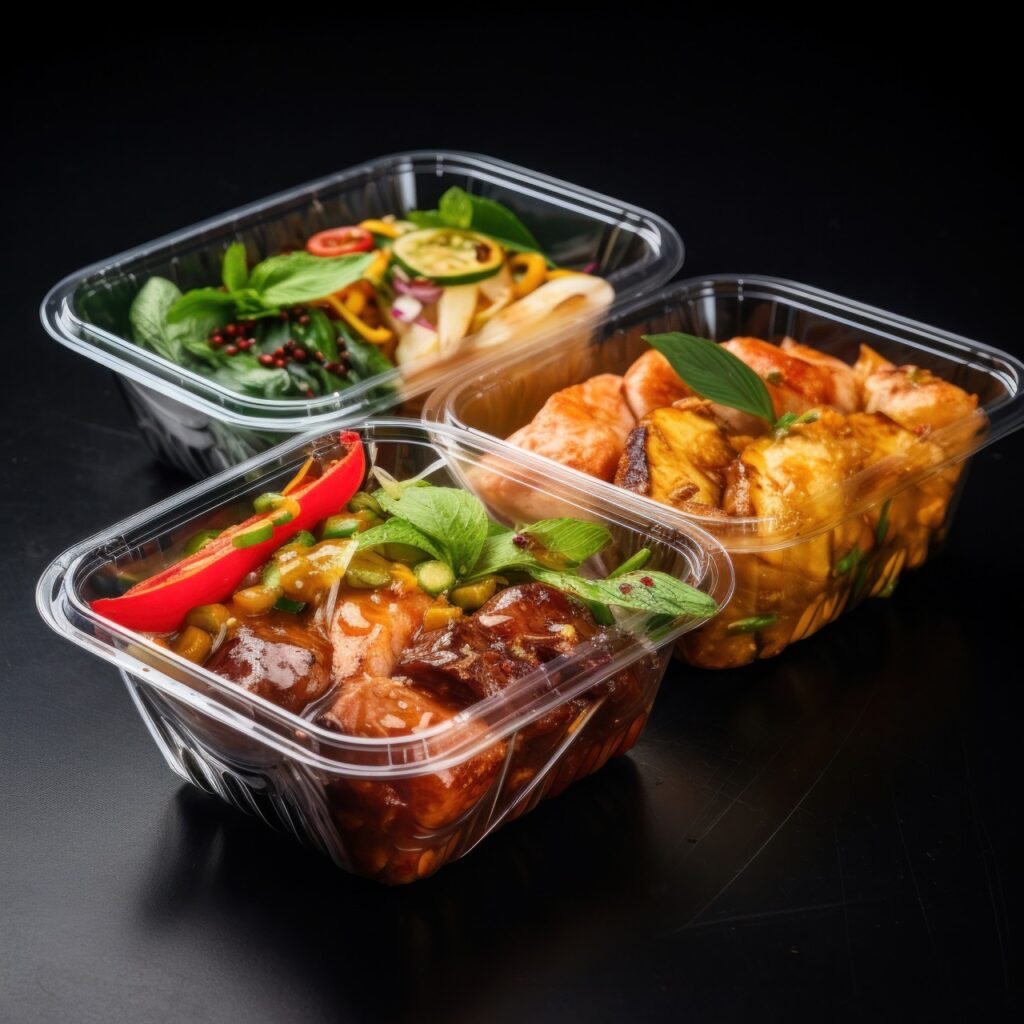
Not all foods behave the same way when stored in plastic, and some react far more aggressively than others. High-fat foods such as cooking oils, nut butters, cheese, and cooked meats interact strongly with plastic surfaces. Fat acts like a solvent, pulling compounds from the container more easily than dry or low-fat foods. Over time, this can lead to subtle flavor changes, unwanted odors, and faster breakdown of the container itself. Acidic foods create a similar problem. Tomato sauces, citrus-based dishes, vinegar-heavy leftovers, and fermented foods can weaken plastic at the surface, increasing absorption and transfer.
Heat adds another layer of risk for foods stored in plastic. Placing freshly cooked meals directly into plastic containers speeds up chemical movement and can permanently damage the container’s structure. Warping, cloudiness, and lingering smells are signs that plastic has been stressed. Strongly pigmented foods like curry, chili, or tomato-based stews stain plastic easily, which signals that compounds are being absorbed and retained. Those stains are not just cosmetic. They trap flavors that can transfer to future meals, even after washing. Over time, this makes containers harder to clean and less suitable for storing delicate or neutral foods.
Flavor and Quality Loss
Even when health concerns are set aside, plastic containers can quietly undermine food quality in noticeable ways. Plastic is porous at a microscopic level, which means it absorbs and retains odors and flavors over time. Strong-smelling foods like garlic, onions, or spicy sauces leave traces behind that are difficult to remove completely. Those lingering compounds can transfer to foods stored later, subtly altering taste and aroma. As a result, food may develop muted flavors or faint off-notes that were not present when it was fresh. This gradual flavor crossover often goes unnoticed until meals taste less vibrant, even though ingredients and cooking methods have not changed.
Texture is another area where plastic storage falls short. Plastic does not manage moisture well, trapping condensation that can lead to soggy vegetables, slimy leftovers, or prematurely wilted produce. Dry foods stored in plastic may lose crispness faster or absorb unwanted humidity. Foods that rely on airflow or stable humidity suffer the most, as plastic creates an uneven storage environment. Glass, metal, and ceramic containers offer better moisture control and do not retain past odors. When food seems to spoil faster, lose structure, or taste dull, the container itself is often a contributing factor rather than the recipe or ingredients.
Better Storage Alternatives
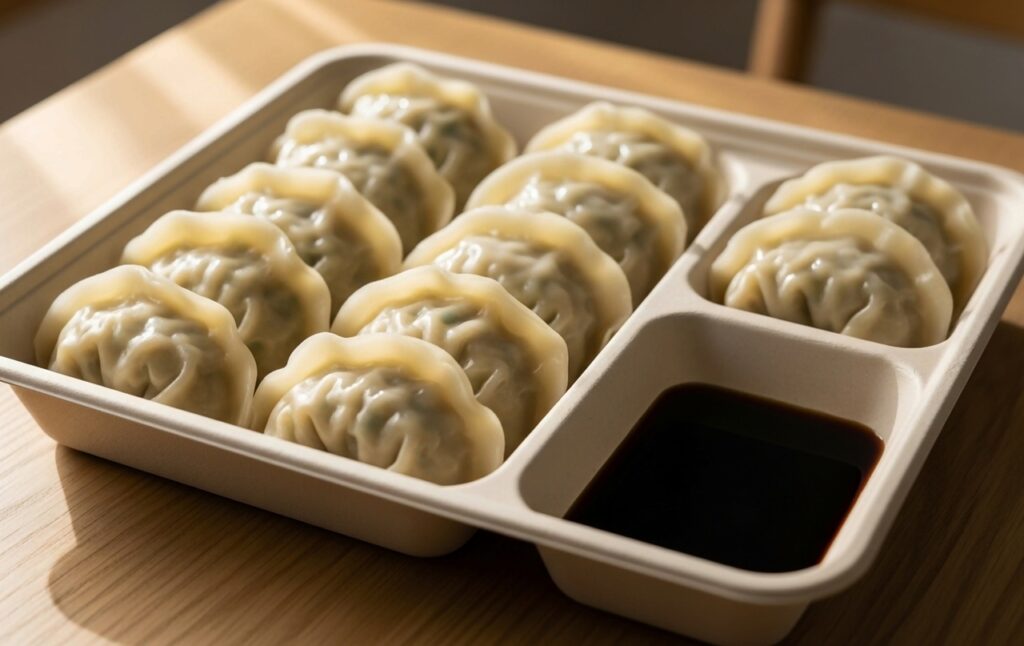
Safer storage alternatives to plastic are easier to adopt than many people expect, and they often outperform plastic in everyday use. Glass containers are one of the most reliable options because they are non-reactive and remain stable for most foods. They do not absorb odors, stains, or flavors, which keeps food tasting clean over time. Glass also handles temperature changes well, making it suitable for hot leftovers, refrigeration, and reheating. Because it doesn’t degrade with repeated washing, glass maintains its integrity far longer than plastic. This makes it especially useful for acidic sauces, oily foods, and strongly seasoned meals.
Stainless steel offers another durable alternative, particularly for dry foods, lunches, and on-the-go storage. It is lightweight, impact-resistant, and chemically stable, which means it won’t react with food or leach compounds over time. While it isn’t ideal for microwaving or acidic foods meant for long storage, it excels at protecting flavor and texture during transport. Ceramic containers with food-safe glazing provide strong insulation and flavor protection for leftovers and pantry items. For short-term needs, beeswax wraps and silicone bags replace disposable plastic for produce and snacks. Choosing storage based on food type preserves quality, reduces waste, and keeps meals closer to how they were meant to taste.
Reference
- What Not To Store In Plastic Food Containers – yahoo.com
- 10 Things You Should Never Store In Plastic Containers – southernliving.com
- 6 Foods You Should Never Store in Plastic, According to Experts – eatingwell.com