10 Snacks Gen Z Is Bringing Back and Making Cool Again

Gen Z’s influence on snacking culture is reshaping shelves with a mix of nostalgia, global curiosity, and modern wellness priorities. Instead of relying solely on new inventions, this generation is rediscovering classic snacks and giving them fresh relevance through updated flavors, cleaner ingredients, and playful packaging. Their choices reflect a desire for convenience, personality, and emotional connection in everyday eating. By bringing back these favorites, Gen Z is redefining what a modern snack can be while keeping familiar comforts alive.
1. Energy Drinks and Caffeinated Fruity Beverages

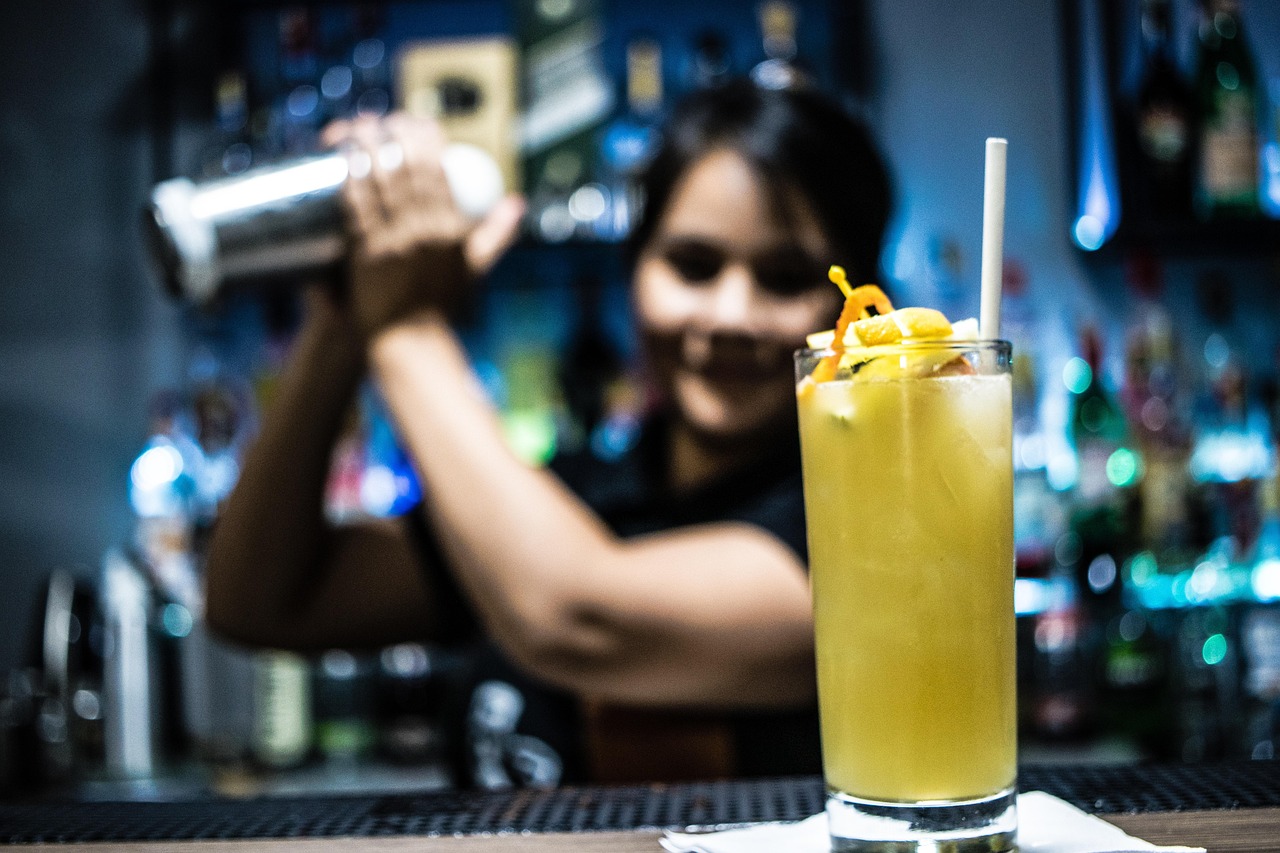
Gen Z’s revival of brightly flavored caffeinated drinks reflects a broader shift toward beverages that feel both nostalgic and functional. These drinks often blend fruit-inspired sweetness with energizing formulas that support long study sessions, commutes, or gig economy schedules. What makes them distinct is how they merge childhood flavor memories with the adult need for alertness. Unlike older generations who leaned on coffee or traditional sodas, Gen Z gravitates toward drinks that promise quick stimulation without feeling heavy or bitter. This trend is shaped by social media aesthetics, convenience, and the desire for beverages that double as expressive lifestyle symbols rather than simple refreshments.
2. Mini and Bite-Sized Crunchy Snacks

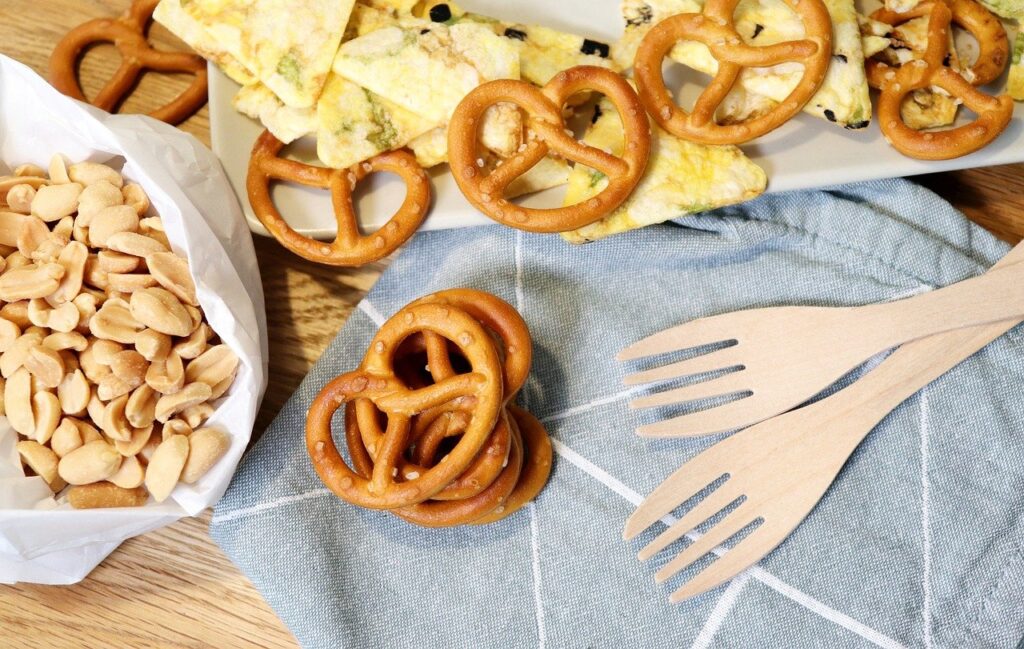
Small-format snacks have become staples for Gen Z because they offer portion control, flexibility, and shareability in one package. These bite-sized items fit naturally into a lifestyle where traditional meal structures are often replaced by grazing throughout the day. Their size encourages better pacing when snacking while still delivering the satisfying crunch that many consumers crave. The renewed interest in miniature snacks stems from their portability and the way they effortlessly complement multitasking environments such as remote work, studying, or commuting. In effect, these compact snacks represent how convenience and sensory satisfaction can coexist in a fast-moving world.
3. Sweet and Spicy Flavor Combinations
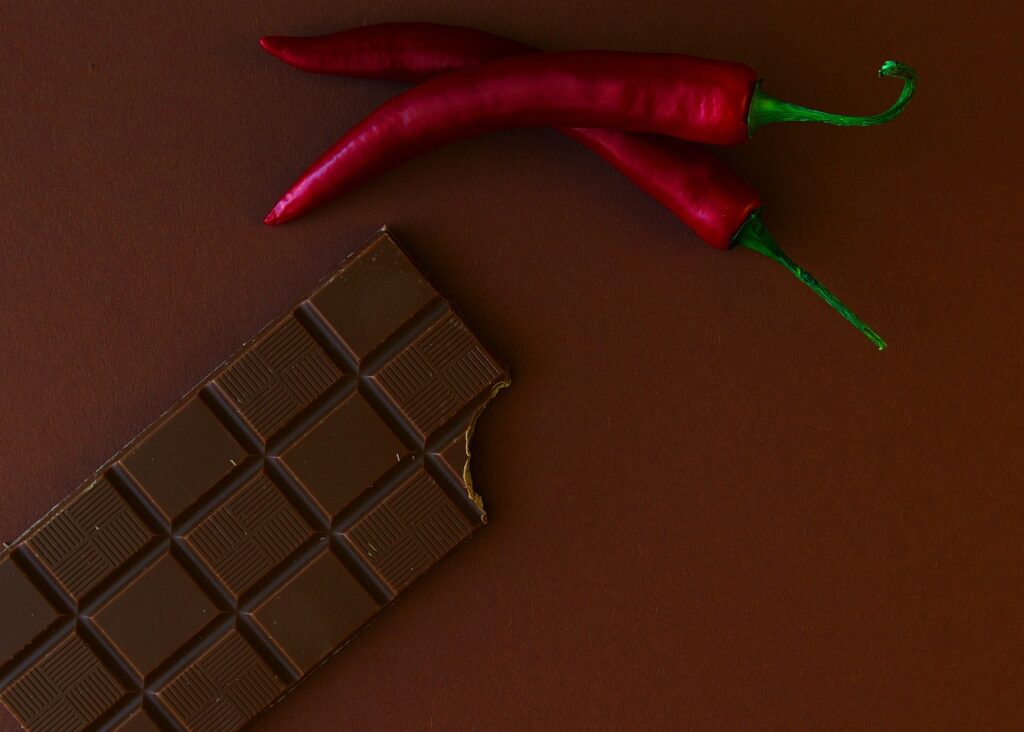
The resurgence of sweet and spicy snacks mirrors Gen Z’s willingness to embrace bold, layered flavors that challenge traditional taste boundaries. These “swicy” profiles balance heat with a touch of sugar, creating a multidimensional snack experience that feels exciting rather than predictable. Their popularity reflects exposure to global cuisines where contrasting flavors are appreciated and celebrated. Younger consumers are drawn to the thrill of intensity and the novelty of foods that offer multiple sensations at once. This preference signals a generation more adventurous in its palate and eager to explore snacks that offer stimulation beyond simple salt or sweetness.
4. Protein-Rich Snack Bars and Functional Snacks
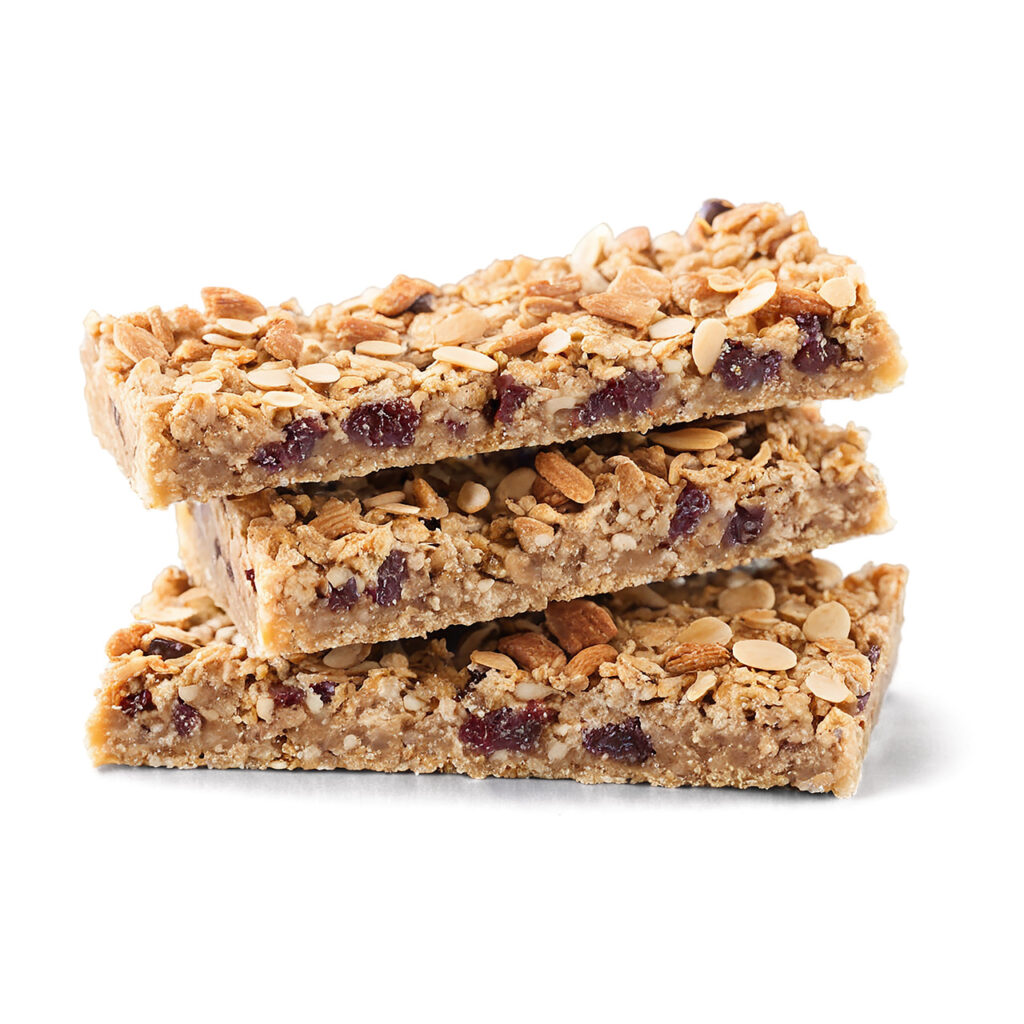
Protein-forward snacks appeal to Gen Z because they address a desire for convenience without compromising nutritional benefits. With busy schedules and irregular eating patterns, many younger consumers reach for snacks that deliver sustained energy and support performance. Functional bars and bites often include added fiber, vitamins, or adaptogens, which align with Gen Z’s interest in preventive health and wellness. These snacks are not treated as mere treats but as dietary tools that help bridge the gap between meals. The renewed popularity of protein-based snacks demonstrates how generational eating habits blend practicality with self-care in a way that previous snack categories did not emphasize.
5. Nostalgic Childhood Snacks Making a Comeback
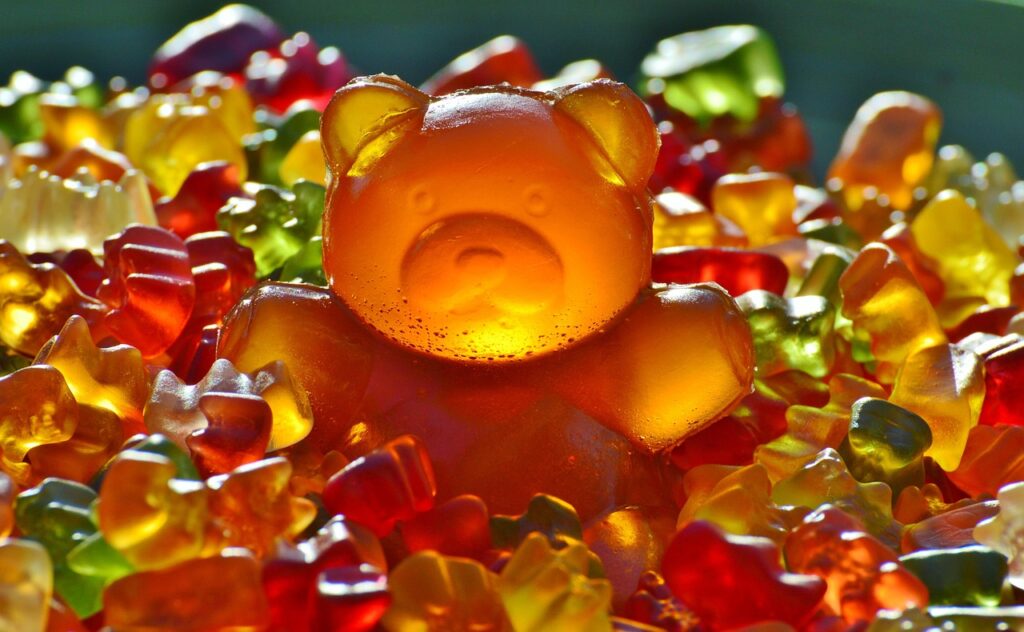
Gen Z’s embrace of childhood snack brands reflects a deeper cultural trend rooted in comfort, identity, and shared memory. Many of these snacks were discontinued or overlooked for years, yet social media has given them new visibility and revived old enthusiasm. Younger consumers enjoy revisiting treats tied to their earliest experiences because they offer emotional familiarity during times of complexity. This nostalgia-driven trend pairs well with modern branding updates, making old snacks feel both retro and relevant. The resurgence also highlights how food can act as cultural shorthand, connecting generations while simultaneously shaping new consumption patterns.
6. International and Global Flavor Snacks
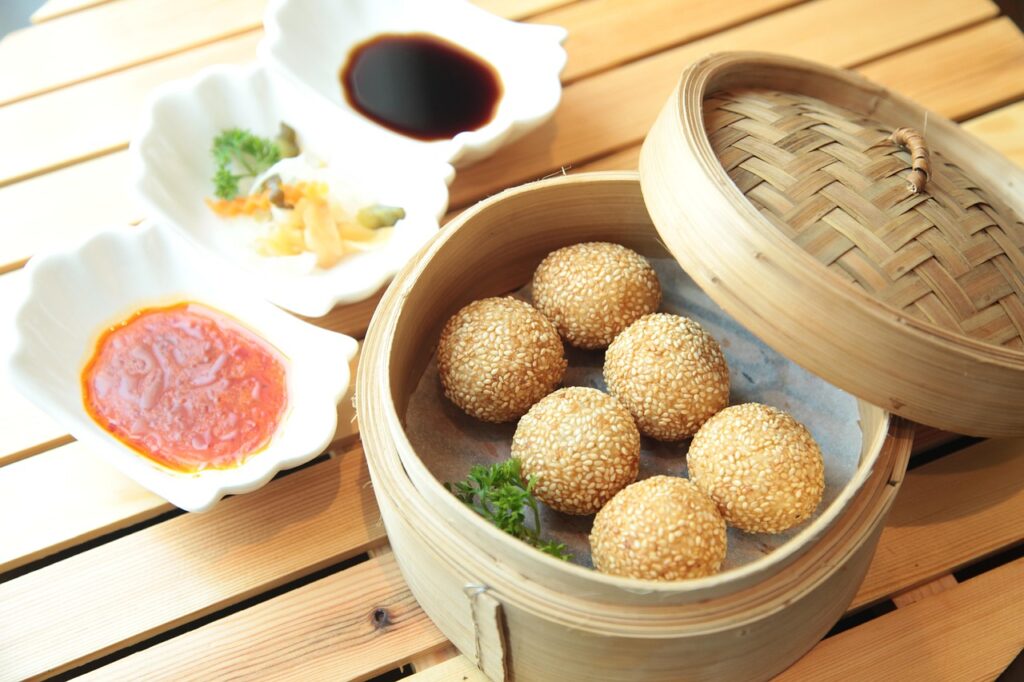
Gen Z leads with an openness toward global flavors, often selecting snacks inspired by Asian, Latin American, or Middle Eastern cuisines. These choices reflect a broader cultural fluidity where foods are not confined to regional boundaries but embraced for their authenticity, intensity, and storytelling potential. Younger consumers appreciate the way international snacks introduce new textures and spices that differ from conventional American options. This trend also demonstrates how global accessibility, streaming culture, and digital communities have made cross-cultural eating more intuitive and appealing than ever.
7. Sustainable and Clean Label Snacks
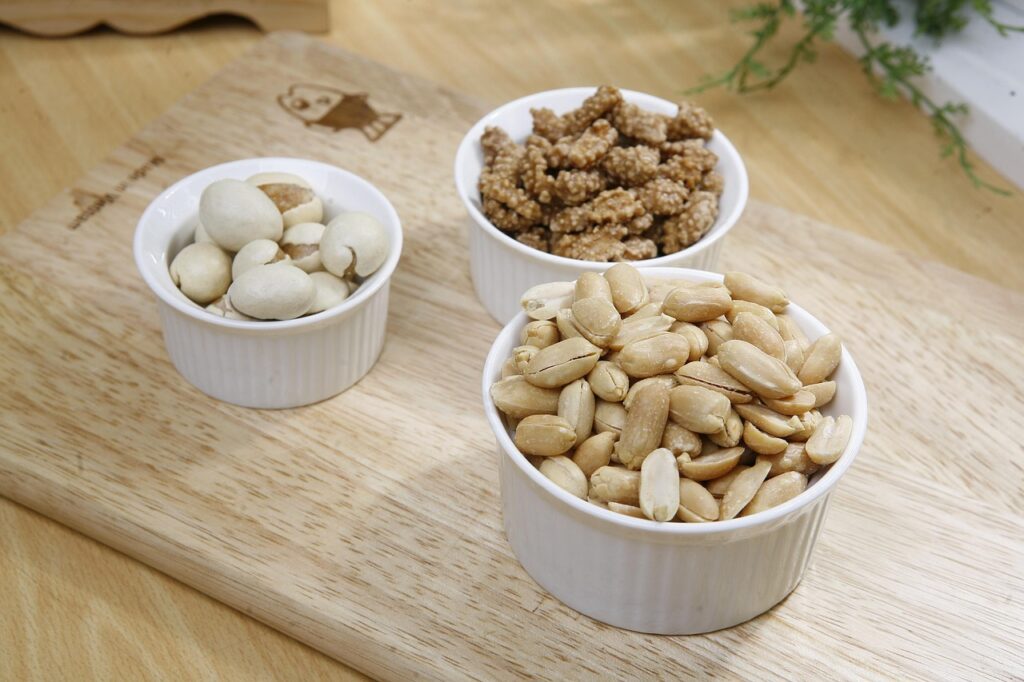
Snacks positioned as sustainable or clean label resonate strongly with Gen Z because transparency and environmental responsibility have become core purchasing values. Products with fewer artificial ingredients, allergen-friendly formulations, and ethically sourced components reflect a desire for food choices that align with personal ethics. These snacks stand out not only for what they include but for what they intentionally omit. Gen Z is more likely to scrutinize labels and seek brands that articulate clear environmental commitments.
8. Snack Cakes, Muffins, and Packaged Bakery Treats

Packaged bakery items have found renewed relevance among younger consumers who often replace traditional breakfasts with convenient snacks. These treats offer a quick, portable solution that fits into inconsistent morning routines and varying schedules. For Gen Z, the appeal lies in a combination of nostalgia, indulgence, and convenience. Instead of sitting down for a full meal, many choose a sweet or soft-baked snack that can be eaten while multitasking. This revival highlights how snack foods have shifted to accommodate changing lifestyles where structure and timing are flexible. The trend also underscores the enduring charm of bakery flavors that evoke comfort even in grab-and-go form.
9. Low-Calorie or Air-Popped Chips

Low-calorie snacks and air-popped chips are becoming popular again because they offer familiar crunch without the heaviness of traditional fried snacks. Gen Z values moderation and often seeks options that support wellness without sacrificing flavor. Air-popped textures feel modern and lighter, catering to consumers interested in mindful eating rather than strict dieting. These snacks satisfy cravings while minimizing added oils and fats. Their resurgence also reflects a broader movement toward transparency in preparation methods and a preference for snacks that feel less processed while still being convenient and enjoyable.

Gen Z gravitating toward snacks with striking packaging and convenient formats reflects the importance of social identity in their purchasing choices. Bright colors, creative designs, and resealable or portion-friendly packaging make these snacks more than just food items. They become accessories, conversation pieces, and elements of online expression. Shareable packaging also supports communal eating, which fits naturally into Gen Z’s socially interconnected lifestyle. The trend underscores how packaging, usability, and visual impact shape modern snacking habits.