Why You Shouldn’t Toss Fruit Containers According to a Gardener

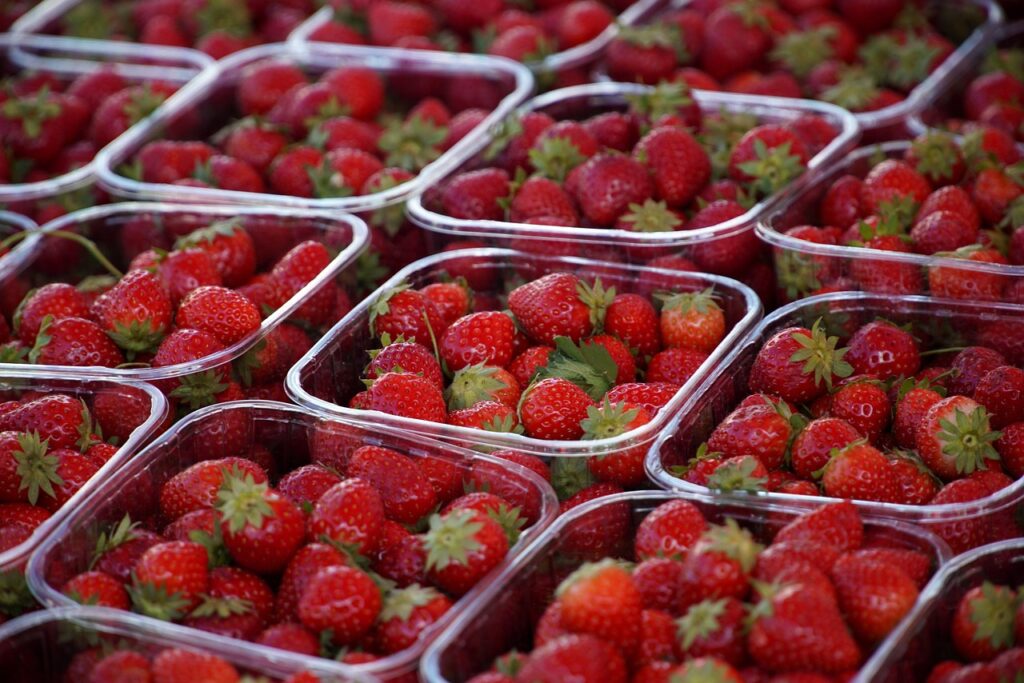
Most people see plastic berry boxes and clamshell fruit containers as single-use items, but gardeners view them differently. These containers are surprisingly useful in the garden because they are designed with ventilation, durability, and moisture control in mind. Their structure naturally mimics the qualities needed for nurturing young plants and storing delicate produce. Instead of heading straight to the trash, they can become practical tools that support sustainable gardening and better food storage.
How Everyday Produce Containers Double as Garden Tools
Fruit containers are already built to protect fragile berries during transport, which makes them perfect for sheltering tender seedlings. Their vented design provides airflow while preventing humidity from building up, much like a miniature greenhouse. Gardeners appreciate that these containers are lightweight, stackable, and easy to move, making them convenient for growing spaces of all sizes. Their usefulness extends beyond planting and into organizing small gardening supplies. Repurposing produce containers reduces plastic waste and decreases the demand for single-use gardening products. Every time a container is reused, it offsets the need to purchase seed trays or greenhouse lids made from new plastic.
Before reusing any produce container, proper cleaning is essential. These boxes often carry remnants of fruit juice or natural sugars that can attract pests or promote mold. Washing them thoroughly with warm, soapy water ensures they are safe for handling soil and seedlings. Drying them completely is equally important because trapped moisture can harbor bacteria. Preparing them correctly extends their lifespan and makes them reliable tools for multiple planting cycles.
Practical Garden Uses for Fruit Containers
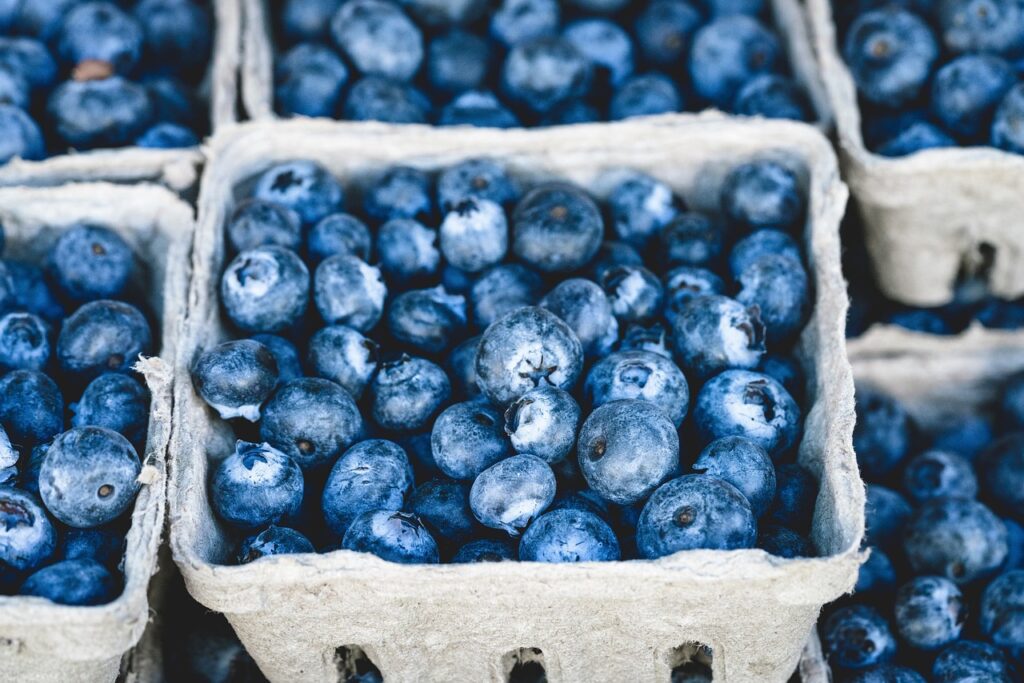
A single fruit container can serve several gardening purposes, each one leveraging its built-in ventilation and transparency. These qualities make them especially valuable for starting plants, protecting delicate cuttings, and storing small harvests. Gardeners often experiment with different uses and discover that these containers adapt well to many stages of plant growth. Many gardeners rely on fruit containers for seed starting because the lid and airflow slots mimic the conditions of a greenhouse. Seeds need warmth, humidity, and gentle light to sprout, and these containers naturally provide that balance.
Produce boxes are excellent for propagating cuttings because they hold moisture without trapping excess water. When used as propagation chambers, they maintain a stable environment that protects fragile plant material during its early growth stage. Gardeners also use them to transport small transplants, as the sturdy sides shield tender roots and stems. Their lightweight build makes them easy to carry from indoors to outdoors during acclimation. The same ventilation that protects store-bought fruit works perfectly for homegrown harvests. Berries, cherry tomatoes, herbs, and other delicate produce stay fresher longer in containers that allow air to circulate.
Storage and Food Safety Considerations
Fruit containers are useful beyond gardening because their design helps maintain freshness for certain types of produce. However, like any storage tool, they have limitations. Understanding when to use them and when to avoid them ensures food remains safe and flavorful. Many fruits release moisture as they sit, and containers with vents prevent that moisture from accumulating. Without ventilation, humidity encourages mold growth and speeds up spoilage. The holes in fruit containers allow airflow that keeps surfaces drier and delays deterioration. This feature is especially effective for berries, which spoil quickly when stored in sealed environments.
While these containers work well for breathable storage, they are not suitable for all types of produce. Items that lose moisture quickly, like leafy greens, dry out faster when exposed to airflow. Highly aromatic foods may absorb odors if stored in reused plastic, and acidic foods can degrade plastic over time. Recognizing these limitations prevents misuse and supports healthier storage habits.
Avoiding Common Mistakes With Reused Containers
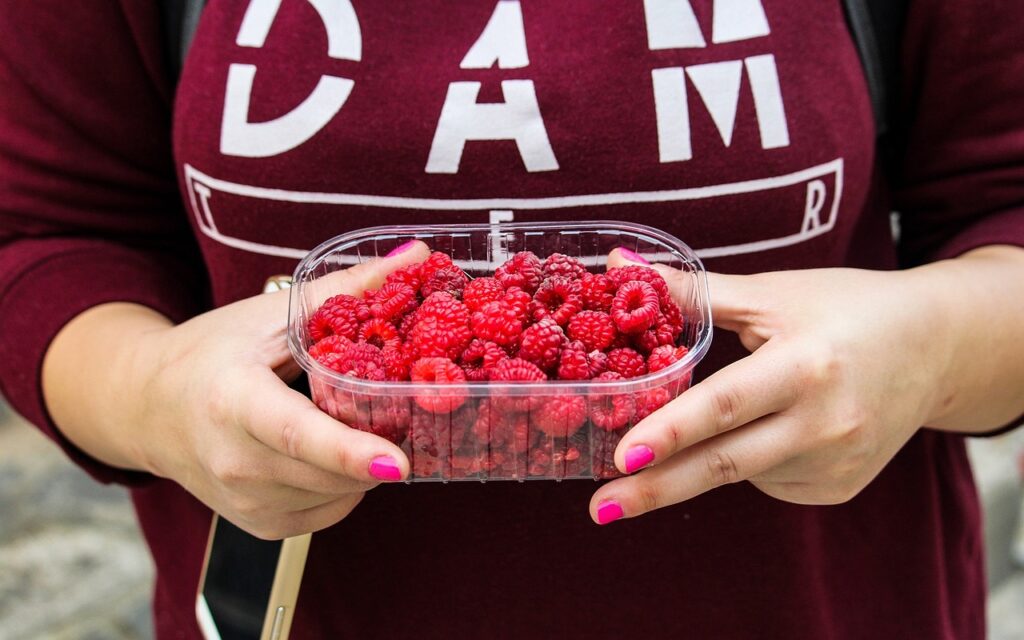
Reusing fruit containers is simple, but a few common mistakes can reduce their effectiveness. Proper cleaning, handling, and organization help maintain food quality and prevent contamination. These small steps ensure the containers stay reliable for multiple uses. Residual sugars, moisture, or fruit debris left inside a container can promote bacterial growth. Cleaning with soap and warm water removes these residues. Completely drying the container prevents mold, which thrives in damp conditions. Thorough cleaning also keeps the container suitable for seeds or soil, where cleanliness is especially important for preventing disease.
Extending the Life of Plastic Containers: Tips for Maintenance
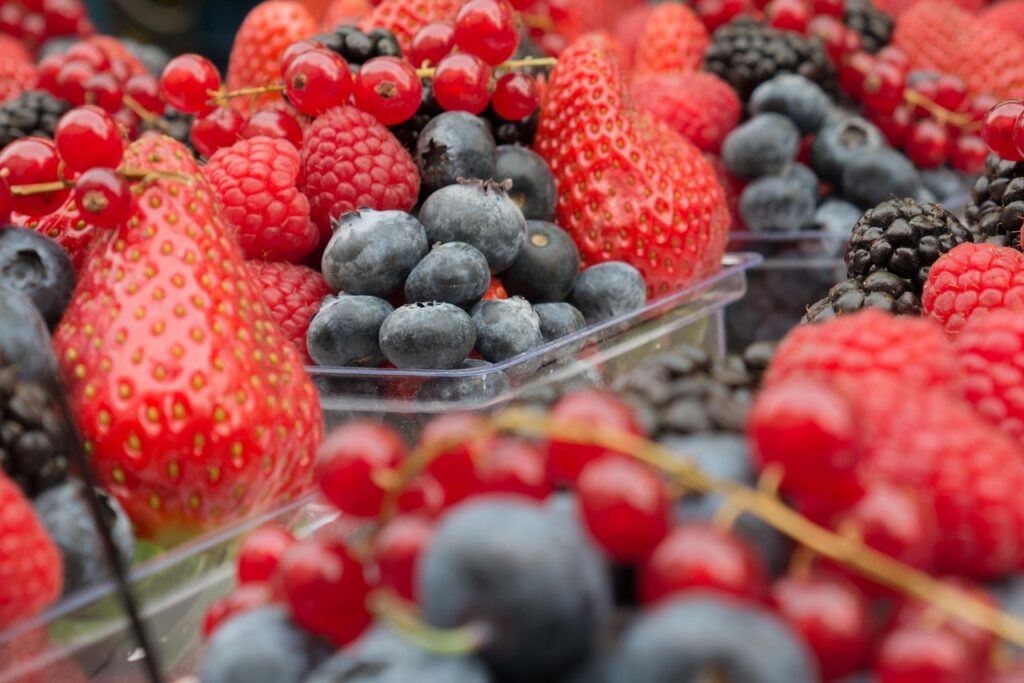
Keeping reused containers in good condition helps reduce waste and ensures reliable performance season after season. With proper care, many fruit containers can last far longer than their original purpose. Rinsing fruit containers right after removing the produce prevents stains and sticky residues from forming. Early cleaning keeps the plastic from absorbing odors and reduces the need for vigorous scrubbing later. This simple habit also prevents mold from taking hold in small crevices that are harder to clean once dried. Before reusing any container, checking for cracks is important to ensure stability and hygiene.
References
- Gardener shares why you shouldn’t throw away fruit containers: ‘I’d never thought of this before’ – thecooldown.com
- 10 Produce Storage Mistakes To Avoid – tastingtable.com