Why Many Chain Restaurants Are Simplifying Menus Across the U.S.


Restaurant menus across the United States once expanded steadily as chains tried to offer something for every taste. Over time, that strategy created long menus filled with dozens of options. Today, many chains are moving in the opposite direction. Restaurants are trimming items and focusing on smaller, clearer selections. This shift is driven by practical reasons that affect both customers and kitchens. Faster service, lower costs, simpler operations, and stronger brand identity all contribute to the move toward streamlined menus.
The Problem of Menu Overload

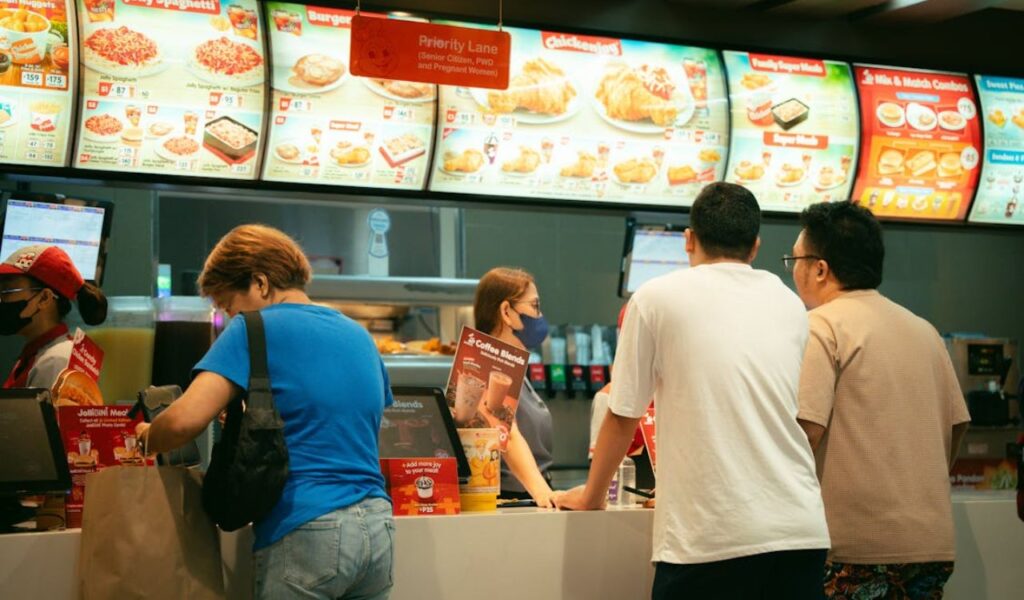
Restaurant menus did not always contain dozens of options. Over the past few decades, many chains have expanded their offerings to appeal to as many customers as possible. Burgers, wraps, salads, breakfast items, specialty drinks, and limited-time creations gradually crowded menu boards. Some quick service restaurants moved from a few dozen items to well over one hundred choices. As menus expanded, restaurants hoped variety would attract more customers and encourage repeat visits. The belief was simple. More options seemed like a better way to satisfy different tastes. Many brands thought constant expansion would keep their menus exciting.
However, the growing number of options created unexpected problems for both customers and employees. When diners face too many choices, ordering can become slower and more stressful. Studies of consumer behavior show that excessive options can lead to decision fatigue, making customers hesitate longer before choosing what to order. Restaurants began noticing that longer menus often slowed ordering lines and created confusion during busy hours. Customers sometimes spend extra time reading boards instead of placing orders quickly. This delay can affect service speed during peak periods. These small delays add up throughout the day.
Large menus also make it harder for customers to identify what a restaurant is truly known for. When every possible item appears on the board, the brand’s core identity can become less clear. Instead of highlighting a few memorable dishes, an overloaded menu spreads attention across too many items. For many chains, this situation gradually weakened the clarity of their brand message. Customers might struggle to remember what the restaurant specializes in. The most recognizable items become buried among dozens of alternatives. Over time, many chains realized that fewer choices could actually strengthen their identity.
The Push for Faster Service

Speed has always been a defining feature of quick service restaurants. Customers expect fast ordering, quick preparation, and minimal waiting time. When menus grow too large, preparing food becomes more complicated. Kitchen staff must manage a wider range of ingredients and cooking steps, which can slow the entire operation during peak hours. Each additional menu item introduces a new preparation process. Employees must remember more recipes and cooking steps. Equipment may be used for multiple dishes at once. All of these factors can slow down the flow of orders.
Drive-through service makes this challenge even more important. A large share of revenue for many chains comes from drive-through orders, where speed directly affects sales. When the kitchen must prepare dozens of different items, order accuracy can decline, and wait times can increase. Simplifying the menu allows restaurants to focus on preparing a smaller set of dishes more efficiently. Faster preparation improves the overall experience for customers waiting in line. Shorter wait times encourage repeat visits. Quick service remains a major competitive advantage in the industry. Many chains, therefore, treat speed as a central goal.
A streamlined menu also improves coordination inside the kitchen. Employees become more familiar with a limited set of recipes and preparation methods. This familiarity speeds up cooking and reduces mistakes during busy periods. As a result, restaurants can process orders faster and keep lines moving smoothly. Workers gain confidence when they repeat the same tasks regularly. Training new staff becomes easier with fewer dishes to learn. Managers can organize kitchen stations more efficiently. These improvements help restaurants maintain consistency during high-demand periods.
Improving Consistency Across Locations
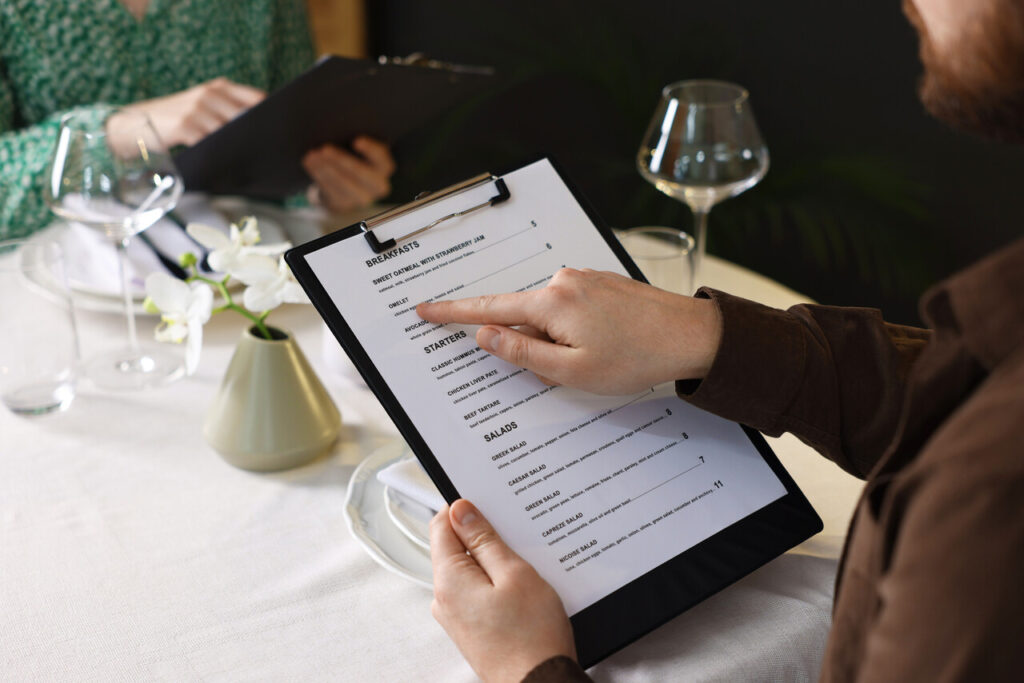
Maintaining consistent food quality across hundreds or even thousands of locations is one of the biggest challenges for large restaurant chains. When menus contain too many items, each location must manage a wider range of ingredients, preparation methods, and cooking steps. This complexity increases the risk of mistakes and uneven results. Simplifying the menu helps restaurants standardize how dishes are prepared across different kitchens. With fewer recipes to follow, employees can focus on preparing each item correctly every time. Kitchen teams spend less time switching between complicated tasks. Clear procedures help staff work more confidently during busy hours.
Consistency becomes especially important for national brands that promise the same experience in every location. Customers expect their favorite meal to taste the same whether they visit a restaurant in one city or another. A smaller menu makes it easier to maintain that reliability. Staff members repeat the same preparation steps throughout the day, which improves accuracy and confidence in the kitchen. Over time, this consistency strengthens customer trust and reinforces the brand’s reputation. Reliable quality encourages customers to return regularly. Familiar results also make it easier for chains to maintain strong brand loyalty.
Creating Space for Limited-Time Specials
A streamlined menu also gives restaurants more flexibility to introduce temporary items throughout the year. Seasonal promotions and limited-time offers allow chains to test new flavors without permanently expanding the menu. When the core menu remains small and stable, these special items can receive more attention from customers. This approach keeps the menu interesting while preventing it from becoming overly complicated. Limited-time items also allow brands to experiment with trends. New ingredients or flavors can be tested without long-term commitment. Frequent updates help keep regular visitors engaged.
Limited-time items also create excitement that encourages customers to visit sooner rather than later. When a special burger, drink, or dessert is available for only a short period, customers feel a stronger urge to try it before it disappears. Restaurants benefit from this sense of urgency because it can increase traffic and generate conversation around the brand. By keeping the permanent menu simple, chains can more easily rotate promotions and maintain a steady flow of new experiences for their customers. These rotating specials also give marketing campaigns fresh material throughout the year.
Cutting Costs Behind the Counter
Operating costs have become a major concern for restaurant chains in recent years. Ingredients, wages, and supply expenses have all increased, placing pressure on profit margins. Simplifying menus helps restaurants manage these costs by reducing the number of ingredients they must purchase and store. Fewer menu items mean fewer ingredients sitting unused in refrigerators or storage rooms. Bulk buying becomes easier when fewer ingredients are required. Storage areas also become easier to manage. This efficiency helps reduce operational waste. It also allows restaurants to plan inventory more accurately from week to week.
Restaurants also benefit from reduced food waste when menus become smaller. When a kitchen stocks dozens of ingredients for rarely ordered dishes, some of those items may expire before they are used. Removing slow-selling items from the menu helps restaurants use ingredients more efficiently and avoid unnecessary waste. Kitchens can rotate ingredients more quickly. Fresh products are used before they lose quality. This improves both cost control and food freshness. Less waste also benefits environmental sustainability. Many chains now track waste levels closely to improve efficiency. Smaller menus make these monitoring efforts much easier.
Labor expenses also play a role in menu decisions. Preparing a wide variety of dishes often requires additional staff training and more complex kitchen procedures. By focusing on a smaller group of items, restaurants can simplify training and reduce the time needed to prepare each order. Employees can master their tasks more quickly. Training programs become shorter and more effective. Managers spend less time correcting preparation mistakes. These improvements help restaurants control labor costs while maintaining consistent food quality. Overall productivity improves as employees spend less time switching between complicated tasks.
The Influence of Changing Customer Habits

Customer behavior has shifted noticeably in recent years, and restaurant menus have begun adapting to those changes. Many diners now prefer faster ordering and clearer choices rather than spending time comparing long lists of items. Busy schedules often mean customers want to decide quickly and receive their meals without delay. When menus contain too many options, the ordering process becomes slower and more complicated. By simplifying menus, restaurants help customers make decisions faster and move through the ordering line with less hesitation. Clear choices allow customers to feel more confident when placing an order.
Modern dining habits also favor familiarity and reliability. Many customers repeatedly order the same meals each time they visit a particular chain. Restaurants have observed that a small group of items often dominates overall sales. Removing rarely ordered dishes allows chains to concentrate on the foods that customers consistently prefer. This focus makes menus easier to understand while ensuring the most popular meals remain readily available. Familiar choices also provide comfort for regular visitors. Customers often return because they know exactly what to expect. Maintaining those reliable items helps strengthen long-term loyalty.
The Marketing Advantage of Simpler Menus
A shorter menu can also improve how restaurants communicate their brand to customers. When menu boards contain dozens of items, advertising becomes scattered and less memorable. Simplifying the menu allows restaurants to highlight a few signature dishes that represent the brand clearly. These items can then become the focus of promotions, advertising campaigns, and seasonal specials. Customers begin to associate the brand with those core offerings. Clear messaging helps restaurants stand out in a crowded market. Strong signature items also become easier for customers to remember. Over time, these dishes define the brand’s identity.
Marketing teams also benefit from having a clearer message to promote. Instead of spreading attention across many different products, they can concentrate on a small group of standout items. This clarity makes advertising more effective and easier for customers to remember. Over time, strong promotion of signature dishes helps reinforce brand recognition and strengthens the restaurant’s identity in a competitive market. Promotional campaigns can highlight specific meals more consistently. Social media marketing becomes easier when fewer products need attention. This focused strategy helps brands maintain stronger visibility.