Foods Chefs Say Most Home Cooks Prepare the Wrong Way

Cooking at home can be rewarding, but even experienced home cooks sometimes fall into habits that affect the final result. Professional chefs often point out that small technique mistakes can change the flavor, texture, and overall quality of everyday dishes. Foods that seem simple, such as steak, rice, or eggs, require careful timing and attention to detail to turn out properly. Understanding the most common cooking errors can help improve meals quickly. With a few simple adjustments, familiar ingredients can taste better and cook more consistently.
1. Steak
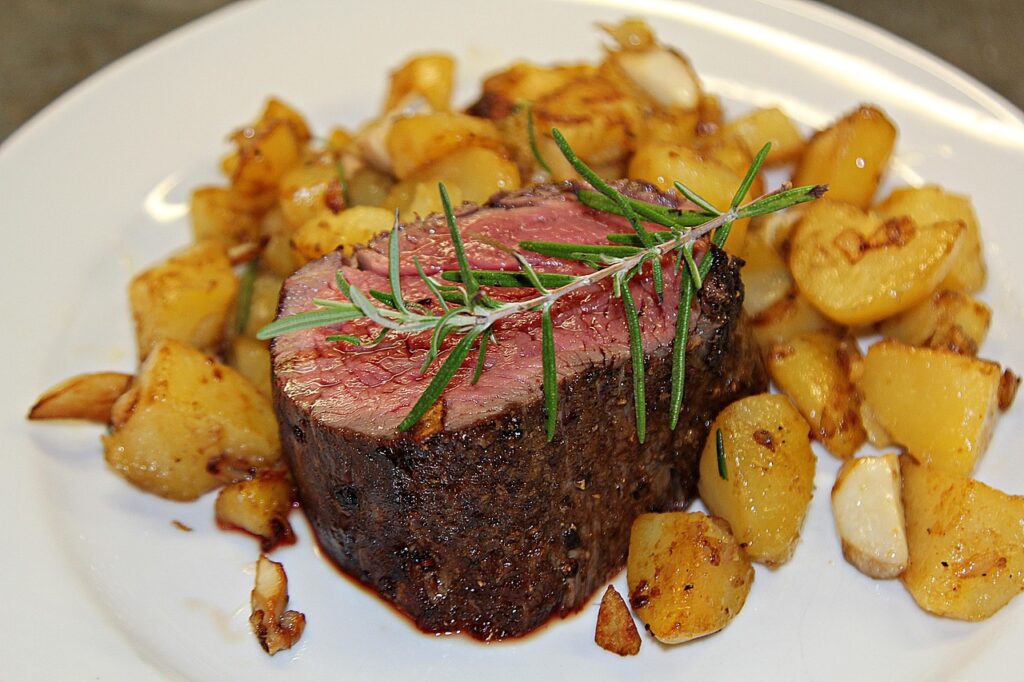
A perfectly cooked steak looks simple, yet it is one of the foods home cooks most often struggle to get right. Many people place the meat in a pan that has not been heated enough. Without sufficient heat, the surface cannot develop the deep brown crust that gives steak its rich flavor.
Professional chefs usually start with a very hot pan or grill. If the pan is only moderately warm, the steak releases moisture and begins to steam instead of searing.
Another common mistake happens after cooking. Many home cooks cut into the steak immediately to check doneness. Doing so releases the juices that keep the meat tender. Allowing the steak to rest for several minutes helps those juices redistribute throughout the meat.
2. Garlic
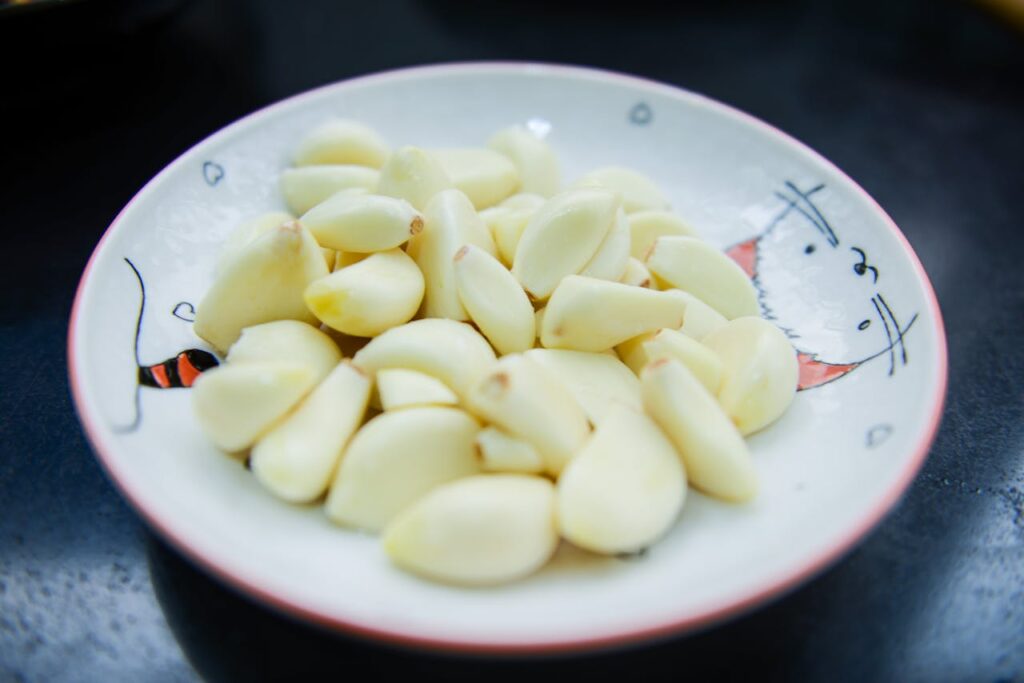
Garlic is one of the most widely used ingredients in cooking, yet it is also one of the easiest to misuse. The cloves are delicate and cook very quickly, which means they can turn bitter if exposed to high heat for too long.
Many home cooks add garlic at the same time as onions or other vegetables that need longer cooking. Because garlic contains natural sugars and sulfur compounds, it browns faster than most ingredients. When it burns, the flavor becomes sharp and unpleasant.
Chefs usually add garlic later in the cooking process or cook it gently in oil over moderate heat. This approach allows the garlic to release its aroma without scorching. The result is a warm, fragrant base that enhances the rest of the dish instead of overpowering it.
3. Rice
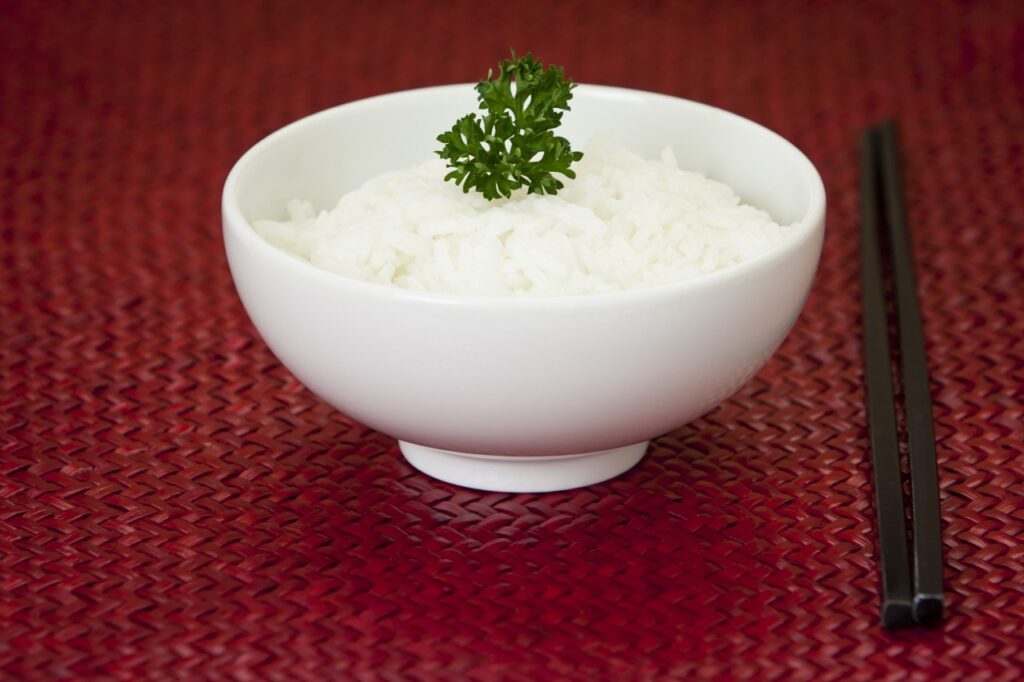
Rice may appear simple, but achieving the right texture requires a few careful steps. One of the most common mistakes is skipping the rinsing process before cooking. Unwashed rice carries excess starch on its surface, which can cause the grains to clump together.
Rinsing rice under cold water removes much of that surface starch. This helps the grains cook more evenly and remain separate. The difference becomes especially noticeable in dishes where a light and fluffy texture is important.
Water ratio also plays a crucial role. Too much water creates mushy rice, while too little can leave the grains undercooked. Measuring the liquid carefully and allowing the rice to steam after cooking helps produce a balanced texture that chefs aim for.
4. Eggs
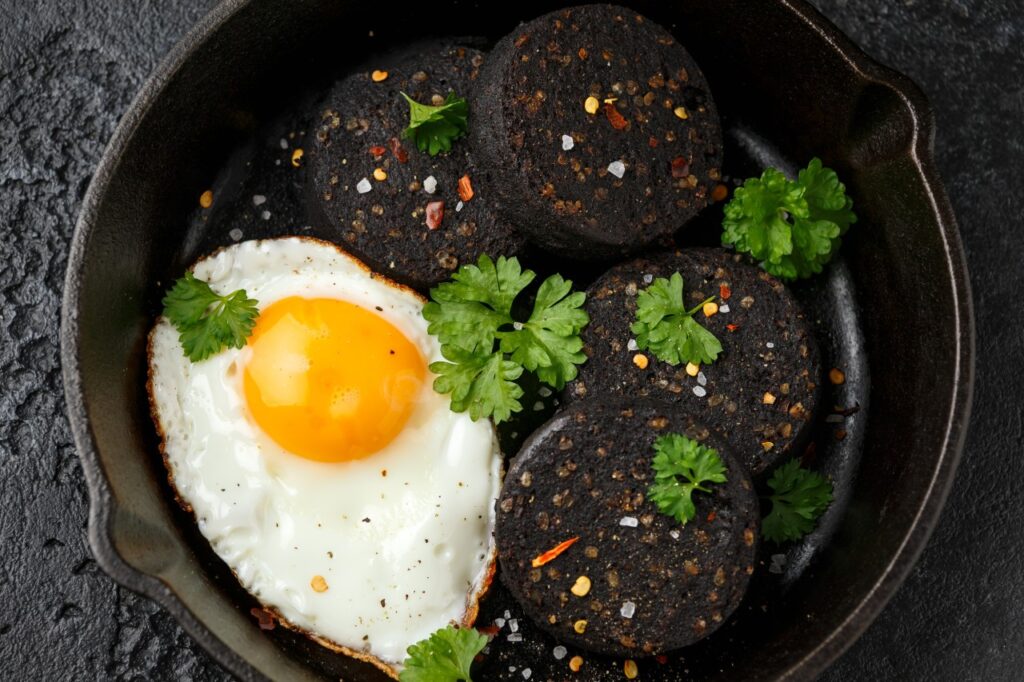
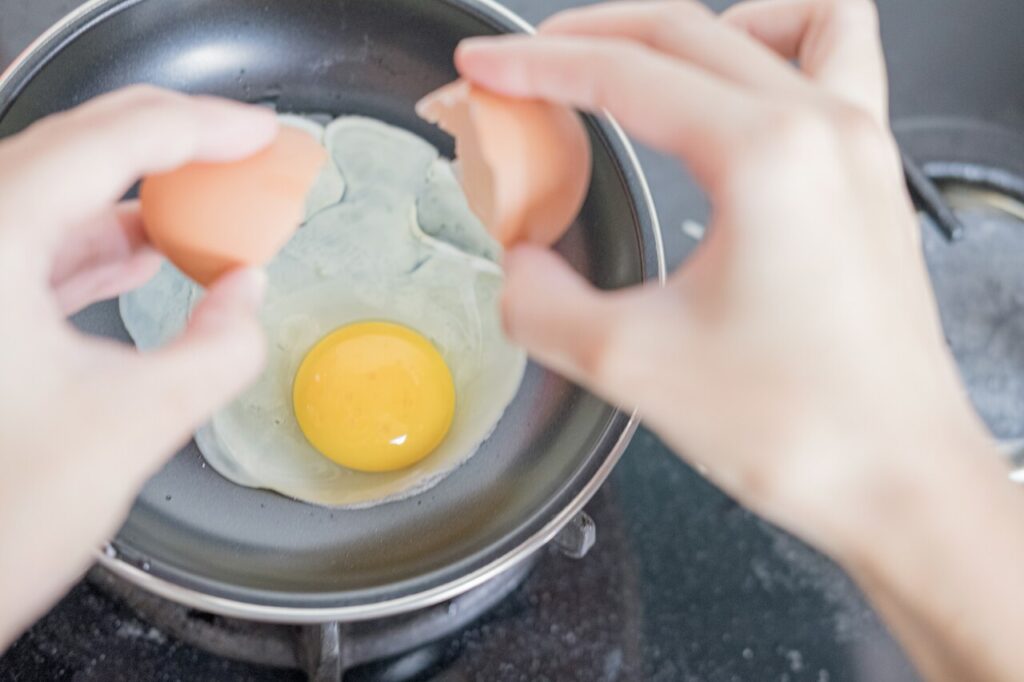
Eggs are a staple ingredient in many kitchens, yet they are frequently overcooked at home. Scrambled eggs and omelets often end up dry or rubbery because they are exposed to heat that is too high.
Egg proteins begin to firm up quickly as they cook. When the heat is intense, the proteins tighten rapidly and squeeze out moisture. This process creates a dense texture that feels tough instead of creamy.
Professional cooks usually prepare eggs over gentle heat and remove them from the pan slightly before they appear fully done. The residual heat continues cooking the eggs while keeping them soft. This technique results in a smooth texture that feels richer and more delicate.
5. Pasta
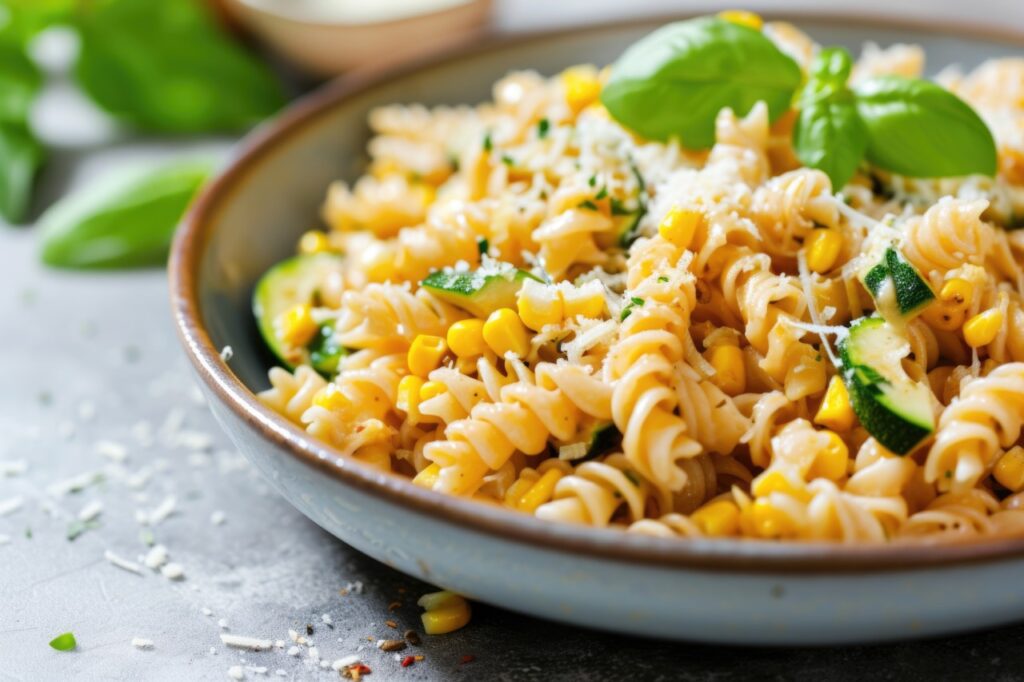
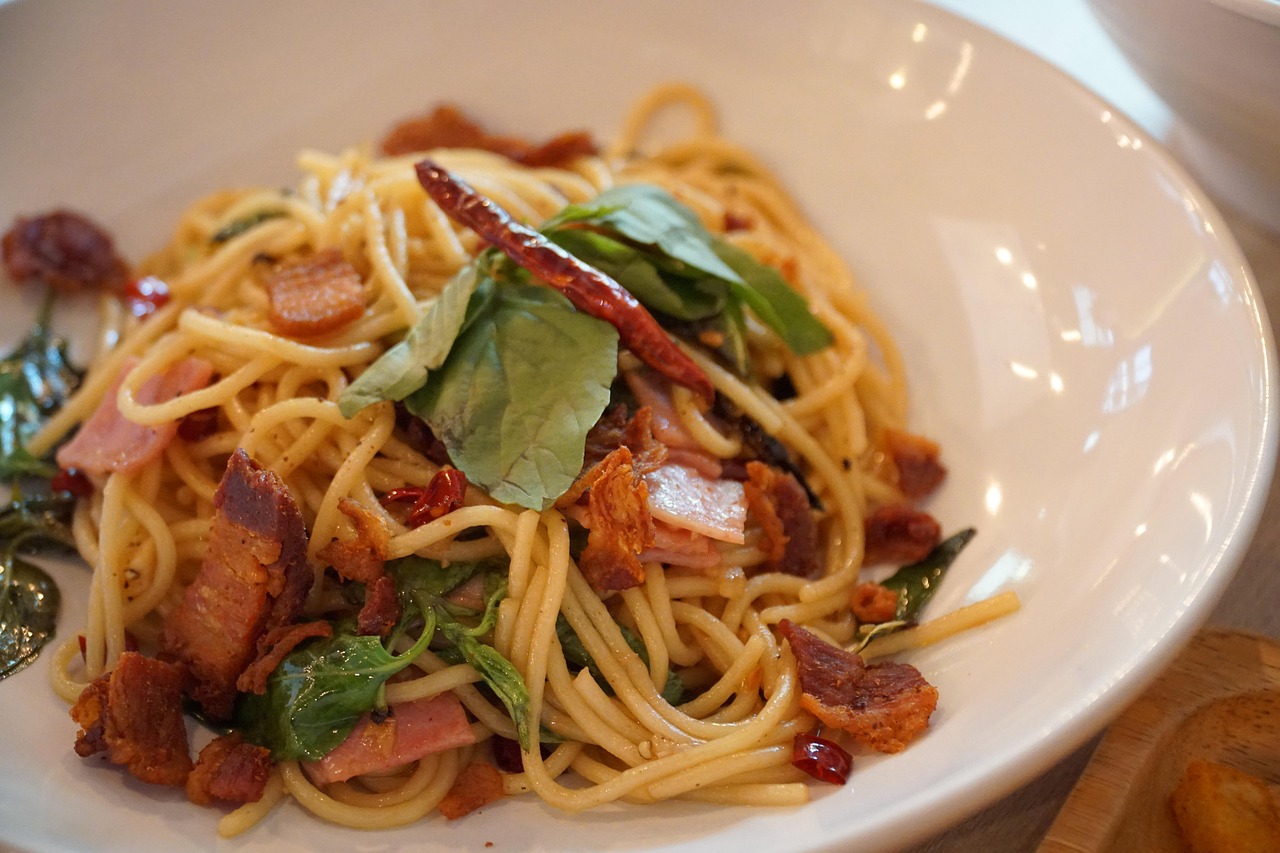
Pasta is a familiar comfort food, but many home cooks overlook one of the most important steps in preparing it. The water used for boiling pasta should be generously salted. Without enough salt, the noodles themselves remain bland.
Salted water seasons the pasta from the inside as it cooks. Because pasta absorbs water during boiling, the salt helps develop flavor throughout each strand or shape. This step creates a stronger base for the final dish.
Another frequent issue is overcooking. Pasta that cooks too long becomes overly soft and loses its structure. Chefs usually aim for a texture known as al dente, which means the pasta still has a slight firmness when bitten.
6. Vegetables
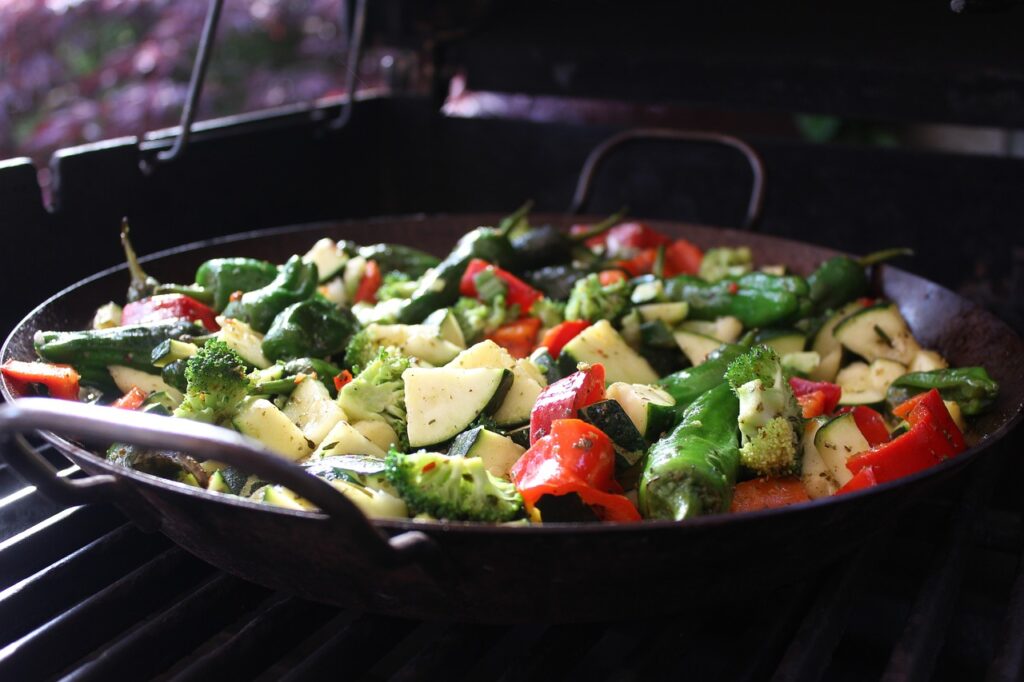
Vegetables can transform a meal when cooked properly, yet they are often mishandled in home kitchens. One common mistake is overcrowding the pan during sautéing or roasting. When too many vegetables are placed in a pan at once, they release moisture and begin to steam.
Steaming prevents vegetables from developing the caramelized surface that gives them deeper flavor. Proper spacing allows heat to circulate each piece, encouraging browning and a more complex taste.
Overcooking is another frequent problem. Many vegetables lose their color, texture, and nutrients when exposed to heat for too long. Chefs typically cook vegetables just until they become tender while still maintaining a slight bite.
7. Meat
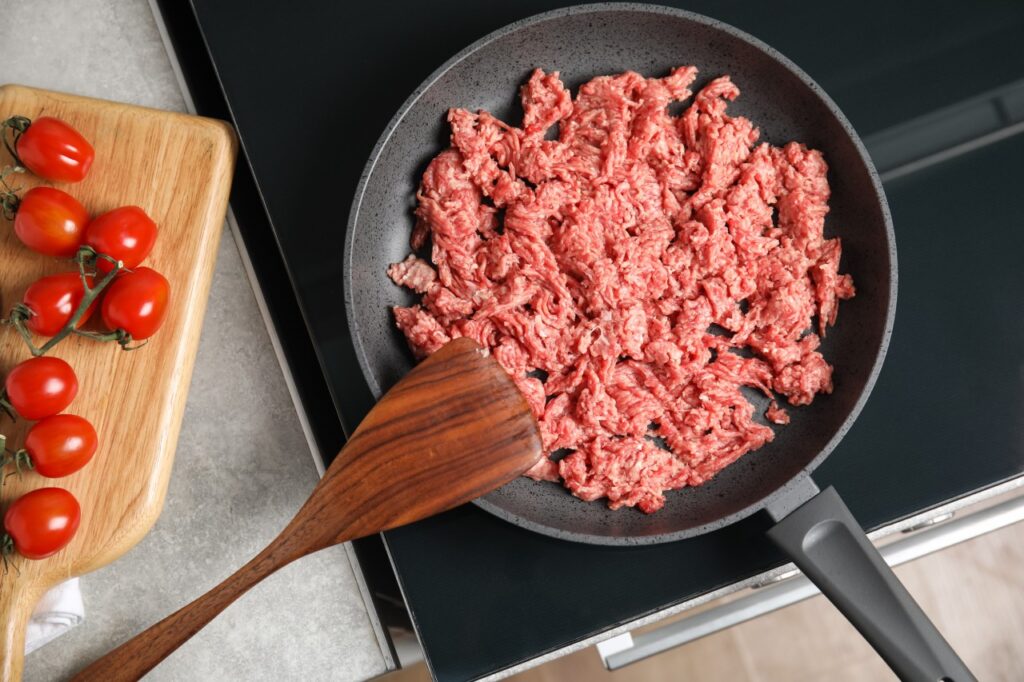
Cooking meat well involves more than simply applying heat. Many home cooks cut into meat during cooking to check whether it is done. While the intention is understandable, this action releases the juices that keep the meat moist.
Seasoning is another area where mistakes occur. Meat often requires generous seasoning before cooking so that salt and spices can penetrate the surface. Light seasoning may leave the final dish tasting flat, even if the cooking technique is correct.
Professional cooks rely on timing, temperature control, and tools such as thermometers to judge doneness without cutting into the meat. Allowing the meat to rest after cooking also helps the juices redistribute. These steps help preserve tenderness and create a more satisfying result.