9 Cauliflower Wing Substitutes That Fast Food Uses to Cut Costs

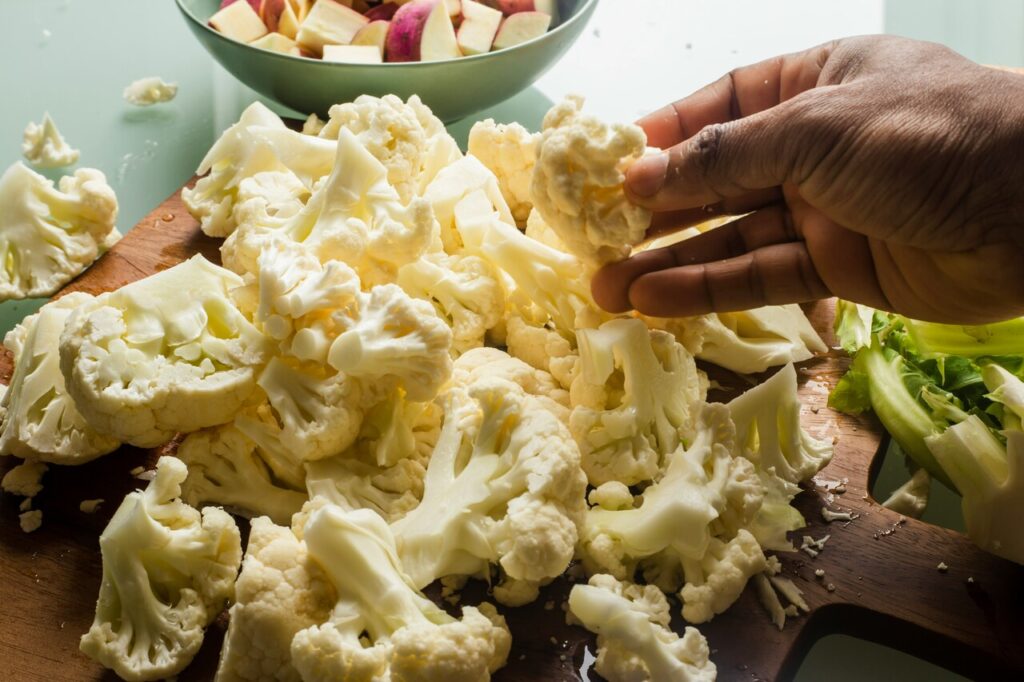
Cauliflower wings have quickly moved from niche vegan menus to mainstream fast-food and casual dining chains. Marketed as flavorful, plant-based alternatives to traditional chicken wings, they appeal to customers looking for lighter or meat-free options. Yet behind the trend lies a practical business strategy: cauliflower costs far less than poultry while still allowing restaurants to charge premium appetizer prices. A closer look reveals how coatings, sauces, and clever menu positioning help turn simple vegetables into high-margin menu stars.
1. Breaded Cauliflower Bites Marketed as Wings
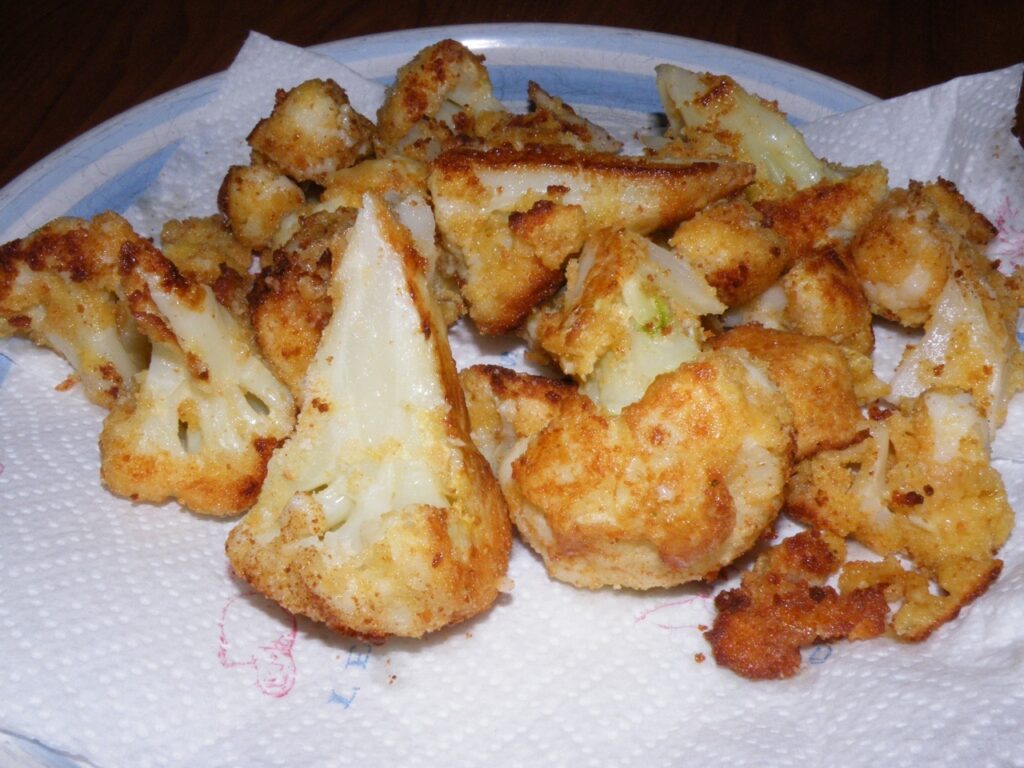
Restaurants increasingly present breaded cauliflower bites as wing alternatives, relying on shape and coating rather than meat content to create familiarity. By cutting cauliflower into bite-sized florets and covering them in seasoned batter, chains replicate the appearance of traditional wings while using a vegetable that costs less per portion.
Once breaded and fried or baked, cauliflower delivers a crunch that mimics fried chicken, especially when paired with strong sauces and dipping options.
From a business perspective, using cauliflower reduces reliance on volatile poultry prices while allowing similar menu pricing. The result is a product marketed as innovative or plant-based.
2. Fried Cauliflower Florets Coated in Buffalo Sauce
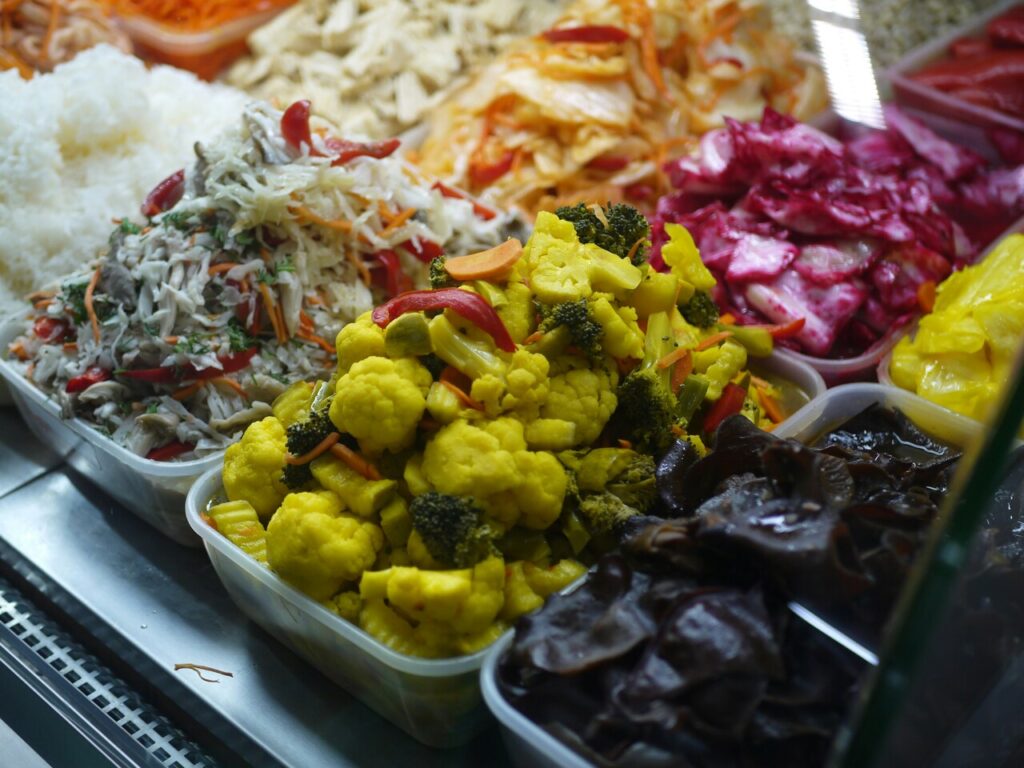
Buffalo sauce plays a major role in transforming cauliflower into something that feels familiar to wing lovers. Strong flavors like heat, vinegar, and butter-style sauces dominate taste perception, making the underlying ingredient less noticeable.
Frying cauliflower florets adds a crispy texture that helps bridge expectations between vegetables and traditional wings. Once coated heavily in sauce, the experience focuses more on bold seasoning than the absence of chicken.
For restaurants, this approach allows menu diversification while controlling food costs. Sauce-driven flavor profiles help maintain customer satisfaction while the base ingredient remains inexpensive compared with poultry.
3. Double Coated Cauliflower for Extra Crunch
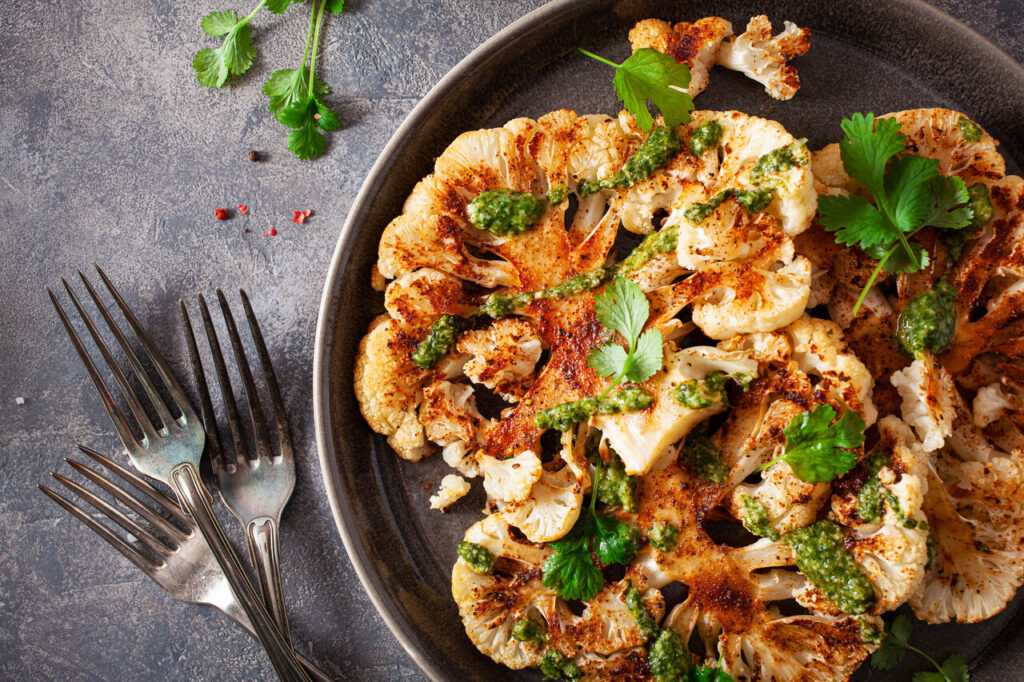
Double coating techniques involve dipping cauliflower in batter more than once to create a thicker crunch and heavier texture. This method helps compensate for cauliflower’s softer interior, making it feel closer to traditional fried foods.
The extra coating increases perceived indulgence without increasing ingredient cost significantly. Customers often associate thicker breading with value and satisfaction, regardless of how much actual produce sits inside.
Restaurants benefit because batter and seasoning cost far less than meat. By emphasizing crunch and texture, businesses can position cauliflower wings as premium snacks while maintaining lower production expenses.
4. Oven-Baked Cauliflower Wings Instead of Fried Chicken
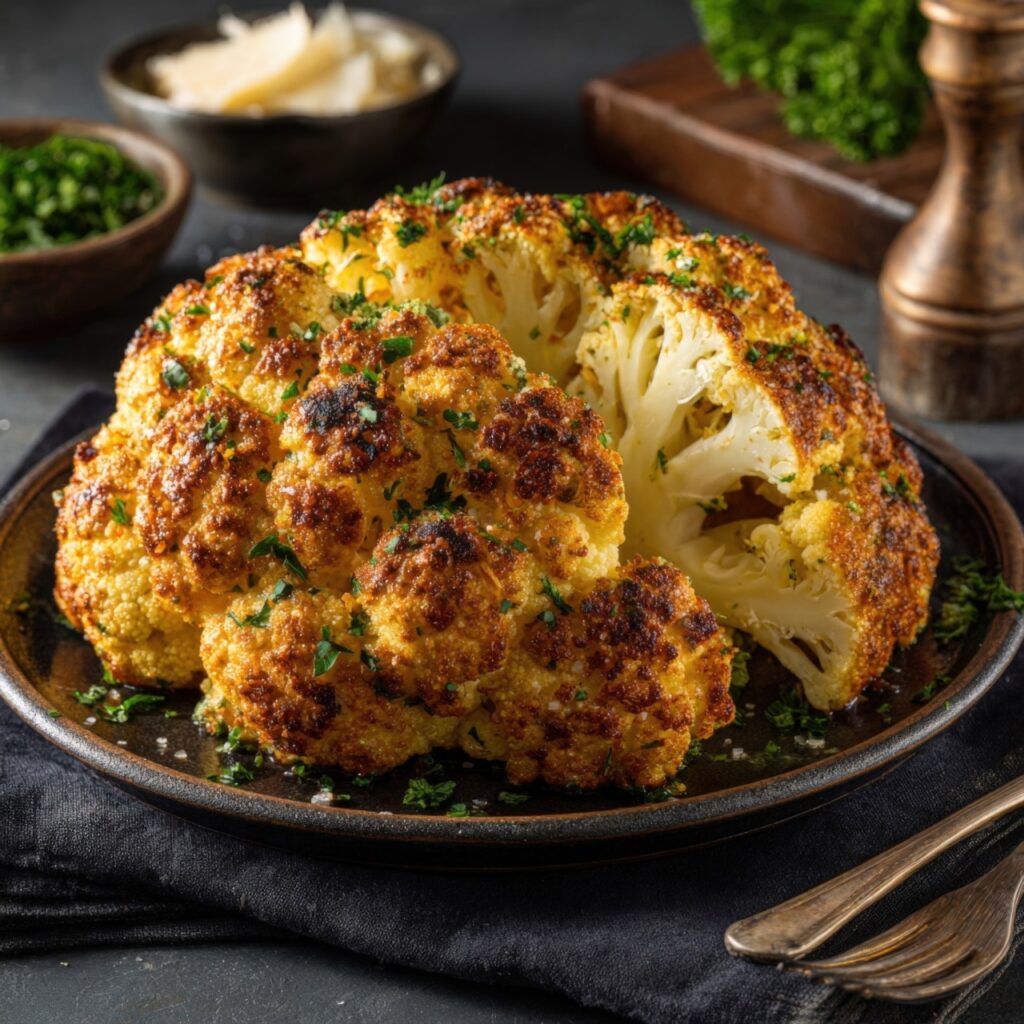
Oven-baked cauliflower wings appeal to health-conscious customers looking for lighter alternatives to fried foods. Baking reduces oil usage while still allowing sauces and seasonings to deliver strong flavor.
From an operational perspective, baking simplifies preparation and lowers overhead compared with deep frying. It also supports menu claims centered on wellness and plant-based eating trends.
Despite reduced preparation costs, menu pricing often remains similar to fried options. Customers paying for perceived health benefits may overlook how inexpensive the base ingredient remains compared with traditional meat wings.
5. Roasted Cauliflower Branded as Wing-Style Appetizers
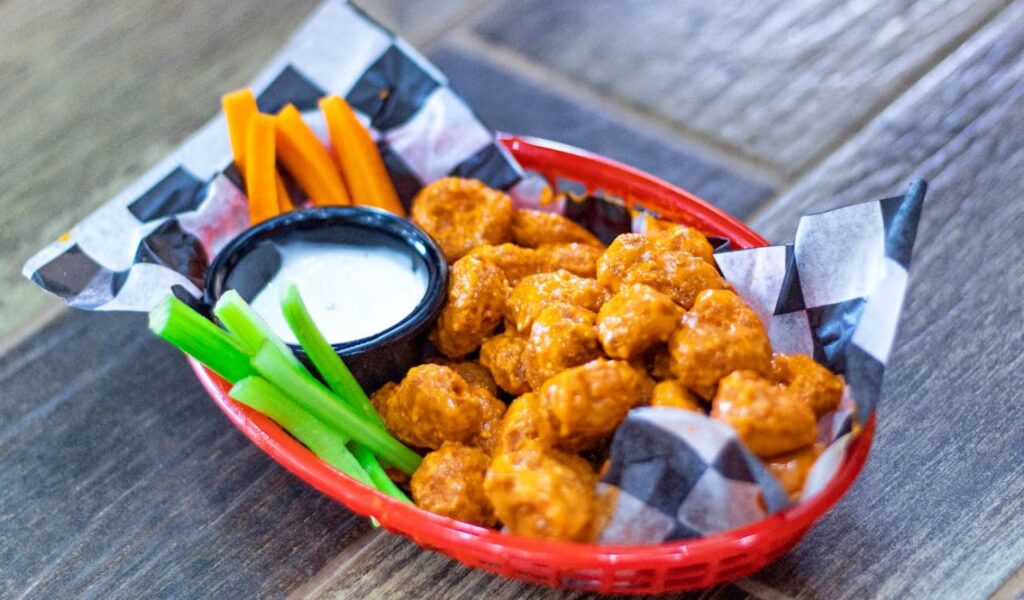
Roasting cauliflower enhances natural sweetness and adds caramelized flavor, allowing chains to position it as a sophisticated appetizer. When paired with bold sauces, roasted pieces become convincing alternatives within shared appetizer menus.
Roasting also requires less labor and oil than frying, helping restaurants maintain efficiency. Presentation and seasoning play a bigger role in customer perception than the cooking method itself.
Many diners choose these appetizers for variety or dietary preferences, yet pricing often stays close to protein-heavy options. The strategy highlights how branding and presentation influence perceived value more than ingredient cost.
6. Panko Crusted Cauliflower Wing Pieces
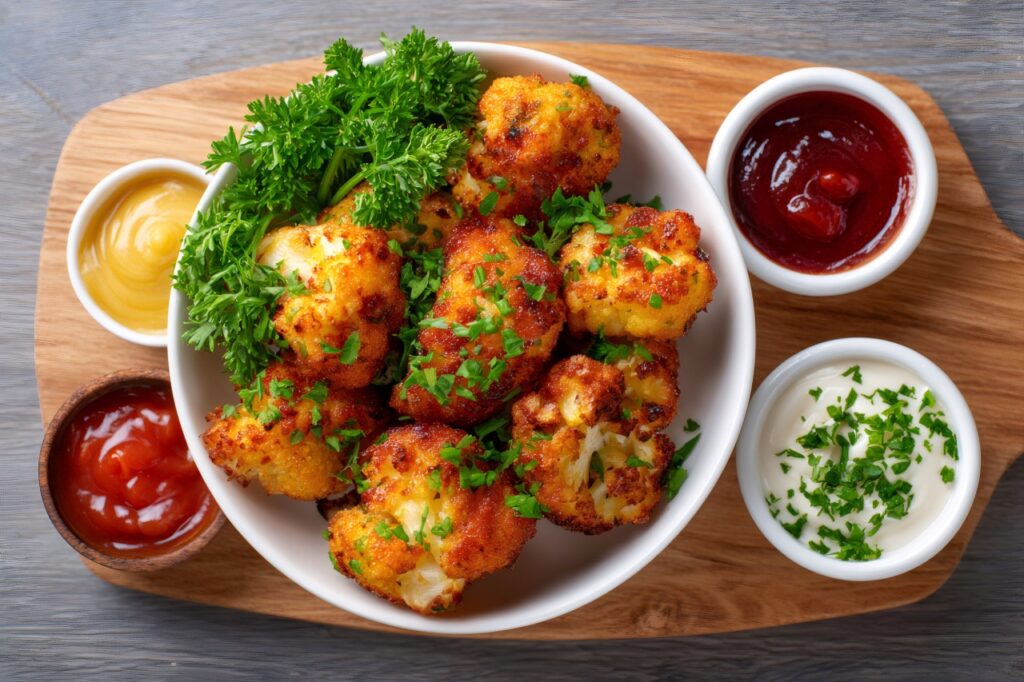
Panko breadcrumbs provide a light, airy crunch that helps cauliflower mimic the texture of fried chicken wings. The crispy outer layer adds satisfaction while keeping preparation relatively simple and cost-effective.
Chains favor panko because it creates visual appeal and consistent texture without requiring expensive ingredients. The coating absorbs sauces well, helping flavors stay bold and familiar to customers.
Even though the inside remains vegetable-based, the crunchy exterior allows restaurants to charge prices similar to traditional appetizers. Texture becomes the primary selling point rather than ingredient cost or nutritional content.
7. Sauce Heavy Cauliflower Wings to Mimic Traditional Wings
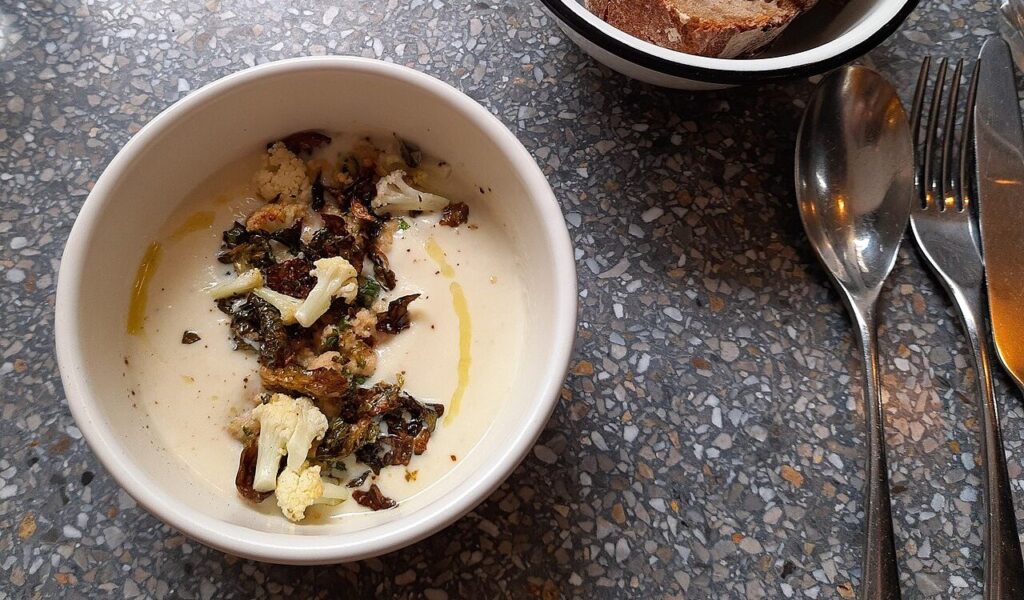
Heavy sauce application helps mask the mild flavor of cauliflower, allowing chains to offer wing-style items that feel indulgent. Flavors like buffalo, barbecue, or sweet chili dominate taste, reducing focus on the vegetable base.
Customers often experience the meal through sauce and dipping options rather than the core ingredient. This approach makes substitution easier since flavor intensity remains consistent with traditional wings.
From a cost perspective, sauce is inexpensive compared with poultry. Restaurants can maintain familiar pricing structures while relying on a lower-cost base ingredient, maximizing margins through flavor-forward presentation.
8. Spiced Batter Cauliflower Using Flour Instead of Meat Protein
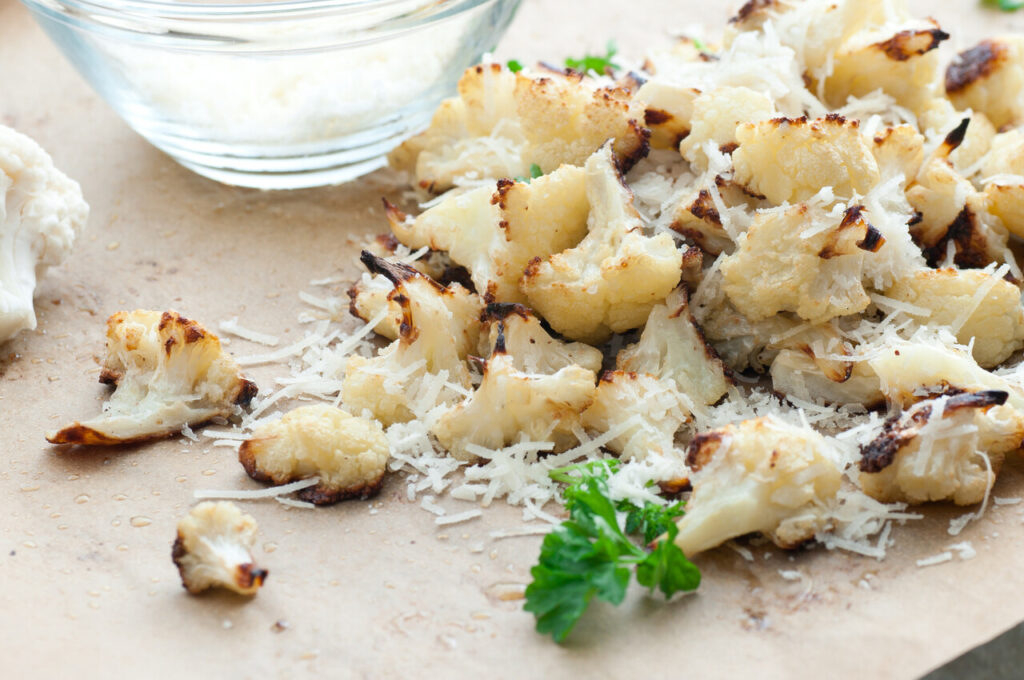
Spiced batters allow restaurants to build flavor directly into coatings, turning plain cauliflower into something that feels more substantial. Seasonings like paprika, garlic, and pepper create familiarity associated with fried chicken.
Flour-based batter remains inexpensive compared with animal protein, making this technique financially attractive. The seasoning blend becomes the star, encouraging customers to focus on taste rather than ingredient replacement.
Chains benefit by offering vegetarian-friendly options without significant cost increases. Customers often perceive the product as creative menu innovation, even though production relies on simple, low-cost ingredients.
9. Cauliflower Wing Platters Positioned Beside Chicken Wings
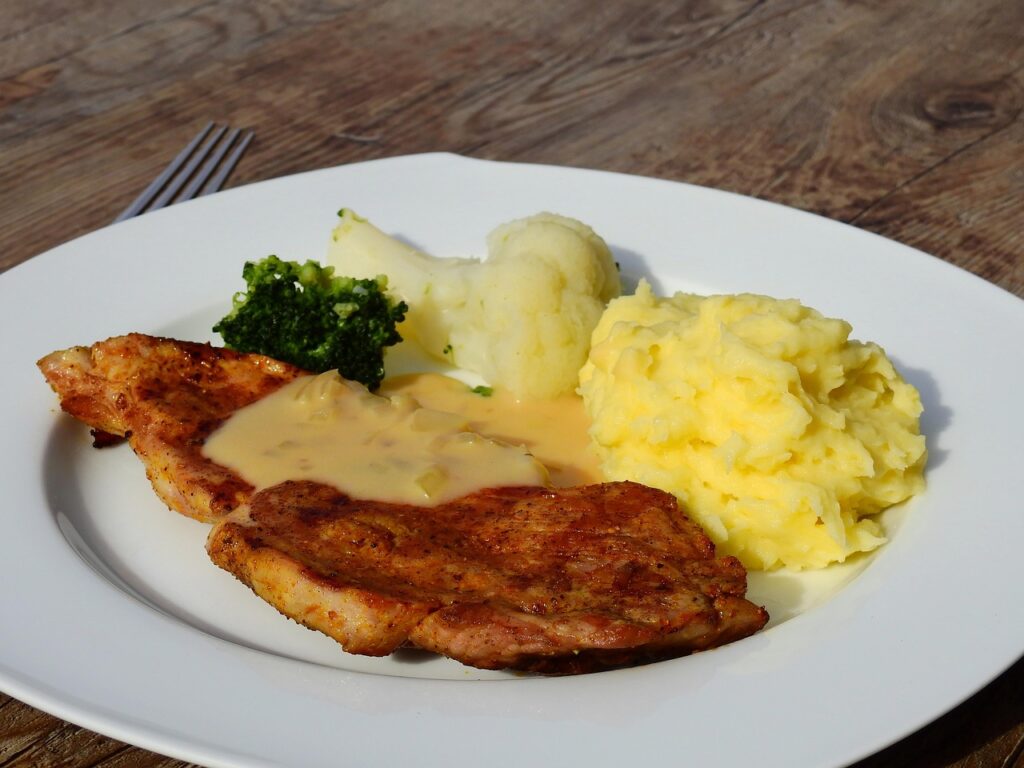
Placing cauliflower wings alongside traditional chicken wings reinforces comparison and suggests equal value. Menu placement encourages customers to view both options as equivalent choices rather than alternatives with different costs.
This positioning allows restaurants to maintain similar pricing structures regardless of ingredient differences. Customers paying for experience and flavor variety may overlook cost disparities between vegetables and meat.
The strategy helps normalize plant-based options while protecting profit margins. By presenting cauliflower wings as co-stars rather than substitutes, restaurants make lower-cost ingredients feel worthy of premium menu pricing.