9 Restaurant Sauces That Are Thinner Today for a Specific Reason

Many diners notice familiar restaurant sauces feeling lighter than they once did, yet few realize the change is intentional. Modern kitchens now adjust sauce recipes to support faster service, lower ingredient costs, and evolving health guidelines, often reducing fat, sugar, or sodium in the process. These updates improve efficiency and consistency across busy restaurants, but they also change texture and richness in subtle ways. The result is sauces that still taste familiar while flowing more easily across today’s menus.
1. Burger “Secret” Sauce Runs Thinner for Efficiency
Burger sauces served at fast-food restaurants were once thicker and richer, often spread by hand or spoon rather than dispensed directly from a pump. As chains scaled operations and emphasized speed, consistency, and portion control, sauce formulas evolved to accommodate high-volume service.
Thinner sauces travel reliably through pumps and nozzles without clogging. The chemistry of sauces changed accordingly, with lowered viscosity and stabilized emulsion blends replacing heavier traditional recipes.
Customers may notice a lighter mouthfeel compared with classic creamy condiments. Balancing flavor with functional performance reflects how fast-food kitchens adapt recipes for reliability and efficiency.
2. Queso Cheese Dip Flows with Lower Stabilizers

Queso cheese dip once mirrored homemade styles with a dense, creamy texture that clung to chips. Many restaurants now use formulations with fewer stabilizers and lower dairy fat to improve cost control and ease of storage across multiple locations.
These thinner cheese sauces spread more easily on trays or chips but lack the cling and richness of old-style recipes. Reduced stabilizers and emulsifiers decrease thickness but improve shelf life and pump performance.
Diners still enjoy queso for flavor, yet consistency often reflects industrial planning rather than culinary tradition. The change illustrates how ingredient formulation prioritizes practicality over the dense texture consumers recall from scratch kitchen versions.
3. Ranch Dressing Lightened for Health and Pouring
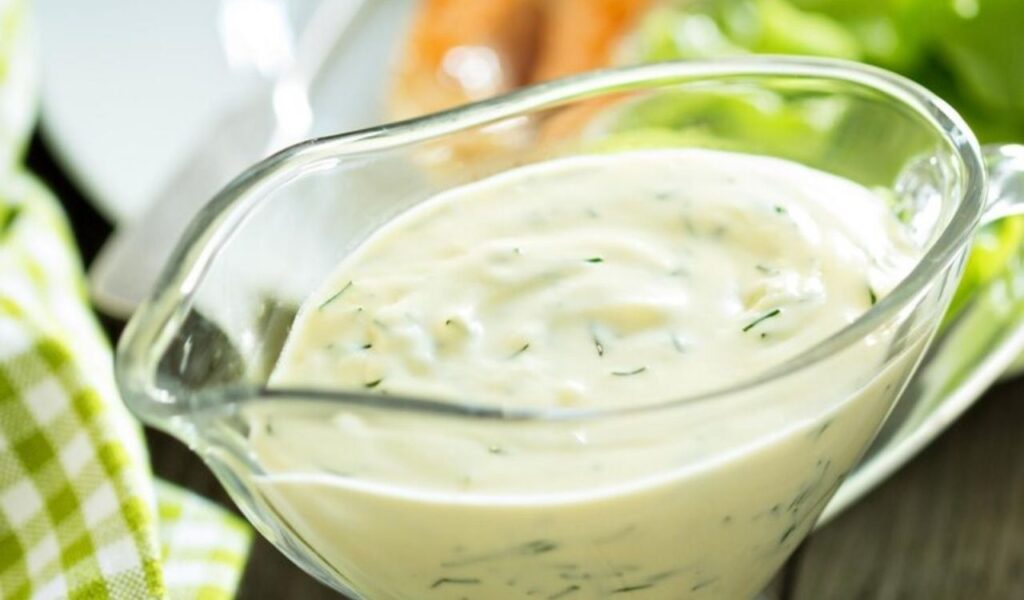
Ranch dressing remains one of America’s most popular condiments, yet many restaurant versions have thinned compared with earlier, thicker blue cheese–like iterations. Part of this shift stems from efforts to reduce sodium and saturated fat content to align with evolving nutrition guidelines.
Lower salt and fat levels reduce binding and viscosity, resulting in a dressing that pours more easily but feels lighter on salads or wings. Thinner ranch also travels well through standard dispenser systems used in fast-casual dining and self-serve bars.
While some patrons miss the richer mouthfeel of traditional ranch, lighter versions reflect broader trends in restaurants. Balancing health considerations with ease of service shapes how sauces evolve over time.
4. BBQ Sauce Coats Better When Slimmed
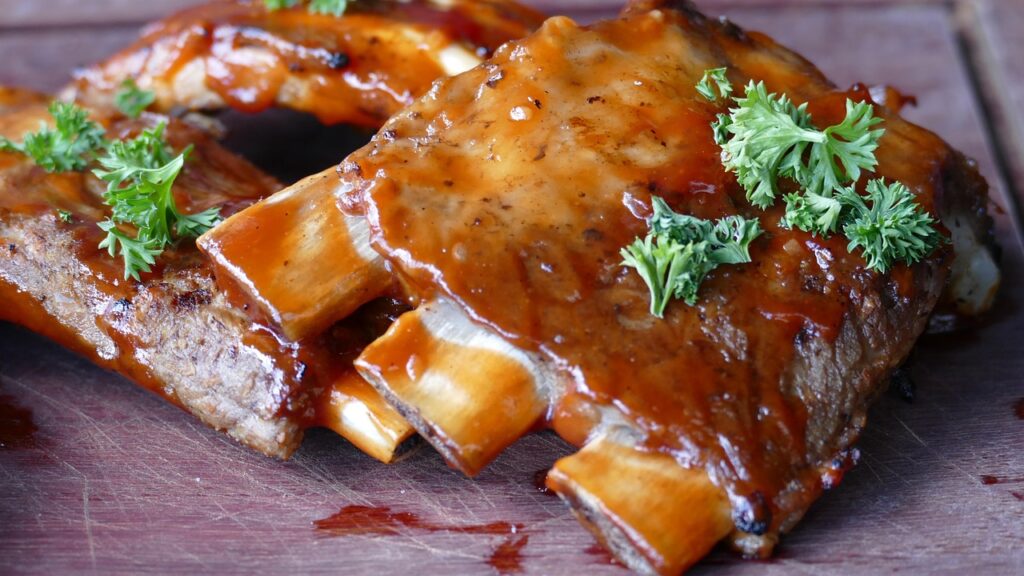
Barbecue sauce in restaurants plays dual roles as condiment and cooking ingredient, yet overly thick sauce can dominate textures or clump during grilling. Many kitchens intentionally thin their BBQ sauces to ensure even coverage and better integration with meats.
A thinner consistency allows the sauce to soak into pulled pork, ribs, or chicken without leaving heavy globs that mask natural flavors. This design suits fast-paced kitchens where consistency in portion and spread matters more than cling.
Cost factors also influence this choice, as thinner sauces require less sugar and thickener per serving. Flavor remains the focus, but subtle texture adjustments improve versatility across menu applications.
5. Aioli Adjusts with Lower Oil Content
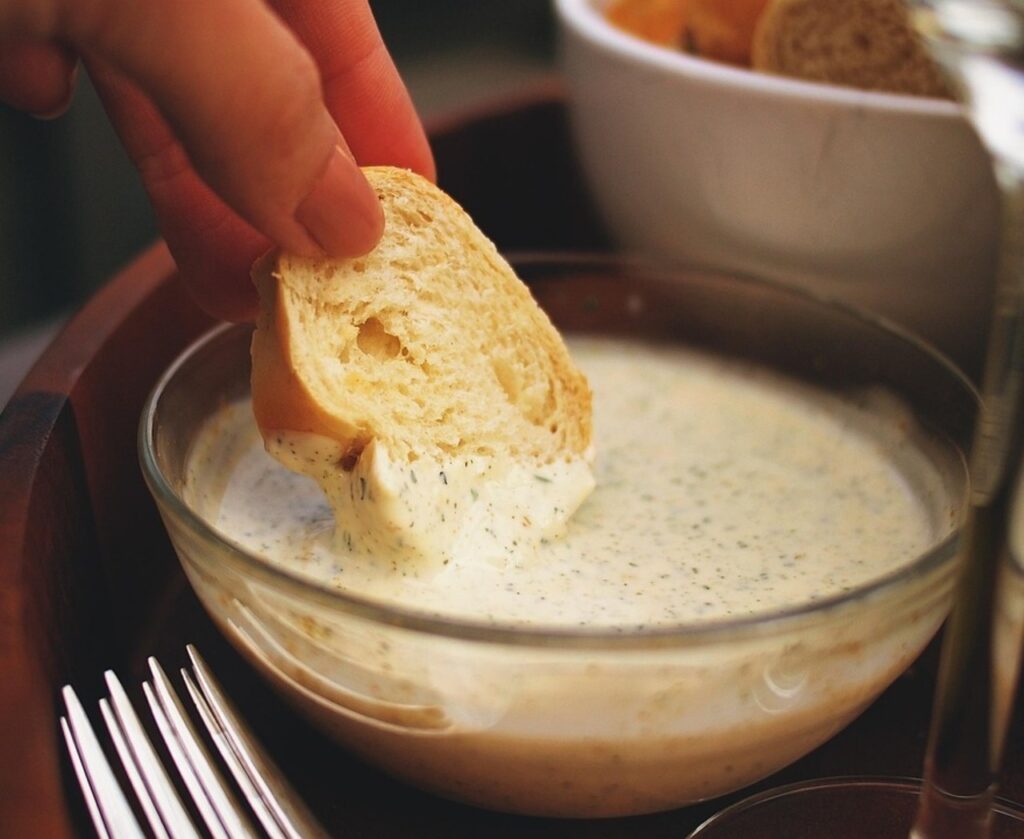
Aioli and garlic mayonnaise once stood out for their luxurious mouthfeel derived from high oil content. Some restaurants now adopt versions with lower oil levels to align with a healthier positioning or to simplify emulsification during high-volume service.
Lower oil results in a thinner, more pourable sauce that suits drizzling over bowls, sandwiches, or salads. While gourmet kitchens may still churn classic aioli in small batches, many mainstream applications favor lighter formations.
Although this shift alters classic texture expectations, it reflects how modern kitchens balance richness with broader health and operational-ease trends. Well-executed aioli still delivers key flavor elements even when viscosity changes.
6. Teriyaki Glaze Runs Thin with Less Sugar
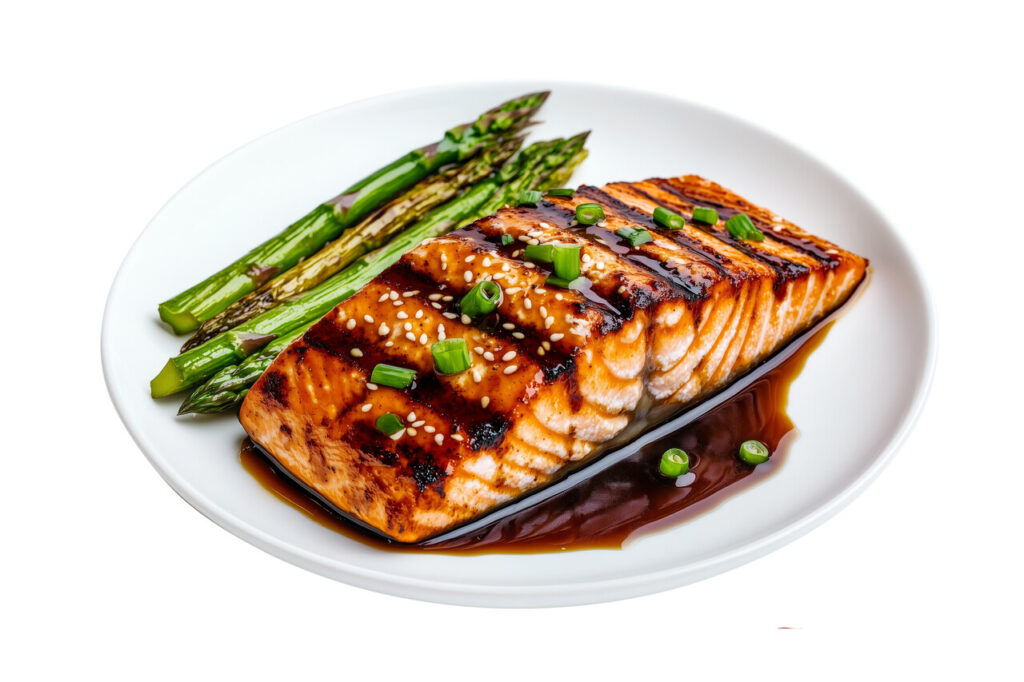
Traditional teriyaki glaze relies on a balance of sugar, soy, and mirin to create a thick, glossy coating ideal for grilling. As restaurants adjust recipes to reduce sugar and sodium, these glazes often finish thinner than their classic counterparts.
Lower sugar affects caramelization and thickness, which means modern teriyaki sauce adheres less like a heavy glaze and more like a light marinade. This texture supports quicker cooking and even distribution over meats and vegetables.
While some purists prefer a syrupy sheen, lighter teriyaki remains acceptable in many kitchens that prioritize faster service and health-moderated profiles. The balance between taste and functional performance continues to shape sauce formulas.
7. Alfredo Sauce Lightens Up for Pourability
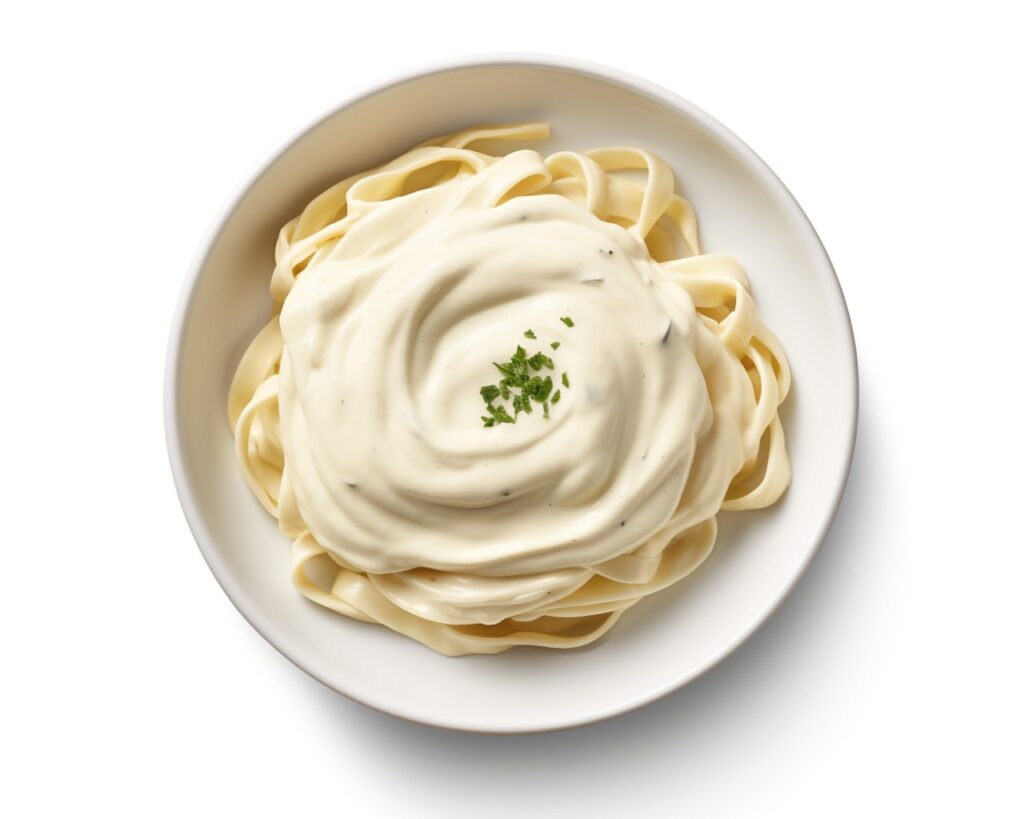
Alfredo sauce traditionally combines heavy cream, butter, and Parmesan into a decadent coating for pasta. Many restaurants now use recipes with reduced dairy fat or added thickeners that lighten texture in favor of a pourable consistency.
Thinner Alfredo flows more easily from heat lamps or ladles, making portion control simpler for line cooks during rush service. Reduced cream content also lowers overall calorie and fat counts, aligning with broader consumer interest in lighter comfort foods.
Although some diners miss the lush texture of classic Alfredo, modern versions fit better with kitchen needs and evolving health preferences. The change embodies how heritage sauces adapt to contemporary restaurant demands.
8. Buffalo Wing Sauce Coats Evenly on High Volume
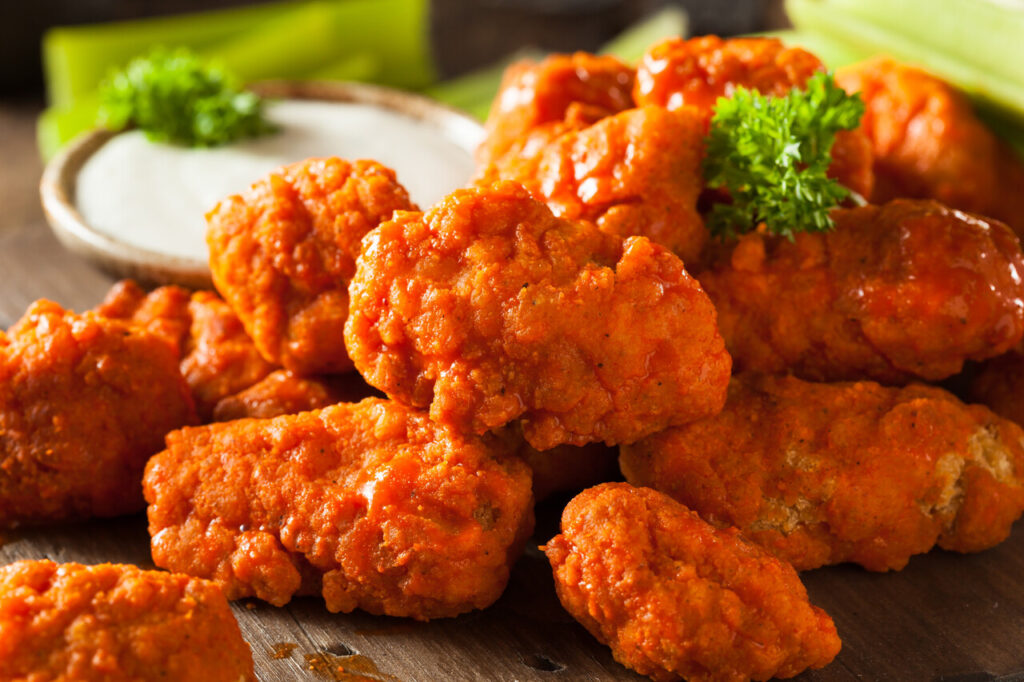
Buffalo wing sauce originally featured a rich blend of hot sauce and butter, creating a coating that clung to wings with a characteristic zing and sheen. Many restaurant versions today thin the sauce slightly to support consistent coating without overwhelming drip issues.
Lighter sauce ensures evenly sauced wings when batches are prepared quickly or transported to self-serve stations. A thinner profile works better with high throughput and allows diners to taste the coating and meat in a balanced proportion.
Fans of traditional Buffalo sauce may notice the difference, but the shift tends to enhance service efficiency without losing core flavors. This functional adaptation illustrates how sauce consistency evolves with operational demands.
9. Teriyaki Marinade Takes a Leaner Path

Beyond thick glazes, teriyaki marinades used in marinating dishes such as bowls or grilled proteins often adopt thinner profiles to penetrate ingredients more effectively. Thicker glazes remain ideal for surface shine, yet leaner marinades enhance internal flavor.
Thin marinades absorb into meats and vegetables, seasoning deeply rather than just coating the surface. This approach suits kitchens focused on balanced flavor throughout the dish rather than an exterior gloss.
The trend toward thinner marinades also reflects ingredient cost and nutritional considerations, as lighter formulations often use less sugar and thickening agents. Diners experience rich teriyaki flavor with less heaviness and more internal seasoning.