14 Grill Cleaning Mistakes Spreading Smoky Nightmares

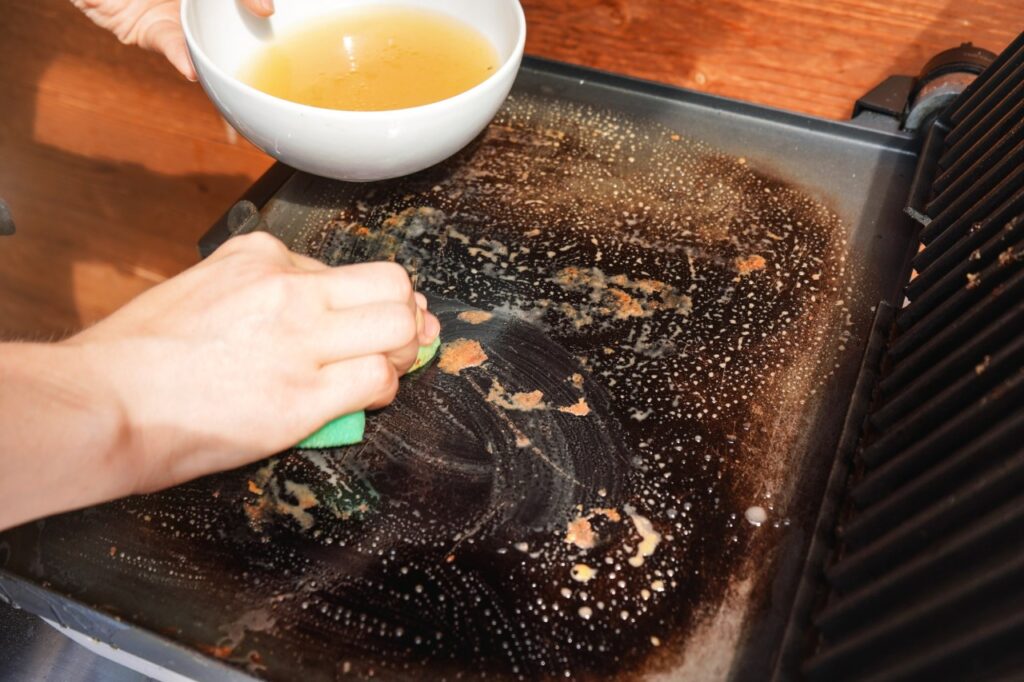
Grilling should smell like char and spice, not old grease and burning residue. Yet many smoky grill disasters start long before food hits the grates, caused by small cleaning habits that quietly build into big problems over time.
From grease hidden under burners to residue baked into lids, poor grill cleaning affects airflow, heat control, flavor, and safety. What looks harmless after one cookout often becomes the source of flare-ups, bitter smoke, and uneven cooking later on.
Knowing which cleaning mistakes matter most can save food, equipment, and frustration. These common grill-cleaning missteps explain why smoke takes over and how simple maintenance can keep every cookout clean, predictable, and enjoyable.
1. Cleaning the Grill While It’s Still Blazing Hot
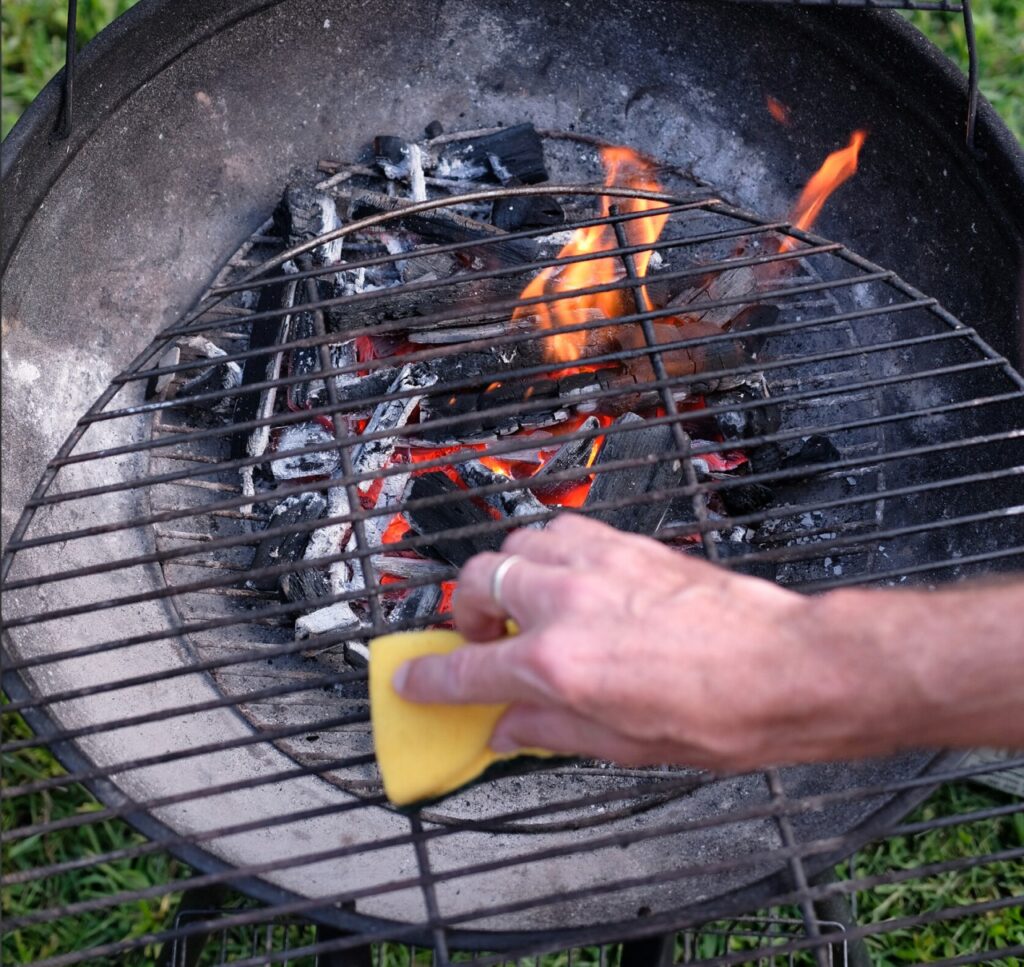
Cleaning a grill right after cooking feels efficient, but extreme heat works against you. At very high temperatures, metal grates expand and become more vulnerable to scratching, warping, and surface damage when aggressively scraped, shortening their lifespan.
Grease also behaves differently when the grill is scorching hot. Instead of lifting away, liquefied fat smears across the metal and seeps into pores. As the grill cools, that grease hardens into residue that is harder to remove later.
Letting the grill cool to a warm, manageable temperature allows residue to loosen without bonding to the surface. Cleaning at this stage is safer, more effective, and less damaging to the grill overall.
2. Letting Grease Buildup Sit Between Cookouts
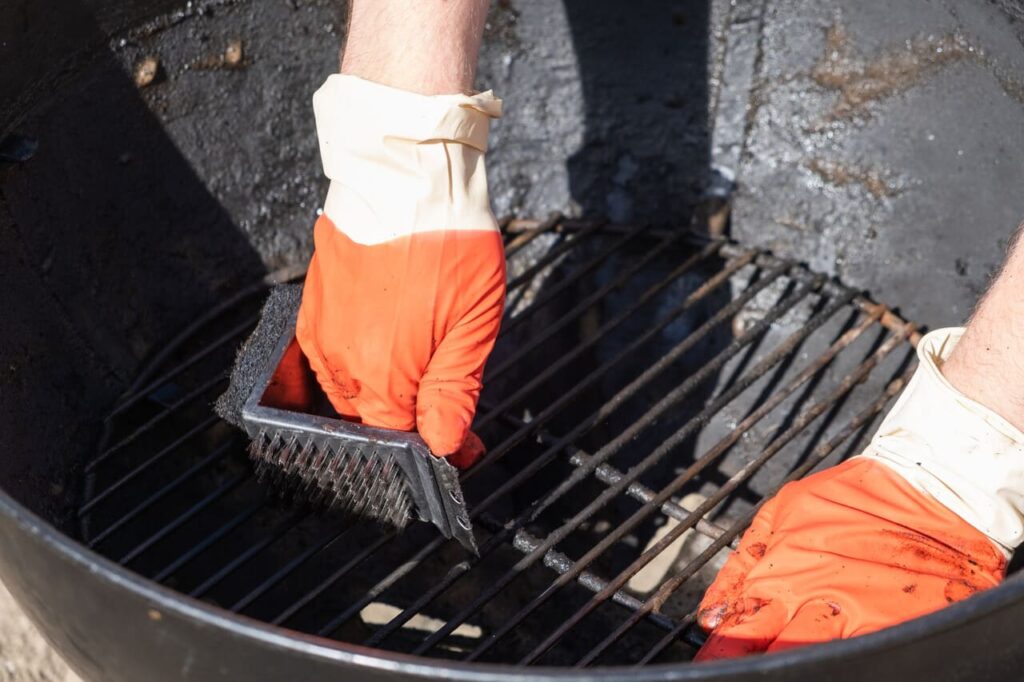
Grease does not stay neutral once grilling ends. As it cools, it thickens and traps food particles, dust, and moisture, forming layers that cling to grates, burners, and interior walls. Each cookout adds another layer, quietly increasing the buildup.
When reheated, old grease burns before fresh food hits the grill. This produces thick, acrid smoke that carries unpleasant odors and coats food with bitter compounds. The smoke often surprises grillers because it appears long before anything is cooking.
Over time, accumulated grease also increases the risk of flare-ups and grease fires. Regular light cleaning after each session prevents buildup from turning into a persistent smoke source and safety hazard.
3. Ignoring the Drip Tray Entirely
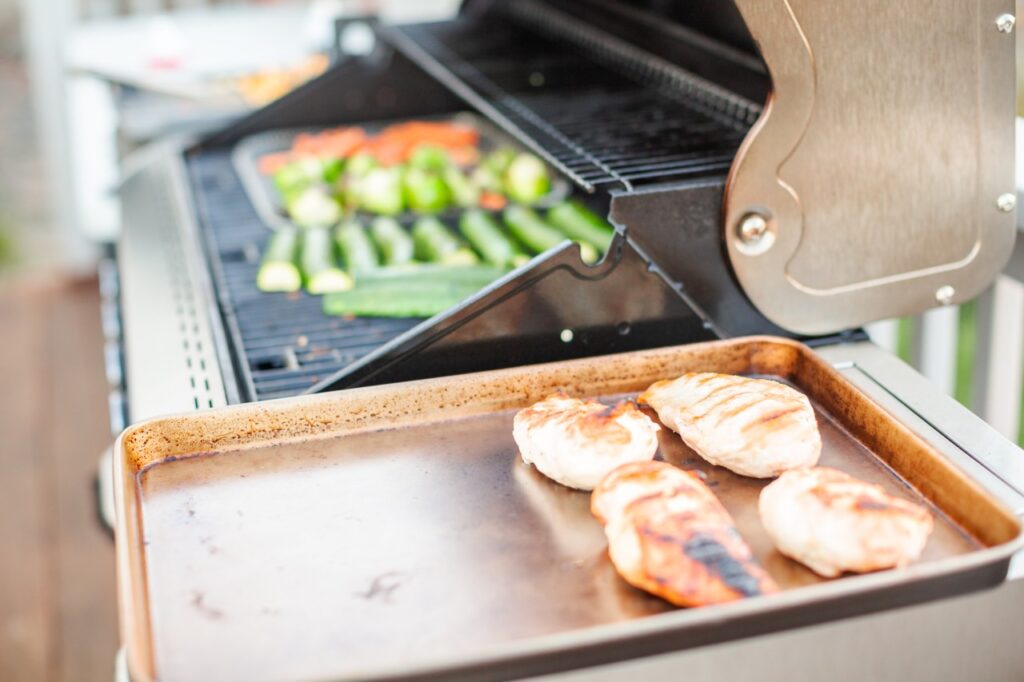
The drip tray is designed to catch grease, but it is one of the most commonly ignored parts of a grill. When left unchecked, it slowly fills with flammable fat positioned directly beneath burners or hot coals.
As grease accumulates, airflow inside the grill becomes restricted. Poor airflow leads to uneven heating, unpredictable temperature spikes, and flare-ups that release heavy smoke during cooking. This smoke often smells harsh because it comes from old, degraded fats.
An overfilled drip tray can ignite without warning, creating sudden flames and thick smoke that ruin food and damage equipment. Emptying and wiping the tray regularly stabilizes heat and greatly reduces fire risk.
4. Using Wire Brushes That Shed Metal Bristles
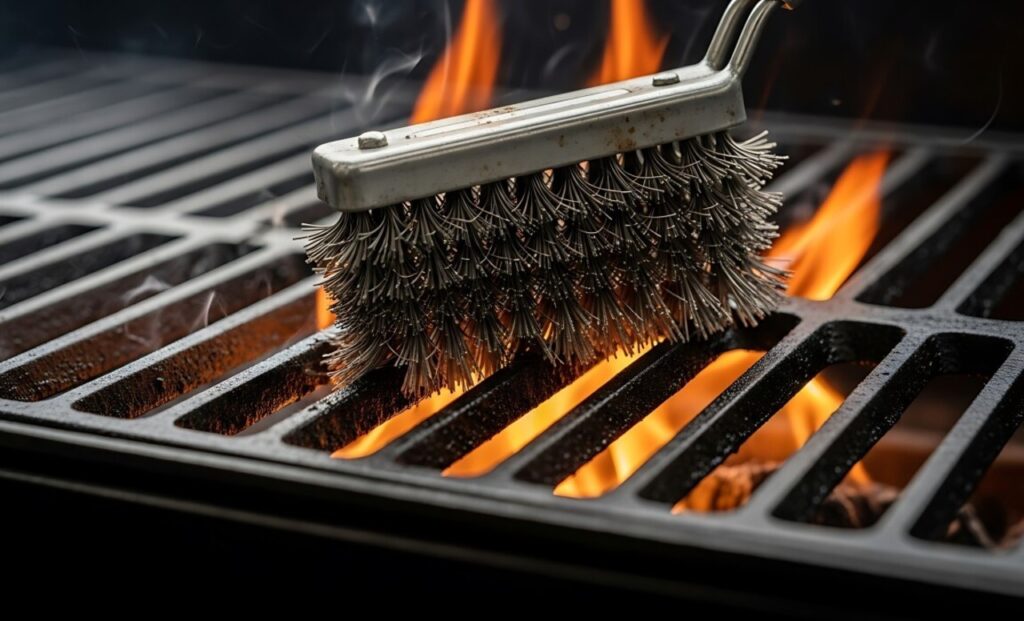
Wire grill brushes feel powerful, but aging bristles weaken with repeated heat exposure. Over time, tiny metal strands snap off and lodge between grates, where they are difficult to see once the grill heats up.
When food is placed on the grill, loose bristles can cling to meat or vegetables. Swallowing them poses a serious health risk, as ingested metal bristles have been linked to internal injuries that often require medical treatment.
Safer cleaning tools are widely available. Grill stones, coil brushes, and wooden scrapers remove residue effectively without shedding metal, protecting both food safety and the integrity of the grill surface.
5. Scraping Only the Center of the Grates
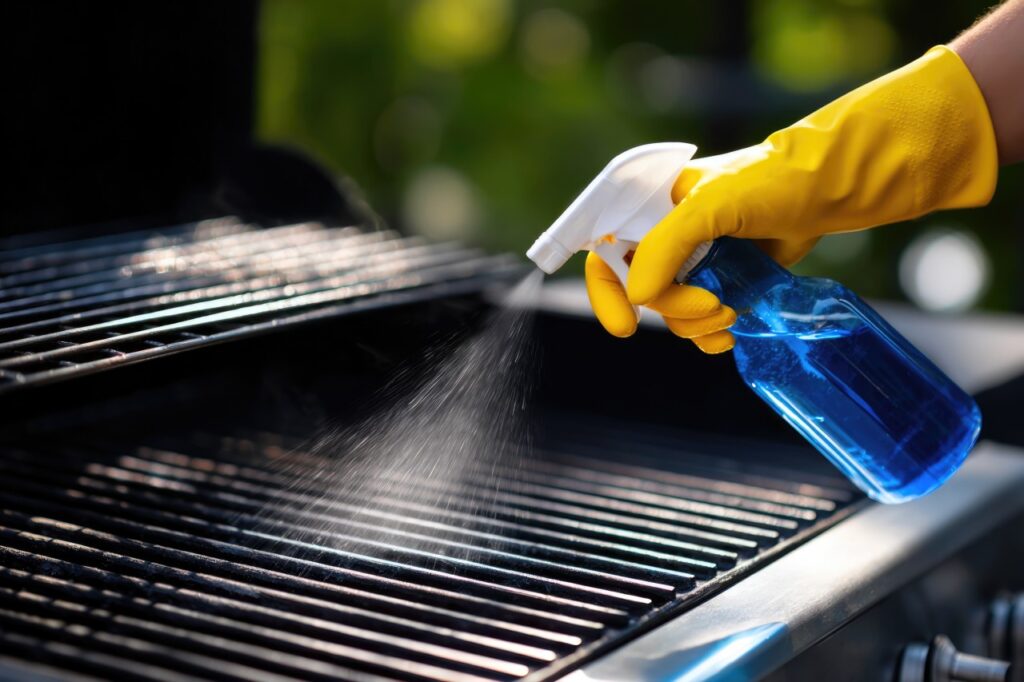
Most grillers focus on the center of the grates where food sits, but grease spreads far beyond that area. Edges and corners quietly collect residue with every cookout, especially from dripping fat and sauces.
When these neglected zones heat up, old buildup burns unevenly and releases smoke that drifts across the entire grill. This smoke often carries burnt flavors that affect food cooked even in the center.
Cleaning the entire grate surface promotes even heat distribution and reduces unexpected flare-ups. Paying attention to edges prevents hidden residue from becoming a constant source of smoke and off-flavors.
6. Forgetting to Clean After Sugary Marinades

Sugary marinades are flavor boosters, but they leave behind one of the most damaging grill residues. When exposed to high heat, sugars caramelize quickly and harden into a sticky coating that bonds tightly to metal grates and traps grease and food debris.
Unlike fat, sugar burns at lower temperatures. On the next cookout, this residue starts smoking before food is added, releasing thick, bitter smoke and causing food to stick aggressively. That sticking often tears grate coatings and worsens buildup.
Cleaning shortly after cooking with sugary sauces prevents this cycle. Removing residue while it is still soft protects grill surfaces, improves flavor, and keeps smoke levels under control during future grilling sessions.
7. Power-Washing Parts That Shouldn’t Get Soaked
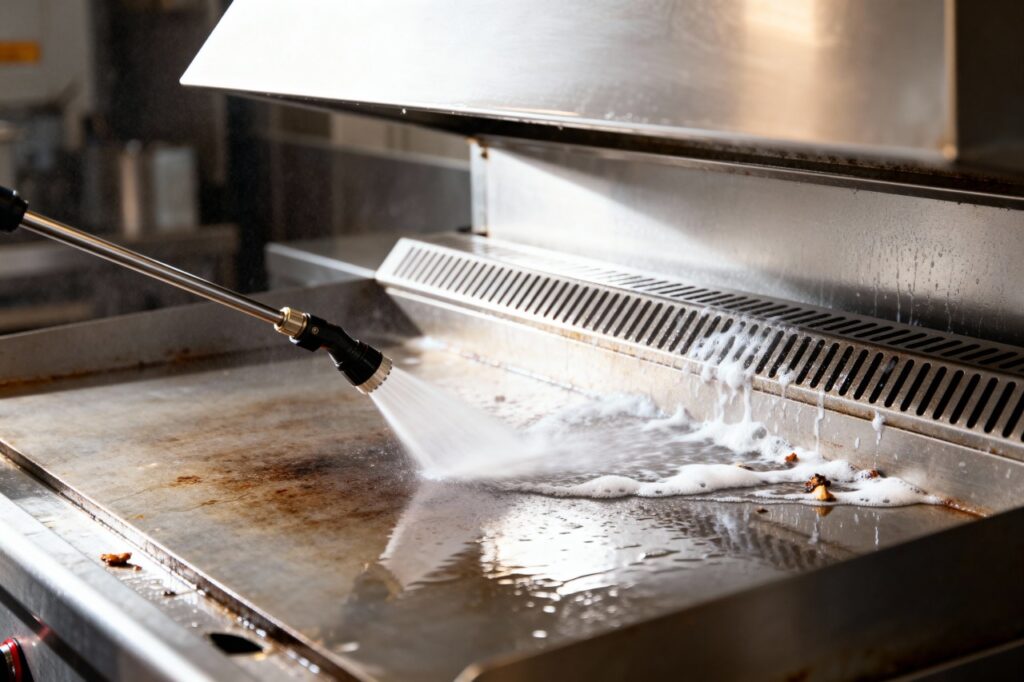
Power washing feels like a deep clean, but grills contain parts that cannot tolerate forced water. High pressure can drive moisture into burners, valves, ignition systems, and gas lines that are designed to stay dry.
Once trapped, moisture causes corrosion and inconsistent ignition. Over time, repeated water exposure weakens internal components, disrupts gas flow, and creates uneven heat zones that increase flare-ups and smoke production.
Effective grill cleaning relies on controlled scrubbing and selective rinsing. Keeping sensitive components dry preserves performance, extends grill life, and prevents mechanical problems that lead to smoky and unpredictable cooking.
8. Never Cleaning the Inside Lid
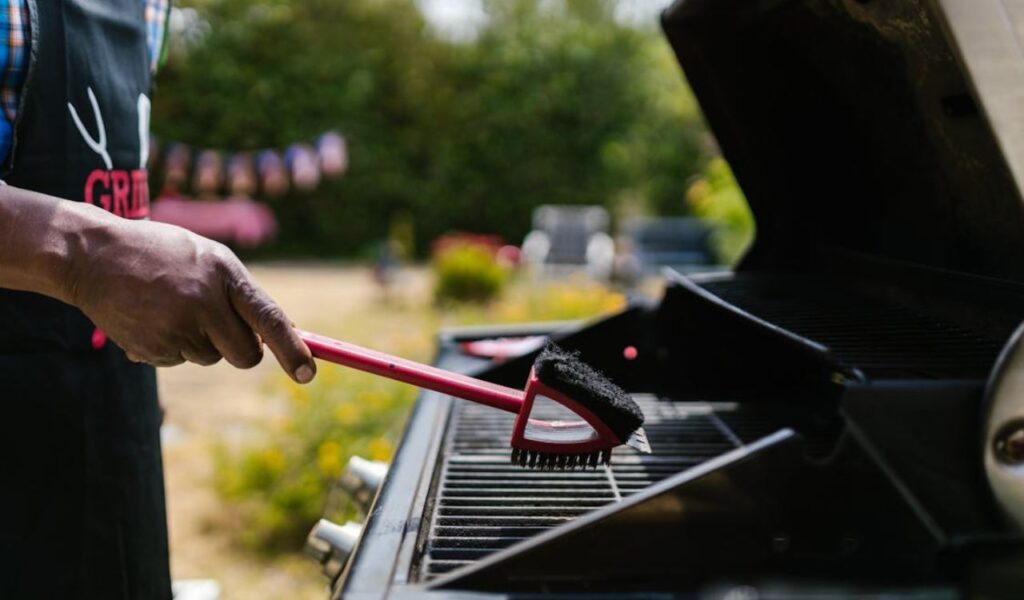
The inside lid is often ignored because it feels hard to reach, yet it collects grease, soot, and smoke residue during every cookout. Over time, this buildup thickens and dries into brittle layers that cling to the metal above the food.
When the grill heats again, those layers flake or vaporize. Falling residue lands on food, while vaporized grease creates bursts of smoke and bitter flavors. The buildup also interferes with heat reflection, causing uneven temperatures.
Regular scraping of the inside lid prevents residue from becoming airborne. Keeping it clean improves airflow, stabilizes heat, and reduces smoke that can ruin flavor and consistency.
9. Letting Ash Pile Up in Charcoal Grills
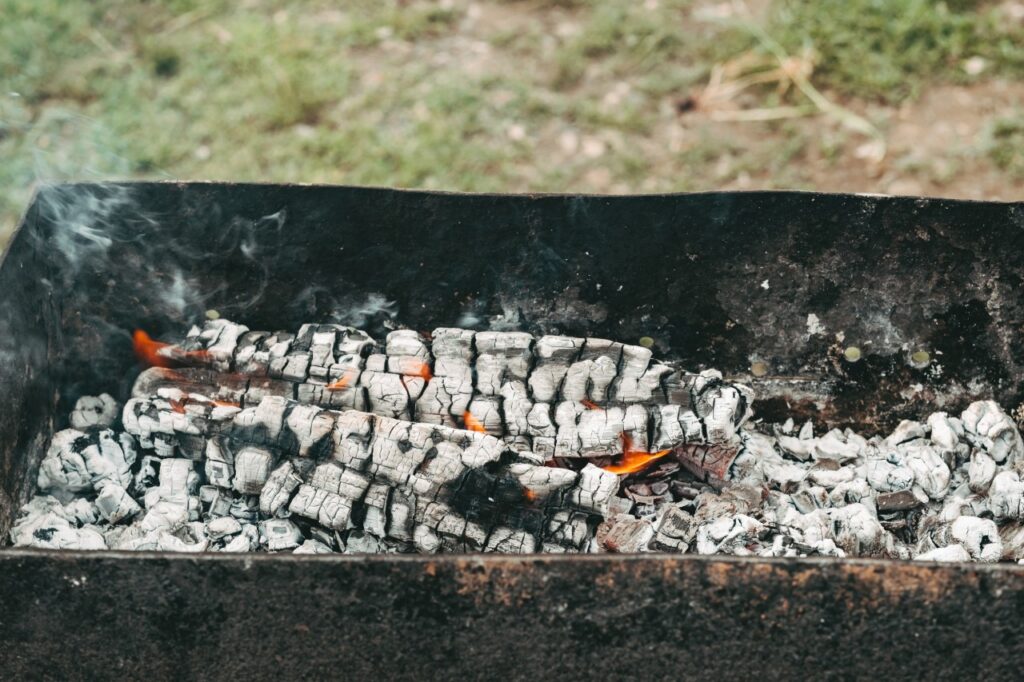
Ash buildup slowly suffocates charcoal fires by blocking airflow beneath the grate. Without proper oxygen flow, charcoal struggles to burn cleanly and evenly, even when fresh fuel is added.
Restricted airflow causes charcoal to smolder instead of burn steadily. This produces excess smoke, inconsistent heat, and longer cooking times. Moisture trapped in ash also accelerates corrosion inside the grill body, weakening metal surfaces over time.
Removing ash after each cookout restores airflow and supports clean combustion. Proper ash management keeps temperatures predictable, reduces smoke output, and extends the life of charcoal grills.
10. Using Harsh Chemicals Without Rinsing
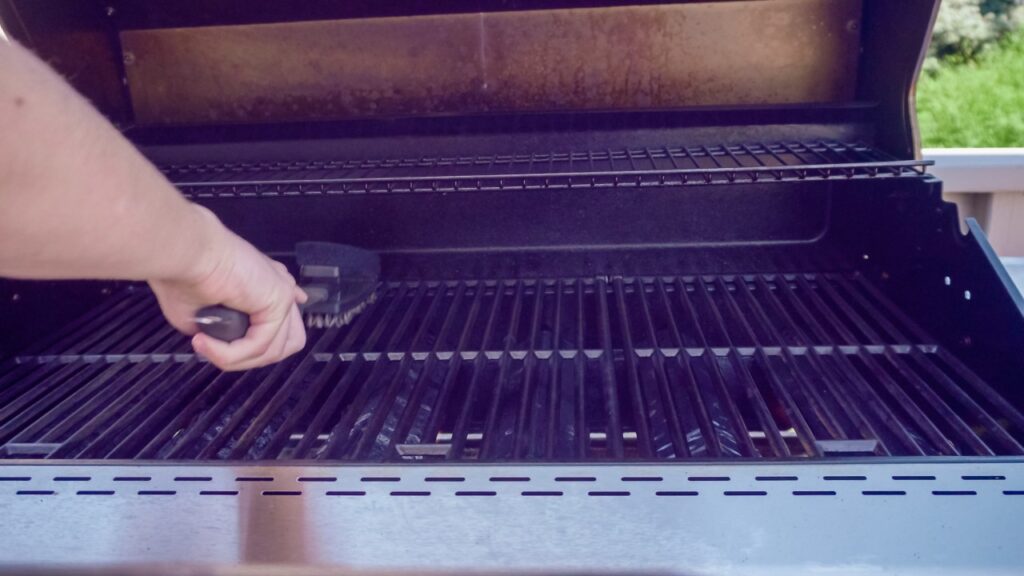
Harsh chemical cleaners cut through grease fast, which makes them tempting for deep grill cleaning. Problems start when residue is left behind. Once the grill heats up, leftover chemicals can release fumes that contaminate food and linger in the air.
Chemical residue also damages the grill itself. Over time, it breaks down protective coatings on grates and interior surfaces, accelerating rust, surface wear, and metal weakening that shortens the grill’s lifespan.
Thorough rinsing after chemical cleaning is essential. Removing residue protects food safety, preserves grill materials, and prevents chemical smoke during future cookouts.
11. Skipping Burner Port Cleaning on Gas Grills
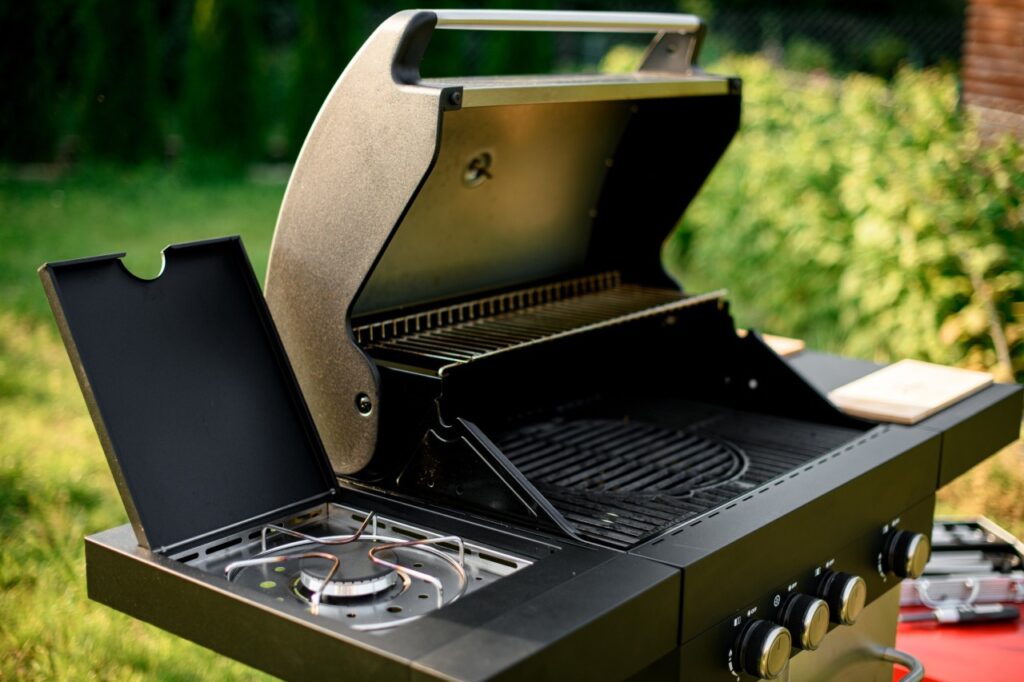
Burner ports control how gas flows across a grill, yet they are often ignored during routine cleaning. Over time, grease, food debris, and insects clog these small openings, disrupting how fuel reaches the flame.
When gas flow becomes uneven, hot spots and weak flames develop. This causes flare-ups, excessive smoke, and inconsistent cooking temperatures. Food may burn in one area while remaining undercooked in another.
Cleaning burner ports restores even gas distribution. Proper airflow improves temperature control, reduces flare-ups, and keeps smoke levels manageable, helping gas grills perform as designed.
12. Storing the Grill Dirty Under a Cover
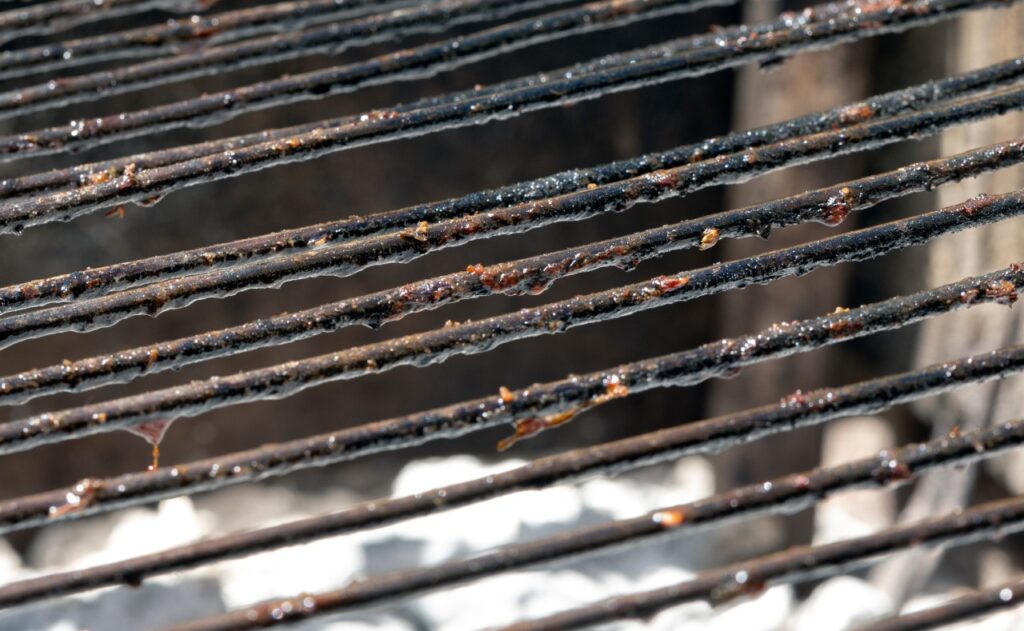
Covering a grill without cleaning it traps grease, moisture, and food residue inside. The cover blocks airflow, allowing humidity to linger on metal surfaces and in crevices where residue has already settled.
That trapped residue slowly breaks down, producing strong odors and encouraging mold, corrosion, and pests that often go unnoticed. By the next cookout, those odors return as smoke before food even begins cooking.
Cleaning the grill before covering it prevents this chain reaction. A clean surface dries properly, resists corrosion, and stays odor free, keeping the grill protected during storage.
13. Assuming Heat Alone Self-Cleans Everything
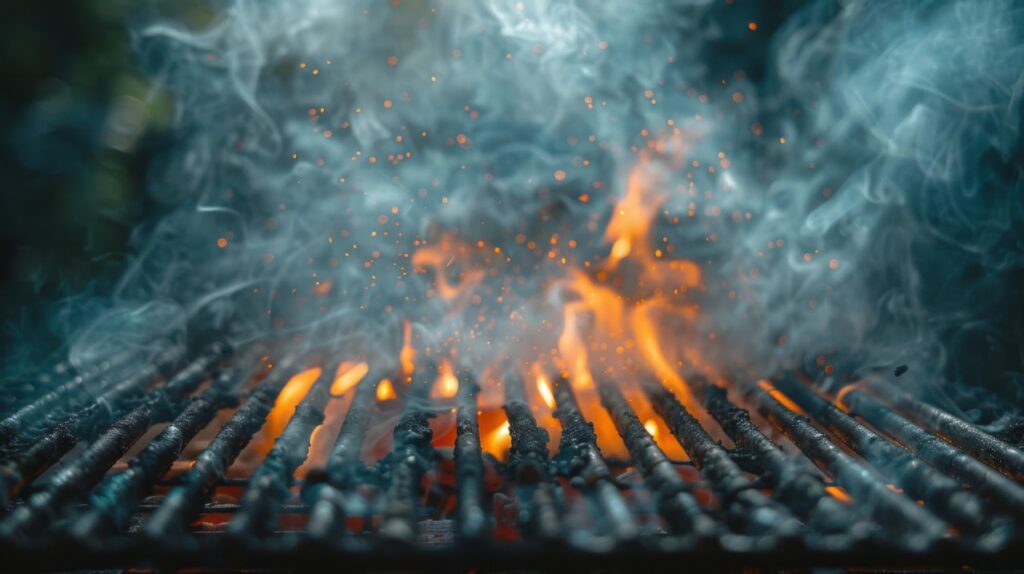
High heat gives the impression that a grill cleans itself, but heat only burns off loose debris. Grease buildup behaves differently. Instead of disappearing, it carbonizes and hardens, forming stubborn layers that cling tightly to grates and interior walls.
Each cooking cycle bakes those layers deeper into the metal. Over time, airflow becomes restricted and heat distribution turns uneven. This leads to thicker smoke, frequent flare-ups, and reduced temperature control during grilling.
Manual cleaning is still necessary to remove hardened residue. Heat should support cleaning, not replace it. Without physical removal, buildup continues to grow and gradually undermines both performance and flavor.
14. Waiting Until Smoke Smells Bad to Act
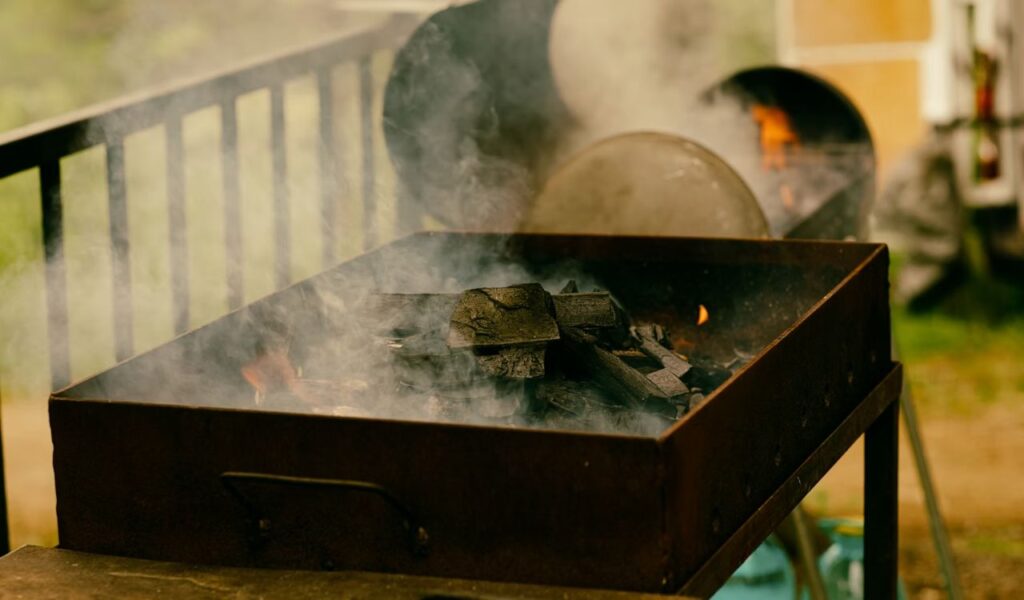
When the grill smoke begins to smell sharp or unpleasant, buildup has already reached an advanced stage. Old grease and residue are burning before food ever reaches the grates, signaling long-term neglect rather than a sudden problem.
That smoke coats food with bitter compounds and overwhelms natural flavors. It also indicates an increased risk of flare-ups or grease fires, as accumulated residue is igniting under high heat.
Routine cleaning prevents this outcome entirely. Addressing residue early keeps smoke light and neutral, protects flavor, and ensures grilling remains safe and predictable from ignition to shutdown.