12 Old-School Dishes People Stopped Missing a Long Time Ago

Food trends change, and so do cravings. Many old-school staples were built around convenience, canned shortcuts, and textures that once felt fun or practical. Today, those same traits can read as heavy, overly sweet, overly processed, or simply confusing on the plate. Gelatin molds wobble, creamy casseroles blur into one-note richness, and “salad” desserts lean sugary without balance. Even classics like liver or fruitcake suffer from reputation and bad versions that shaped public memory. These dishes are not forgotten because history moved on, but because better choices took their place.
1. Jell-O Salads

Gelatin dishes once signaled celebration because they looked glossy, colorful, and “modern,” yet the same texture that made them memorable is what pushes many people away today. Gelatin holds fruit, marshmallows, whipped topping, or even vegetables in a suspended wobble, and that mouthfeel can feel confusing when expectations lean toward crisp, creamy, or fresh. Flavor can also skew overly sweet, especially when canned fruit syrup and flavored gelatin do most of the work. Gelatin salads often lose out to fruit salads, whipped desserts, or simple cakes that deliver cleaner flavor and more familiar texture.
2. Tuna Noodle Casserole
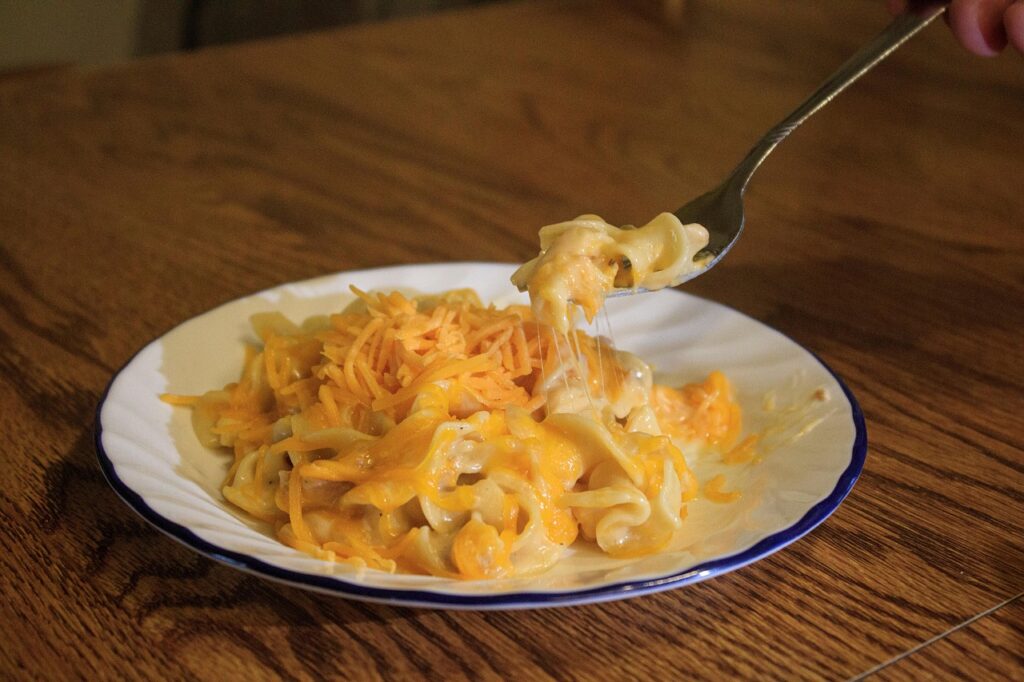
This casserole was built for convenience, yet many modern palates notice the same thing fast: the flavor can taste flat, salty, and processed. Canned “cream of” soups provide thickening and seasoning, but they also bring a uniform, starchy taste that can dominate the tuna and noodles instead of supporting them. Many versions also lack acid, herbs, or fresh vegetables, so the dish can feel one-note compared with lighter, fresher casseroles. The concept still works when upgraded with a homemade sauce and better seasoning, yet the classic pantry version is often the one people stop craving once other weeknight options become available.
3. Ambrosia Salad
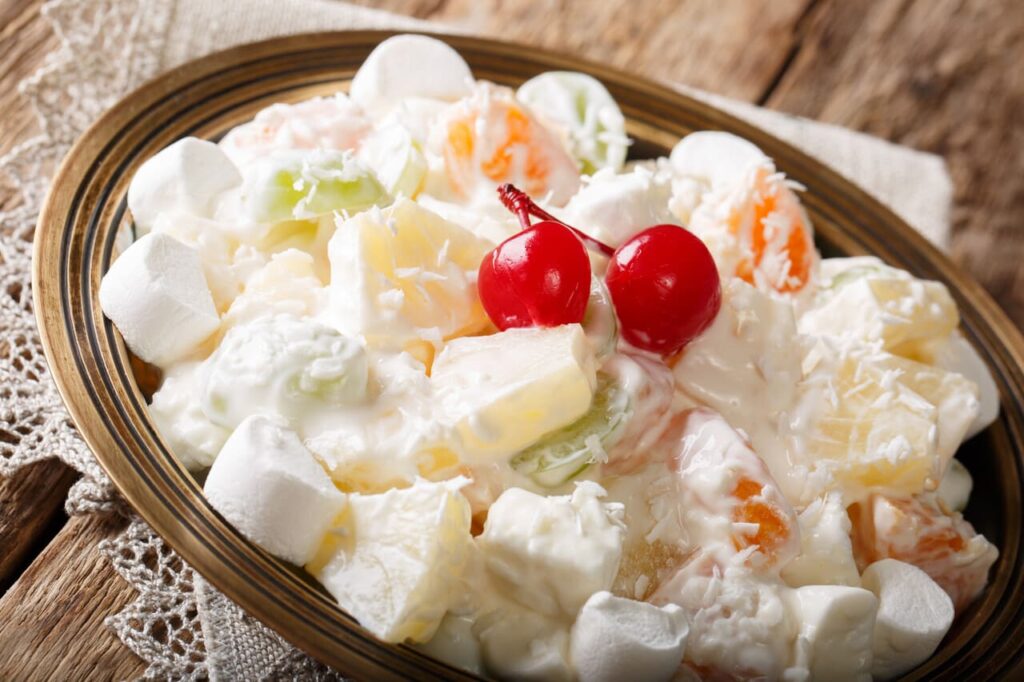
Ambrosia was designed to feel luxurious, yet it often reads as a sugar bomb now, because the classic build relies on sweet fruit, mini marshmallows, and whipped topping or sour cream, which can blur into a single sweet, creamy flavor. Many versions use canned pineapple or mandarin oranges, and the syrup-heavy fruit can make the dish taste more processed than fresh. Modern desserts also changed the playing field, since fruit-plus-cream now competes with better-balanced options like yogurt parfaits, fruit tarts, or lighter puddings. Ambrosia still shows up as a nostalgic holiday dish in some homes.
4. Chicken à la King
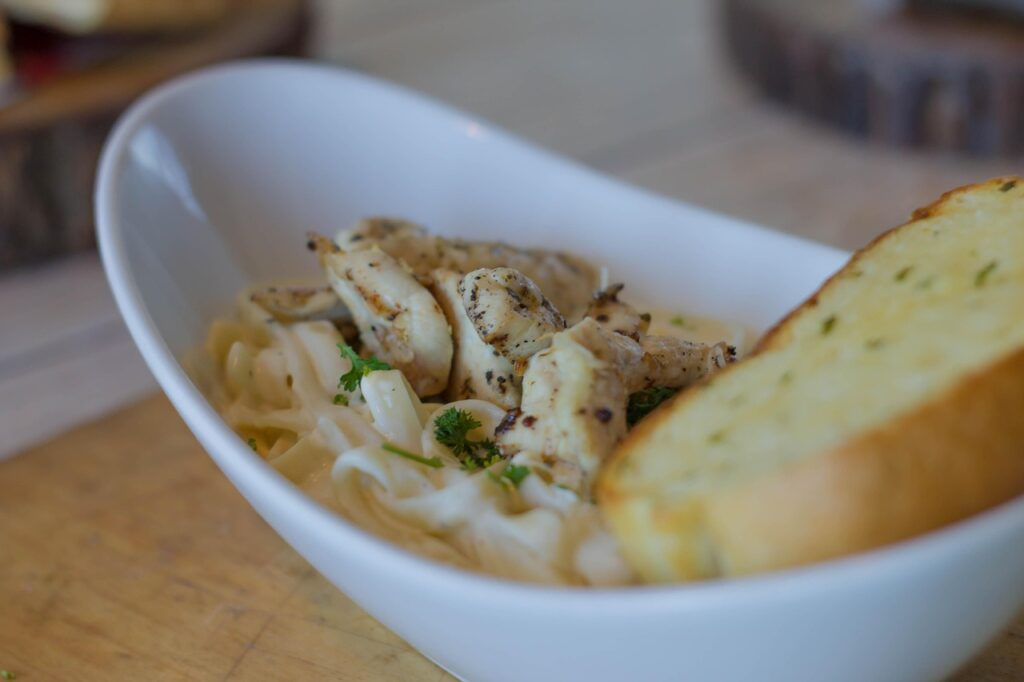
Creamy comfort once made this dish feel special, yet it can taste dated because the sauce-forward style often feels like cafeteria food to many people. The classic is diced chicken in a thick, pale cream sauce, sometimes with pimentos, peas, or mushrooms, served over toast, rice, or pastry shells, and that format can feel heavy and visually bland. The sauce is usually flour-thickened, and when the seasoning is conservative, the result can taste starchy rather than rich. Another factor is identity: it sits awkwardly between soup, stew, and sauce, which can make it feel less satisfying than dishes with clearer structure.
5. Creamed Chipped Beef
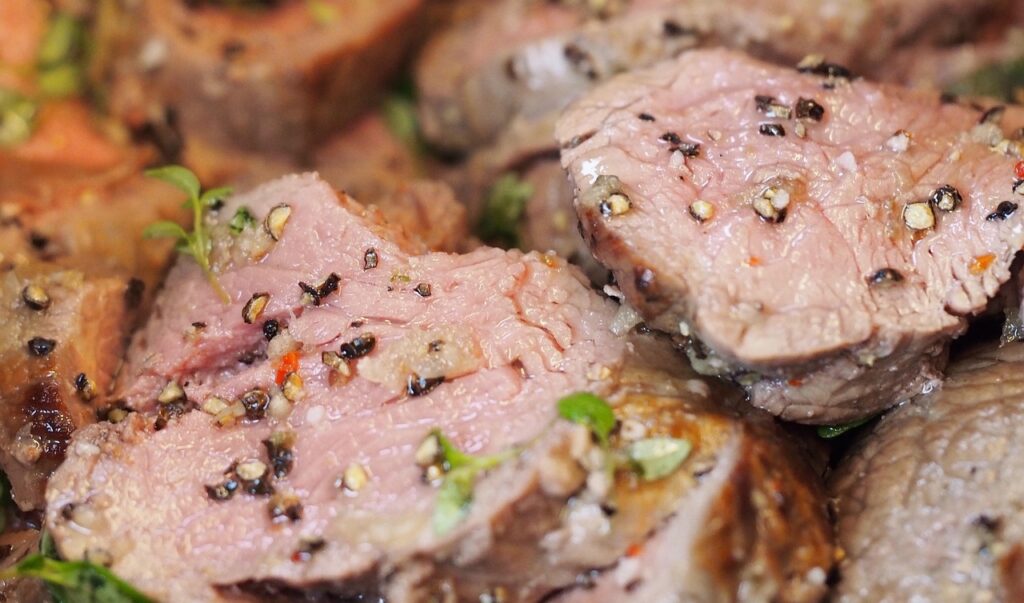
This meal is pure thrift cooking, and that origin shows in both flavor and reputation. Dried chipped beef is salty by design, and when it is folded into a thick white sauce and poured over toast, the result can taste overwhelmingly salty and one-textured, with very little freshness or contrast. The creamy gravy can feel heavy, and the toast underneath can turn soggy quickly, so the dish is rarely at its best beyond the first few minutes. Its nickname also shaped perception, since it cemented the meal as something endured rather than celebrated. For many people, the dish is remembered as a survival meal, which is exactly why it stopped being missed.
6. Liver
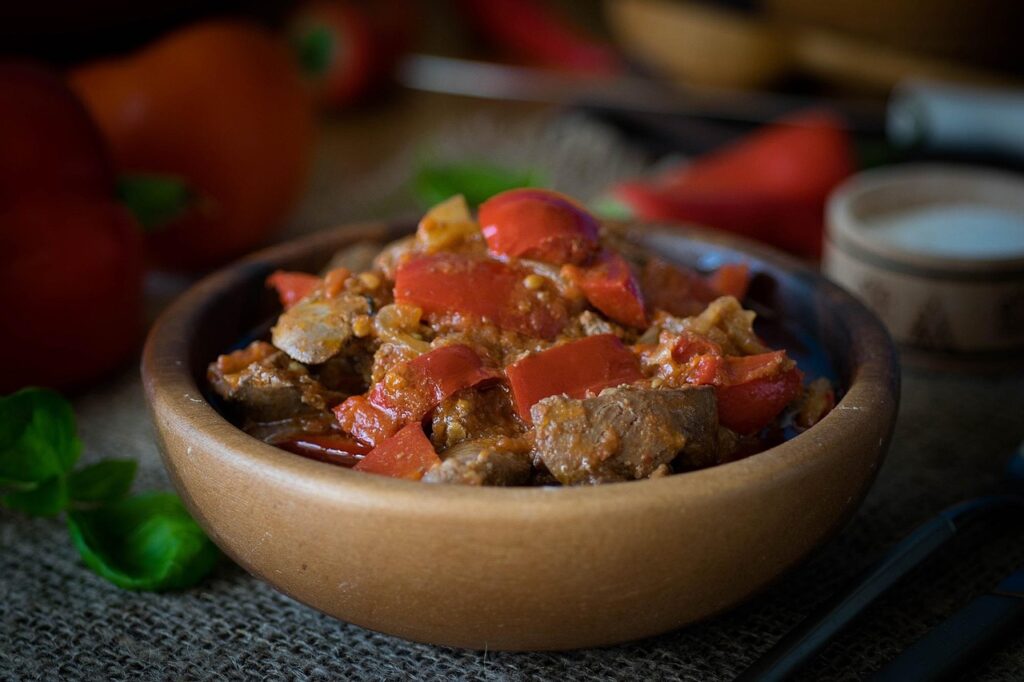
Few dishes divide a table faster, and the reasons are straightforward: liver has a strong aroma, a distinct mineral flavor, and a texture that can turn grainy or chalky if cooked poorly. Liver is nutrient-dense, yet it demands careful preparation, because overcooking dries it out and intensifies bitterness, while undercooking can feel unpleasantly soft. The smell during cooking also turns people away, especially in small kitchens. Some people still love liver when it is soaked, seasoned well, and cooked just right, yet the average household rarely chooses it now, and many memories of it are tied to tough, overcooked versions that made the dislike permanent.
7. Turkey Tetrazzini
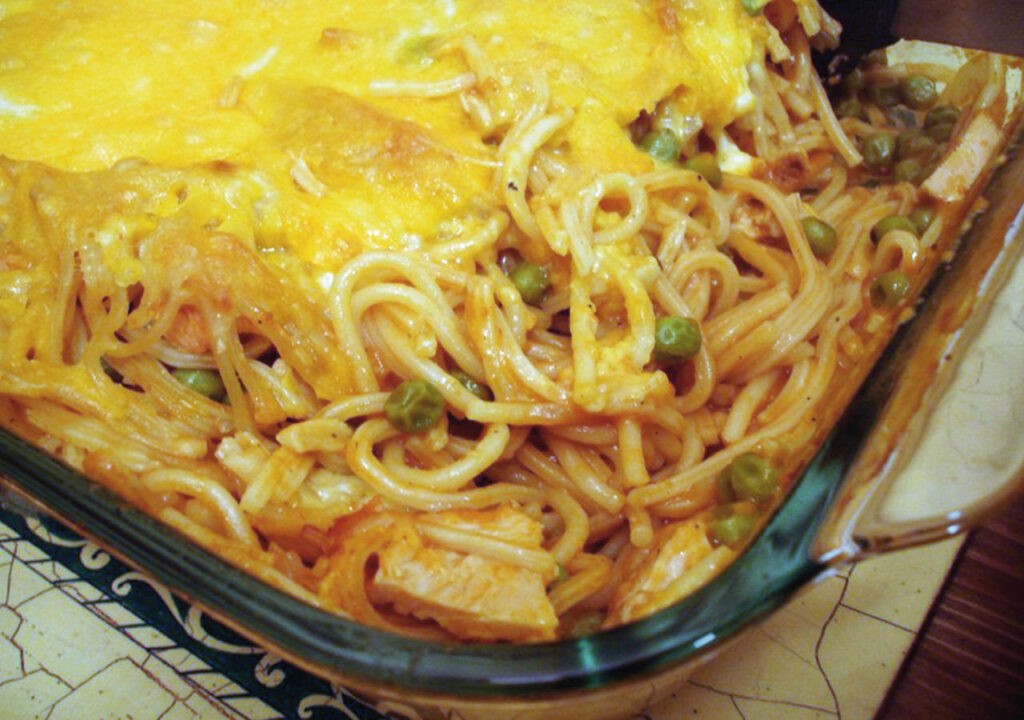
Leftover turkey needed a second act, and tetrazzini provided it, yet the classic version often feels like a heavy mash-up of pasta, cream sauce, and mild meat that can taste bland without careful seasoning. The sauce is typically thickened with flour and enriched with dairy, and that richness can feel excessive when paired with soft pasta and shredded turkey, which is already delicate in flavor. Many versions rely on canned soup or minimal herbs, so the dish can drift into a uniform creamy taste with little brightness. Tetrazzini can be excellent when made thoughtfully, yet the standard retro bake is the one people stopped longing for.
8. Meat Sandwiches
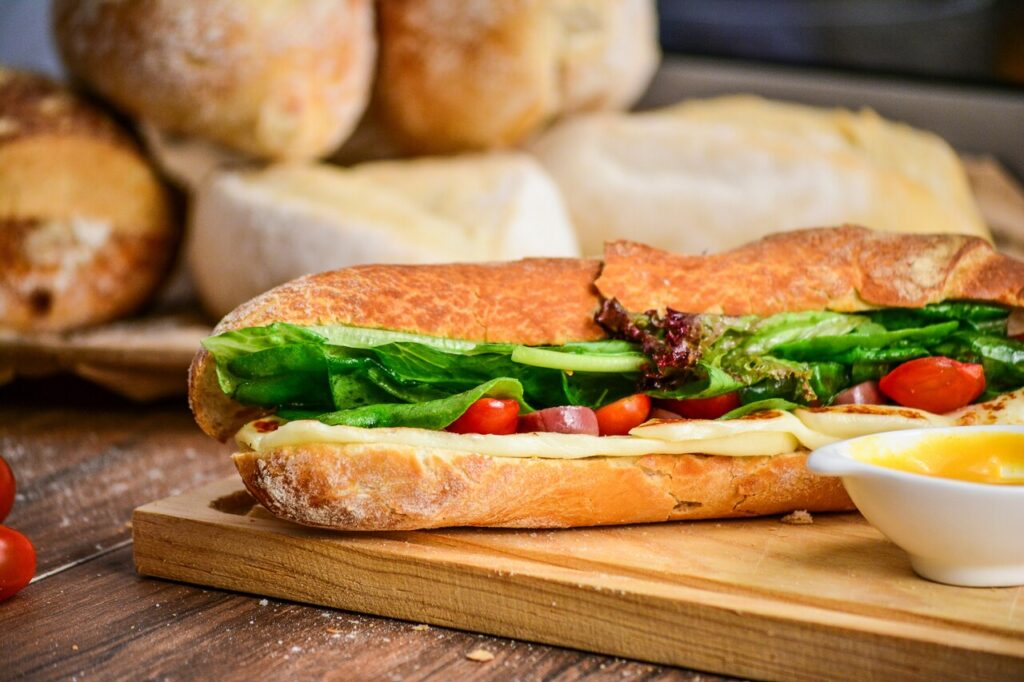
Olive loaf is a relic of peak processed deli culture, and its biggest problem today is perception as much as flavor. It is a bologna-style loaf studded with olives, which creates a soft, uniform meat texture interrupted by salty olive pieces, and that combination can feel odd compared with cleaner deli slices. Sandwich culture also evolved: many people now prefer roasted meats, fresh breads, sharper condiments, and crisp vegetables, which highlight freshness and contrast. Olive loaf struggles in that landscape because it is already soft and strongly processed, and it pairs best with simple bread-and-mayo builds that feel dated.
9. Cream of Wheat
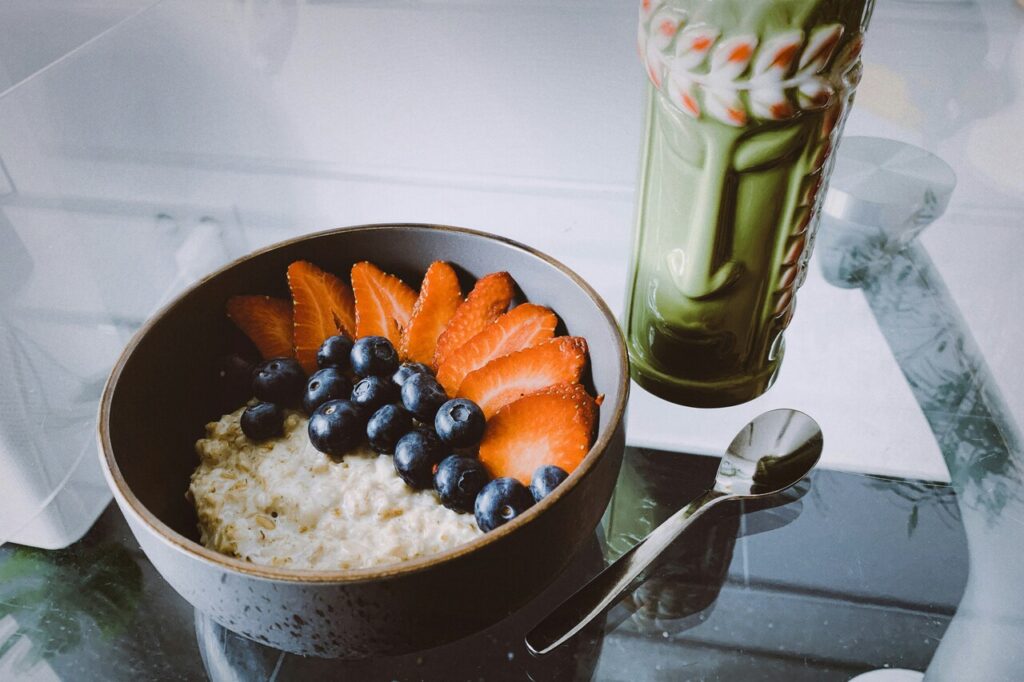
Hot cereal was once a daily staple, yet many people stopped craving Cream of Wheat because texture expectations changed. The porridge can be smooth to the point of blandness, and if cooked poorly, it turns lumpy, pasty, or gluey, which makes it hard to love. Flavor is also gentle by design, so it needs add-ins like butter, sugar, cinnamon, or fruit to taste exciting, and modern breakfast options often deliver more flavor with less effort. Cream of Wheat still has a place for those who like a soft, warm bowl, especially when seasoned well, yet it lost routine status as breakfast habits shifted toward quicker, more textured, more filling options.
10. Watergate Salad
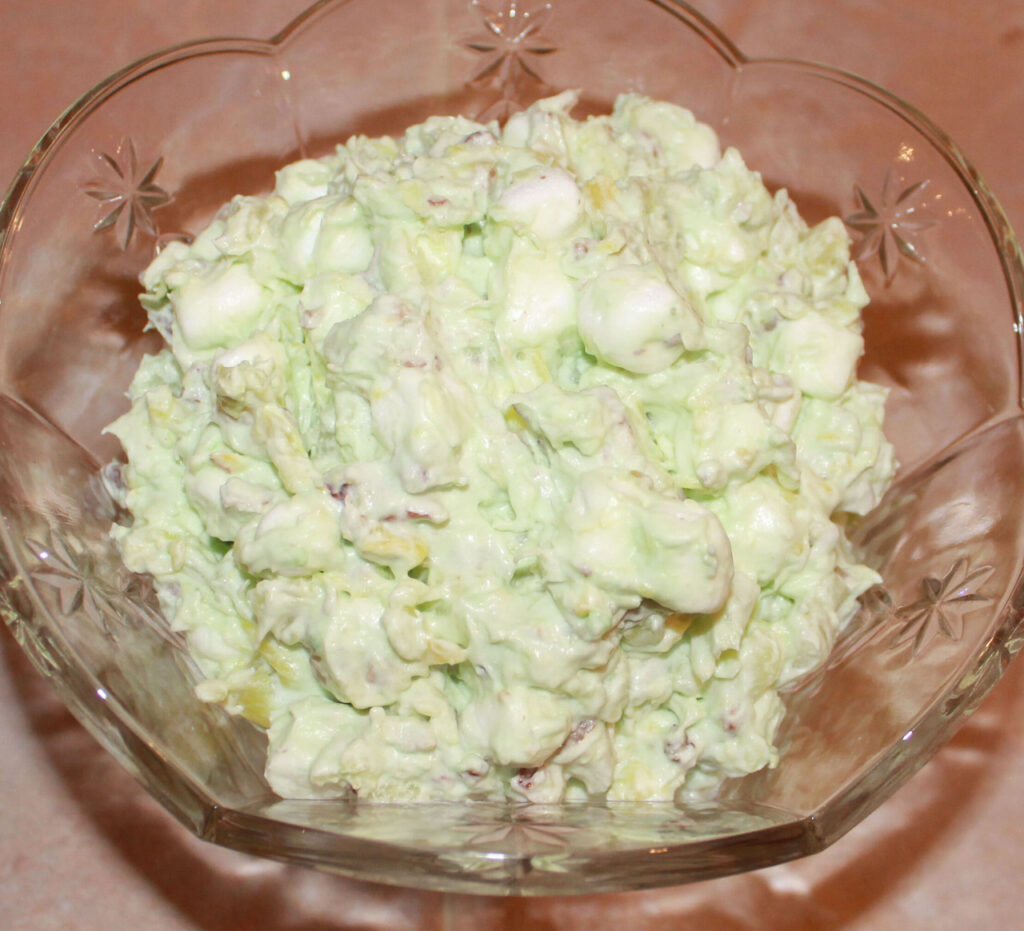
This is a time capsule dessert, and the ingredients explain why it faded: instant pudding mix, whipped topping, canned pineapple, and sometimes marshmallows or nuts, all mixed into a sweet, fluffy bowl that blurs dessert and side dish. The flavor is heavily driven by processed sweetness, and the bright green color can feel artificial to modern eyes, which matters more than people admit. It also carries a strong era association, since it became popular in a specific cultural moment and never fully reinvented itself. People who love it tend to love the nostalgia, yet for many others, it feels like a novelty.
11. Fruitcake
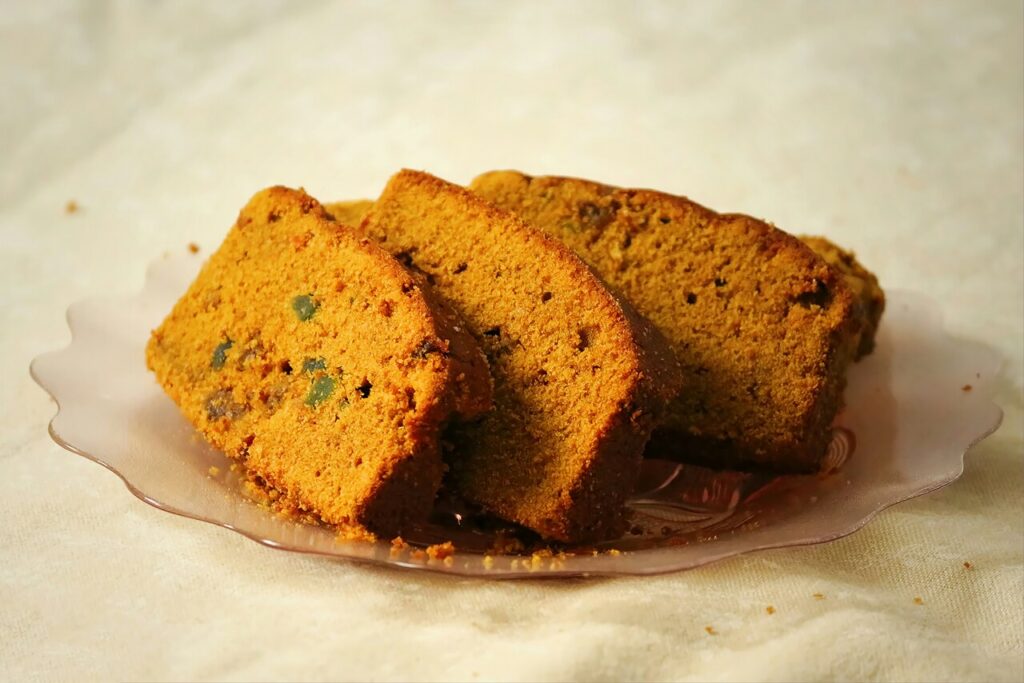
Fruitcake became a punchline because many versions are dense, overly sweet, and packed with candied fruit that tastes more like syrupy candy than real fruit. Texture is a major issue: a heavy loaf can feel dry on the tongue, yet sticky in the middle, and the mix-ins can be chewy in a way that reads stale even when the cake is fresh. To be fair, good fruitcake exists, especially versions that use real dried fruit, nuts, and careful aging with controlled moisture, but the widely known supermarket style shaped the reputation. Fruitcake struggles to earn a new audience, so the joke continues, and the craving stays rare.
12. Fondue
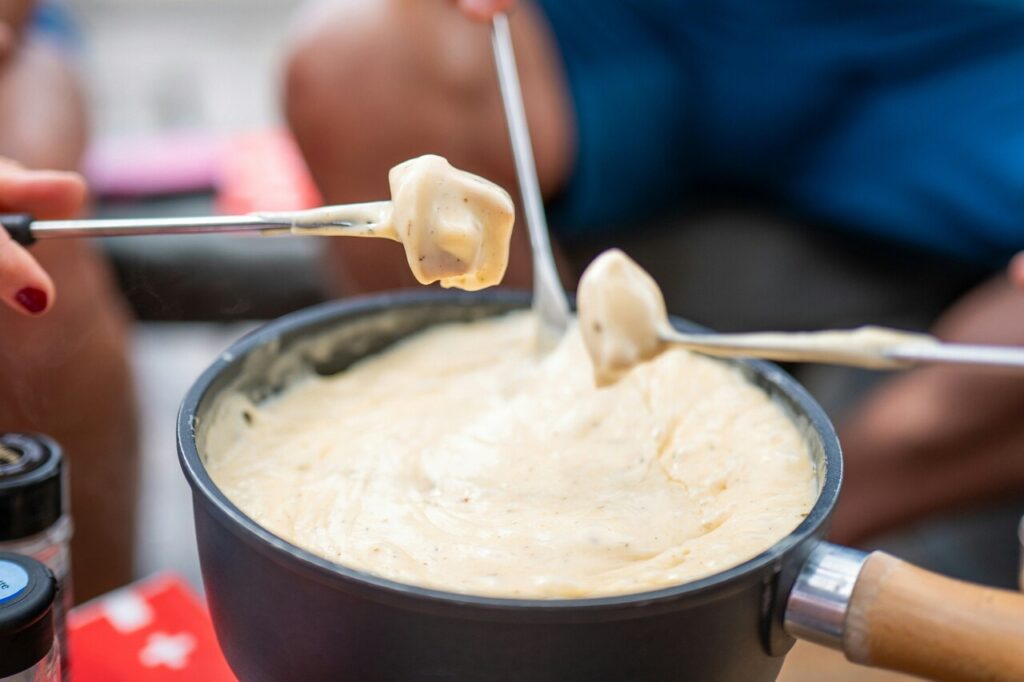
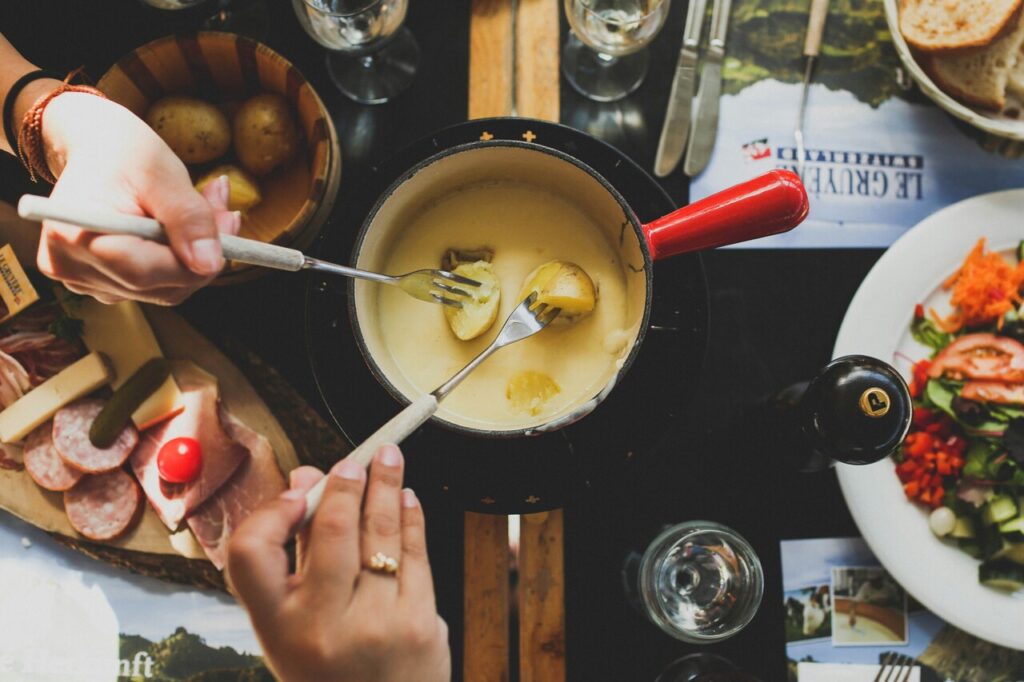
Fondue was once the height of entertaining because it felt interactive and special, yet many people quietly stopped missing it because the experience is fussy compared with the payoff. Cheese fondue needs careful heat control to stay smooth, since overheating can make it stringy or separated, and constant stirring is required to keep the texture stable. Another issue is pacing: guests eat in bursts, the pot thickens as it sits, and bread and fruit can run out before the pot is finished. Modern hosting often favors simpler spreads and make-ahead dishes, so fondue parties became a nostalgic idea rather than a regular plan.