9 Desserts That Became Famous Thanks to Television

Television has a rare power to turn simple food into shared memory. A single scene can transform an ordinary dessert into an object of desire, imitation, and nostalgia. Over time, repeated moments on screen shape how audiences crave, bake, and talk about sweets at home. These desserts became famous not because they were complex, but because television gave them meaning. From comfort to spectacle, each one shows how storytelling can permanently change the way a dish is remembered. It explains why viewers still chase flavors long after episodes.
1. The Princess and the Frog Beignets Reintroduced Regional Tradition to New Audiences
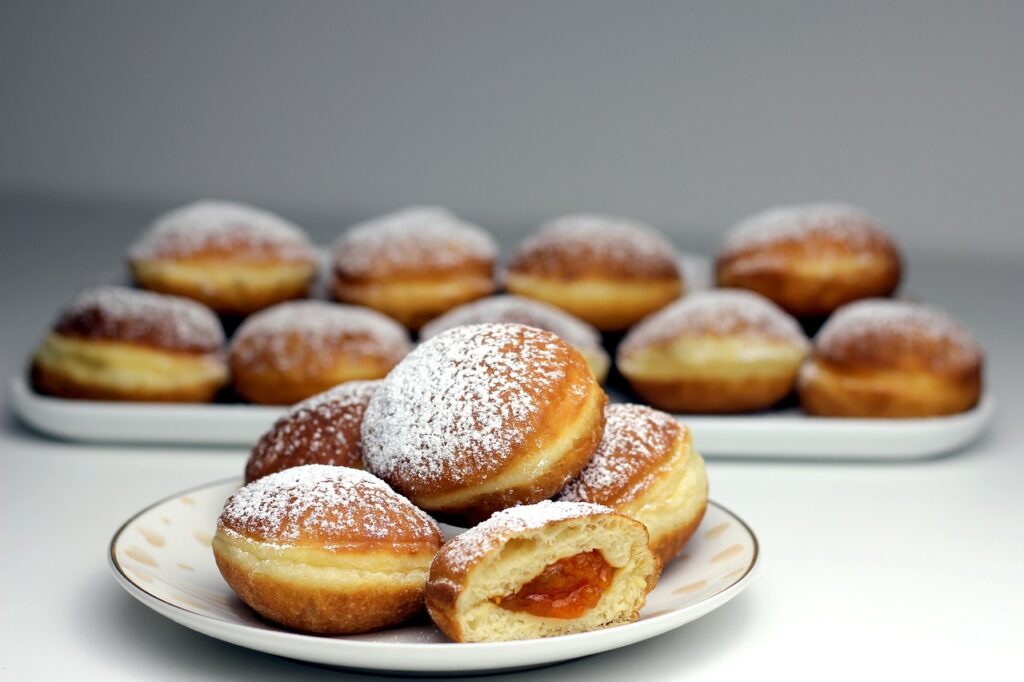
Beignets gained renewed attention when they appeared as a symbol of ambition and heritage in The Princess and the Frog. Television framed them not just as fried dough but as a representation of cultural pride and culinary craft. The powdered sugar clouds and golden texture emphasized warmth and hospitality. Viewers unfamiliar with New Orleans cuisine were introduced to the dessert in a context that respected its roots. This exposure encouraged wider interest and home experimentation, proving that television can revive traditional foods by placing them within compelling narratives. The dish’s simplicity also made it approachable for home cooks trying it for the first time.
2. Pulp Fiction Milkshake Turned Dialogue Into Flavor

The famous milkshake scene elevated a basic vanilla shake into a topic of fascination. Its fame came not from ingredients but from conversation. Television framed the milkshake as luxurious through pricing and attention, prompting viewers to reconsider a familiar drink. That framing led to reinterpretations that emphasized quality dairy and classic technique. The dessert became a lesson in perception, showing how context can redefine value. Its legacy demonstrates that even the simplest sweets can gain cultural weight when television gives them space to matter. The scene encouraged audiences to slow down and notice what was being consumed.
3. Twin Peaks Cherry Pie Became a Ritual Rather Than a Recipe
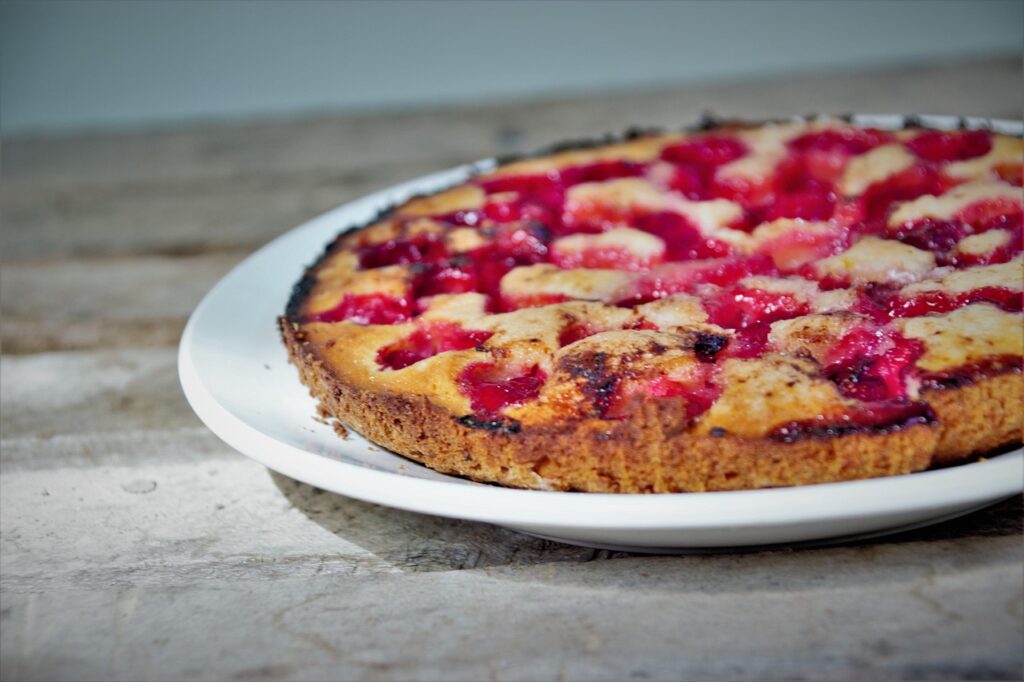
Twin Peaks made cherry pie famous by treating it with reverence. The repeated praise turned an ordinary diner dessert into a moment of certainty within an otherwise unsettling world. Television presented the pie as comfort, stability, and truth. That framing encouraged viewers to associate the dessert with calm and satisfaction. Bakers leaned into traditional methods, emphasizing fruit quality and balance rather than novelty. The pie’s fame rests on emotional grounding rather than spectacle. Its quiet consistency became part of the show’s atmosphere. That association helped the dessert linger in popular memory long after the series ended.
4. The Bear Chocolate Cake Represented Precision Under Pressure
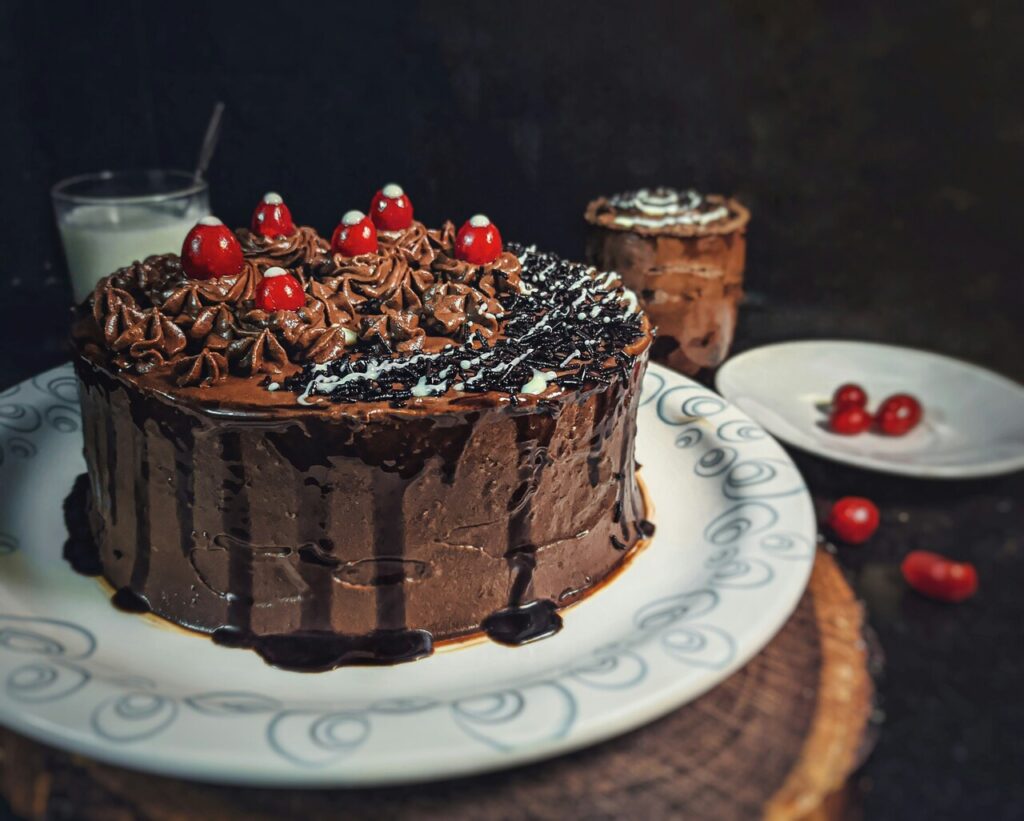
The chocolate cake in The Bear became famous because it reflected professional discipline rather than indulgence. Television framed the dessert as a test of focus, technique, and restraint. Its clean layers and balanced sweetness mirrored the show’s themes of control and chaos. Viewers responded to the idea that baking could be both emotional and exacting. The cake’s popularity led to careful recreations that prioritized structure and flavor balance. It became a modern symbol of seriousness in dessert making. The emphasis on process resonated strongly with professional and home bakers alike. That realism separated it from more theatrical TV dramas.
5. Friends Cheesecake Became an Act of Obsession
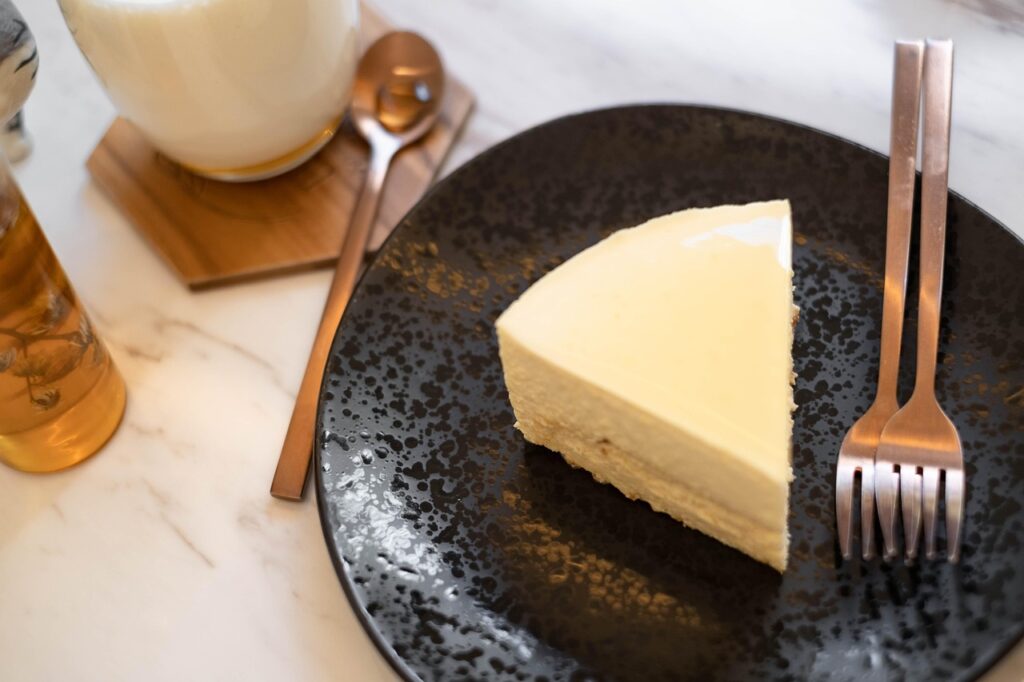
Cheesecake gained pop culture status through Friends by being treated as irresistible to the point of absurdity. The show highlighted its density, richness, and inability to be ignored. Television turned a classic dessert into a comedic force, emphasizing how pleasure overrides restraint. Viewers connected to the exaggerated devotion because it felt relatable. The cheesecake’s fame reinforced its status as a dessert meant to be savored without apology. It showed how television humor can elevate familiarity into fixation. The scenes captured how indulgence often defies logic. That honesty helped cement cheesecake as a symbol of guilty pleasure.
6. Cupcakes Became a Lifestyle Signal

Cupcakes surged in popularity after Sex and the City framed them as part of modern urban identity. Television positioned the dessert as casual, portable, and indulgent without commitment. The small size and decorative frosting aligned with the show’s themes of choice and individuality. Bakeries responded by expanding cupcake menus and presentation. The dessert’s fame was driven by association with lifestyle rather than tradition. It marked a shift toward personalized indulgence in modern dessert culture. Cupcakes became less about baking skill and more about expression. That shift reshaped how desserts were marketed and consumed.
7. Matilda Chocolate Cake Turned Excess Into Triumph
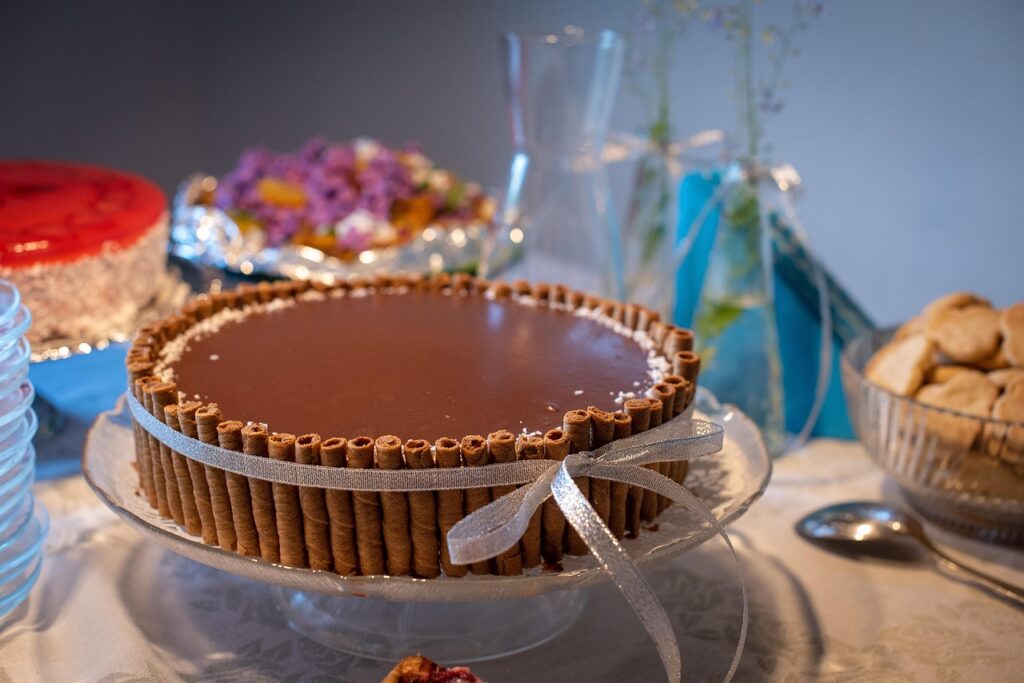
The towering chocolate cake in Matilda became unforgettable because it transformed indulgence into spectacle. The scene did not just show dessert; it made the cake a symbol of defiance, endurance, and collective celebration. Its dense layers and glossy frosting communicated richness , convincing viewers that this was not an ordinary cake but an ordeal disguised as a treat. Home bakers later chased that same visual drama by creating cakes with thick ganache, dark cocoa, and moist crumb. Television gave the dessert emotional weight, turning a simple chocolate cake into a cultural reference point that still defines over-the-top baking today.
8. Harry Potter and the Philosopher’s Stone Birthday Cake Made Imperfection Feel Meaningful
Hagrid’s homemade birthday cake stood out because it rejected polish in favor of intention. The uneven icing and misspelled message made the cake feel personal rather than decorative. Television audiences responded to the sincerity behind it, not its technical skill. The cake communicated care, welcome, and belonging, which elevated it beyond a basic sponge and frosting. Fans recreating it often preserve the rough edges deliberately, understanding that precision would undermine the point. This dessert became famous because it showed how food can carry emotional meaning even when execution is flawed.
9. The Simpsons Pink Donut Became a Visual Shortcut for Desire

Homer Simpson’s pink sprinkle donut achieved fame through repetition and clarity. Its bright color and simple form made it instantly recognizable, even without context. Television turned it into shorthand for temptation, reward, and excess. The donut’s exaggerated appeal encouraged real-world bakeries to replicate it almost exactly, proving that visual identity can outweigh complexity. The dessert’s fame rests not on flavor innovation but on consistency and symbolism. It demonstrates how television can turn an everyday pastry into an icon through sheer visibility. Its color and shine made it instantly readable even in a split second of screen time.