8 Trendy Ingredients That Appear Frequently on Modern Menus

Modern restaurant menus reflect more than cooking trends. They show how global flavors, nutrition awareness, and creative presentation shape what people eat today. Ingredients that once felt unfamiliar now appear regularly on contemporary plates.
Chefs often look for ingredients that bring bold flavor, color, or texture to a dish. Sometimes the appeal comes from tradition, while other times it comes from versatility or nutritional value.
From bright green powders to fermented vegetables and creamy spreads, certain ingredients stand out in modern cooking. Their popularity reflects how changing tastes and global influences continue shaping today’s menus.
1. Avocado
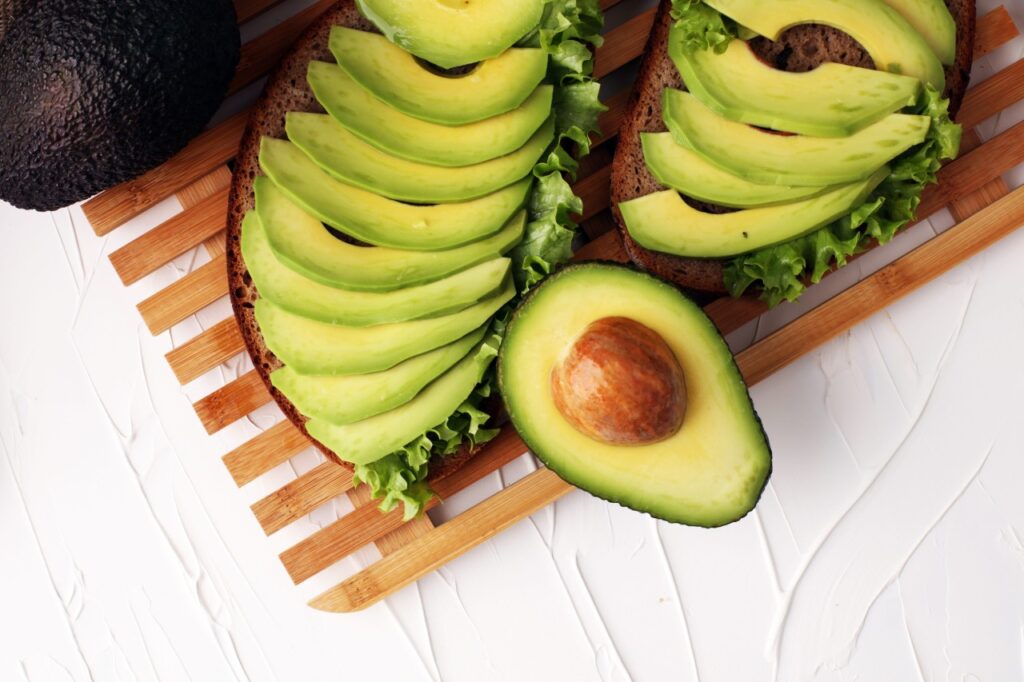
Few ingredients have shaped modern café menus as strongly as avocado. Its smooth texture and mild, buttery taste make it easy to pair with many foods. From toast and salads to grain bowls and sandwiches, avocado has become a common feature in dining.
One reason for its popularity is versatility. Avocado can be sliced, mashed, blended into sauces, or added to smoothies. It also works well with both savory and slightly sweet flavors, giving chefs many options when building a dish.
Another reason is nutrition. Avocados contain monounsaturated fats along with fiber and potassium. These qualities increased their appeal as diners became more interested in balanced and plant-focused meals. Today, avocado remains a popular ingredient on many menus.
2. Quinoa
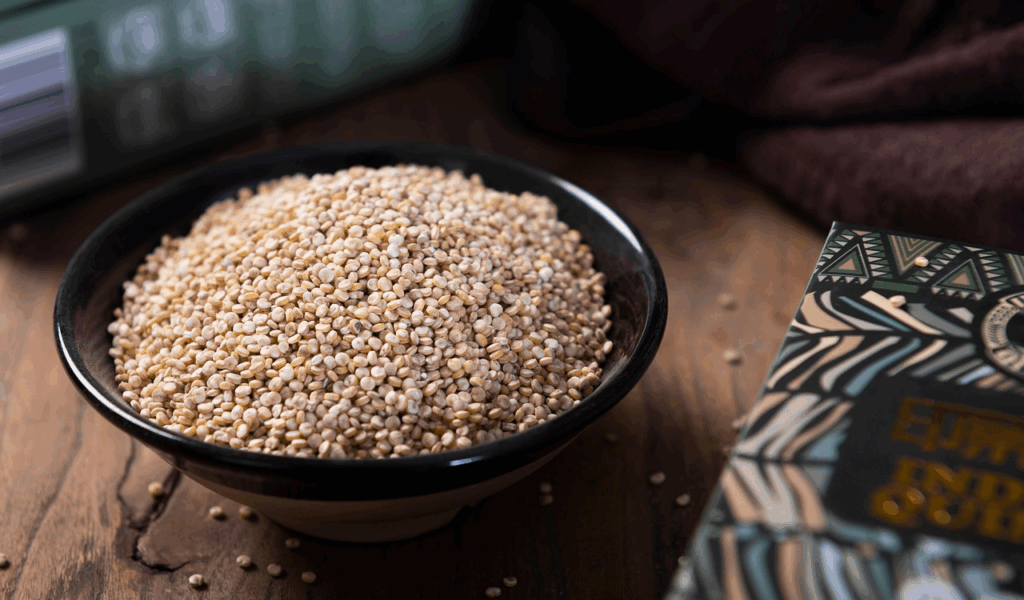
Quinoa has become a staple ingredient on many modern restaurant menus. Although it is often called a grain, quinoa is actually a seed that cooks similarly to rice. Its light texture and mild flavor make it easy to include in a wide range of dishes.
Restaurants frequently use quinoa in salads, grain bowls, and side dishes. The small seeds absorb flavors from herbs, dressings, and vegetables, which allows chefs to build balanced meals around them.
Quinoa also gained attention because of its nutritional profile. It contains protein, fiber, and several essential minerals. As diners began seeking more plant-based and nutrient-rich foods, quinoa naturally found its place on contemporary menus and continues to appear in many health-focused dishes.
3. Matcha
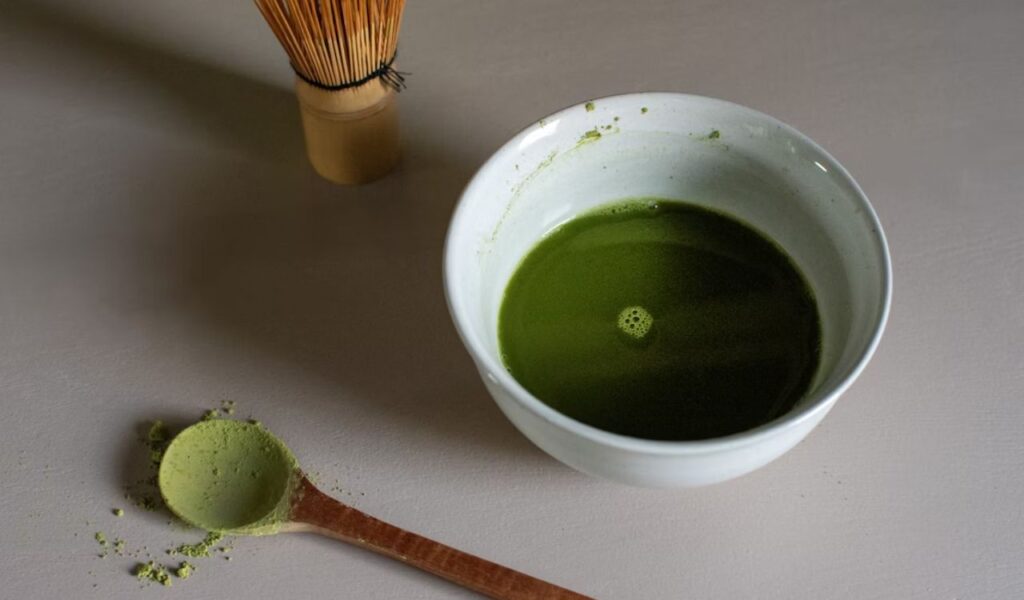
Matcha stands out instantly because of its bright green color and distinctive taste. This finely ground green tea powder has been used in Japanese tea traditions for centuries. In recent years, it has gained a strong presence in modern cafés and dessert menus.
Unlike regular tea leaves that are steeped and removed, matcha powder is whisked directly into liquids. This creates a smooth drink with a slightly earthy flavor and a vibrant color that attracts attention.
Modern chefs and baristas have expanded their uses far beyond tea. Matcha now appears in lattes, ice cream, cakes, cookies, and smoothies. Its visual appeal and recognizable flavor have made it a popular ingredient in contemporary food culture.
4. Cauliflower
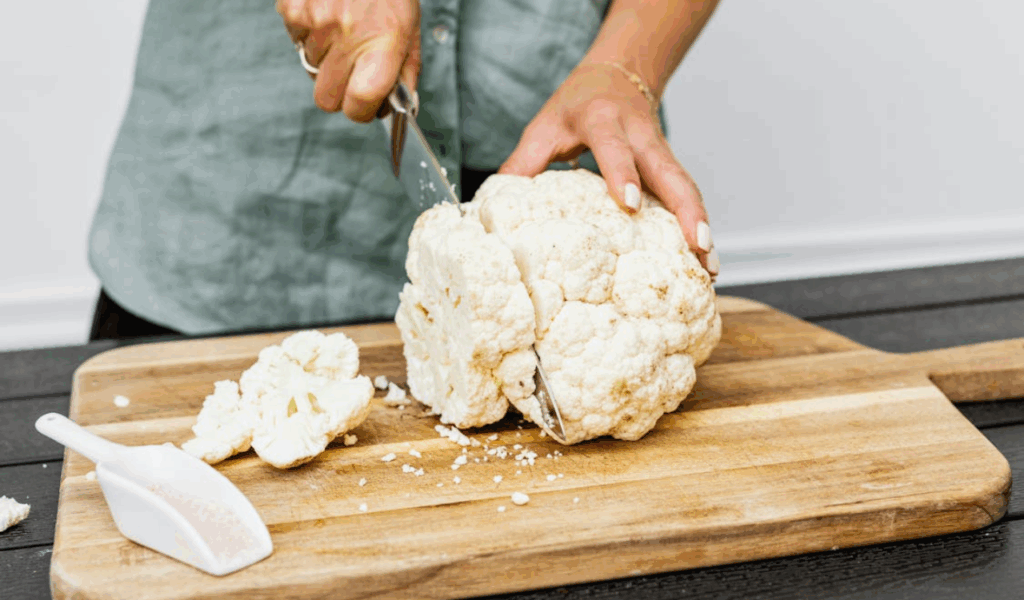
Cauliflower has undergone a remarkable transformation in modern kitchens. Once considered a simple side vegetable, it is now used in creative ways across restaurant menus.
One reason for this shift is its neutral flavor and adaptable texture. Cauliflower can be roasted, mashed, blended, or grated into small pieces that resemble rice. These qualities allow it to replace other ingredients in dishes such as pizza crusts, rice bowls, and even plant-based wings.
Chefs also appreciate how cauliflower absorbs seasonings and sauces. This ability allows it to carry bold flavors while still maintaining its structure. Because of this versatility, cauliflower continues to appear in many inventive dishes on contemporary menus.
5. Kimchi
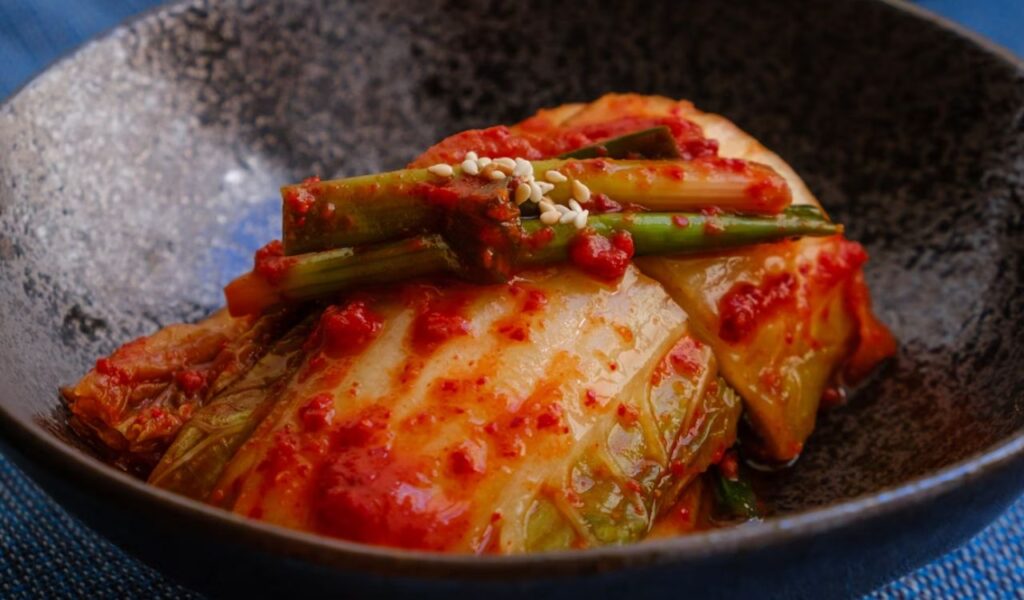
Kimchi brings bold flavor and tradition to modern restaurant dishes. This fermented vegetable dish is a staple in Korean cuisine and is known for its combination of spice, tanginess, and depth.
The fermentation process develops complex flavors while also preserving the vegetables. Cabbage, garlic, ginger, and chili are common ingredients, creating a mixture that is both vibrant and aromatic.
As global cuisine influences restaurant menus, kimchi has found its way into many fusion dishes. Chefs often add it to tacos, rice bowls, burgers, or grilled sandwiches. Its strong flavor helps create contrast and balance, which is why it appears so often on contemporary menus.
6. Tahini
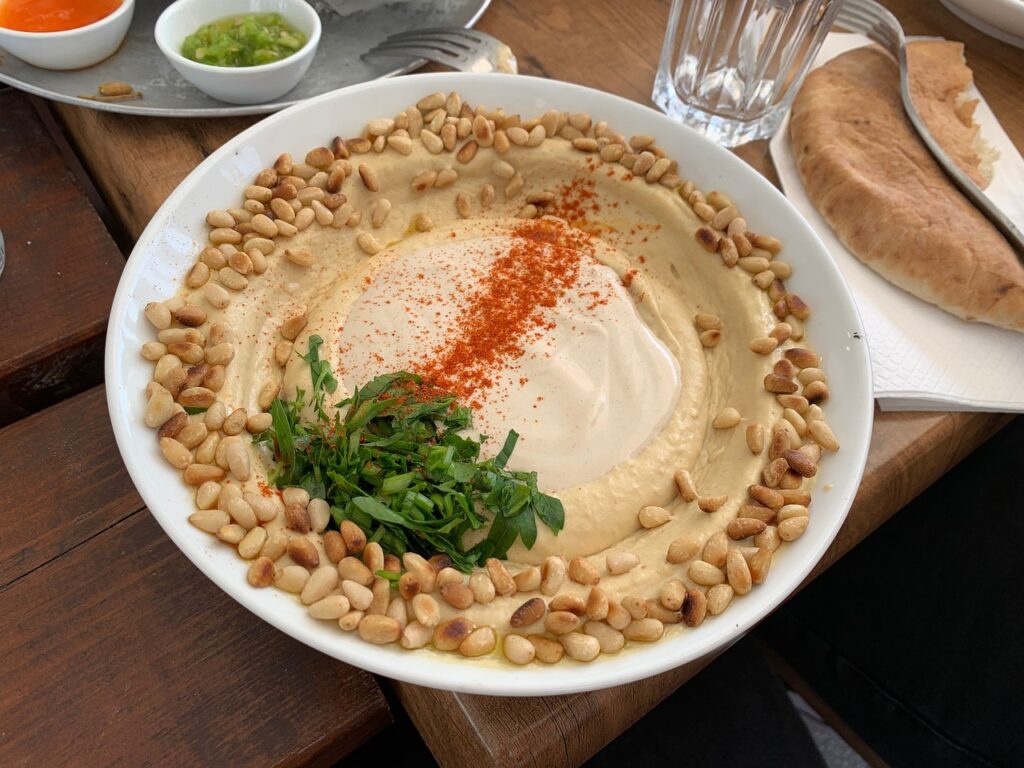
Tahini is a smooth paste made from ground sesame seeds. Its rich, nutty flavor has long been used in Middle Eastern cooking, especially in dishes such as hummus and sauces.
Modern restaurants frequently incorporate tahini into dressings, dips, and grain bowl toppings. The paste blends easily with lemon juice, garlic, or olive oil to create creamy sauces without the need for dairy.
Its popularity has grown as plant-based eating has become more common. Tahini adds both flavor and texture to vegetable dishes while providing healthy fats and minerals. Because of its versatility and depth, it continues to appear across many contemporary menus.
7. Microgreens
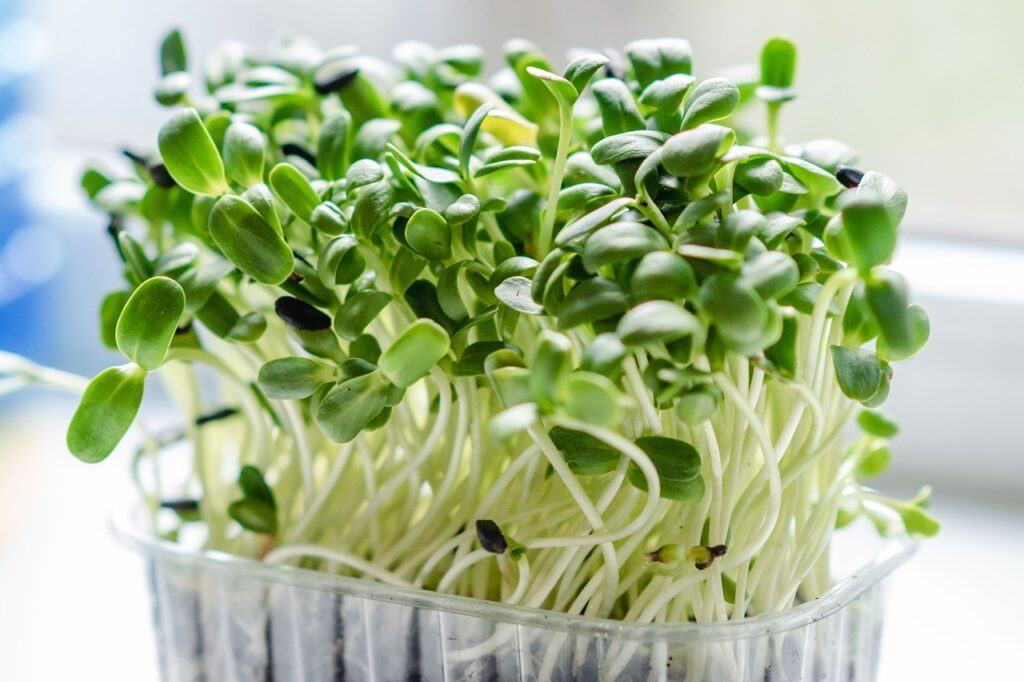
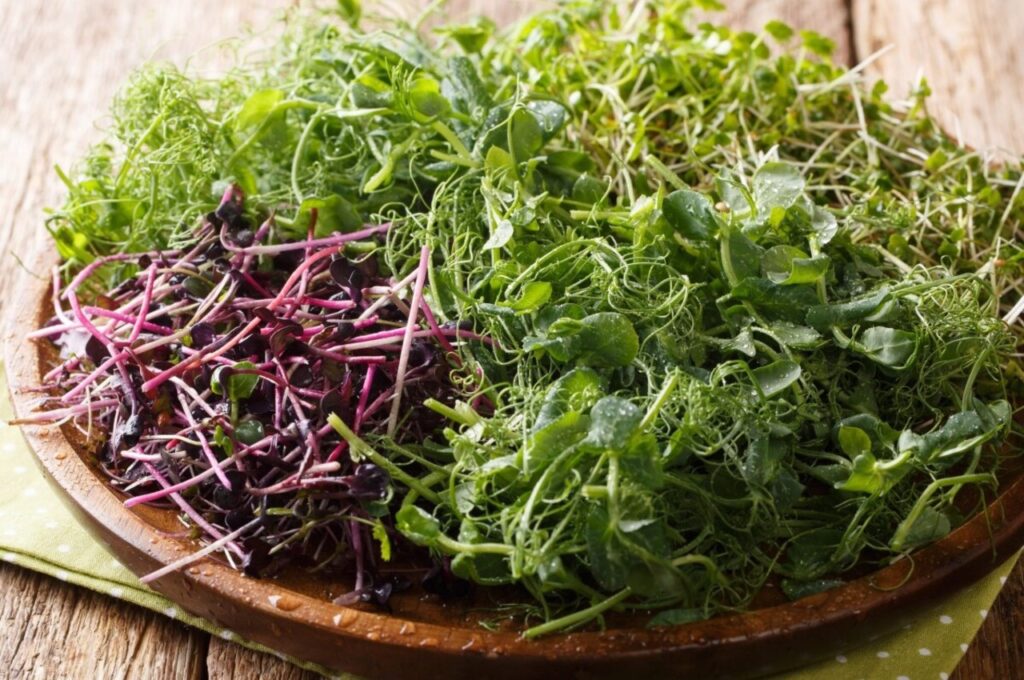
Microgreens may be small, but they have made a big impact on modern plating. These young greens are harvested early in their growth, often just a few weeks after germination.
Despite their tiny size, microgreens offer concentrated flavor. Varieties such as radish, arugula, and pea shoots provide fresh and sometimes slightly peppery notes that enhance many dishes.
Restaurants often use microgreens as garnishes for salads, sandwiches, and plated entrées. Their delicate leaves add color, freshness, and texture. Because presentation plays a major role in contemporary dining, microgreens remain a popular finishing touch on modern menus.
8. Harissa
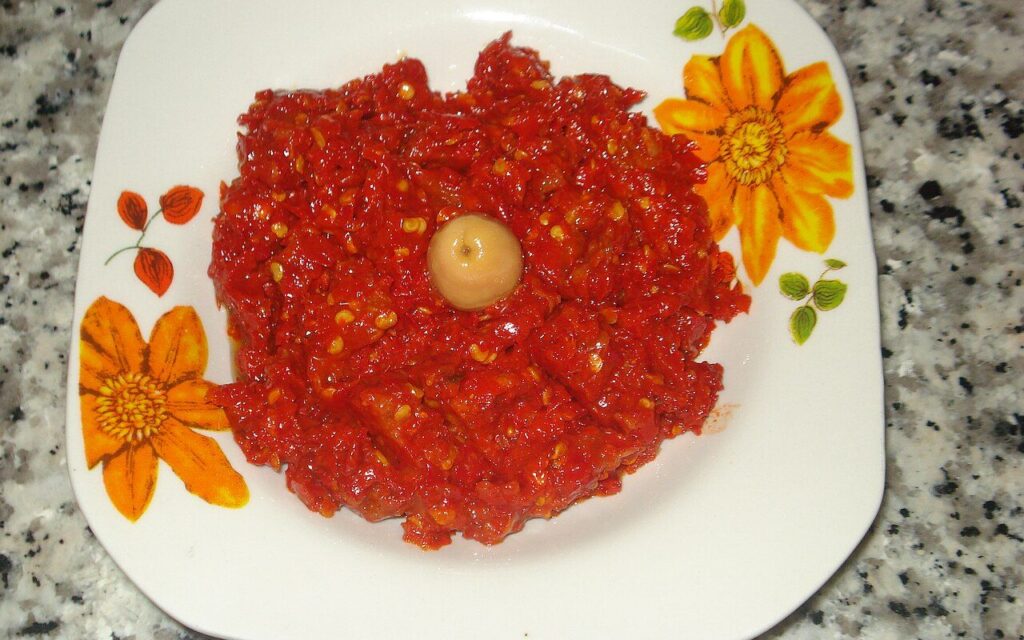
Harissa is a vibrant chili paste that originates from North African cuisine. Made with chili peppers, garlic, spices, and olive oil, it delivers a bold combination of heat and smoky flavor.
The paste can be used in marinades, sauces, or spreads. Chefs often mix it with yogurt, olive oil, or citrus to create balanced condiments that complement meats and vegetables.
Modern restaurants appreciate harissa because it adds strong flavor in small amounts. It can transform roasted vegetables, grilled meats, or grain bowls with just a spoonful. As global flavors continue to shape menus, harissa remains a favorite ingredient for adding warmth and complexity.