8 Culinary School Techniques Home Cooks Are Finally Trying


As more people cook at home, techniques once reserved for culinary school are finding their way into everyday kitchens. These methods offer practical benefits, from better flavor development to more consistent results, and they help cooks feel more confident with a wider range of ingredients. Whether it is learning to control heat, improve texture, or build deeper layers of flavor, these skills make home cooking noticeably more rewarding. Exploring them reveals how simple adjustments can elevate familiar dishes into something far more satisfying.
1. Sous Vide
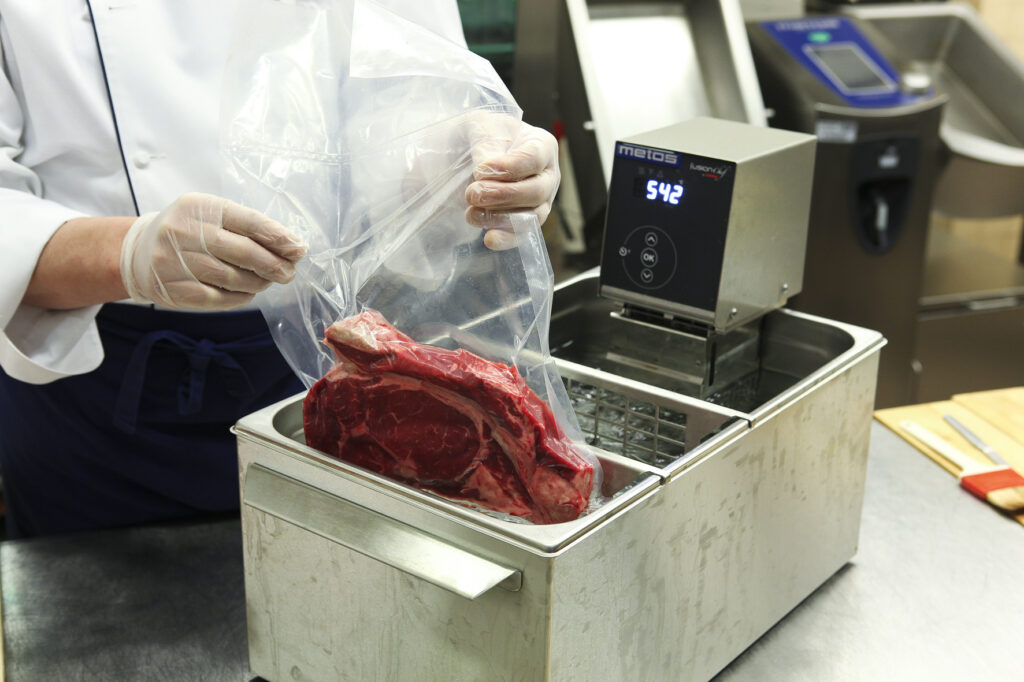
Sous vide has moved from professional kitchens into home cooking because it gives everyday cooks the ability to achieve near-perfect results with minimal stress. By sealing food in a bag and immersing it in a precisely heated water bath, the cook controls the exact temperature at which the food reaches its ideal doneness. This eliminates the guesswork that often leads to dry chicken, overcooked steak, or unevenly cooked vegetables. What makes sous vide appealing is its reliability; it offers restaurant-level texture even for beginners. Home cooks value it not only for convenience but for how noticeably it improves quality without demanding technical skill.
2. Braising
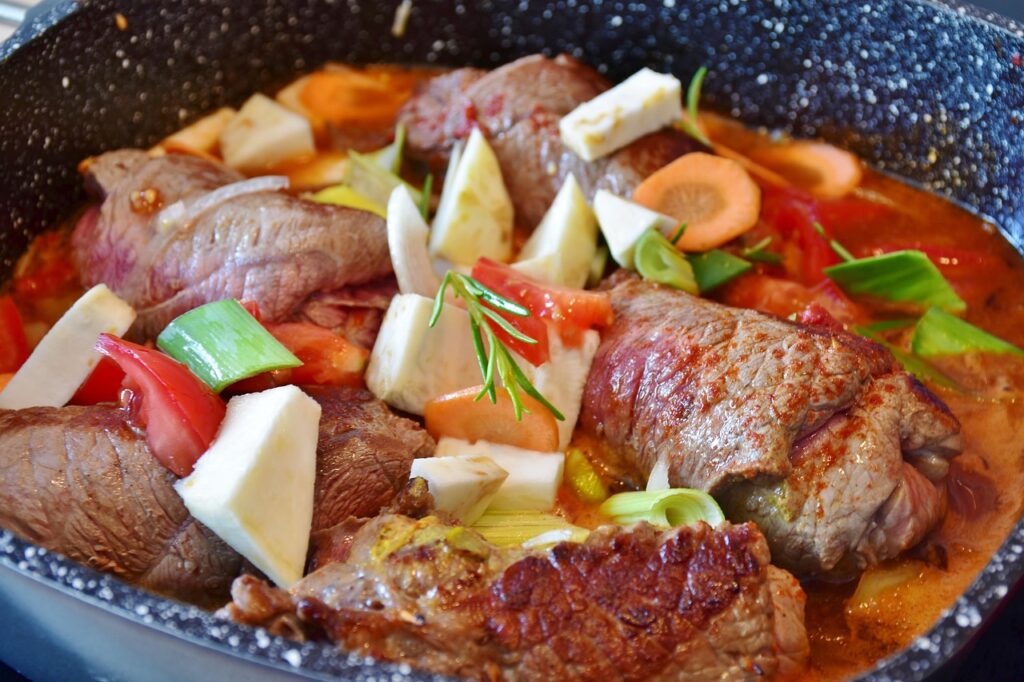
Braising has seen a resurgence among home cooks because it transforms tougher cuts of meat and dense vegetables into tender, flavorful dishes with relatively little hands-on time. The technique begins with browning ingredients to develop deep flavor, followed by slow cooking in a small amount of liquid. This combination of dry and moist heat allows connective tissues to break down gradually, producing results that are both rich and satisfying. Braising suits busy schedules because once the pot is assembled, it can be left to simmer while the cook focuses on other tasks. Home cooks appreciate its forgiving nature; even inexpensive cuts become impressive when treated with patience and controlled heat.
3. Proper Searing

Proper searing has become a technique home cooks actively embrace because it unlocks flavor that otherwise remains dormant. Achieving a deep brown crust on meats, seafood, and even vegetables relies on maintaining high heat and avoiding overcrowding in the pan. This triggers the Maillard reaction, a chemical process that creates complexity, aroma, and depth. Once mastered, searing elevates simple ingredients like chicken thighs or mushrooms into meals that feel noticeably more refined. Many home cooks discover that this one technique drastically changes the quality of their dishes without requiring special tools.
4. Knife Skills
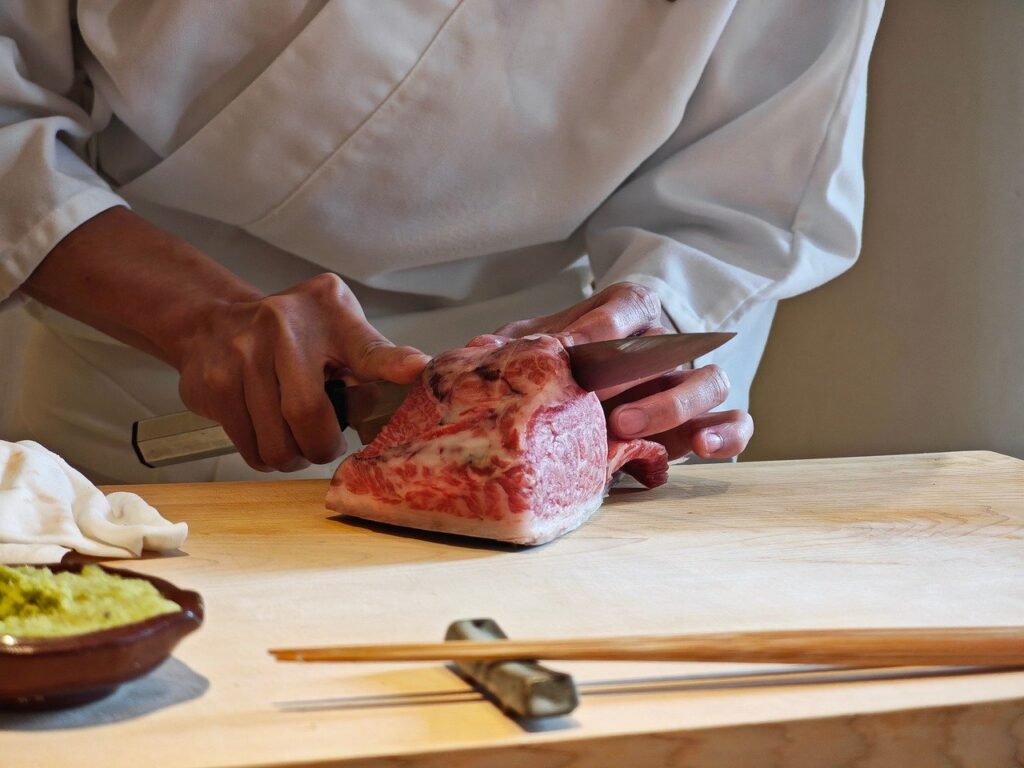
Knife skills are one of the foundational lessons in culinary school that home cooks increasingly prioritize because they improve both efficiency and safety in the kitchen. Learning how to create uniform cuts ensures even cooking, better presentation, and reduced waste. A well-handled knife also speeds up prep work, making cooking less tiring and more enjoyable. Proper techniques, such as the guiding hand and stable chopping motions, allow cooks to work with confidence. As more people experiment with fresh ingredients and scratch cooking, good knife skills make the process smoother and more consistent.
5. Steaming
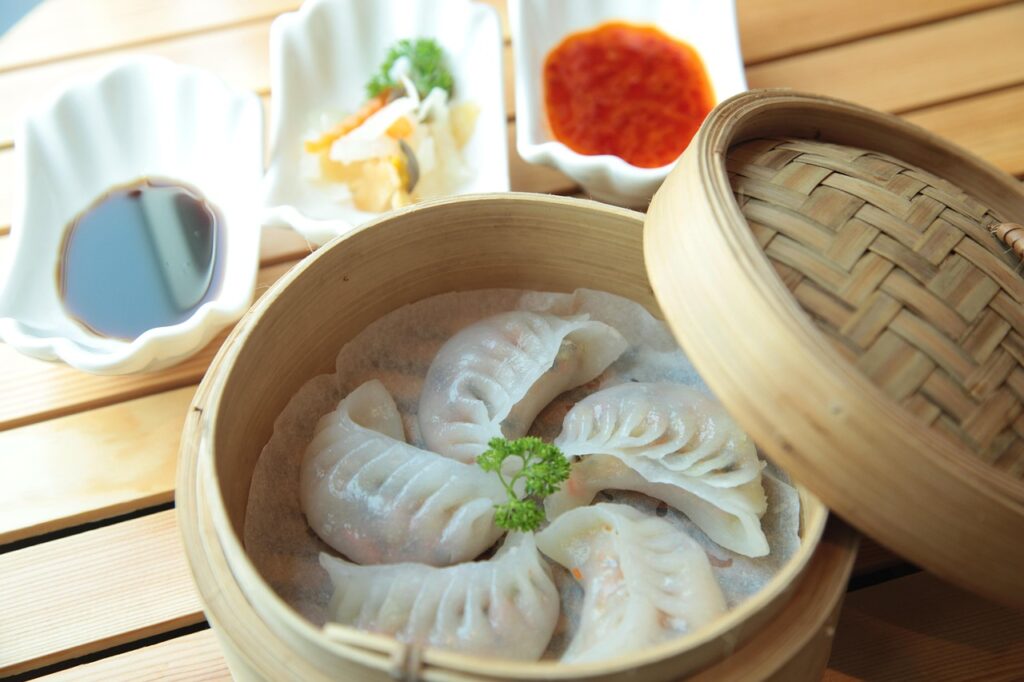
Steaming has regained popularity among home cooks because it preserves the natural flavor, color, and nutrients of ingredients while maintaining a clean, delicate texture. Unlike boiling, steaming keeps vegetables crisp-tender and prevents proteins like fish or shellfish from drying out. It also requires minimal fat, making it appealing for health-conscious cooks. The technique is simple to master and accommodates a wide range of ingredients, from dumplings to leafy greens. As more home cooks look for ways to prepare meals quickly and cleanly, steaming stands out as an efficient option that still feels elegant and intentional.
6. Poaching
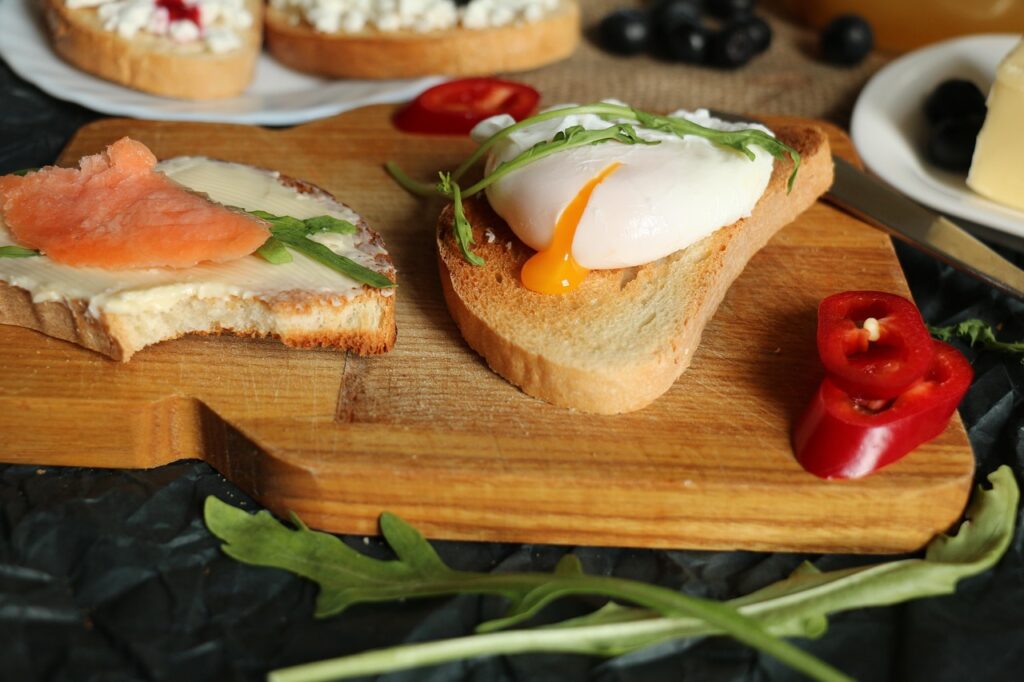
Poaching is gaining attention among home cooks because it provides a gentle, controlled method for cooking delicate ingredients like eggs, fish, and poultry. By keeping the liquid just below a simmer, proteins remain tender and moist rather than tough or stringy. The technique allows flavors from aromatics or broth to subtly infuse into the food, creating results that feel refined despite the minimal steps involved. Poaching also offers flexibility, as the cooking liquid can be repurposed into sauces or soups. Its low-fat nature makes it appealing for those seeking lighter meals without sacrificing texture.
7. Combination Cooking
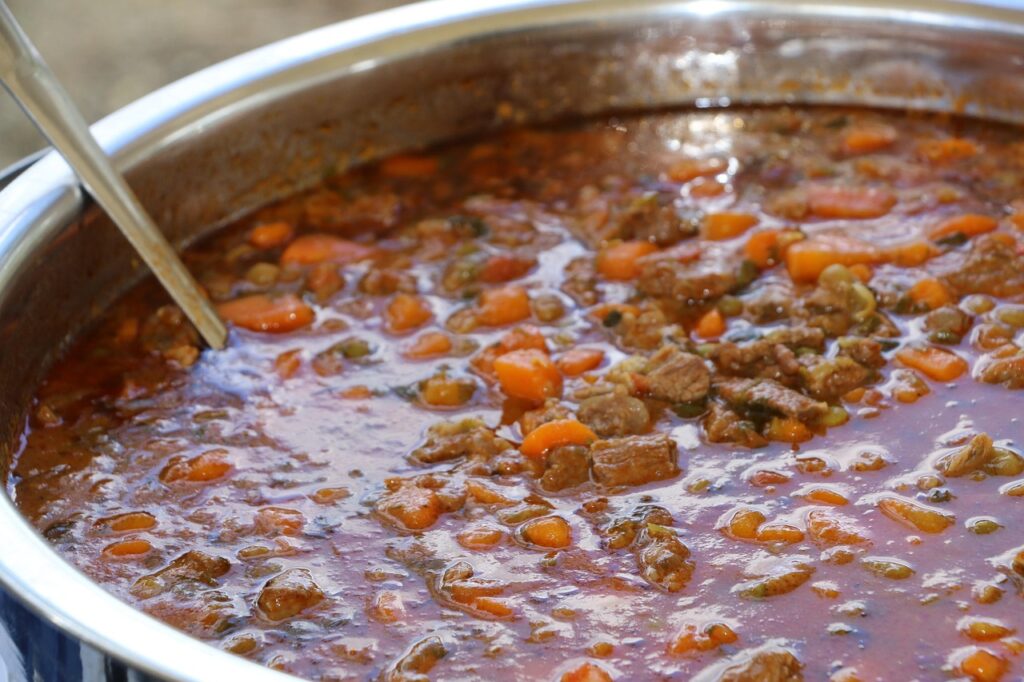
Combination cooking methods, such as stewing and braising, are becoming more popular at home because they layer flavors through a sequence of techniques that work together. These methods typically involve an initial stage of browning ingredients to build flavor, followed by slow cooking in liquid to achieve tenderness. The approach is versatile and works well with meats, vegetables, and legumes. Home cooks appreciate how forgiving these methods are; even if timing is not exact, the results remain flavorful and hearty. Combination cooking also aligns with budget-friendly habits, as it transforms basic ingredients into satisfying meals.
8. Sauce Making and Reductions
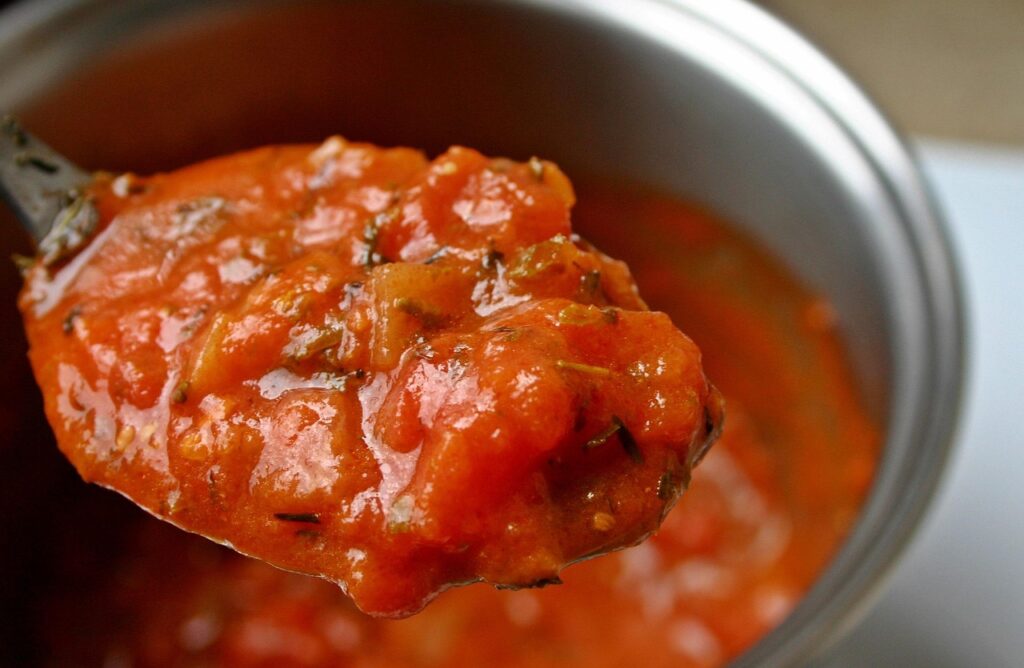
Learning to make sauces and reductions has become a priority for home cooks who want to elevate simple meals without relying on prepackaged options. Reductions concentrate the natural flavors of stocks, wines, or juices, creating sauces that add richness and cohesion to a dish. Techniques like deglazing and emulsifying help capture browned bits from the pan and turn them into smooth, flavorful finishes. Mastering even a few classic sauces can transform basic proteins or vegetables into restaurant-worthy meals. Home cooks appreciate how these skills multiply the impact of their ingredients, adding complexity without extensive recipes.