Why Pizza Is No Longer the Cheap Easy Favorite It Once Was

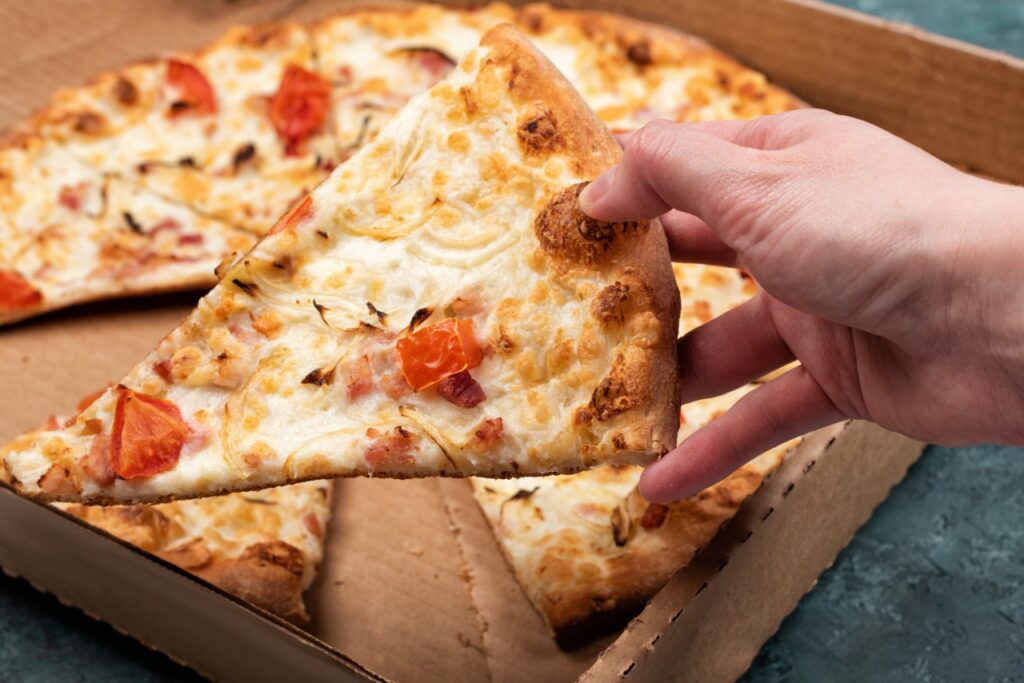
Pizza was once the dependable answer when budgets were tight and schedules were full. It fed entire families with minimal effort, stretched across multiple meals, and rarely required much thought. A single phone call or quick stop could solve dinner without strain, making pizza feel like a shared convenience rather than a purchase to evaluate. Its simple ingredients, large portions, and predictable pricing made it a comfort food in every sense. For decades, pizza represented accessibility, a meal that fit seamlessly into everyday life without forcing people to weigh cost against value or convenience against quality.
Today, that same pizza order often feels like a decision instead of a default. Prices have climbed steadily, and added fees can turn a casual craving into a noticeable expense. What once felt effortless now comes with calculations, comparisons, and hesitation. This shift did not happen suddenly, nor is it tied to a single cause. Pizza’s journey from budget staple to calculated splurge reflects broader changes in food production, labor costs, technology, and consumer expectations. Understanding that evolution explains why pizza still feels familiar, yet no longer feels as affordable as it once did.
When Pizza Was Cheap
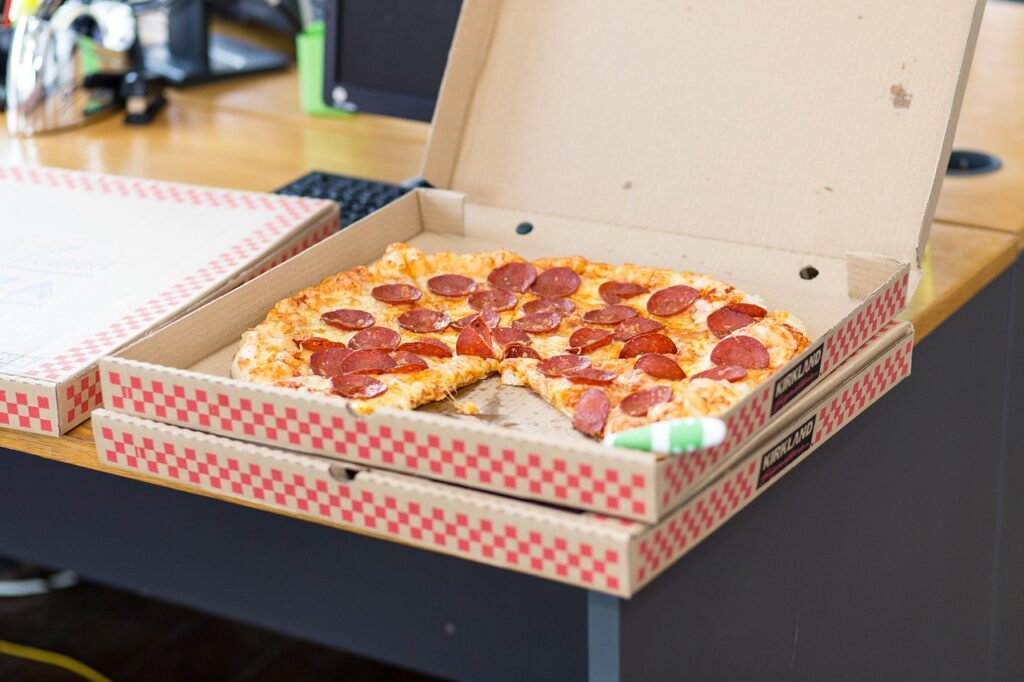
Pizza earned its reputation as an easy, affordable meal because it was designed for efficiency at every step. The dough used only basic pantry ingredients, cheese was applied carefully rather than generously, and toppings were limited to a small, predictable set. This simplicity allowed pizzerias to buy ingredients in bulk and minimize waste. High-volume production kept ovens running constantly, spreading costs across hundreds of orders each night. Because pizzas are cooked quickly and follow the same formula, shops can serve many customers with little slowdown. That speed and uniformity kept prices low while still meeting demand.
Another reason pizza stayed cheap was its operational consistency. Menus changed very little, which meant training was simple and supply chains stayed stable. A small team could handle prep, baking, and service without specialized skills, keeping labor costs low. Pizza was never marketed as artisanal or exclusive. It was positioned as dependable food for busy nights, parties, and quick dinners. That familiarity kept expectations modest and pricing reasonable. Customers did not demand customization or premium ingredients, and shops did not need to reinvent offerings. Pizza’s role as a reliable fallback meal helped anchor it firmly as an affordable staple for decades.
Why Prices Climbed
Pizza prices did not rise all at once, but increased gradually as the costs behind each slice quietly stacked up. Core ingredients like cheese, flour, meat, and cooking oil have all faced long-term inflation, with cheese being especially volatile due to dairy supply fluctuations and higher feed and fuel costs. Because these ingredients appear in nearly every order, even modest increases quickly multiply across daily operations. Transportation expenses added further strain, as fuel costs and distribution delays made deliveries less predictable. What once relied on stable, repeatable pricing slowly became harder to control, forcing pizzerias to adjust menus just to keep pace.
Labor pressures added another layer of difficulty that many customers never see. Hiring and keeping staff became more expensive as wages rose and competition for workers intensified. Benefits, training, and scheduling challenges increased overall payroll costs, even for small shops. At the same time, rent, utilities, insurance, and equipment maintenance continued to climb, leaving little room to absorb losses. Many pizza businesses already operated on narrow margins, so raising prices became unavoidable. The sticker shock customers feel today is rarely about profit alone, but the result of multiple cost increases overlapping at once.
How Pizza Changed
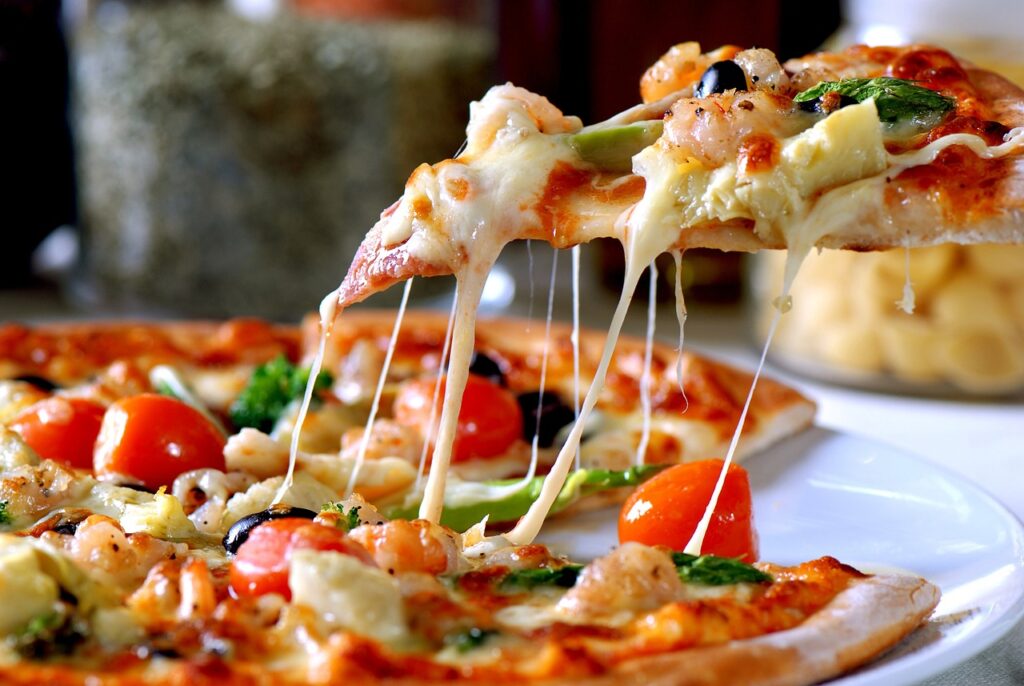
As costs increased across the industry, pizza did not remain locked in its old, budget-friendly identity. Many pizzerias responded by upgrading ingredients to justify higher prices and stand out in a competitive market. Cheeses became richer and more varied, flours more specialized, and sauces more carefully sourced. Imported tomatoes, fresh vegetables, and premium meats replaced cheaper alternatives that once defined everyday pizza. These upgrades often improved flavor and texture, but they also shifted pizza away from its role as simple, efficient food. What was once a no-frills meal slowly took on the expectations of a higher-end dining experience.
Menus expanded alongside these upgrades to match changing consumer preferences. Gluten-free crusts, vegan cheeses, plant-based toppings, and regional styles added variety but also complexity. Each option required new ingredients, equipment, and training, slowing production and increasing labor demands. Customization became central to the experience, with extra toppings, crust changes, and portion adjustments clearly itemized as add-ons. As pizza became more specialized and personalized, it stopped feeling like a default choice and started feeling like a considered purchase weighed against other meals in the same price range.
The Delivery Effect
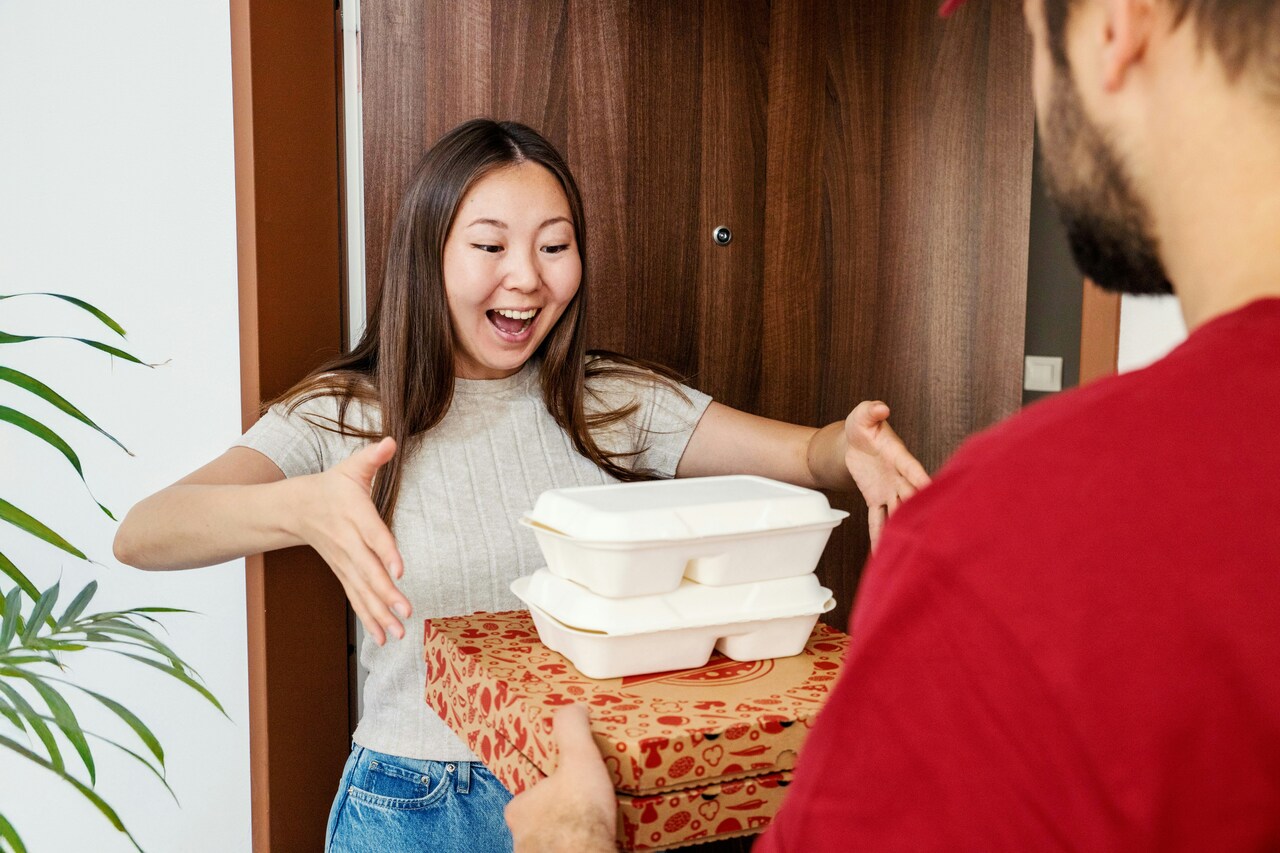
Delivery quietly reshaped pizza pricing in ways many customers did not notice at first. What was once a low-cost convenience became layered with added expenses as third-party platforms entered the picture. Service fees, delivery charges, and platform commissions are now built into most orders, even when they are not clearly itemized. Restaurants often raise menu prices online to offset these commissions, meaning customers pay more before fees are applied. In many cases, the cost of getting pizza delivered can rival the price of the food itself. What once felt like an easy indulgence now feels inflated by extras that did not exist when pizza earned its reputation as cheap and reliable.
Digital ordering also changed what customers expect from delivery, further driving up costs. Speed, order tracking, customization, and instant support require software, staff training, and ongoing technical maintenance. These systems are not free, and their costs are passed on through higher prices. Tipping, once modest for short pizza runs, has become a standard expectation layered onto already higher totals. While delivery remains popular, it has permanently altered pizza’s pricing structure. Convenience now carries a premium, and pizza no longer escapes the rising cost of outsourced labor, technology, and on-demand service that define modern food ordering.
What Pizza Costs Today
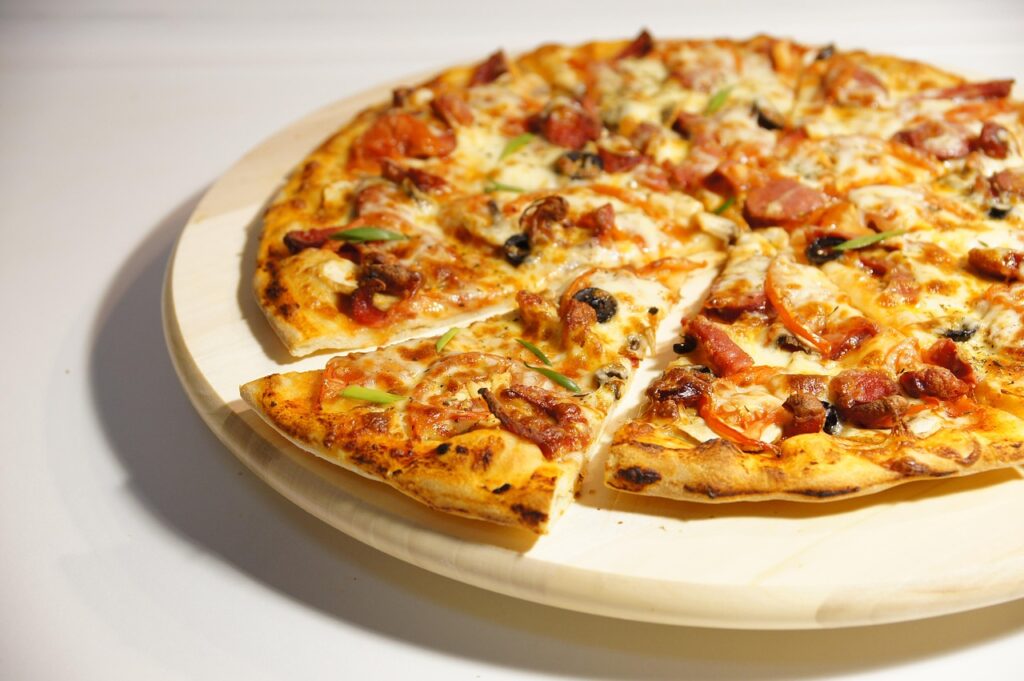
Today, pizza occupies an uncomfortable middle space that did not exist years ago. It is no longer the cheapest option on the table, yet it is still expected to feel casual, effortless, and filling. As prices rise into the same range as fast-casual meals or sit-down takeout, customers naturally pause and compare. Families who once relied on pizza as a dependable, low-cost solution now weigh portion sizes, add-on fees, and delivery costs more carefully. The shift changes the experience from automatic to intentional. Pizza still carries familiarity, but it now competes directly with meals that promise fresher ingredients, clearer value, or fewer extra charges.
Pizza still makes sense in specific situations, especially when feeding groups or sharing among several people. Few foods match its convenience for gatherings, parties, or busy nights when cooking is not an option. Yet it no longer holds its former status as the obvious budget choice. Higher ingredient costs, labor pressures, delivery fees, and changing expectations have altered how people judge its worth. Pizza did not lose its appeal or popularity, but it did lose its role as the default cheap option. What remains is a familiar favorite that now requires justification rather than assumption.
Reference
- Pizza used to be cheap, filling and everywhere — now Americans are walking away from it – foxnews.com
- People Are Ordering Smaller Pizzas and Fewer Toppings. What Does That Tell Us? – nytimes.com
- Pizza used to be cheap, filling and everywhere — now Americans are walking away from it – aol.com