McDonald’s New Under-$3 Menu Is Already a Fan Favorite


Value is back in the spotlight. McDonald’s new under-$3 menu is proving that even small pricing moves can create a big reaction among hungry, budget-conscious customers.
McDonald’s has long understood that affordability is one of its strongest competitive advantages, and the new under-$3 menu taps directly into that identity. At a time when many diners feel fatigued by rising restaurant prices, even modestly priced options can feel like a welcome correction. The appeal is not just about saving money, but about regaining a sense of predictability when eating out. For many customers, that emotional payoff matters nearly as much as the actual dollars saved.
The early enthusiasm around the menu reflects a broader consumer trend. Across the fast-food industry, chains have been working harder to emphasize value as inflation continues to pressure household budgets. McDonald’s appears to be benefiting from timing as much as execution, offering lower-priced items when people are actively looking for ways to stretch their spending. That makes the launch feel less like a promotional gimmick and more like a practical answer to a real consumer need.
Another reason the menu is connecting is familiarity. Rather than relying entirely on novelty, McDonald’s is leaning on products customers already know and trust. That lowers the barrier to purchase because diners do not have to take a risk on an unknown item. In fast food, confidence and convenience often drive decisions, and this menu delivers both in a simple, easy-to-understand way.
Social buzz has also helped accelerate the response. When customers believe they are getting a genuinely good deal, they tend to share it quickly through casual conversation, app activity, and short-form social media posts. That kind of organic enthusiasm is especially powerful for a brand as visible as McDonald’s, where even a small menu adjustment can turn into a national talking point within days.
What customers are really buying when they choose value
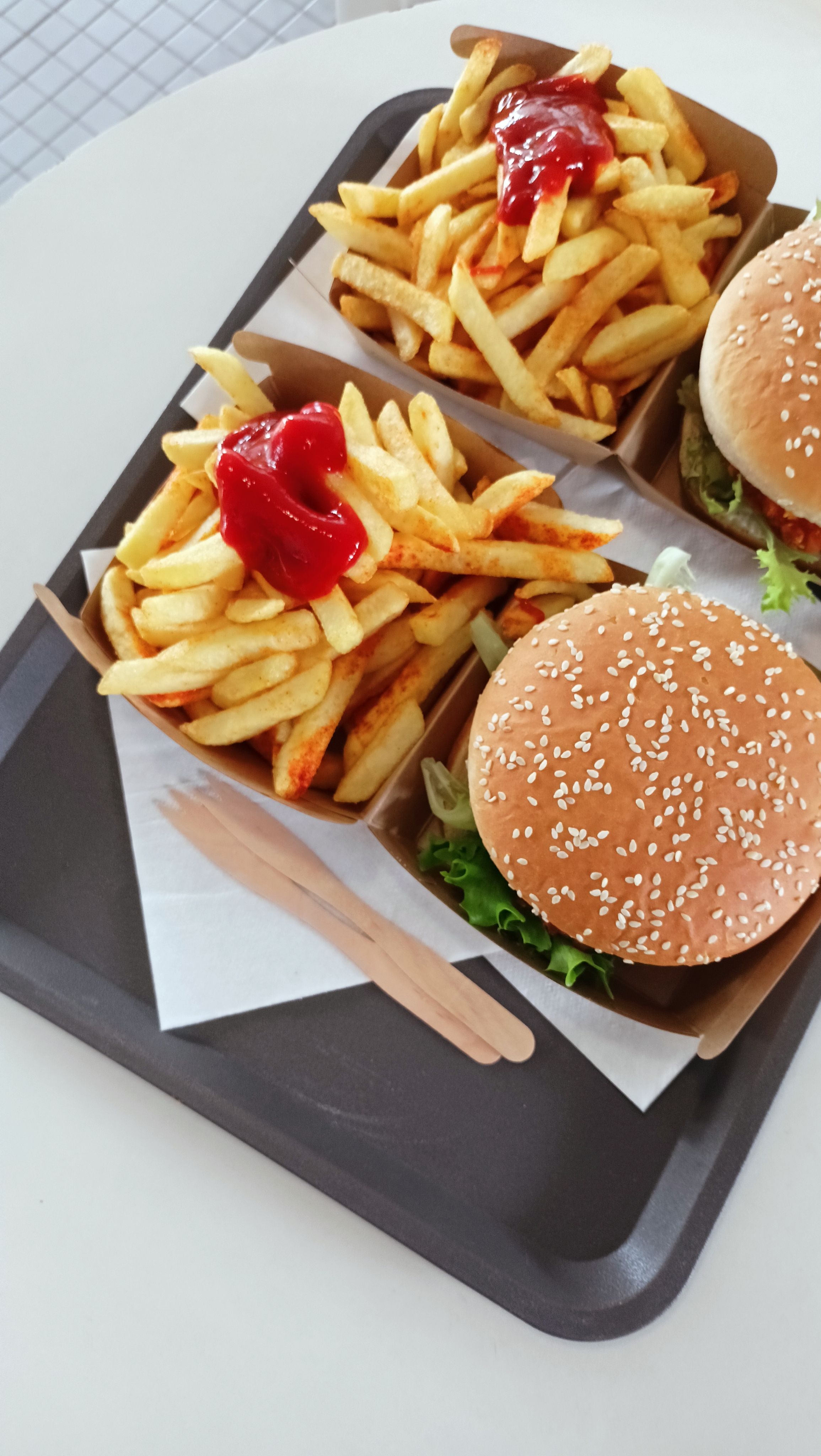
Price is the headline, but value menus succeed because they offer more than cheap food. Customers are also buying flexibility. A lower-priced menu allows people to build a snack, a light meal, or an add-on without feeling committed to a larger order. That flexibility is especially important for students, commuters, parents buying for multiple people, and workers looking for a quick bite between errands or shifts.
The under-$3 concept also works because it fits modern ordering behavior. Many people now approach fast food with a more customized mindset, mixing app deals, lower-cost staples, and one premium item rather than ordering a standard combo every time. McDonald’s benefits when customers can use the under-$3 menu as a base and then add fries, a drink, or a higher-margin specialty sandwich. In that sense, low-priced items can help generate broader spending rather than simply reduce average order value.
There is also a psychological element at play. Consumers tend to respond strongly to clean pricing thresholds, and $3 is an especially effective one because it feels decisively affordable. A menu framed around that number gives customers a quick mental shortcut. They do not have to study the board for long to decide whether something fits their budget, which helps speed up ordering and reduce friction.
Importantly, value does not necessarily mean compromise. McDonald’s has spent decades refining portion sizes, pricing architecture, and menu balance so it can deliver familiar products at scale. When customers see recognizable favorites positioned below a clear price cap, they are more likely to feel that they are making a smart choice rather than settling for less.
How McDonald’s is using value to defend its market position
The fast-food business has become increasingly competitive, especially as chains battle for budget-conscious consumers. McDonald’s is not the only company emphasizing affordability, but it remains uniquely positioned because of its scale, brand recognition, and digital reach. A value-focused menu gives the company a way to reinforce its core identity while also drawing in lapsed customers who may have cut back on restaurant spending in recent months.
According to recent industry reporting, major restaurant brands have been recalibrating promotions as consumers become more selective about discretionary purchases. McDonald’s can respond more aggressively than many smaller rivals because it has a massive footprint, long-tested operations, and a sophisticated loyalty ecosystem. That allows the company to use lower-priced items strategically, not just as stand-alone bargains but as part of a larger traffic-driving plan. The under-$3 menu fits neatly into that strategy.
Franchisees also stand to benefit if the menu increases visit frequency. In quick-service restaurants, repeat traffic often matters as much as the margin on any single item. If customers return more often because they trust they can find something affordable, the long-term sales effect can outweigh the narrow margins associated with individual value products. That repeat-business dynamic is one reason value promotions remain so important across the industry.
The menu can also act as a defensive measure against shifting consumer habits. Convenience stores, grocery prepared foods, and app-based meal deals all compete for the same budget-driven customer. By putting a strong value proposition front and center, McDonald’s makes it easier for consumers to choose the familiar drive-thru option over alternatives that may not offer the same consistency or speed.

One of McDonald’s biggest advantages in launching a low-price menu today is that it no longer relies only on the physical menu board to communicate value. The app gives the company another layer of precision, allowing it to pair under-$3 items with targeted offers, loyalty rewards, and time-sensitive promotions. That can make a low-cost visit feel even more compelling, especially for regular users who are already conditioned to check the app before placing an order.
This digital layer matters because value is now an ecosystem, not just a price tag. A customer might come in for an under-$3 item, redeem points for a drink, and receive a follow-up offer that encourages another visit later in the week. McDonald’s has spent years building these digital habits, and the new menu gives it another reason to keep customers engaged. In practical terms, the menu works as both a pricing tool and a retention tool.
Menu engineering is equally important behind the scenes. Successful value menus are carefully built around items that are operationally efficient, familiar to staff, and easy to produce at scale. McDonald’s knows that a low-price offer only works if it does not slow service or create confusion in the kitchen. By focusing on items that fit smoothly into existing workflows, the company can protect speed and consistency while still promoting affordability.
That operational discipline is a major reason fans respond so positively. Customers may notice the lower price first, but what keeps them coming back is a deal that remains reliable from one location to the next. In fast food, execution is inseparable from value, and McDonald’s appears to understand that as well as any brand in the market.
The strong reaction to McDonald’s under-$3 menu says a great deal about where the fast-food industry is headed. Consumers still want convenience, familiarity, and speed, but they are increasingly unwilling to pay premium prices for everyday meals. That shift is forcing chains to think more carefully about how they define value and how they present it. McDonald’s is succeeding early because it is addressing that concern directly instead of treating it as a secondary issue.
The popularity of the menu also underscores a wider truth about restaurant behavior. People do not necessarily stop eating out when economic pressure rises, but they become much more deliberate about where they spend. Brands that can clearly explain what a customer gets for the money are in a stronger position than those that rely on habit alone. McDonald’s under-$3 offering is effective because the proposition is instantly understandable.
There may also be a halo effect for the broader brand. When a major chain earns goodwill for affordability, it can improve perceptions of fairness across the entire menu. Even customers who do not order exclusively from the value section may feel better about visiting because they know a lower-cost option exists. That can help protect traffic across dayparts, from breakfast runs to late-night snack trips.
In the end, the menu’s fan-favorite status is not just about cheap items. It reflects a brand recognizing what customers need right now and responding with clarity, scale, and confidence. If the early momentum continues, McDonald’s under-$3 menu could become more than a short-term hit. It could serve as a blueprint for how major fast-food chains win loyalty in a more price-sensitive era.