10 Discontinued Ingredients Modern Chefs Can’t Use Anymore

Many ingredients that were once staples of commercial cooking have vanished from modern kitchens as science and regulation reshaped what is considered safe. Additives once valued for their stability, color, or preservation power were later found to carry health risks, prompting widespread bans and reformulation across the food industry. Today’s chefs work within stricter standards that prioritize transparency and consumer protection. Looking back at these discontinued ingredients shows how culinary practices evolve alongside scientific understanding and regulatory oversight.
1. Partially Hydrogenated Oils
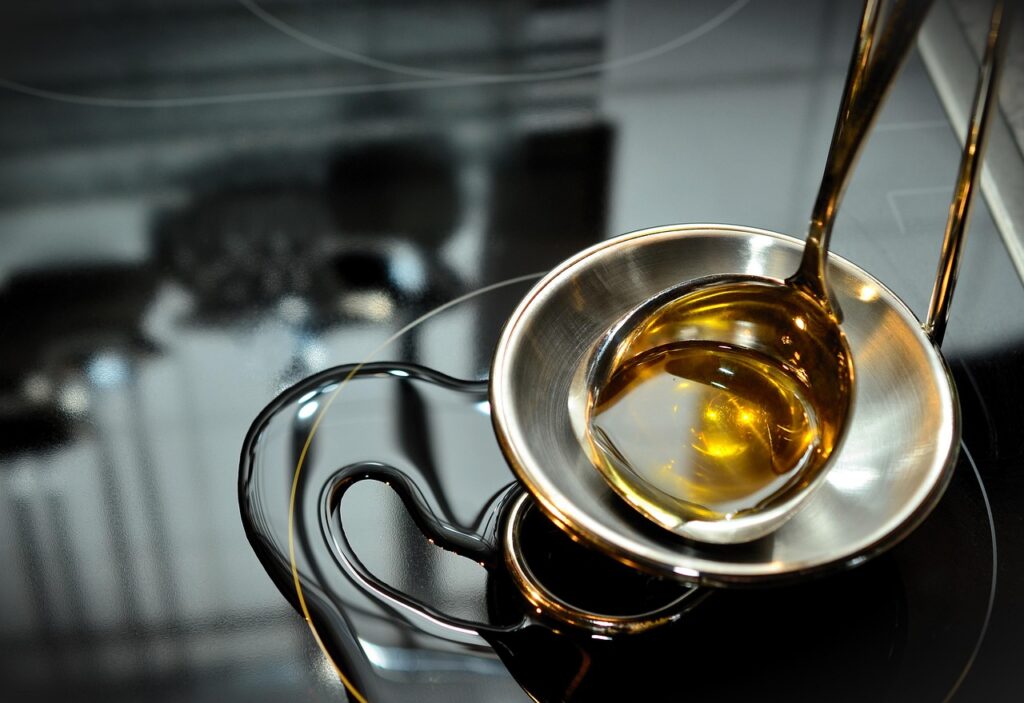
Partially hydrogenated oils were once a staple in commercial baking and frying because they offered long shelf life, consistent texture, and stability at high temperatures. Over time, scientific research revealed that these oils contain artificial trans fats, which significantly increase the risk of heart disease by raising bad cholesterol and lowering good cholesterol. As evidence accumulated, public health agencies tightened regulations until these oils were effectively removed from modern food production. Chefs now rely on natural fats like butter, avocado oil, or high oleic vegetable oils that provide stability without the health concerns.
2. Brominated Vegetable Oil

Brominated vegetable oil was widely used in citrus-flavored sodas to help emulsify flavoring oils and keep them evenly suspended. While effective from a formulation standpoint, concerns grew about bromine accumulation in body tissues and potential neurological effects when consumed in large amounts. These findings led to restrictions and the eventual removal of BVO from many beverages. Modern chefs and manufacturers now turn to safer emulsifiers that achieve similar results without the associated health risks. The phase out of BVO demonstrates how food chemistry must balance technical performance with biological safety as new data emerges.
3. Potassium Bromate

Potassium bromate was once a common dough enhancer used to improve elasticity, height, and texture in breads. Its ability to strengthen gluten made it appealing to large-scale bakeries seeking consistent results. However, research linked residual bromate to carcinogenic activity, particularly when not fully baked out during the cooking process. This prompted many regions to ban or heavily restrict its use. Modern kitchens instead rely on alternatives like ascorbic acid or enzyme blends that strengthen dough safely. The decline of potassium bromate reflects a shift toward cleaner, safer baking practices that prioritize both structure and consumer well-being.
4. Synthetic Food Dyes

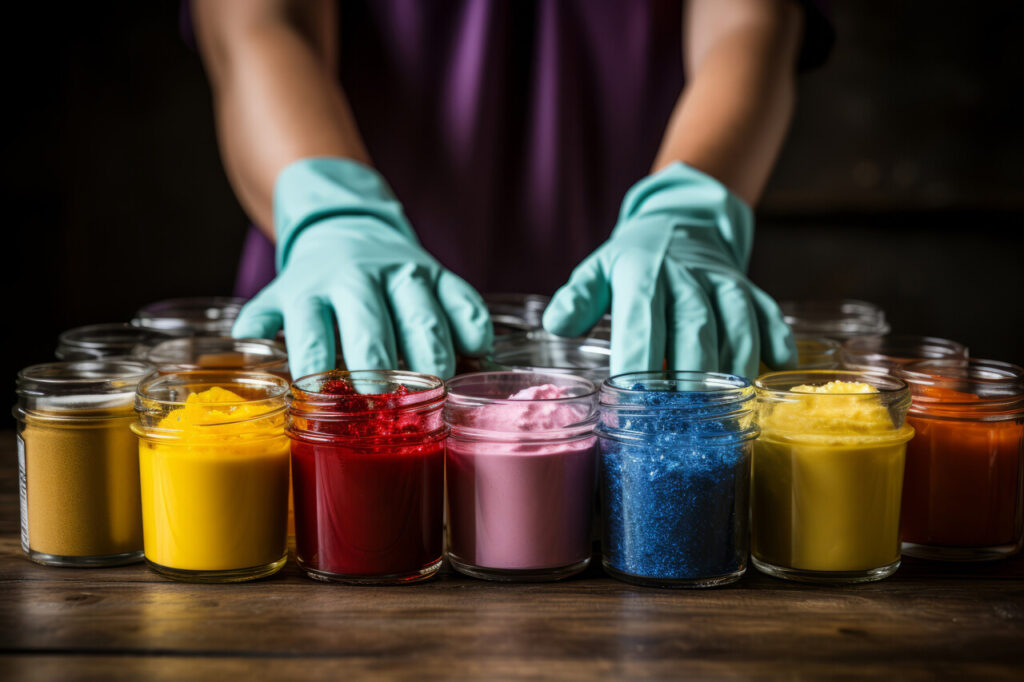
Synthetic dyes like Red Dye 3 were once common in candies, beverages, and baked goods because they offered vibrant colors that natural pigments could not match at the time. As research progressed, concerns emerged about potential carcinogenic effects and other health risks, prompting regulatory bodies to remove or limit their use in foods. Modern chefs now lean on natural colorants derived from fruits, vegetables, and spices, which provide appealing hues without the safety concerns associated with certain synthetic dyes. The transition highlights the industry’s growing commitment to transparency and natural ingredient sourcing while maintaining visual appeal in dishes.
5. Sulfites on Fresh Produce and Salads

Sulfites were traditionally used to preserve the color and freshness of cut fruits, vegetables, and salads. Their ability to prevent browning made them convenient for large-scale food service. However, sulfites triggered allergic reactions in sensitive individuals, including severe respiratory responses. Regulations now ban their application on fresh produce intended for raw consumption. Chefs instead rely on controlled storage conditions and natural antioxidants like lemon juice to maintain freshness. The removal of sulfites from raw foods underscores the importance of protecting vulnerable consumers while adapting preservation techniques to modern safety standards.
6. Olestra

Olestra was introduced as a fat-free alternative intended to create lower-calorie versions of chips and snacks. Its molecular structure prevented the body from absorbing it, which initially seemed like a promising solution for reducing dietary fat intake. However, its inability to break down in the digestive system led to uncomfortable gastrointestinal side effects that quickly overshadowed its benefits. As public acceptance fell and safety concerns rose, usage dwindled. Modern chefs avoid Olestra entirely and instead explore ingredient modifications that reduce fat naturally, such as air frying, alternative oils, and fiber-enriched formulations.
7. Sodium Nitrite and Nitrate in Unrestricted Quantities
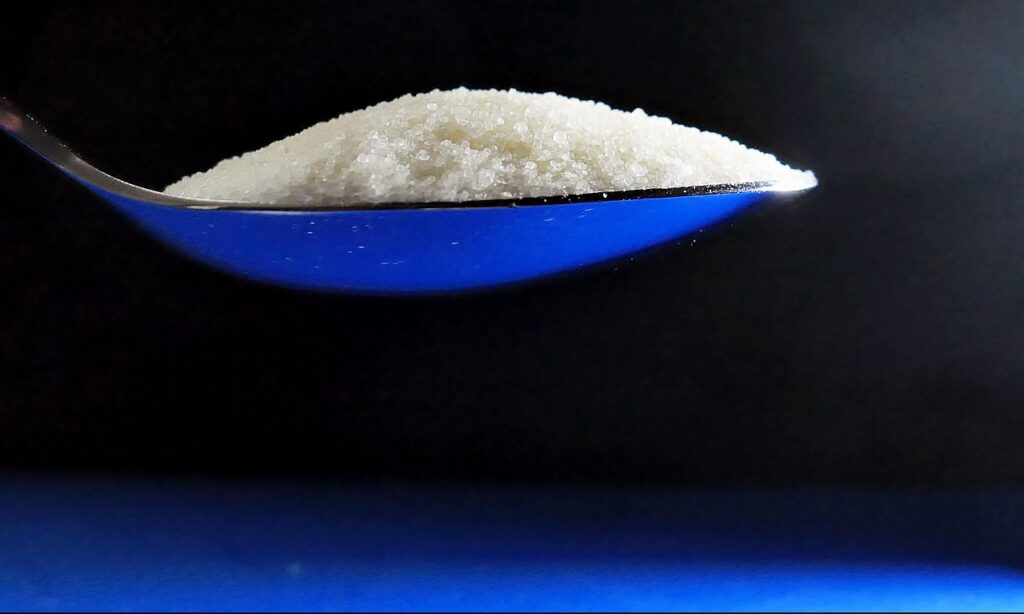
Sodium nitrite and nitrate have long been used to cure meats, preserve color, and prevent bacterial growth. While these compounds serve important functions, excessive levels can contribute to the formation of nitrosamines, which are associated with increased cancer risk. Regulations now limit the amount of these additives and require precise handling to ensure safety. Contemporary chefs approach curing with greater care, often incorporating natural alternatives such as celery powder or controlled fermentation techniques.
8. Unregulated Chemical Preservatives
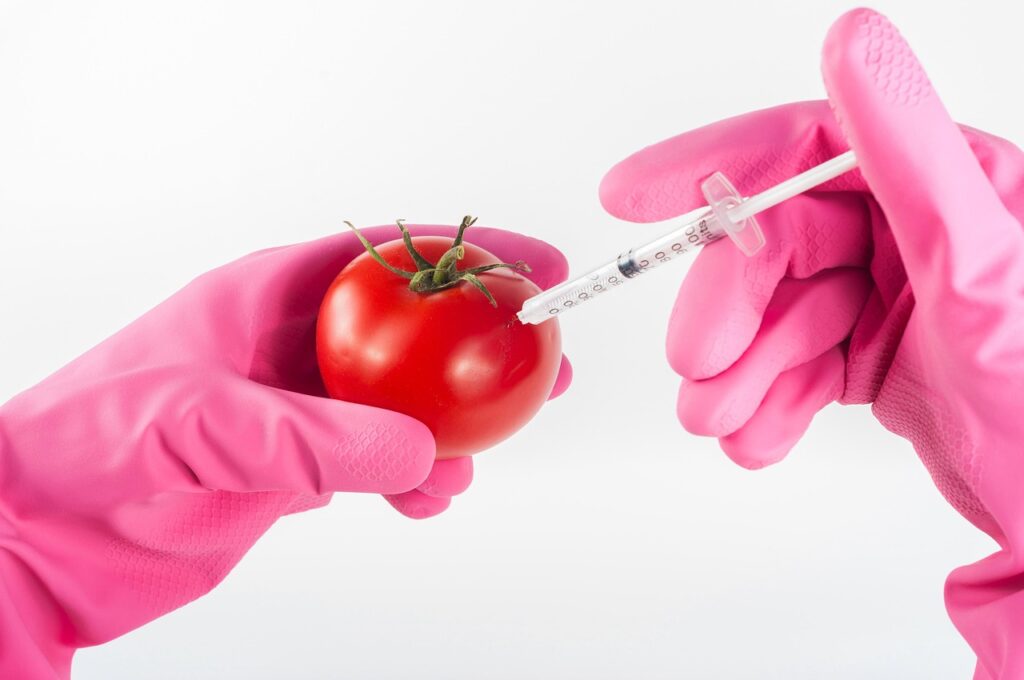
In earlier decades, lax regulations allowed manufacturers to use a range of chemical preservatives without consistent disclosure. As scientific understanding improved, many of these additives were found to pose potential health risks. Modern food laws require full transparency, rigorous testing, and approval before any preservative can enter the supply chain. Chefs today avoid unapproved additives entirely, relying on controlled storage, clean processing, and natural preservation methods to maintain freshness. The elimination of unregulated chemicals marks a significant step forward in consumer protection and ingredient accountability.
9. Synthetic Flavoring Agents
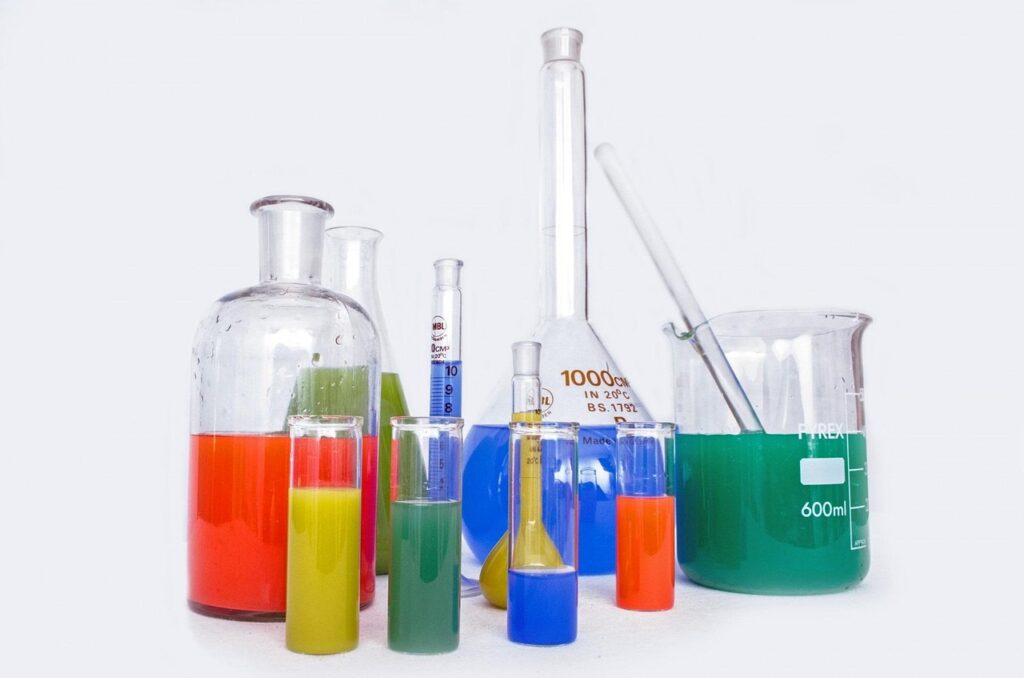
Certain synthetic flavoring compounds, once used to mimic or enhance natural flavors, have since been withdrawn from food production as new toxicology research emerged. These ingredients provided potent aroma and taste at low cost, but evolving studies revealed health concerns that warranted removal from approved lists. Culinary professionals have shifted toward natural extracts, essential oils, and distillations that offer robust flavors backed by clearer safety profiles. This transition demonstrates how advancements in science influence not only regulatory decisions but also the creative choices available to modern chefs.
10. Titanium Dioxide
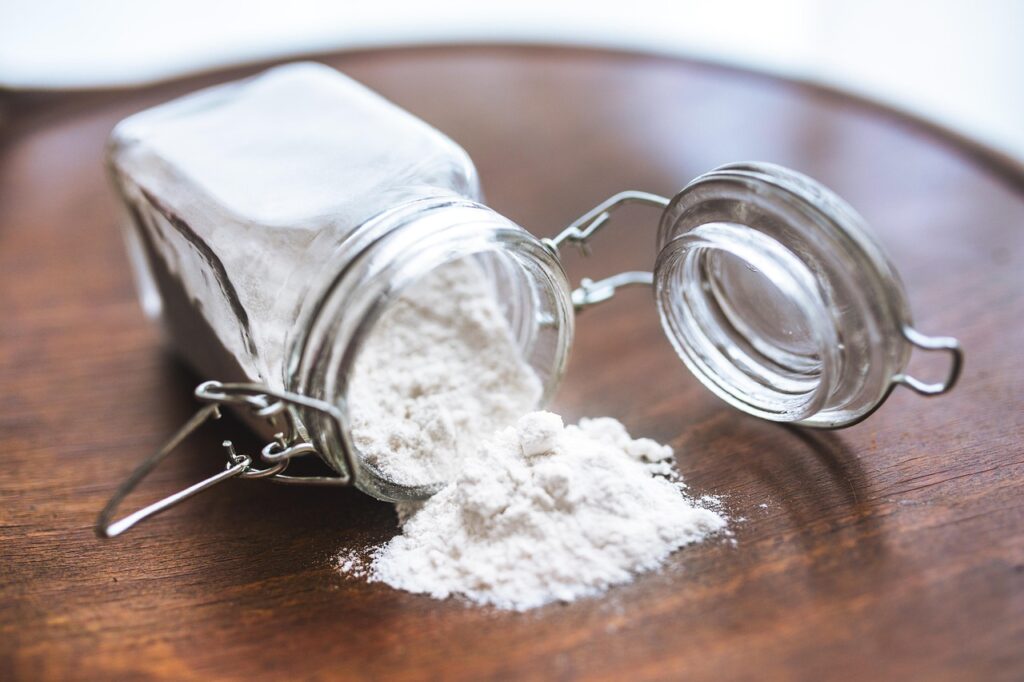
Titanium dioxide was frequently used as a whitening agent in foods such as candies, frostings, and dairy products. Its ability to produce a bright, opaque finish made it valuable in processed foods where visual consistency mattered. With emerging concerns about its potential impact on human health, particularly regarding particle size and long-term exposure, regulators in several regions reevaluated its safety. Many jurisdictions ultimately restricted or banned its use in food. Manufacturers responded by removing it from formulas and instead employing natural whitening agents or adjusting product aesthetics.