What these 9 Skin Signs Tell You

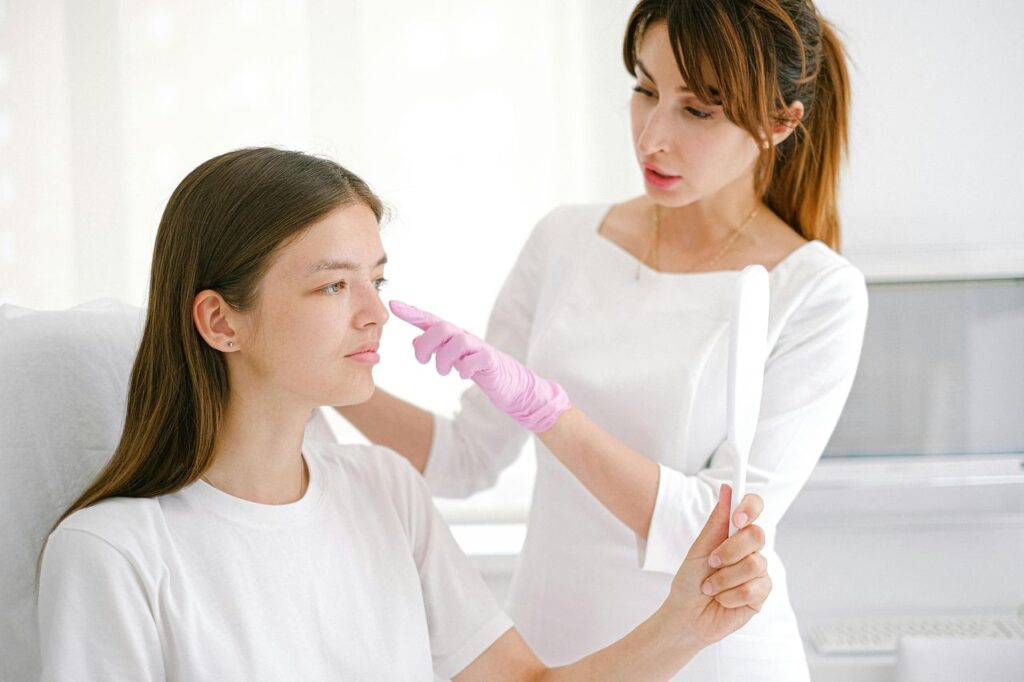
Your skin does more than cover your body, it often offers early clues about what’s happening inside. From unusual dryness to stubborn rashes, small changes can sometimes reflect allergies, hormone shifts, nutrient gaps, or circulation issues. This gallery breaks down nine common skin signs and what they may be trying to tell you, with a clear eye on when simple care may help and when it’s worth seeking medical advice.
Persistent Dry Skin
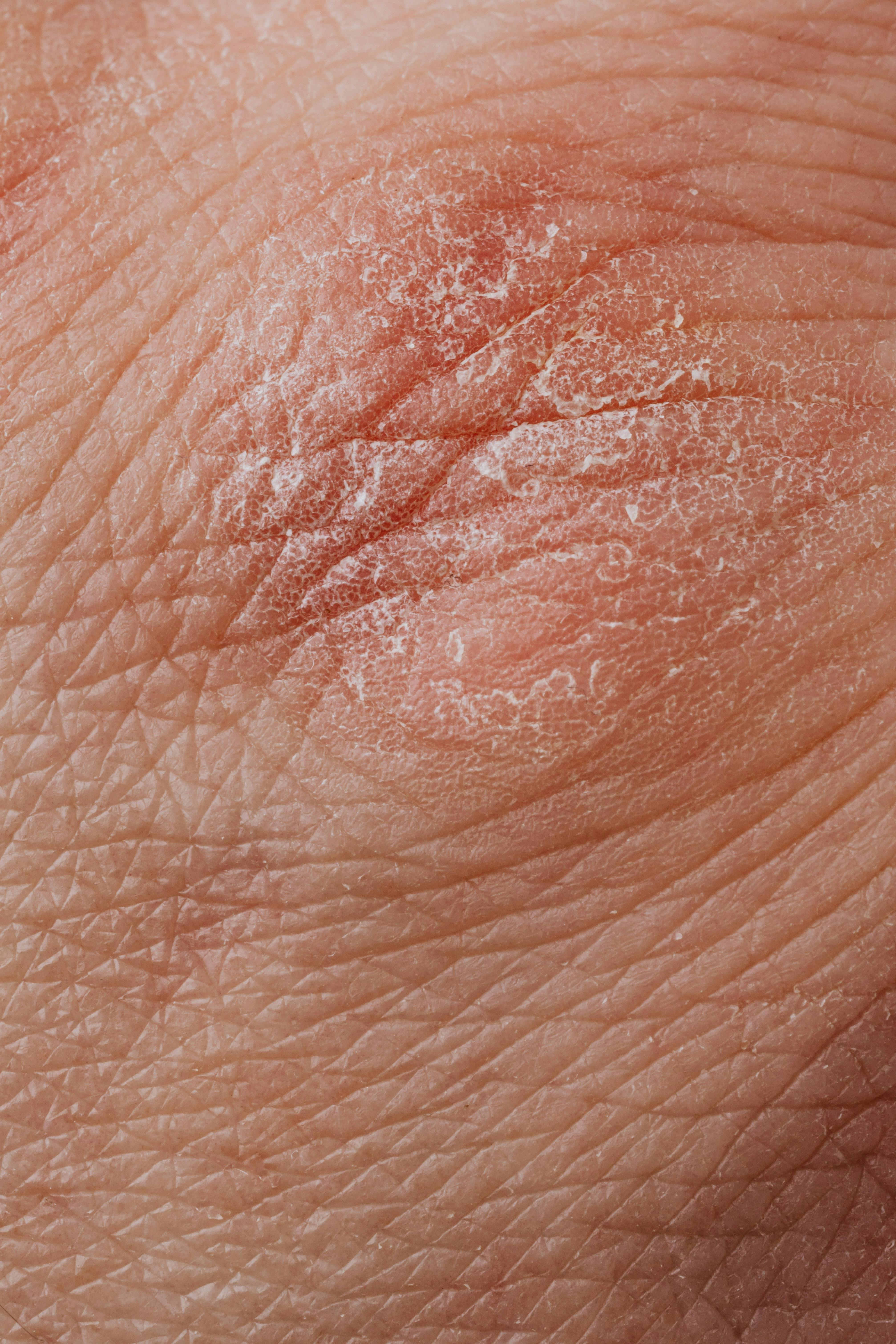
Dry skin happens to almost everyone now and then, especially in cold weather or after too many hot showers. But when it becomes persistent, flaky, or tight no matter how much moisturizer you use, it may point to more than just a skincare issue.
Ongoing dryness can be linked to dehydration, irritating products, aging, or conditions like eczema. In some cases, it can also show up with thyroid problems, which often slow the body down in subtle ways.
If dryness is severe, itchy, or spreading, it’s worth paying attention to the bigger picture. Your skin may be asking for gentler care, more hydration, or a conversation with a healthcare professional.
Yellowing Skin
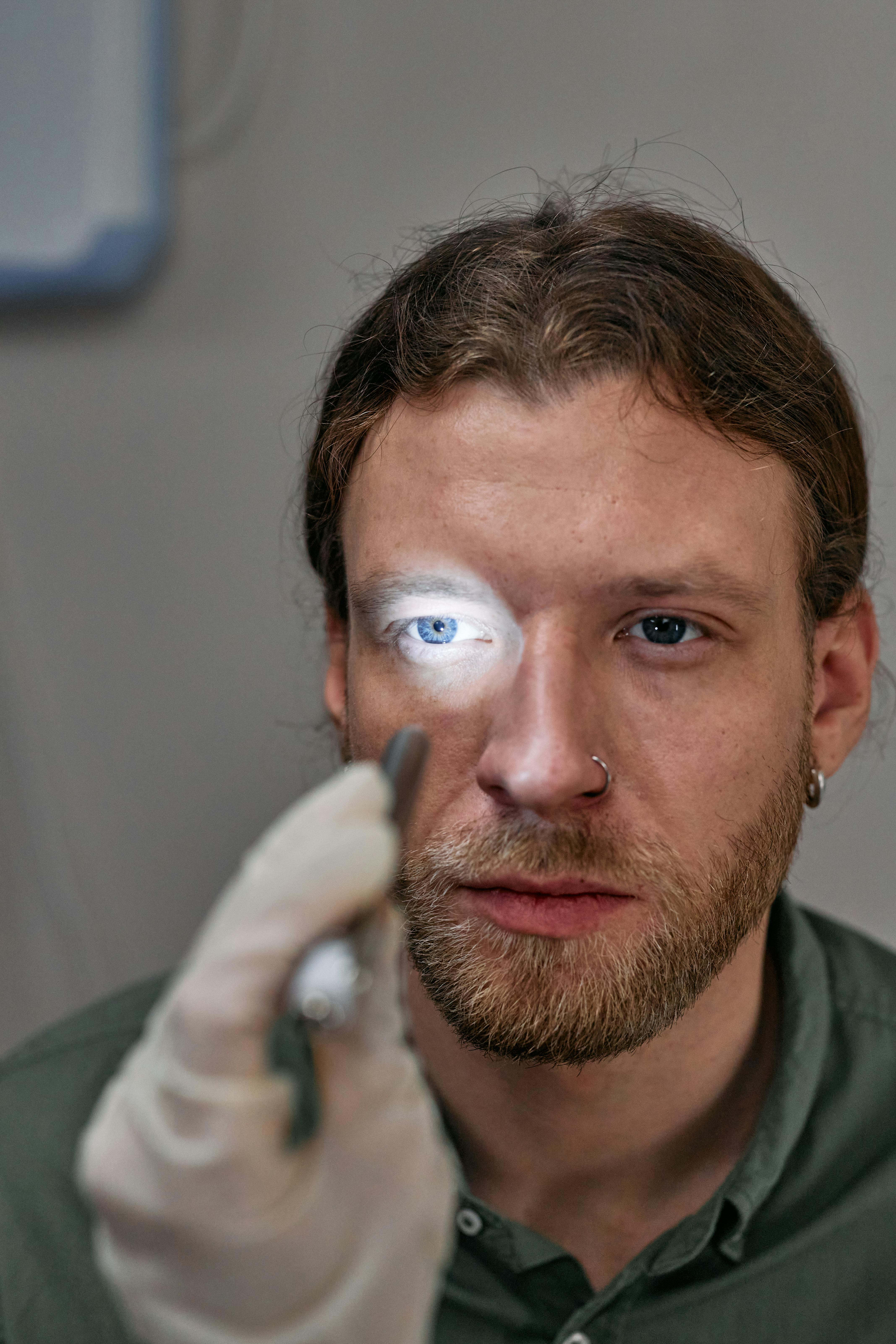
A yellow tint to the skin can be easy to miss at first, especially under warm indoor lighting. But if your skin or the whites of your eyes start looking distinctly yellow, it can be an important sign that deserves prompt attention.
This change is often associated with jaundice, which can happen when bilirubin builds up in the body. That may be connected to liver issues, gallbladder problems, or blocked bile ducts, rather than anything happening on the skin itself.
Diet can sometimes affect tone slightly, especially with very high intake of carotene-rich foods, but true yellowing is different. When in doubt, this is one to take seriously and get checked quickly.
Dark Velvety Patches
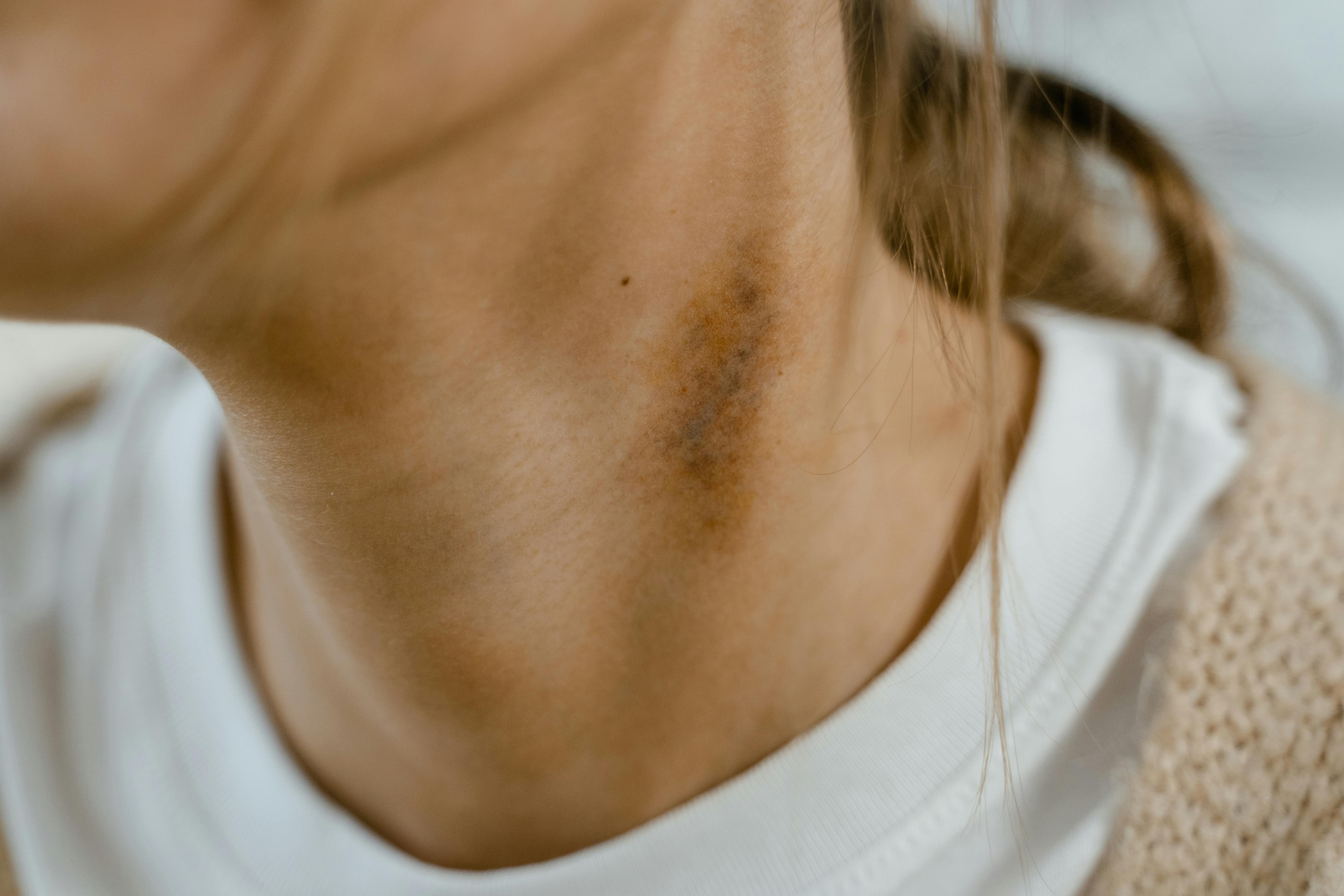
Skin that looks darker, thicker, and almost velvety in body folds can be surprisingly common. These patches often show up on the neck, underarms, groin, or around other creases, and they usually don’t look like an ordinary tan or stain.
This skin change is often linked to insulin resistance, which means the body is having trouble using insulin effectively. It can appear in people with prediabetes, diabetes, or hormone-related conditions, and sometimes arrives before a formal diagnosis.
Because these patches are easy to dismiss as friction or poor cleansing, they can go overlooked. In reality, they may be one of the skin’s clearest hints that blood sugar deserves a closer look.
Easy Bruising
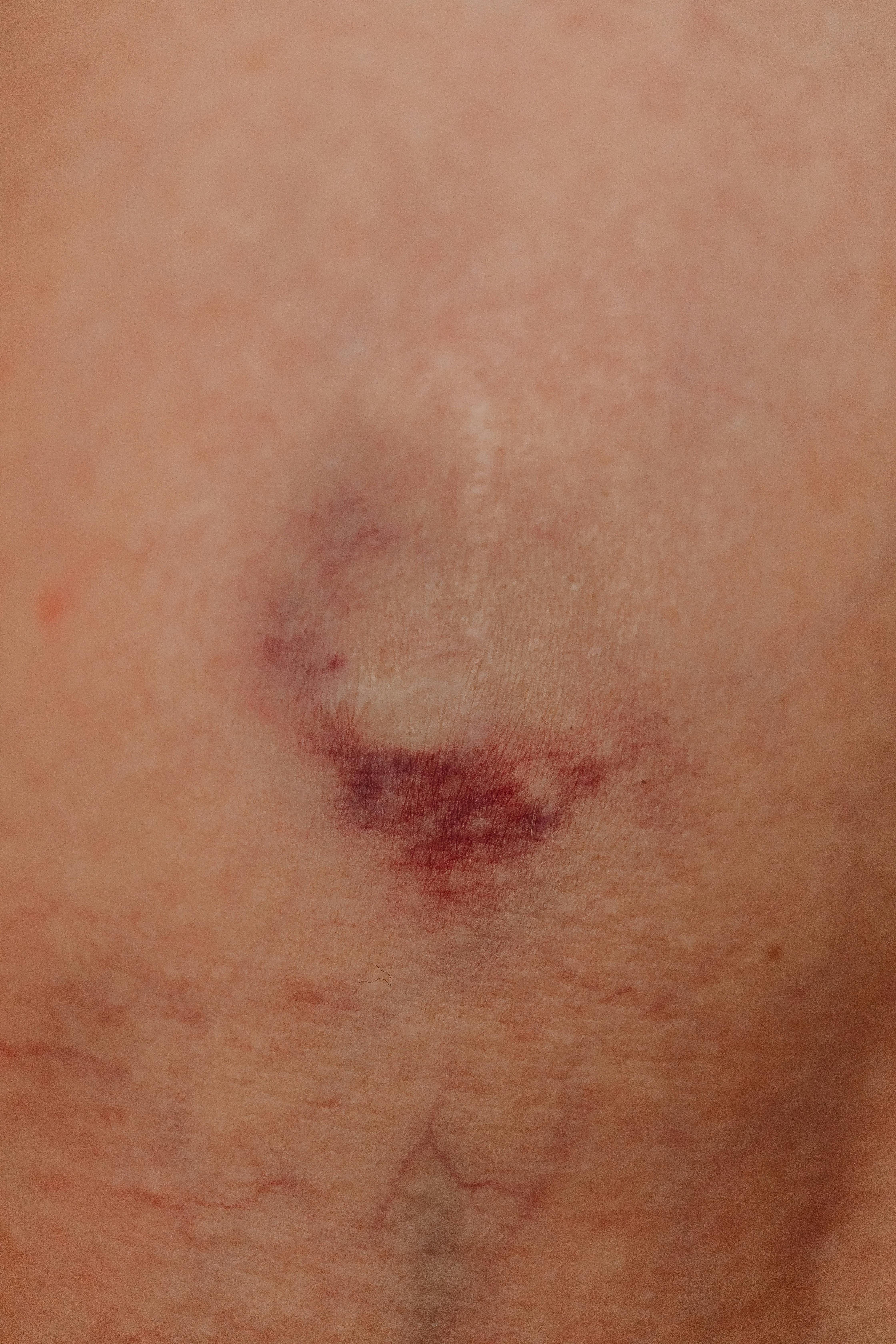
A bruise after bumping into a table is hardly unusual. But if bruises seem to appear out of nowhere, happen often, or look larger than expected, your skin may be signaling that something deeper is affecting your blood vessels or clotting.
Easy bruising can become more common with age as skin thins and the tissue beneath it loses some cushioning. It can also be linked to certain medications, low vitamin C or vitamin K, heavy sun damage, or bleeding disorders.
What matters most is the pattern. Frequent unexplained bruises, especially with fatigue, nosebleeds, or bleeding gums, are worth discussing with a medical professional rather than brushing off.
Rashes After Sun Exposure

Not everyone who reacts to sunlight simply has a sunburn. If you develop itchy bumps, redness, or a rash after even modest sun exposure, your skin may be showing a sensitivity that goes beyond spending too much time outside.
Sun-triggered rashes can be linked to photosensitivity, which may happen because of medications, skincare ingredients, or underlying autoimmune conditions such as lupus. In these cases, sunlight acts more like a trigger than the root cause.
The timing matters here. If a rash appears repeatedly after being outdoors, especially in the same places, it’s smart to review medications, strengthen sun protection, and consider getting a professional opinion.
Acne Along the Jawline
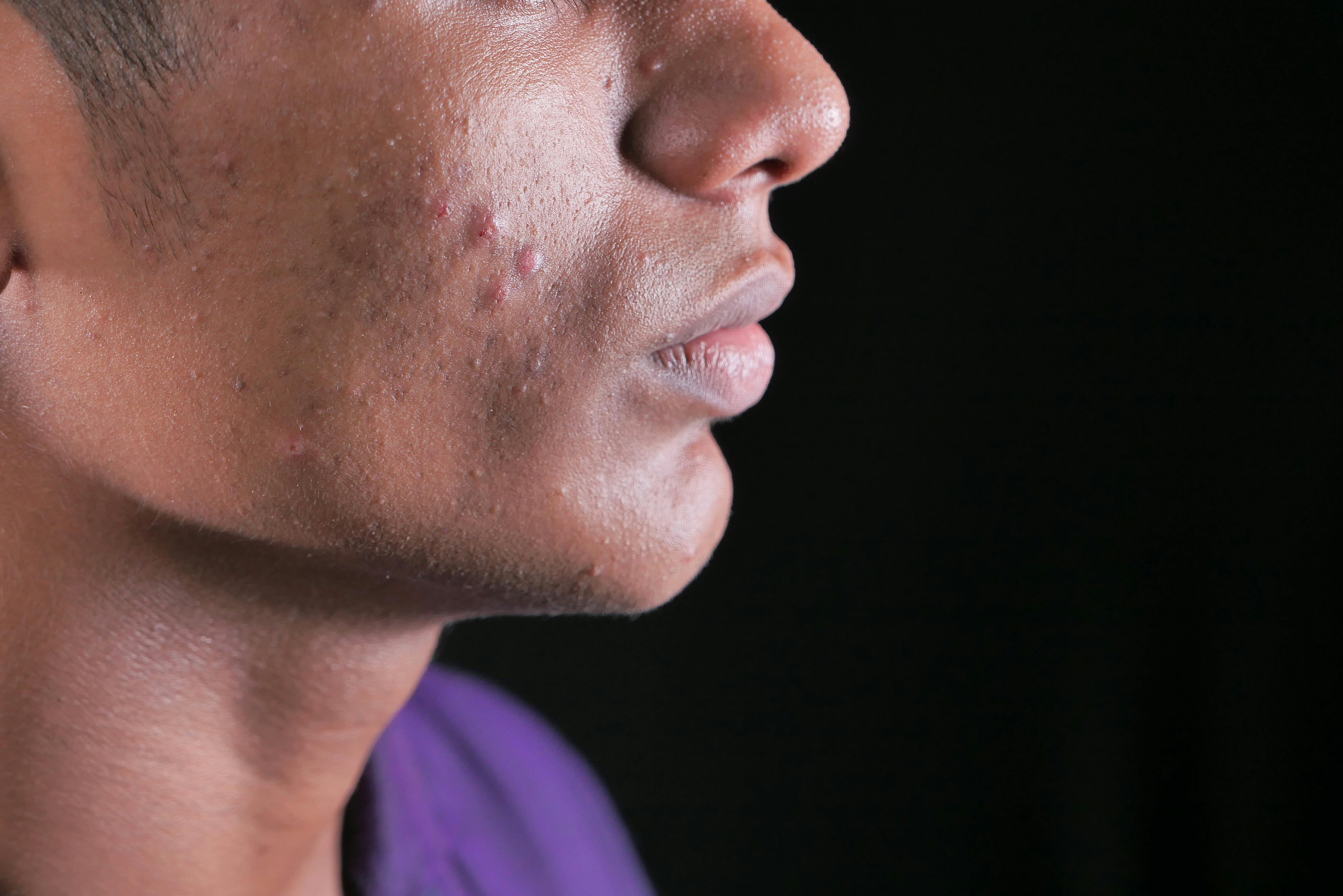
Breakouts along the jaw, chin, and lower cheeks often behave a little differently from the occasional random pimple. They tend to be deeper, more stubborn, and more likely to flare in cycles, which is why many people suspect there’s a hormonal story behind them.
That suspicion is often correct. Jawline acne can be associated with hormone fluctuations, including changes related to menstrual cycles, stress, or conditions such as polycystic ovary syndrome.
This doesn’t mean every chin breakout points to a diagnosis, but recurring patterns are useful information. When acne is persistent or paired with irregular periods or increased facial hair, it may be worth looking beyond skincare alone.
Slow-Healing Cuts

A minor scrape usually follows a predictable path: tenderness, a scab, then gradual healing. When small cuts linger for weeks, reopen, or seem unusually slow to close, your skin may be revealing that the body’s repair system is under strain.
Poor wound healing can be connected to diabetes, reduced circulation, infection, or nutritional issues that leave the body short on the building blocks it needs. Smoking can also interfere by limiting blood flow to the skin.
This sign matters most on the feet and lower legs, where healing problems can become serious. If wounds are slow, painful, or repeatedly infected, it’s important to get them assessed rather than waiting it out.
Blue or Purple Fingertips
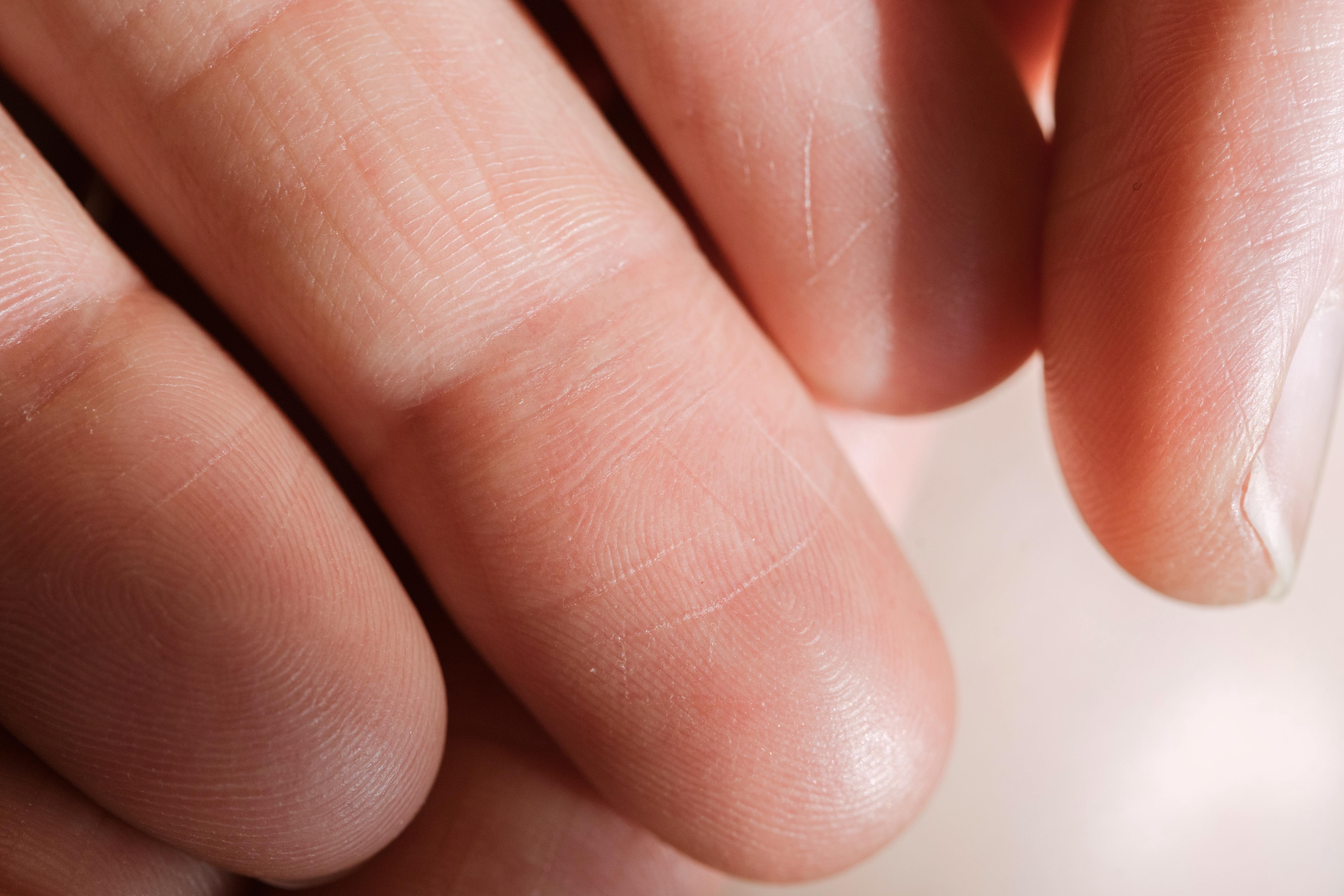
Fingers can briefly turn pale or bluish in cold weather, and that may simply reflect a normal reaction to temperature. But when fingertips frequently look blue or purple, especially with numbness or pain, circulation may be part of the story.
This can happen with Raynaud’s phenomenon, in which small blood vessels overreact to cold or stress. In other cases, it may point to lower oxygen levels or other circulation-related concerns that deserve a closer look.
Color changes are one of those details people often notice but ignore. If they happen repeatedly, last a long time, or come with shortness of breath or chest symptoms, medical evaluation becomes much more urgent.
Itchy Red Welts
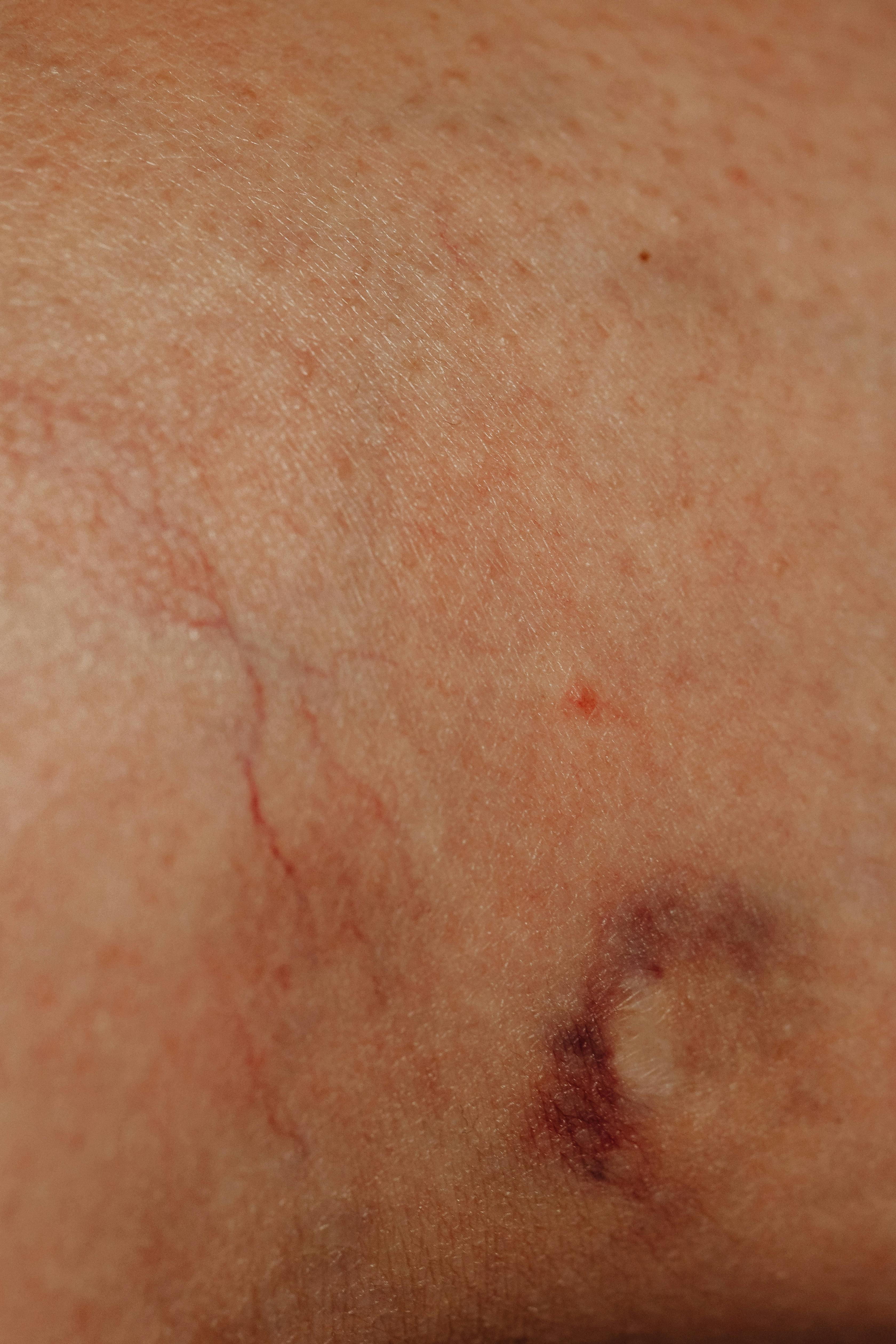
Raised, itchy welts that appear suddenly and seem to move around the body are often hives. They can be dramatic, uncomfortable, and mysterious, especially when they show up without any obvious change in soap, food, or environment.
Hives are commonly tied to allergic reactions, but they can also be triggered by infections, heat, stress, pressure on the skin, or medications. In some people, they come and go for weeks with no clear single cause.
Most cases are short-lived, but context matters. If welts come with swelling of the lips, tongue, or throat, that’s an emergency. Even milder recurring hives deserve attention if they keep interrupting daily life.